Why Your Teeth Are Sensitive After Whitening (And How to Fix It)
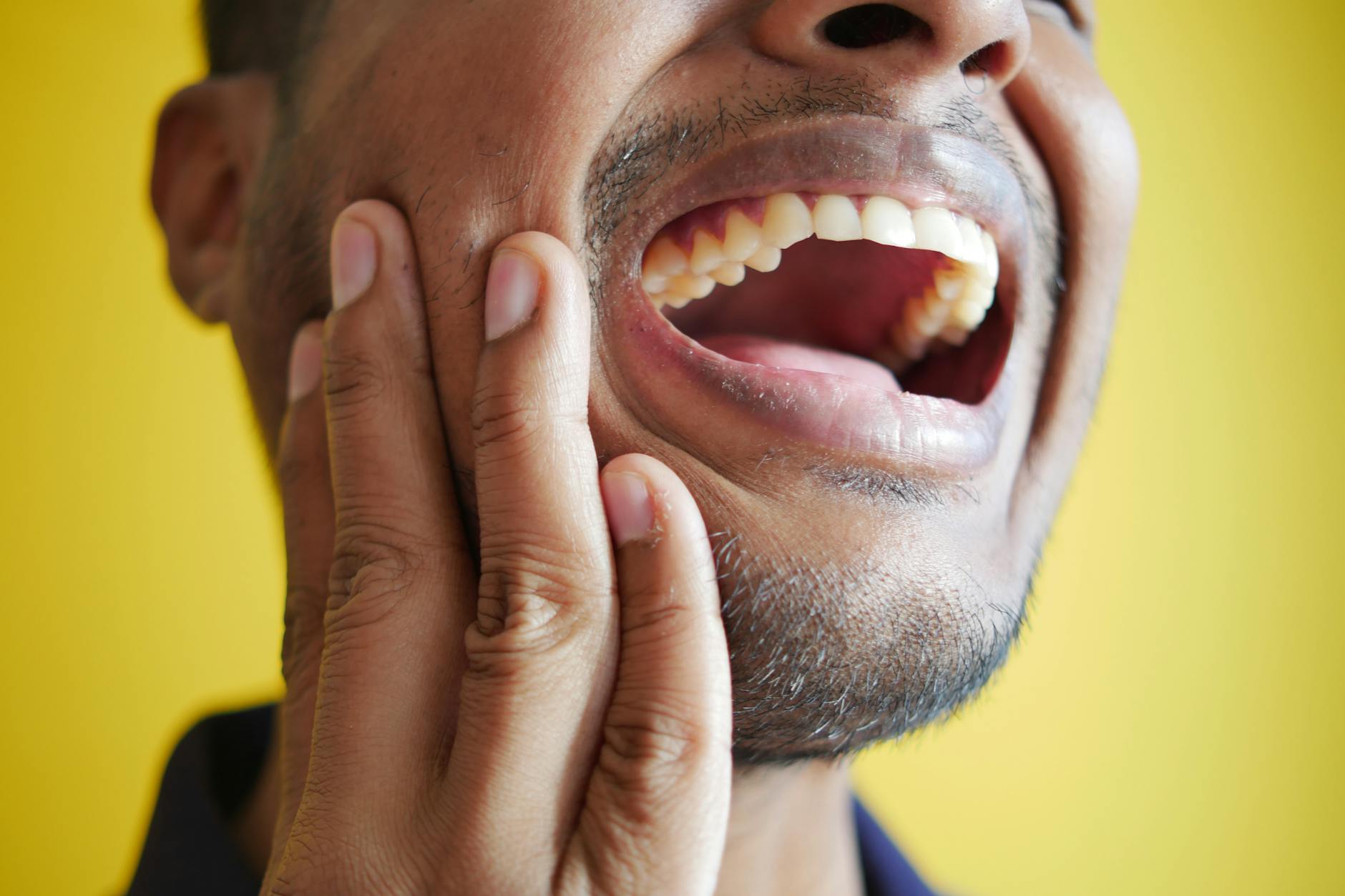
You did everything right. You followed the instructions, kept the trays in for exactly the recommended time, and rinsed thoroughly when you were done. Then, about twenty minutes later, it hit — that sharp, shooting zing every time you breathed in cold air or took a sip of water. Sensitive teeth after whitening is one of the most common complaints in at-home oral care, and it stops millions of people from achieving the smile they were working toward. The good news: the sensitivity is almost always temporary, it is well understood by dental science, and there are concrete steps you can take right now to reduce the discomfort and prevent it from happening again.
This guide explains exactly why whitening causes sensitivity, what is happening inside your tooth at the microscopic level, which ingredients reverse the process, and how to build a simple recovery protocol around them. No guesswork, no vague advice about "being careful" — just the science and the steps.
The Science Behind Post-Whitening Sensitivity
To understand teeth whitening sensitivity, you need a quick anatomy refresher. Each tooth is made up of three main layers: the hard outer enamel, the softer middle layer called dentin, and the soft inner pulp where the nerve lives. Running through the dentin are thousands of microscopic channels called dentinal tubules. These tiny tubes connect the outer surface of the tooth to the nerve at the center, and they are filled with a fluid that shifts when stimulated by temperature, pressure, or chemical changes.
Under normal circumstances, the enamel caps the dentin and blocks those tubules from being exposed to the outside world. When enamel is intact and tubules are plugged with mineral deposits, your teeth are largely insensitive to everyday stimuli. The problem starts when whitening agents — primarily hydrogen peroxide and carbamide peroxide — get to work.
Why Peroxide Opens Dentinal Tubules
Peroxide is an oxidizing agent. Its whole job is to penetrate the enamel and break apart chromogen molecules — the organic compounds that give stains their color. This is genuinely effective chemistry, and it is why peroxide teeth sensitivity and whitening results often come as a package deal. The same small molecular size that lets peroxide pass through enamel to reach stains also allows it to reach the dentin underneath.
Once peroxide contacts dentin, two things happen simultaneously. First, it temporarily dissolves or displaces some of the mineral plugs that normally block the openings of dentinal tubules. Second, the oxidizing reaction can mildly dehydrate the tooth, which shifts the fluid inside those now-open tubules. That fluid movement stimulates the nerve endings at the base of the tubules — and that is what you feel as the characteristic sharp, electric sensitivity. Higher peroxide concentrations and longer application times mean more tubule exposure, which is why professional in-office treatments (which use 25–40% hydrogen peroxide) almost always include a desensitizing step, while lower-concentration strips or gels used at home are somewhat gentler but not exempt from the issue.
How Long Does Whitening Sensitivity Last?
For most people, sensitive teeth after whitening peaks within a few hours of treatment and resolves on its own within 24 to 72 hours. The tubules gradually remineralize and re-plug with calcium and phosphate from saliva, the peroxide fully metabolizes, and the nerve calms down. If you are someone with naturally thinner enamel, pre-existing gum recession that exposes root surfaces (which have no enamel protection at all), or a history of dental sensitivity, your recovery window may be closer to the 72-hour end of that range — or occasionally longer after a particularly intensive treatment.
Persistent sensitivity lasting longer than a week, or pain that is severe rather than merely uncomfortable, warrants a conversation with your dentist. It could indicate that the whitening product was used in a way that was not appropriate for your enamel condition, or that there is an underlying issue — a cracked tooth, a cavity, or significant gum recession — that needs to be addressed before any whitening is resumed.
The Three Ingredients That Actually Close Dentinal Tubules
This is the most practical section of this guide, because understanding which active ingredients target the root cause of whitening sensitivity is what separates real relief from temporary distraction. There are three key compounds with strong clinical backing.
Potassium Nitrate
Potassium nitrate has been the gold standard desensitizing ingredient in toothpastes for decades, and it works through a nerve-based mechanism rather than a physical blocking action. Potassium ions diffuse through the dentinal tubules and accumulate around the nerve fibers, raising the threshold at which those fibers fire in response to stimuli. In plain terms, it makes your nerve less excitable. You can find it in "sensitivity" toothpaste formulas typically at a 5% concentration. Using it twice daily for at least two weeks before and after a whitening treatment has been shown in clinical studies to meaningfully reduce the severity of post-whitening sensitivity.
Fluoride
Fluoride works differently — it promotes remineralization. When fluoride ions are present in saliva or applied topically, they combine with calcium and phosphate to form fluorapatite crystals that are harder and more acid-resistant than the original hydroxyapatite mineral that makes up enamel. These crystals deposit into the openings of dentinal tubules, physically blocking them and reducing the fluid movement that triggers nerve pain. A fluoride rinse or a fluoride gel applied in a tray after whitening accelerates this remineralization process significantly. Many dentists recommend applying a prescription-strength fluoride gel (1.1% sodium fluoride) immediately after whitening sessions specifically for this reason.
Nano-Hydroxyapatite
Nano-hydroxyapatite (nHA) is a newer but increasingly well-supported desensitizing ingredient. Hydroxyapatite is the actual mineral that enamel is made of — nHA is simply the same compound engineered into nanoparticles small enough to physically deposit into and occlude dentinal tubules. Multiple peer-reviewed studies, including a notable 2021 review published in the Journal of Dentistry, found nano-hydroxyapatite to be comparable to fluoride for tubule occlusion and enamel remineralization. It has the added advantage of being fluoride-free, which appeals to people looking to minimize fluoride exposure. An increasing number of toothpastes and remineralizing serums now include it as an active ingredient, and it is worth looking for on the label if sensitivity is a recurring issue for you.
A Practical Recovery Protocol for Post-Whitening Pain
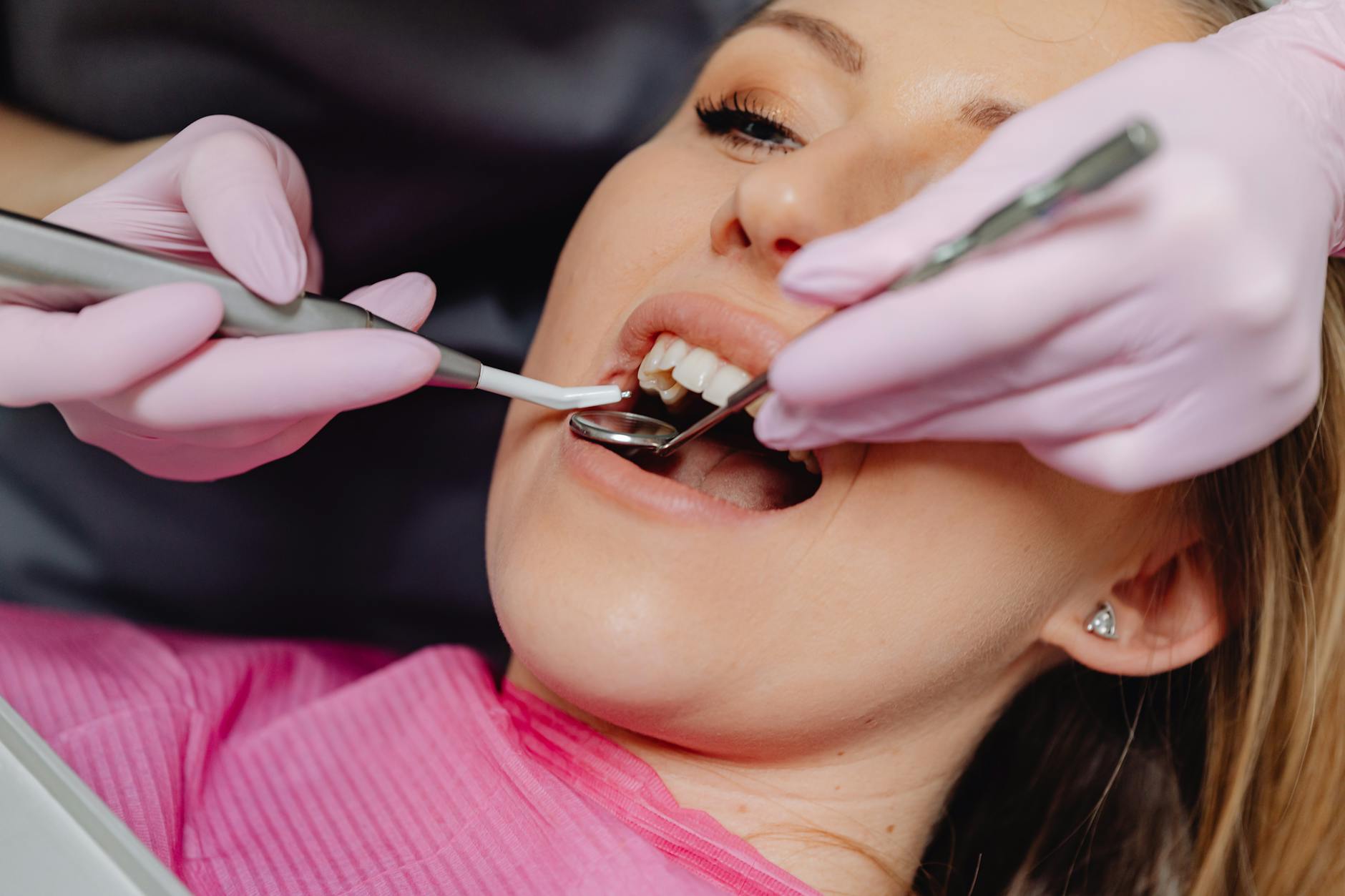
Knowing the ingredients is step one. Knowing how to use them in a logical sequence is what actually produces relief. The following protocol is based on published guidance from dental researchers and general clinical recommendations — it is not a substitute for advice from your own dentist, but it reflects the current consensus on managing teeth whitening sensitivity treatment at home.
Immediately After Whitening (0 to 2 Hours)
- Rinse with lukewarm water — not cold, not hot. Temperature extremes will aggravate tubules that are already open.
- Apply a sensitivity toothpaste containing potassium nitrate directly to the teeth with a clean finger or soft brush and leave it on for several minutes without rinsing. This "paint-on" technique increases contact time with the nerve.
- If you have access to a remineralizing gel (fluoride or nano-hydroxyapatite based), apply it in the whitening tray for 15–20 minutes immediately after treatment. Many dentist-supervised kits include this step as standard.
- Avoid eating or drinking anything for at least 30 minutes to allow the desensitizing ingredients to do their work without being washed away.
The First 24 Hours
- Stick to room-temperature foods and beverages. Cold water, iced drinks, and ice cream are the most common triggers during this window.
- Avoid highly acidic foods and drinks (citrus, sodas, vinegar-based dressings) — acids temporarily soften enamel and can keep tubules open longer.
- Brush gently with a soft-bristled toothbrush and a sensitivity-formulated toothpaste. Do not scrub; the goal is delivery of the active desensitizing ingredient, not mechanical cleaning force.
- Over-the-counter ibuprofen or acetaminophen, taken according to package directions, can help manage acute discomfort if it is significant. These are anti-inflammatory medications, not dental treatments — they address the symptom rather than the cause, but they are a reasonable short-term tool.
Days 2 Through 7 (Remineralization Phase)
- Continue twice-daily brushing with a sensitivity or remineralizing toothpaste for the full week, even after the acute pain fades.
- Consider a daily fluoride rinse as an added remineralization boost, especially if you plan to continue a whitening regimen.
- Drink through a straw when consuming cold beverages to minimize direct contact with tooth surfaces.
- Chew sugar-free xylitol gum for 10–20 minutes after meals. Xylitol stimulates saliva flow, which is your body's own remineralizing mechanism — saliva delivers calcium and phosphate ions to the tooth surface around the clock.
How to Reduce Whitening Sensitivity Before It Starts
Prevention is considerably more effective than recovery, and how to reduce whitening sensitivity is a question best answered before you open the whitening kit. The following preparation strategies have solid evidence behind them.
Pre-treat with a desensitizing toothpaste for two weeks. Starting a potassium nitrate or nano-hydroxyapatite toothpaste two weeks before your first whitening session gives those ingredients time to begin occluding tubules proactively. Your nerve threshold rises, and the tubule openings are smaller before any peroxide ever reaches them.
Choose a lower peroxide concentration. As a general rule, sensitivity scales with peroxide concentration and contact time. If you have sensitive teeth, teeth whitening for sensitive teeth tips from most dental organizations center on using lower-percentage hydrogen peroxide (6% or below for at-home strips and gels) for shorter sessions rather than pushing maximum concentration for maximum speed. Slower whitening with less sensitivity is a worthwhile trade for most people.
Do not whiten every day. Even if a product's instructions permit daily use, spacing sessions 48 hours apart gives your enamel time to partially remineralize between treatments. The cumulative oxidative load on your dentin is meaningfully lower, and the net whitening result over a two-week period is not significantly different.
Keep whitening trays well-fitted. Ill-fitting trays allow whitening gel to seep onto gum tissue, which causes a separate kind of irritation that compounds sensitivity. Custom trays from a dentist are ideal; if using stock trays, trim any excess material that contacts the gums.
A Buying Criteria Checklist for Sensitivity-Safe Whitening Products
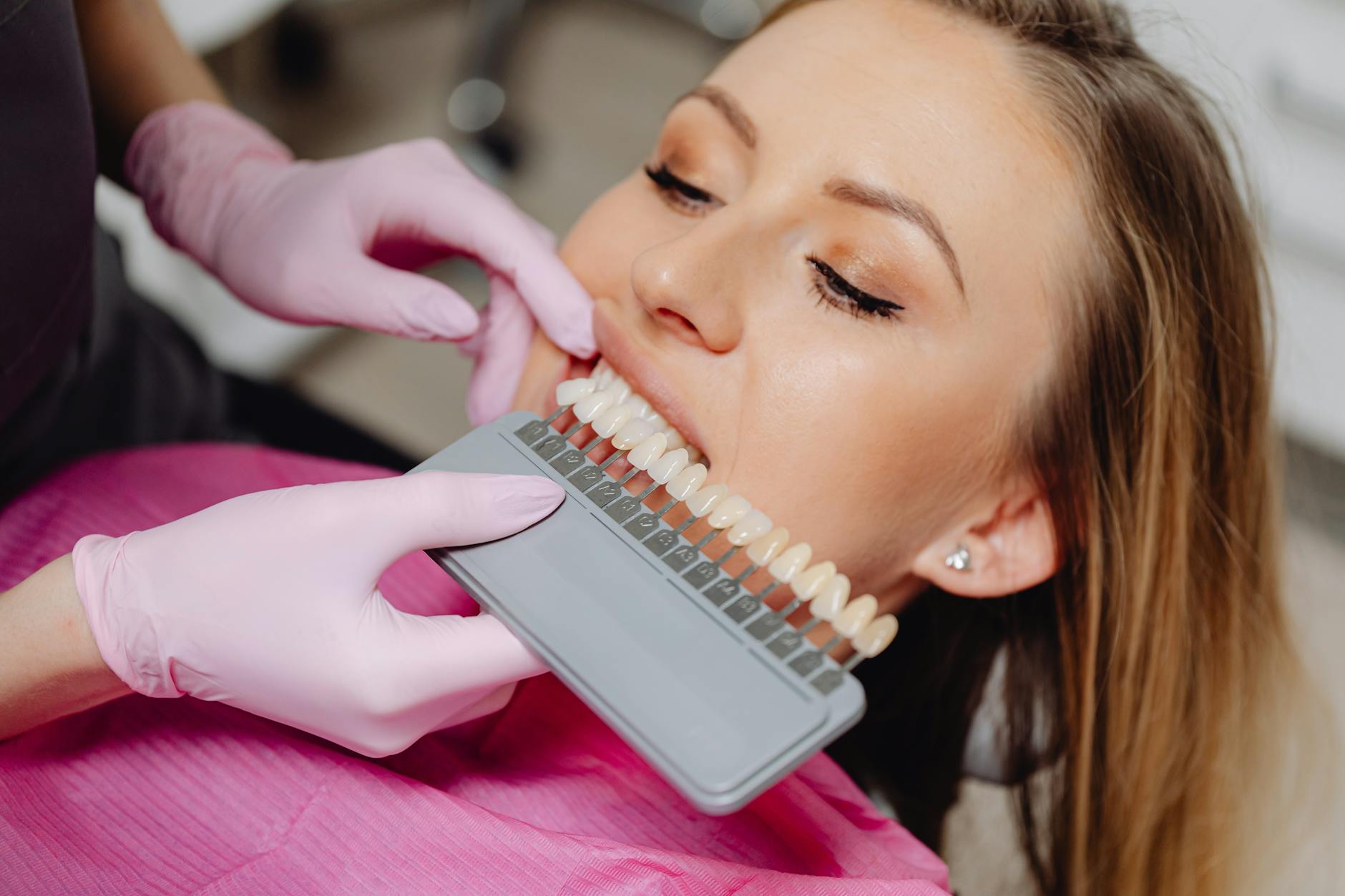
When shopping for whitening products, the ingredient list and product design tell you most of what you need to know about whether something is likely to cause significant sensitivity. Use this checklist as a filter before purchasing.
Sensitivity-Safe Whitening Product Checklist
- Peroxide concentration clearly labeled — prefer 6% hydrogen peroxide or below for at-home use if you have a sensitivity history.
- Includes a desensitizing agent — look for potassium nitrate (5%), sodium fluoride, or nano-hydroxyapatite in the active ingredients list.
- Recommended contact time of 30 minutes or less per session — longer dwell times correlate with greater tubule exposure.
- Tray or strip design that avoids gum contact — good physical design reduces soft-tissue irritation alongside chemical sensitivity.
- Provides or recommends a remineralizing post-treatment step — any brand that acknowledges sensitivity and includes a countermeasure is being honest about the chemistry.
- No claim of "zero sensitivity" without evidence — some sensitivity is the predictable result of peroxide chemistry; brands that deny this entirely may be using low peroxide concentrations (less effective) or making claims they cannot back up.
When to See a Dentist About Whitening Sensitivity
The vast majority of sensitive teeth after whitening cases are self-resolving and manageable at home. However, there are clear signals that professional evaluation is warranted.
See your dentist if sensitivity persists beyond 7 days without improvement, if pain is severe enough to disrupt sleep or daily activities, if you notice white spots or rough patches on the enamel surface after whitening (this can indicate enamel demineralization), or if you have pain in specific teeth rather than generalized sensitivity across all treated teeth (localized pain may indicate a cracked tooth or deep cavity that was irritated by the peroxide).
It is also worth having a baseline dental check-up before beginning any whitening regimen if it has been more than a year since your last cleaning. Active cavities, leaking fillings, and gum recession all amplify peroxide sensitivity dramatically — treating those issues first protects both your comfort and the long-term health of your teeth.
Frequently Asked Questions
Key Takeaways
Sensitive teeth after whitening is not a sign that something went catastrophically wrong — it is a predictable consequence of how peroxide chemistry interacts with dentinal tubules. Understanding that mechanism transforms it from a mysterious, scary experience into a manageable one with a clear solution path.
The short version: peroxide opens dentinal tubules, fluid movement inside those tubules stimulates the nerve, and the discomfort you feel is that nerve responding. Potassium nitrate calms the nerve directly. Fluoride and nano-hydroxyapatite physically plug the tubule openings. Giving your enamel 48 hours between treatments and using a desensitizing toothpaste before and after each session reduces both the frequency and severity of the problem significantly.
If you have been avoiding whitening because of a bad sensitivity experience in the past, the science genuinely supports trying again — just with more preparation, a lower peroxide concentration, and an active desensitizing protocol in place. The path to a brighter smile does not have to come with that familiar, wincing zing every time you breathe cold air.