What Is Peach Fuzz and Should You Actually Remove It? What Dermatologists Say
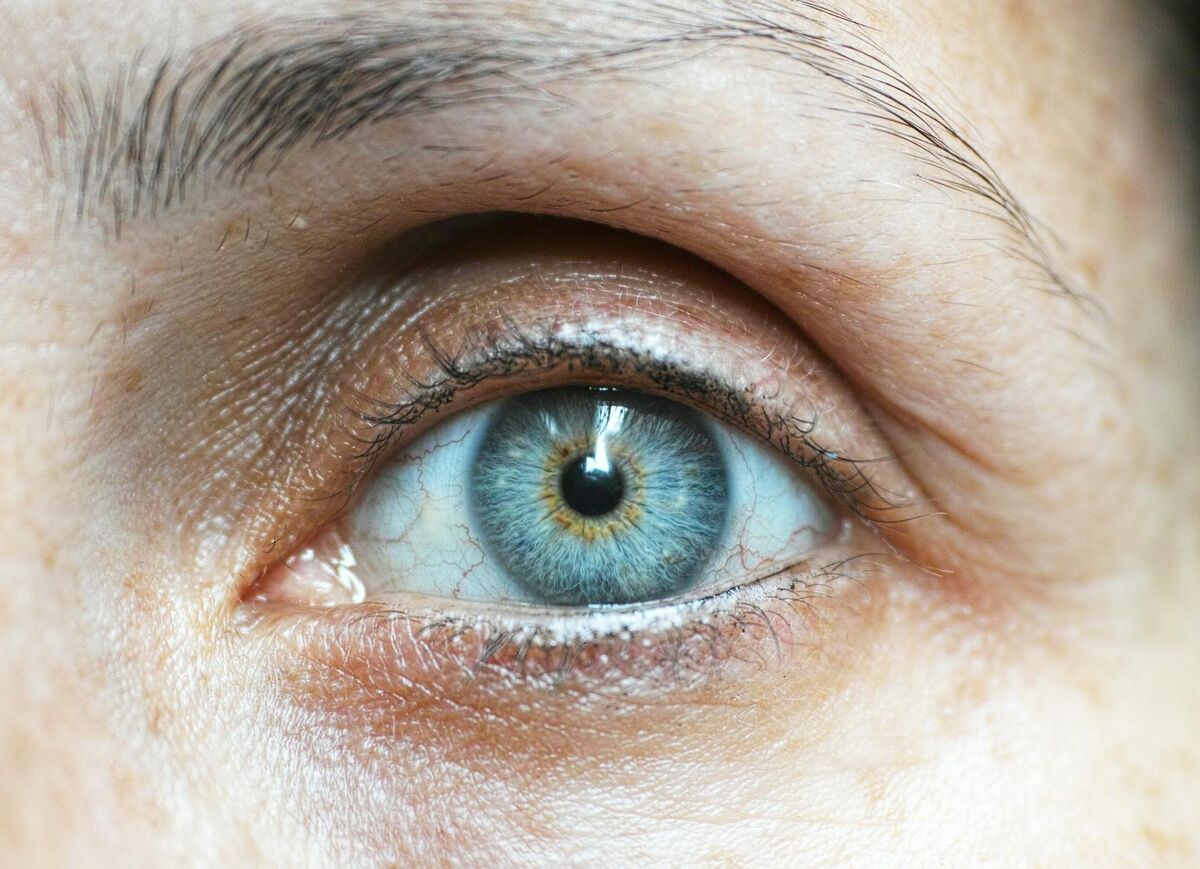
You glance in a magnifying mirror and suddenly notice a soft layer of fine, light hair covering your cheeks, chin, and upper lip. It's always been there — you just never paid much attention to it. Now you're wondering: is peach fuzz on face removal something you should actually do, or is it better left alone? More importantly, will it grow back darker and coarser if you touch it?
These are questions dermatologists hear constantly. And unfortunately, the internet is crowded with contradictory advice, old wives' tales, and beauty influencers who blur the line between fact and trend. This guide cuts through the noise with science-backed answers — so you can make an informed decision about your own skin.
What Exactly Is Peach Fuzz? Vellus Hair vs. Terminal Hair Explained
The soft, barely-there hair covering most of the human body is called vellus hair. It is fine, short, lightly pigmented (or almost colorless), and grows from shallow follicles that lack a connected sebaceous (oil-producing) gland. The nickname "peach fuzz" comes from its resemblance to the downy coating on a ripe peach — barely visible in regular light, but noticeable up close or in bright, raking light.
Vellus hair on face is entirely different from terminal hair, which is the thicker, darker, more deeply rooted hair on your scalp, eyebrows, or — after puberty — in other areas of the body. The two types of hair grow from structurally different follicles and are regulated by different hormonal signals. This distinction is critical to understanding the most persistent myth about facial hair removal.
Every person, regardless of sex, has vellus hair on their face. It serves a mild protective function — helping regulate skin temperature and providing a small buffer against dust and environmental particles. It is completely normal, common across all skin tones, and not a sign of any medical issue in most cases.
Why Do Some Women Have More Noticeable Facial Peach Fuzz?
The visibility and density of vellus hair on face varies considerably from person to person, and several factors explain why some women notice it more than others:
- Genetics: This is the single biggest driver. If your mother or grandmother had noticeable facial fuzz, there is a higher chance you will too. Follicle density and hair characteristics are largely inherited.
- Ethnicity: Research consistently shows that hair density, thickness, and growth patterns differ across ethnic backgrounds. Women of Mediterranean, Middle Eastern, and South Asian descent tend to have more visible facial vellus hair due to genetic predisposition.
- Hormones: Androgens (including testosterone) play a role in how vellus hair behaves. When androgen levels rise — during puberty, pregnancy, perimenopause, or due to conditions like polycystic ovary syndrome (PCOS) — vellus hairs can darken or thicken into a type called intermediate hair, somewhere between vellus and full terminal hair.
- Age: As estrogen levels decline with age, the relative influence of androgens increases, which can make facial hair more noticeable over time.
- Skin tone and hair color contrast: Darker hair against lighter skin is simply more visible — not more abundant. Women with naturally darker hair may perceive their facial fuzz as more prominent even when the quantity is similar.
If you have recently noticed a significant and rapid increase in facial or body hair, it is worth mentioning to a doctor. In rare cases, it can indicate a hormonal imbalance that deserves attention. However, for the vast majority of women, facial peach fuzz is simply a normal biological feature.

The Biggest Myth Debunked: Does Removing Peach Fuzz Make It Grow Back Thicker?
This is the question that keeps most people from trying peach fuzz removal methods in the first place — and the good news is that dermatologists are emphatic: removing vellus hair does not cause it to grow back thicker, darker, or faster. This is one of the most thoroughly studied and consistently debunked myths in dermatology.
The misconception traces back to a 1928 study (yes, nearly a century old) that suggested shaving affected hair regrowth. Subsequent decades of controlled research have completely overturned this claim. A landmark 1970 study published in the Journal of Investigative Dermatology found no measurable difference in hair thickness, color, or growth rate after shaving. Multiple studies since have confirmed the same conclusion.
Here is the biology that explains why: hair thickness is determined by the shape and size of the follicle, which sits entirely below the skin's surface. Removing hair at the surface — whether by shaving, waxing, dermaplaning, or threading — has no physical effect on the follicle itself. The follicle does not "know" it has been cut; it simply continues its programmed growth cycle unchanged.
What can create the illusion of thicker regrowth is the blunt, flat tip that shaving leaves on a hair shaft. When a hair grows back after shaving, its cut end initially feels stubbly or appears darker simply because it lacks the natural tapered tip it had before. Within a week or two, as the hair grows longer, it returns to its normal soft, fine appearance. The follicle itself is unaltered.
The only methods that can genuinely and permanently change hair growth are those that damage or destroy the follicle — namely laser hair removal and electrolysis. Every surface removal method (dermaplaning, waxing, threading, shaving) leaves the follicle intact and therefore cannot alter the hair's inherent characteristics.
Potential Benefits of Removing Facial Peach Fuzz
Whether to remove facial vellus hair is entirely a personal choice, and there are legitimate aesthetic and functional reasons some people choose to do so:
- Smoother makeup application: Foundation, concealer, and powder can catch on fine hairs, creating a slightly uneven or "fuzzy" finish — sometimes called the "peach fuzz effect" in makeup. Removing facial hair allows cosmetics to sit flat against the skin surface.
- Improved product absorption: Some dermatologists suggest that skincare products such as serums and moisturizers may penetrate more effectively when applied directly to hair-free skin, though the scientific evidence here is modest.
- Brighter, more even skin tone: Dermaplaning in particular removes not just vellus hair but also the outer layer of dead skin cells (the stratum corneum). This dual exfoliation effect can leave skin looking temporarily brighter and more radiant.
- Personal comfort and confidence: For many people, how their skin looks and feels directly affects their self-confidence. There is nothing wrong with choosing removal for aesthetic reasons.
Potential Risks and Downsides to Be Aware Of
Should you remove facial peach fuzz? To answer that, it helps to weigh the potential downsides alongside the benefits. No hair removal method is completely without risk:
- Skin irritation: Any mechanical contact with the skin — especially waxing and threading — can cause temporary redness, sensitivity, or minor inflammation. People with rosacea, eczema, or very sensitive skin may find these reactions more pronounced.
- Breakouts: Disrupting the skin barrier, even temporarily, can sometimes trigger acne flares in acne-prone individuals. Waxing is particularly associated with this risk since it pulls at the skin more aggressively.
- Cuts and nicks: Shaving the face, especially without proper technique or the right tools, carries a risk of minor cuts. Using a clean, sharp blade reduces this risk significantly.
- Ingrown hairs: More common with waxing than with dermaplaning or shaving, ingrown hairs occur when a removed hair grows back into the skin rather than outward. They are generally minor but can be uncomfortable or unsightly.
- Hyperpigmentation: For people with darker skin tones (Fitzpatrick types IV–VI), certain aggressive removal methods can trigger post-inflammatory hyperpigmentation — a temporary darkening of the skin. This is most relevant for laser treatments if not performed with the correct equipment and settings for deeper skin tones.
- Cost: Professional treatments like laser hair removal or regular professional dermaplaning sessions involve ongoing financial investment.
All Peach Fuzz Removal Methods: A Science-Based Overview
There are several peach fuzz removal methods available, ranging from at-home options to professional clinic treatments. Each has a different mechanism, longevity, and risk profile:
Dermaplaning
Dermaplaning uses a sterile surgical-grade scalpel or a specialized facial razor held at a 45-degree angle to gently scrape the surface of the skin, removing vellus hair and the outermost dead skin cell layer simultaneously. When performed by a licensed aesthetician or dermatologist, it is considered one of the safest and most effective methods for facial peach fuzz removal. Results last approximately three to four weeks. At-home dermaplaning tools are widely available, though the risk of nicks is higher without professional training.
Facial Shaving
A step below professional dermaplaning, facial shaving with a dedicated facial razor or safety razor is a simple, inexpensive at-home option. It removes hair at the skin's surface only, with no exfoliation benefit. Results last one to two weeks. As established above, shaving does not cause thicker regrowth — the blunt cut simply feels different until the hair grows out.
Threading
Threading uses a twisted cotton thread to capture and pull hairs from the follicle at the root. It is more precise than waxing and is widely used for eyebrow shaping, but can be applied to other facial areas. Since it removes hair from the root, results can last four to six weeks. It carries a moderate risk of redness and is not recommended for people with very sensitive or reactive skin.
Waxing
Both warm wax and cold wax strips pull hair from the root, similar to threading. Waxing covers larger areas more quickly but is generally considered more aggressive on the skin. It carries a higher risk of irritation, breakouts, and temporary skin lifting — particularly with hot wax — and is generally not recommended for people using retinoids, exfoliating acids, or certain acne medications, as these can increase skin sensitivity and tearing risk.
Laser Hair Removal
Laser treatment targets the melanin (pigment) in hair follicles, using heat to damage or destroy the follicle so it can no longer produce hair. It is the most effective long-term option for reducing hair growth, but it is also the most expensive and requires multiple sessions (typically six to eight). Critically, traditional laser technology works best on dark hair against light skin. People with lighter or white vellus hair — which is common since peach fuzz is often lightly pigmented — may not see the same results, as there is insufficient melanin for the laser to target effectively.
Electrolysis
Electrolysis is the only FDA-recognized method of permanent hair removal. It works by inserting a fine probe into each individual follicle and delivering a small electrical current to destroy the follicle's growth cells. Because it works follicle-by-follicle, it is time-intensive and better suited for small, targeted areas. Unlike laser, it works on all hair and skin colors. It is rarely used for full-face peach fuzz removal due to the time required.
Depilatory Creams
Chemical depilatories use alkaline compounds (typically thioglycolate-based) to break down the protein structure of the hair shaft, allowing it to be wiped away. They work at the surface level (like shaving) and results last one to two weeks. Many formulations can be irritating or cause allergic reactions — always perform a patch test before applying to the full face, and look for formulations specifically labelled for facial use, as body depilatories are often too strong for facial skin.
What Dermatologists Actually Recommend
Board-certified dermatologists generally take a pragmatic, patient-centered view on should you remove facial peach fuzz. The consensus position from dermatology experts is broadly as follows:
- There is no medical reason to remove peach fuzz if it is not bothering you. Vellus hair is a normal, harmless feature of human skin.
- If you choose to remove it, dermaplaning is consistently cited as one of the better options for facial skin due to its dual hair-removal and exfoliation benefit and its relatively low irritation profile when done correctly.
- People with active acne should avoid waxing and dermaplaning over broken skin, as this can worsen inflammation and spread bacteria.
- Retinoid and AHA/BHA users should be cautious — these treatments thin and sensitize the skin barrier. Most dermatologists recommend pausing actives for at least 48 to 72 hours before and after any mechanical or wax-based removal.
- There is no need to stop and restart cycles — unlike the myth suggests, regular removal does not create a dependency or worsen the hair over time.
- For people noticing sudden or significant increases in facial hair, dermatologists recommend ruling out hormonal causes (such as PCOS or adrenal issues) before focusing purely on removal methods.
Who Should and Shouldn't Remove Facial Peach Fuzz
Understanding who is a good candidate for peach fuzz on face removal helps set realistic expectations and avoid unnecessary irritation:
Good candidates for removal include:
- People who want smoother makeup application or a cleaner skin texture
- Those with normal-to-dry or combination skin without active breakouts
- Anyone bothered by visible facial fuzz for aesthetic or personal reasons
- People seeking an at-home dermaplaning or exfoliation routine
People who should approach removal cautiously or avoid it include:
- Those with active acne, open blemishes, or cystic breakouts (mechanical removal can worsen inflammation)
- People with diagnosed rosacea or extremely reactive, sensitive skin
- Anyone currently using isotretinoin (Accutane) — dermatologists strongly advise avoiding all mechanical removal methods during and for several months after treatment
- People with skin conditions such as psoriasis or eczema affecting the face — removal can disrupt already-compromised skin barriers
- Individuals with a history of keloid scarring should consult a dermatologist before trying any new removal method
Key Takeaways
Facial peach fuzz — formally known as vellus hair — is a completely normal part of human skin biology. It varies in visibility based on genetics, ethnicity, hormones, and the contrast between hair color and skin tone. Here is what the science and dermatological consensus actually tell us:
- The "grows back thicker" myth is false. Removing surface hair cannot alter the follicle structure below the skin. Decades of research confirm this unambiguously.
- There is no medical obligation to remove it. Vellus hair is harmless. The decision is purely personal and aesthetic.
- If you choose to remove it, dermaplaning is widely considered the most beneficial method for facial skin, combining hair removal with gentle exfoliation.
- Waxing and depilatory creams carry the highest irritation risk and should be avoided by those with sensitive or reactive skin.
- Laser hair removal is less effective on light-colored vellus hair since the laser needs pigment to target — making it a less ideal choice for typical peach fuzz.
- Anyone with a recent or sudden increase in facial hair should consult a doctor to rule out an underlying hormonal condition before focusing on cosmetic solutions.
- People using active skincare ingredients (retinoids, AHAs, BHAs) should pause use around any removal sessions to avoid over-sensitizing the skin barrier.
Ultimately, the choice to remove facial peach fuzz is yours — and it is neither medically necessary nor medically harmful for most people. Armed with the facts, you can choose a method that suits your skin type, lifestyle, and comfort level with confidence.