Travel Safety Checklist: How to Protect Your Cards and Identity Abroad
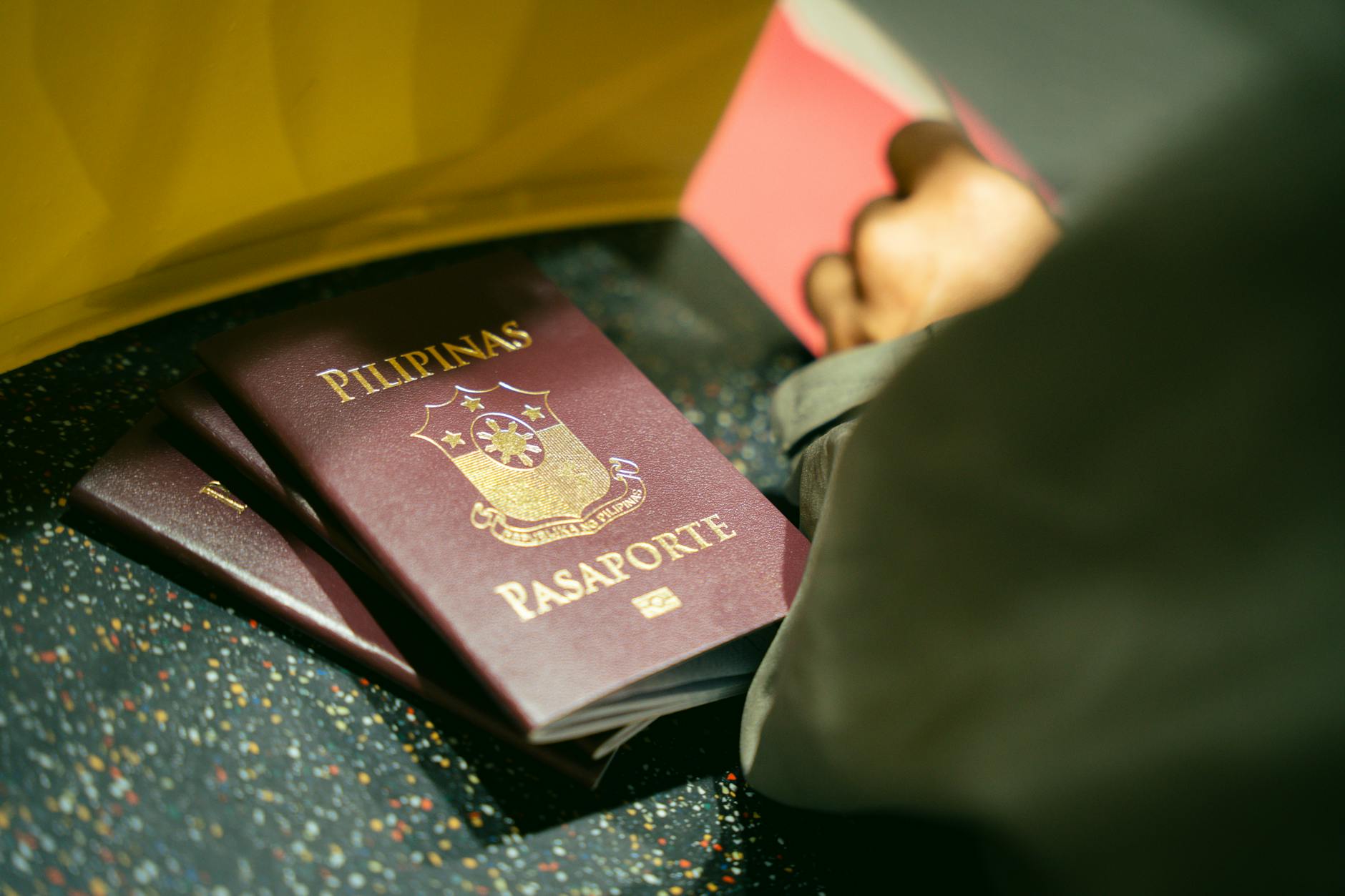
International travel opens up the world — but it also opens up new vulnerabilities. Pickpockets, card skimmers, digital eavesdroppers, and opportunistic thieves all tend to congregate in the same places tourists do. Knowing the right travel safety tips for cards and personal documents before you leave home can be the difference between a seamless trip and a financial nightmare thousands of miles from home.
This guide covers everything: what to do before you pack your bags, how to stay secure in transit, how to protect yourself at your destination, and what to do if something goes wrong. Bookmark it, print it, or run through it before every trip.
Before You Leave: Pre-Trip Security Checklist
Most travel-related identity theft starts before the trip even begins — through poor preparation rather than bad luck at the destination. Taking an hour to get your documents and accounts in order before departure dramatically reduces your exposure.
- Make digital and physical copies of your passport. Photograph the data page and email it to yourself. Store a PDF in a secure cloud account (not just on your phone). Leave a printed copy with someone at home.
- Note your card numbers and issuer phone numbers separately. If your wallet is stolen, you need to be able to cancel cards immediately. Keep a secure note (encrypted, not a plain text file) with card numbers, expiry dates, and the international collect-call numbers for your card issuers.
- Notify your bank and card issuers of your travel dates. Many banks will automatically flag and freeze foreign transactions as fraud. A quick call or app notification prevents your card from being declined at a critical moment.
- Enable transaction alerts on every card. Real-time SMS or push notifications let you catch unauthorized charges within minutes rather than weeks.
- Set up a travel-only email address. Use a fresh email for booking confirmations, hotel registrations, and anything travel-related. This limits exposure if one account is compromised.
- Check your passport expiry date — and the destination's entry rules. Many countries require 6 months of validity beyond your travel dates. An expired or near-expiry passport is its own kind of crisis.
- Review your travel insurance. Confirm whether it covers identity theft assistance, emergency card replacement, and card fraud reimbursement.
Understanding RFID Risks: What Travelers Need to Know
RFID blocking for travelers has become a widely discussed topic — but it helps to understand what the actual threat is before deciding how seriously to take it.
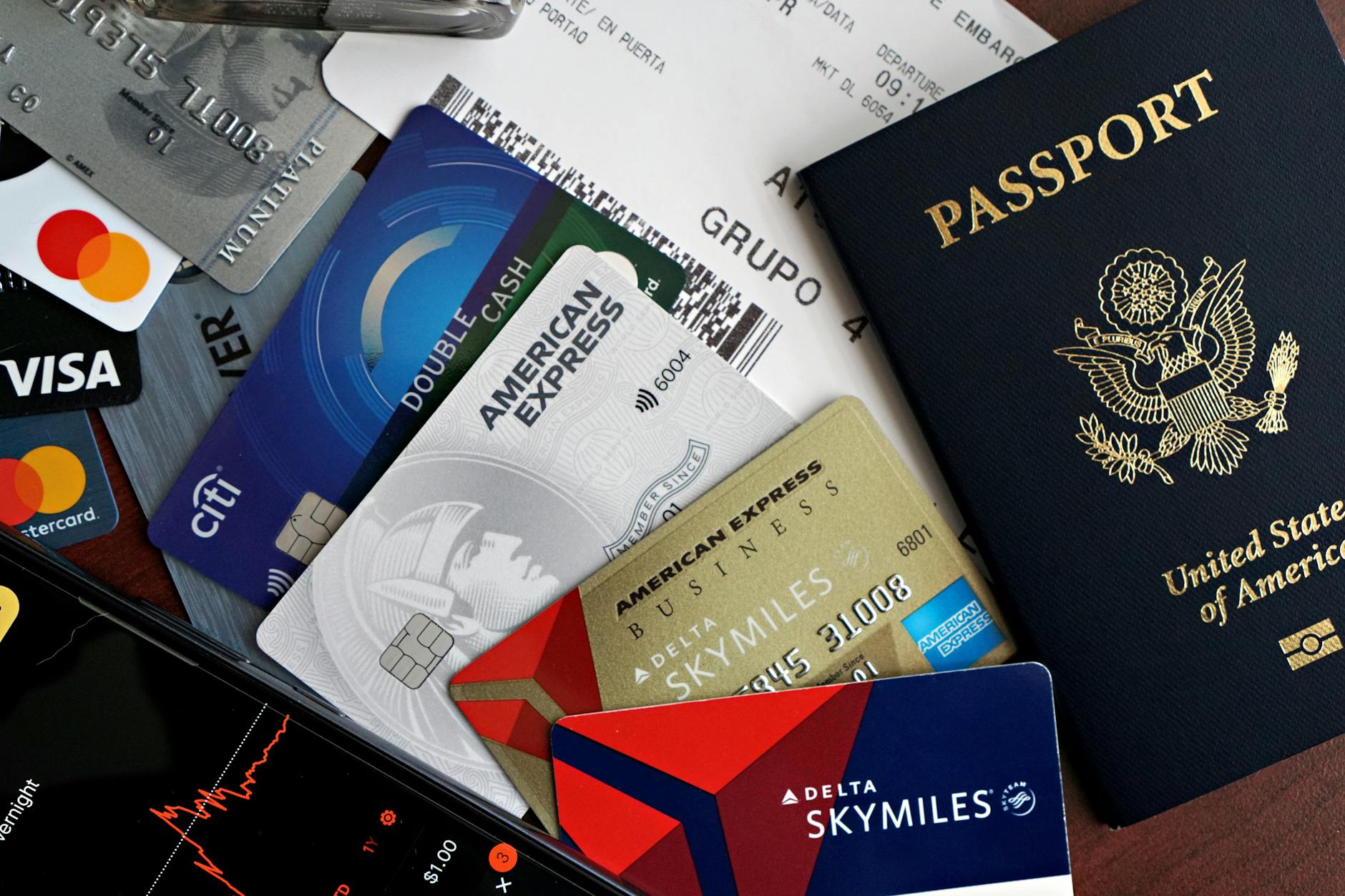
Modern contactless credit cards, debit cards, and passports (issued after 2007 in most countries) contain RFID (Radio Frequency Identification) or NFC (Near Field Communication) chips. These chips allow you to tap-to-pay at terminals or let border agents scan your document without opening it. In theory, a bad actor with an RFID reader could scan your card or passport chip from a short distance in a crowd.
In practice, the real-world risk from passive RFID skimming is low but not zero. Most modern payment chips are encrypted and tokenized, meaning a skimmed signal does not yield a usable card number for in-person transactions. However, older cards and some passport chips can leak more data than they should — including your name, nationality, and document number.
The more meaningful risk with contactless cards is tap-to-pay fraud at tampered terminals, not passive skimming in a crowd. Still, passport RFID protection is a reasonable precaution, particularly in high-density transit environments like subway systems, busy airports, and tourist markets.
Practical steps for managing contactless risk:
- Store contactless cards in an RFID-blocking sleeve or wallet compartment when not in use. These are inexpensive and widely available.
- Keep your passport in an RFID-blocking passport holder, especially in markets, festivals, or dense crowds.
- Be aware of who is physically close to you when you have your wallet or bag open.
- Use Apple Pay, Google Pay, or your bank's contactless app where possible — tokenized mobile payments are significantly more secure than physical card taps.
- Disable contactless payment on cards you rarely use, if your bank allows it.
How to Protect Credit Cards While Traveling
Knowing how to protect credit cards while traveling goes well beyond buying a new wallet. Card security abroad involves both physical precautions and digital habits.
Physical Card Security
- Carry only what you need. Leave extra cards at the hotel safe (more on that below). Travel with one primary travel card and one backup — that is it.
- Never let your card out of your sight. In many countries, the practice of taking your card to a back room to process is normal — in others, it is a skimming setup. If possible, always go to the terminal with your card or use chip-and-PIN directly at the table.
- Inspect card readers before using them. ATM skimmers and POS terminal overlays are a real threat in popular tourist destinations. Wiggle the card slot. If anything feels loose, moves, or looks freshly glued, walk away.
- Cover the keypad when entering your PIN. Even if there is no visible camera, a shoulder surfer can memorize a PIN in seconds. Use your free hand or body to block the view every single time.
- Keep cards in a front pocket or inner bag compartment. Rear pockets and outer bag pockets are the first places pickpockets target.
Digital Card Security
- Avoid public Wi-Fi for banking. Coffee shops, hotel lobbies, and airport lounges are prime interception points. If you must check your account, use your mobile data connection or a VPN.
- Use a reputable VPN on all devices. A VPN encrypts your connection and prevents man-in-the-middle attacks on open networks. Enable it the moment you connect to any public or hotel Wi-Fi.
- Enable two-factor authentication on all financial accounts. Before you travel, make sure the 2FA method works internationally — some SMS codes fail to deliver overseas. An authenticator app is more reliable than SMS.
- Do not save card details in unfamiliar websites or apps. If you need to book something abroad, use your card once and do not allow the site to store your details.

ATM Safety Abroad: A Practical Guide
ATMs are one of the highest-risk touchpoints for travelers. Card skimming devices, hidden cameras, and distraction-based theft at cash machines are common in high-tourism areas globally. Follow these steps every time.
- Use bank-branded ATMs inside bank branches during business hours. Street-facing ATMs, machines in bars, convenience stores, or tourist kiosks carry a significantly higher skimming risk.
- Inspect the machine before inserting your card. Look at the card slot, the keypad, and the area around the screen. Skimming overlays are often slightly misaligned, feel plasticky, or wobble when touched.
- Shield your PIN — always. Use your body and non-dominant hand to block the keypad. This defeats the most common ATM camera setups.
- Decline "dynamic currency conversion." Many foreign ATMs will offer to charge you in your home currency instead of the local one, framed as a convenience. This almost always means a poor exchange rate and an extra fee. Always choose to be charged in the local currency.
- Withdraw larger amounts less frequently. Each ATM visit is an exposure point. Fewer visits means fewer skimming opportunities. Just be sensible about how much cash you carry at once.
- Be aware of your surroundings. If someone stands unusually close, offers unsolicited help, or seems to be watching you, cancel the transaction, take your card, and leave.
- Check your account balance immediately after each withdrawal. If your card was skimmed, you want to catch duplicate or unauthorized charges within hours, not days.
Hotel and Accommodation Safety
Your hotel room is not as secure as it feels. Hotel safes, room keys, and digital door locks all come with vulnerabilities that travelers rarely think about.
- Use the hotel safe for valuables you are not carrying. Store your backup card, extra cash, and a copy of your passport in the in-room safe. Change the default PIN immediately — many travelers forget to and leave the factory code (often "0000" or "1234") in place.
- Do not leave cards or cash visible on surfaces. Even with a "Do Not Disturb" sign, rooms can be accessed. Keep valuables out of sight and preferably locked away.
- Be cautious with hotel Wi-Fi. Hotel networks are shared environments. Use a VPN for any sensitive browsing, including email and banking.
- Do not hand your passport to hotel staff unless legally required. In some countries, hotels are required to photocopy your passport at check-in. This is legitimate. However, be wary of any request to hold your original passport as a deposit or guarantee — in most countries this is not legal and it is a red flag.
- Watch out for juice jacking at USB charging ports. Public USB charging stations in hotels, airports, and lounges can be tampered with to inject malware or harvest data. Use your own charger and a wall socket, or carry a USB data blocker.
Identity Theft While Traveling: What to Watch For
Identity theft while traveling does not always look like a dramatic heist. More often it is a series of small, easily overlooked exposures that compound over time. Knowing the warning signs helps you respond quickly.
Common methods used by identity thieves targeting tourists:
- Phishing via fake hotel or airline communications. Scammers send emails that appear to come from your hotel or carrier, asking you to confirm personal or payment details. Always verify by calling the official number directly.
- Shoulder surfing in crowded transit. Someone watching over your shoulder as you enter passwords, PINs, or card details. Minimize sensitive phone activity in crowded spaces.
- Fake Wi-Fi hotspots. A network named "Hotel_Lobby_Free" or "Airport_Guest" may be a rogue access point. Confirm the exact network name with staff before connecting, and use a VPN regardless.
- Document theft from bags and pockets. Passport theft is particularly damaging because replacing a passport abroad is time-consuming and expensive. Use a concealed travel pouch worn under clothing for your passport in very high-risk environments.
- Corrupt or compromised card terminals. Especially in tourist-heavy restaurants and market stalls. Prefer cash in markets and use cards only at reputable, busy establishments with visible security.
Warning signs your identity may already be compromised:
- Unfamiliar small charges appearing on your card (thieves often test with micro-transactions first)
- Unusual login alerts from your email or bank app
- Card declined for no apparent reason (could indicate your bank spotted suspicious activity)
- Receiving OTP codes you did not request
In-Transit Security: Airports, Trains, and Border Crossings
Transit environments — particularly airports and train stations — are where most opportunistic theft occurs. Your attention is divided, you are often tired, and you are surrounded by strangers in close quarters.
- Keep your passport and boarding pass in a single, consistent location. Fumbling through multiple pockets at security checkpoints is when things get dropped or left behind.
- Never put your passport in a bin at airport security. Hold it in your hand until you are through the scanner and have collected your other belongings.
- Use a cross-body bag or a bag that clips shut. Open-top totes and backpacks are easy targets in crowded transit. A bag you can hold against your body with a zip or clasp closure is significantly more secure.
- Do not charge your phone at public USB stations without a data blocker. Airports are a high-risk environment for juice jacking.
- Be alert immediately after clearing security. The post-screening scramble — repacking your bags, putting shoes back on, gathering your belongings — is a prime moment for distraction theft.
- At border crossings, only present documents the officer requests. Handing over multiple documents simultaneously increases the risk of one being retained or going missing in the exchange.
If Something Goes Wrong: Emergency Response Steps
Even with the best preparation, things sometimes go wrong. Knowing exactly what to do in the first hour after a theft or compromise dramatically limits the damage.
- Cancel compromised cards immediately. Use the international phone numbers you noted before departure, or log into your bank app. Most issuers can cancel and reissue to a local address or activate a digital card within hours.
- File a police report. Even if recovery is unlikely, a police report number is required for travel insurance claims, card fraud disputes, and emergency passport replacement.
- Contact your country's embassy or consulate if your passport is stolen. They can issue an emergency travel document. Bring your digital passport copy — it speeds up the process considerably.
- Alert your bank's fraud team — not just the card cancellation line. Flag the specific transactions you did not authorize and ask for a fraud investigation to be opened.
- Change passwords on any accounts you accessed on a potentially compromised network. Do this from a clean, trusted device, not a hotel business center computer.
- Monitor your credit reports for the next 12 months. Identity theft often surfaces weeks or months after the initial breach. Most countries offer free credit monitoring services — use them.
Key Takeaways
Keeping your cards and identity safe while traveling is less about expensive gear and more about consistent habits. The most important travel safety tips for cards come down to a simple principle: reduce the number of times your information is exposed, and react immediately when something feels off.
Here is the short version to remember:
- Prepare before you leave — copies, alerts, bank notifications, and a secure note with card details
- Use RFID-blocking sleeves for cards and passports in dense crowds
- Use bank-branch ATMs, shield your PIN every time, and decline dynamic currency conversion
- Never let your card leave your sight during payment
- Use a VPN on all public and hotel Wi-Fi connections
- Keep only what you need in your wallet; secure the rest in the hotel safe
- Know the international emergency numbers for your card issuers before you leave
- Respond within the first hour if anything is lost or compromised
Travel should be one of life's great experiences — and a bit of preparation means you can focus on exploring, not on damage control. Pack these habits alongside your passport, and you will be in far better shape than the average tourist.
Quick Reference: Pre-Travel Security Checklist
Copy your passport • Set up transaction alerts • Notify your bank • Enable 2FA on financial accounts • Download a VPN • Note emergency card cancellation numbers • Pack RFID sleeves • Confirm travel insurance covers identity theft • Leave copies of documents with someone at home