Travel Hygiene Essentials: How to Keep Your Toiletries Clean on the Road
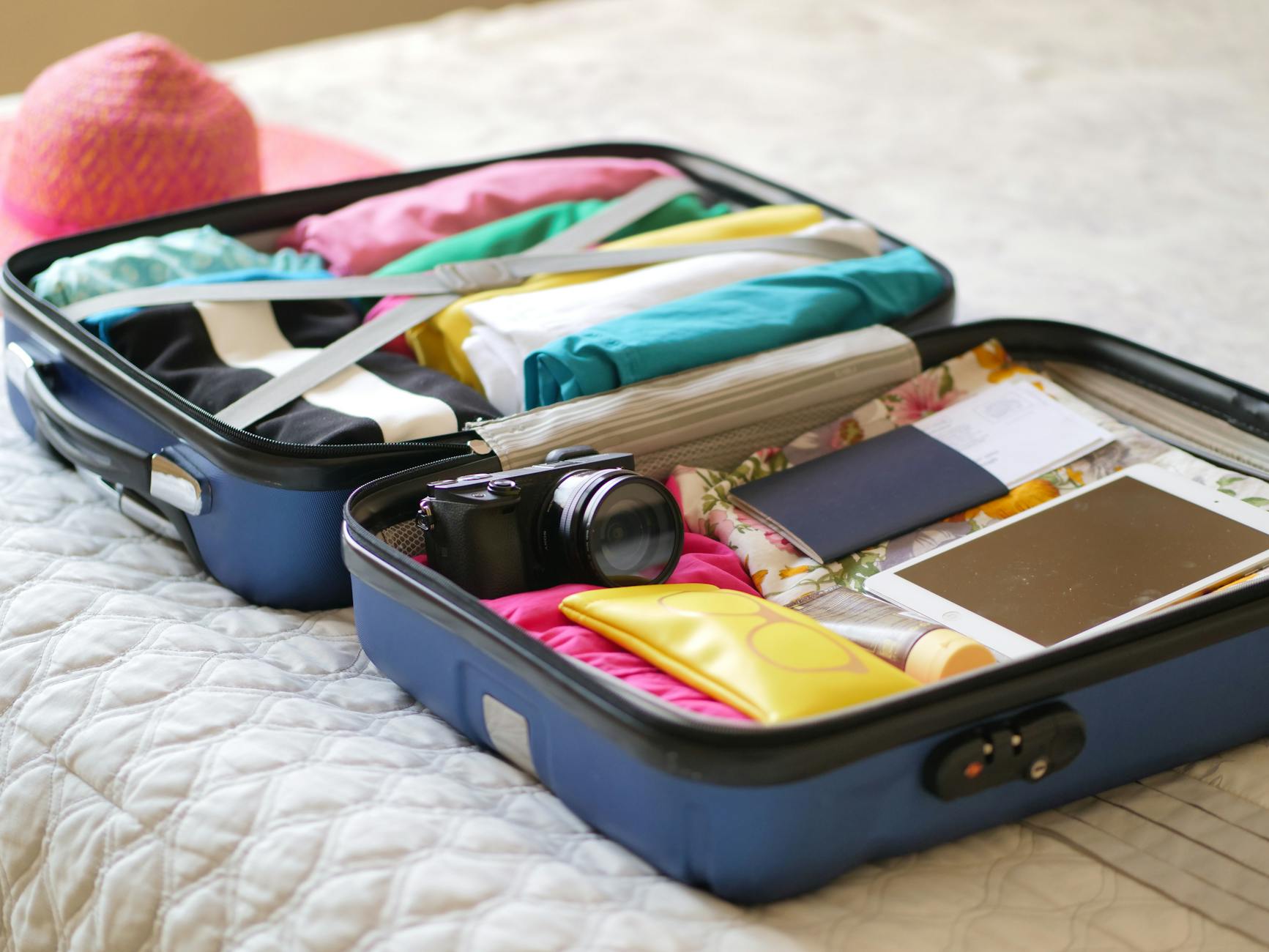
Whether you are boarding a long-haul flight or checking into your fifth hotel room of the month, travel hygiene tips are some of the most overlooked pieces of advice in any traveler's toolkit. You plan your itinerary, pack your outfits, and research restaurants — but how much thought goes into keeping your toiletries genuinely clean and safe? From airplane tray tables teeming with bacteria to hotel bathroom countertops that look spotless but are rarely disinfected between guests, the hygiene challenges of travel are real and worth taking seriously.
This guide covers everything you need to know about travel toiletry hygiene: the hidden risks lurking in shared spaces, how to protect your most-used items, and a practical packing strategy to keep contamination at bay from the moment you leave home to the moment you return.
The Hidden Hygiene Risks of Travel
Before diving into solutions, it helps to understand exactly where the risks come from. Travelers are exposed to a unique combination of high-traffic surfaces, unfamiliar water sources, and communal environments that simply do not exist at home.
Hotel Bathroom Contamination
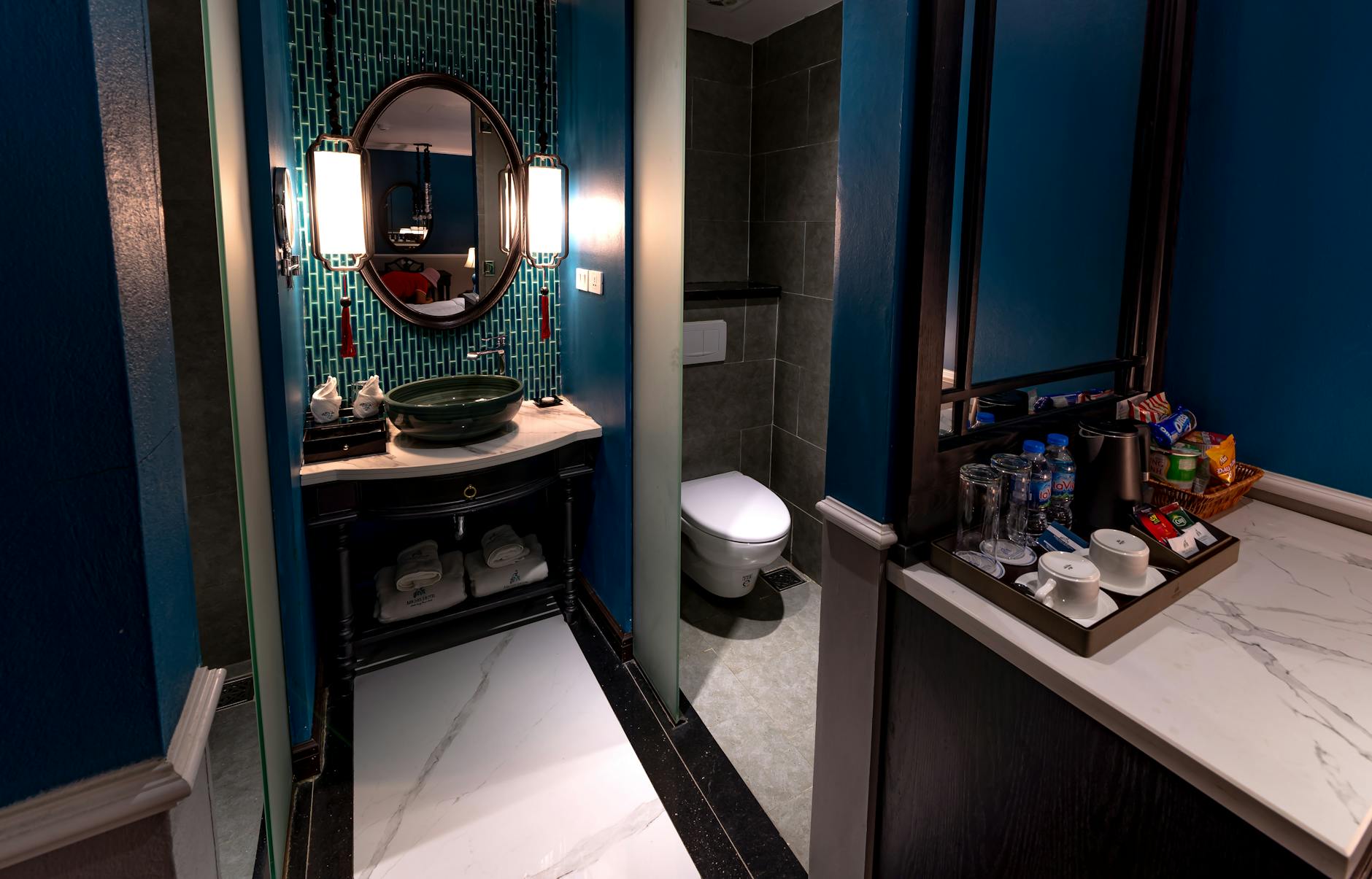
Hotel bathrooms are cleaned between guests, but "cleaned" does not always mean disinfected. Studies have consistently found traces of fecal matter on hotel bathroom surfaces including countertops, faucet handles, and yes — the toilet flush mechanism. When you set your toothbrush directly on the counter, or leave your razor resting on the sink edge, you are potentially exposing them to whatever the previous occupant left behind.
The proximity of the toilet to the sink is a particular concern. Every flush without a closed lid creates an aerosol spray — often called a "toilet plume" — that can travel up to six feet and settle on nearby surfaces. In a compact hotel bathroom, your toiletries are often well within that range.
Airplane Germs and Transit Risks
Airplane cabins have low humidity, recycled air, and surfaces touched by hundreds of passengers per day. Tray tables have been found to carry more bacteria per square inch than toilet flush buttons. If you rest your toiletry bag on a tray table, the floor, or an airport restroom counter — and then reach into it without washing your hands — you are creating a direct transfer path to your personal care items.
Airports and train stations pose similar risks through their public restrooms. Running water splashes on countertops, other travelers rest their bags nearby, and humidity encourages bacterial growth in any item left damp — like a toothbrush that was not fully dried before being packed.
Shared Accommodations
Hostels, vacation rentals, and shared lodging introduce additional variables: shared bathrooms, communal shelves, and other guests whose hygiene habits you cannot verify. In these settings, leaving any toiletry item on a shared surface — even briefly — creates meaningful contamination risk.
Essential Travel Hygiene Items to Pack
Building a hygienic travel kit does not require expensive gear. The fundamentals are practical and affordable, and most experienced travelers already carry several of these items without thinking much about why they matter.
- A hard-shell or ventilated toothbrush case — protects bristles from surface contact while allowing airflow to prevent moisture buildup
- Antibacterial or disinfecting wipes — for wiping down bathroom countertops before placing any items on them
- Travel-size hand sanitizer (at least 60% alcohol) — for before and after handling toiletries in transit environments
- Waterproof zip pouches or silicone bags — for separating wet items from dry items inside your main toiletry bag
- A small hanging toiletry organizer — keeps everything off contaminated surfaces entirely
- Individual razor covers or a hard case — prevents blade exposure and cross-contamination inside your bag
- Travel-size alcohol wipes or isopropyl swabs — useful for wiping down tools like tweezers, nail clippers, and metal accessories
- A microfiber or quick-dry towel — eliminates reliance on hotel towels for drying personal items
How to Keep Your Toothbrush Clean While Traveling
Knowing how to keep your toothbrush clean while traveling is arguably the single most important piece of travel toiletry hygiene advice. Your toothbrush goes directly into your mouth twice a day, making it the highest-risk item in your kit.
Use a Ventilated Toothbrush Case
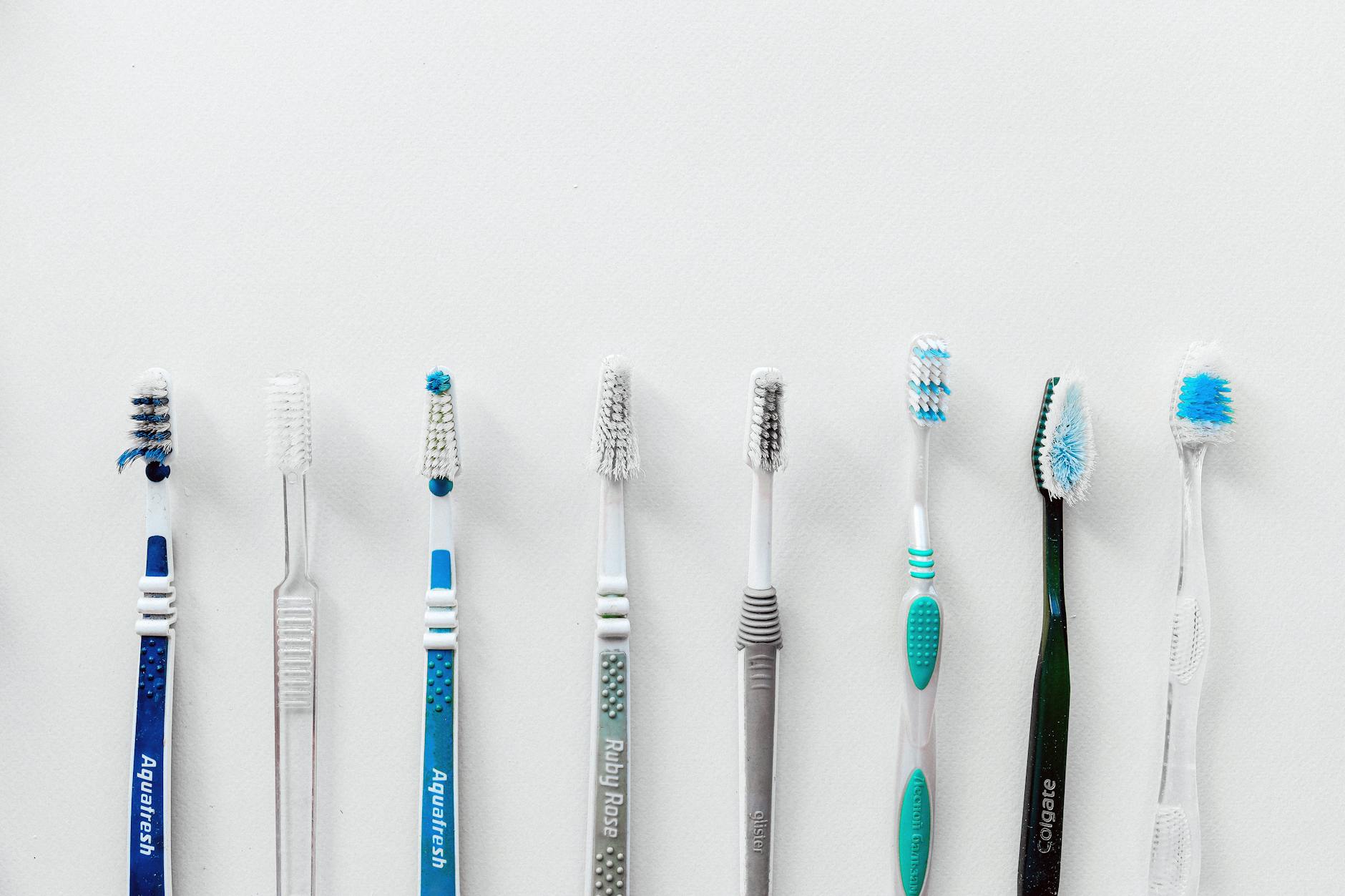
A toothbrush case for travel is non-negotiable. However, not all cases are created equal. Solid snap-shut cases trap moisture and create an anaerobic, humid environment that is ideal for bacterial growth. Look for cases with ventilation holes that allow air circulation, even minimal airflow helps your bristles dry between uses. If your only option is a solid case, leave the lid slightly ajar during periods when you are not transporting it.
Allow It to Air Dry Before Casing It
After brushing, rinse your toothbrush thoroughly and shake off as much water as possible. Let it stand bristle-up in a cup or holder for at least 15 to 20 minutes before sealing it in its case. Packing a wet toothbrush is one of the most common hygiene mistakes travelers make, and it is entirely avoidable with a small adjustment to your morning or evening routine.
Keep It Away from the Toilet
As mentioned above, toilet plume is a real phenomenon. In hotel bathrooms, store your toothbrush inside its case when not in use, and keep the case on a high shelf, inside your toiletry bag, or on the far side of the sink from the toilet. Never leave it on the back of the toilet tank or on an open shelf directly next to it.
Consider UV Sanitizing Options
Small UV sanitizing cases are available that use ultraviolet light to kill bacteria on toothbrush bristles. These are especially useful for longer trips or if you are immunocompromised. While not a strict necessity for most travelers, they offer meaningful peace of mind for anyone particularly concerned about travel toiletry hygiene.
Replace More Frequently
Travel is harder on toothbrushes than home use — more handling, more exposure, and less consistent drying. Consider replacing your travel toothbrush every four to six weeks if you travel frequently, rather than the standard three months recommended for home brushes. Many travelers keep a dedicated "travel toothbrush" separate from their home one.
Other Toiletry Hygiene Tips
Your toothbrush gets the most attention, but other items in your kit deserve equal care during travel.
Razors
Wet razors left uncovered in a humid bathroom will rust faster than at home, and they are vulnerable to the same surface contamination as toothbrushes. Always store your razor in its protective cover or a small case. Rinse and dry it as thoroughly as possible before covering it, and replace cartridges or disposables more frequently when traveling, as dampness dulls blades faster. Never rest an uncovered razor directly on a hotel bathroom counter.
Makeup Brushes
Makeup brushes are porous, soft, and prone to picking up bacteria from any surface they touch. During travel, store them bristle-end up in a brush roll or individual silicone covers. Avoid laying them loose in your toiletry bag where they can come into contact with product residue from other items. If you have had a brush in a shared space or a dusty environment, give it a quick cleanse with a brush cleaner wipe before using it near your eyes or lips.
Contact Lenses and Cases
Contact lens hygiene is critical year-round, but travel introduces specific risks. Never rinse your lens case with tap water when abroad — even in developed countries, water composition and microbial content vary. Use only sterile saline or multipurpose solution. Carry enough solution to last your trip and then some. Replace your lens case every time you open a new bottle of solution, and let it air dry face-down on a clean tissue between uses.
Skincare Products
Double-dipping fingers into pots of cream or balm is bad practice at home and worse while traveling. Decant creams into small travel pots with spatulas, or opt for pump-dispensing formats when possible. Wipe the rim of any open jar with a clean tissue before re-sealing it. Keep lids tightly closed when not in use, and avoid leaving skincare items open on bathroom counters where airborne particles can settle into them.
Hotel Bathroom Best Practices
Even in well-maintained hotels, a few simple habits dramatically reduce your exposure to surface contamination.
Wipe Down Surfaces Before Use
Keep a small pack of disinfecting wipes in an easy-access pocket of your toiletry bag. When you check in, take two minutes to wipe down the bathroom countertop, the faucet handle, and any shelf where you plan to place items. This is one of the highest-impact travel hygiene tips with the lowest effort involved.
Use the Hanging Organizer or Keep Items in Your Bag
A hanging toiletry organizer that hooks over a towel bar or door keeps all your items elevated off surfaces entirely. This is particularly valuable in bathrooms with limited counter space, or in hostel and shared-bath situations. If you do not have one, keep items in your toiletry bag when not actively using them — do not spread everything across the counter.
Close the Toilet Lid Before Flushing
This is a habit that pays dividends at home too, but it is especially important in compact hotel bathrooms. Closing the lid before flushing eliminates the toilet plume entirely, keeping your bristles, your razor, and your skincare items safe from airborne contamination.
What Surfaces to Avoid Entirely
Avoid placing any toiletry item directly on: the toilet tank, the floor, a wet sink ledge, or inside a communal shower caddy. These are the highest-risk surfaces in any shared or hotel bathroom. Even a quick 30-second placement can transfer bacteria to items that later come into contact with your mouth, eyes, or skin.
Packing Strategy for Maximum Hygiene
How you pack your toiletries matters as much as what you pack. A smart packing strategy prevents cross-contamination before you even arrive at your destination.
Separate Wet from Dry
Use waterproof silicone pouches or zip-lock bags to isolate any item that might be damp — your toothbrush after a morning brush, your razor after a shave, your face wash bottle after use. Keeping these separated from dry items like cotton pads, nail files, or medication prevents moisture from creating a breeding environment inside your bag.
Use Quick-Dry Materials
Fabric toiletry bags absorb moisture and can develop mildew quickly during multi-week trips. Choose a bag with a waterproof or easy-wipe interior lining. Wipe the interior of your bag dry with a tissue or cloth after any wet item has been stored in it. A quick weekly wipe-down of the interior takes less than a minute and keeps the bag clean throughout your trip.
Individual Pouches for Item Categories
Rather than one large bag where everything mingles, use small pouches to group items by category: one for oral care, one for skincare, one for tools (tweezers, nail clippers, razor). This compartmentalization means a spilled product or a damp toothbrush affects only one pouch, not your entire kit.
Pack Clean, Arrive Clean
Before every trip, wash or wipe down your toiletry bag interior, sanitize your toothbrush, clean your makeup brushes, and replace any razors that are due for a change. Starting fresh means you are carrying zero contamination from your last trip, giving your hygiene practices a clean baseline.
Travel Hygiene Checklist: What to Pack
Use this checklist before every trip to make sure your hygiene kit is complete and clean:
Before You Leave
- Clean and dry toothbrush in a ventilated case
- Fresh razor cartridge or new disposables with covers
- Cleaned makeup brushes stored in a brush roll
- Contact lens solution (sealed, unexpired) and a new lens case
- Decanted skincare products in travel pots or pump bottles
- Disinfecting wipes (travel pack)
- Hand sanitizer (60%+ alcohol, pocket-size)
- Waterproof or silicone zip pouches for wet items
- Hanging toiletry organizer (optional but highly recommended)
- Quick-dry travel towel
At Every New Accommodation
- Wipe down bathroom counter and faucet handles before placing items
- Identify where to hang your toiletry organizer or set up a clean zone
- Close toilet lid — create a habit of doing so every flush
- Store toothbrush in its case when not actively in use
- Keep all items off the toilet tank and floor
Daily Travel Hygiene Habits
- Let toothbrush air dry before casing it
- Dry razor thoroughly before covering and storing
- Wash hands before handling contact lenses
- Wipe product rims before re-sealing skincare jars
- Sanitize hands before and after using shared spaces
Final Verdict
Good travel hygiene tips are not about paranoia — they are about building smart, low-effort habits that protect your health across every trip you take. The risks are real: hotel bathroom contamination, toilet plume, shared surfaces, and humid packing conditions all create genuine opportunities for bacteria to reach items that come into contact with your mouth, eyes, and skin. But the solutions are equally simple.
Invest in a quality toothbrush case for travel with ventilation, keep a pack of disinfecting wipes at the top of your toiletry bag, and separate your wet and dry items consistently. Adopt the habit of closing the toilet lid before flushing, wiping down surfaces before you use them, and letting everything dry before you seal it away. These are not complicated adjustments — they are five-minute habits that compound into significantly better health outcomes for frequent travelers.
Staying clean while traveling does not require a full overhaul of your packing routine. It requires a little more intention with the routines you already have. And once these habits are built in, you will carry them home too — where they are just as useful.