The Complete Guide to Facial Hair Removal for Women: Every Method Compared
Facial hair removal for women is one of the most searched beauty topics online — and for good reason. Whether you're dealing with fine peach fuzz, coarser upper lip hair, or chin growth linked to hormonal changes, the sheer number of methods available can feel overwhelming. Shaving, waxing, threading, dermaplaning, depilatory creams, epilators, laser, electrolysis — each comes with its own trade-offs in cost, pain, longevity, and suitability for different skin types.
This guide covers every method in plain, practical language so you can make an informed decision. We'll look at temporary and permanent options, compare them side-by-side, and help you figure out which approach best fits your skin type, budget, and lifestyle.
Why Do Women Have Facial Hair?
Before comparing methods, it helps to understand why facial hair exists in the first place. All women produce androgens (male hormones) including testosterone — it's normal. Facial hair growth is largely determined by how sensitive your hair follicles are to these hormones, which is influenced by genetics, age, and health conditions.
Common causes of increased facial hair in women include:
- Genetics: Family history is the single strongest predictor. Women of South Asian, Middle Eastern, and Mediterranean descent often have more noticeable facial hair due to higher follicle androgen sensitivity.
- PCOS (Polycystic Ovary Syndrome): One of the most common hormonal disorders in women of reproductive age, PCOS elevates androgen levels and is a leading medical cause of excess facial hair (hirsutism).
- Menopause: As estrogen levels fall, the relative influence of androgens increases — many women notice new chin or upper lip hair in their 40s and 50s.
- Medications: Certain drugs including corticosteroids, some blood pressure medications, and hormone therapies can trigger increased hair growth.
- Natural vellus hair: Every woman has fine, nearly invisible "peach fuzz" (vellus hair) covering the face. Some women simply have more visible vellus hair than others — this is entirely normal.
If you've noticed a sudden or dramatic increase in facial hair, it's worth speaking to a doctor to rule out underlying hormonal conditions. For most women, though, facial hair is a cosmetic concern managed through personal preference.
Temporary Removal Methods Compared
Temporary methods remove or cut hair at or near the skin's surface. Results last anywhere from a few days to several weeks depending on your natural hair growth cycle.
1. Shaving
Shaving is the fastest and cheapest option. A small facial razor or dermaplaning-style blade removes hair flush with the skin's surface. The process takes under two minutes and is completely painless.
- Results last: 1–3 days (hair is cut, not removed at the root)
- Pain level: None
- Cost: Very low — disposable facial razors cost $5–$15 for a pack
- Best for: Fine vellus hair, quick maintenance, sensitive skin
- Drawbacks: The most frequent regrowth of all methods; hair can feel stubbly as it grows back (though it does not actually grow back thicker — this is a myth)
2. Waxing
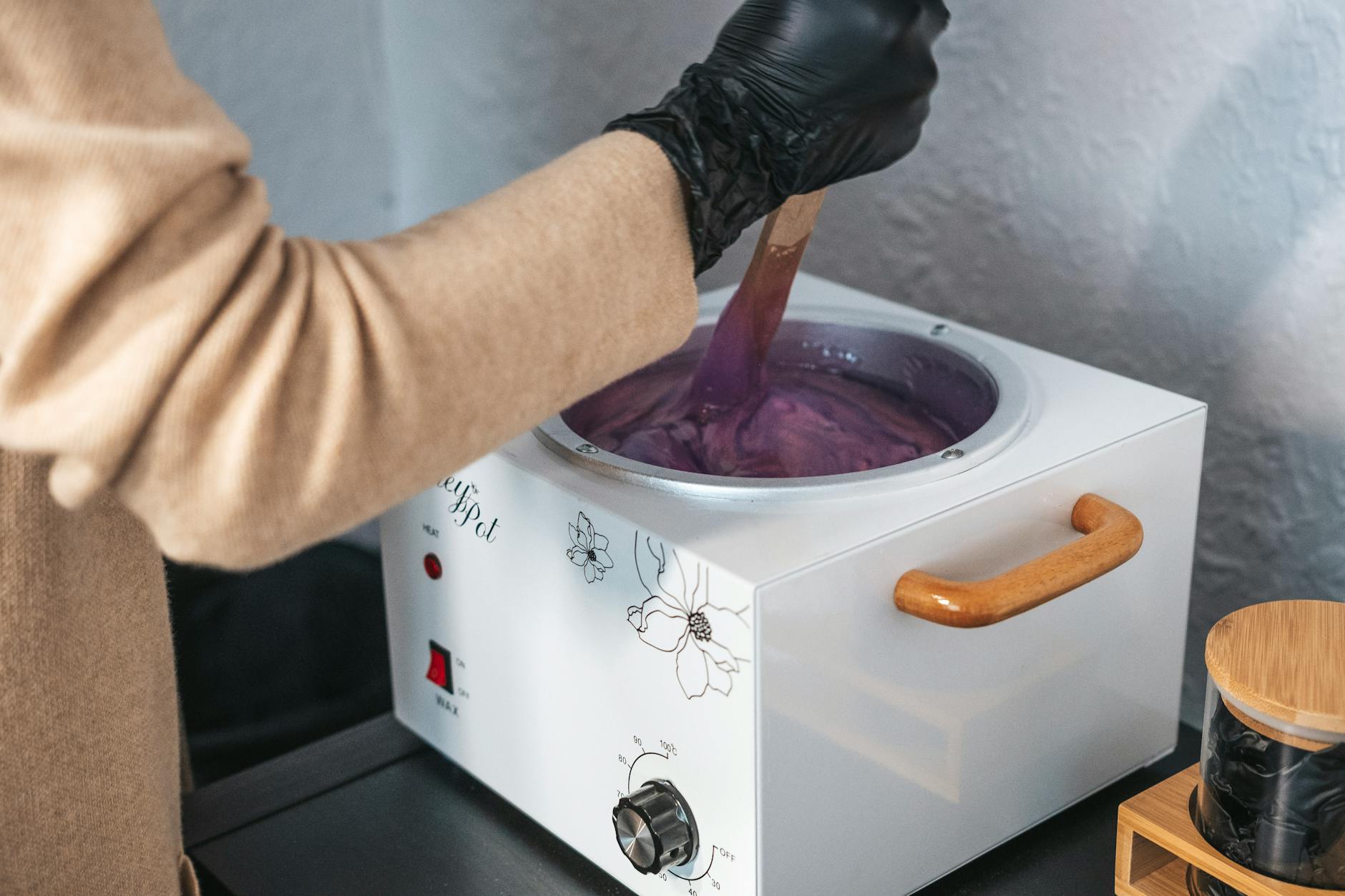
Waxing pulls hair out from the root using either soft wax (applied and removed with a strip) or hard wax (applied, allowed to harden, then peeled off). Hard wax is generally preferred for facial use as it adheres to hair rather than skin, reducing irritation.
- Results last: 3–6 weeks
- Pain level: Moderate — a sharp sting during the pull, especially on sensitive areas like the upper lip
- Cost: $10–$40 per salon visit; at-home kits cost $10–$25
- Best for: Upper lip, chin, eyebrow shaping, those with coarser hair
- Drawbacks: Risk of skin lifting, ingrown hairs, redness; not suitable for skin using retinoids or accutane; requires hair to be a certain length (around ¼ inch) before re-treatment
3. Threading
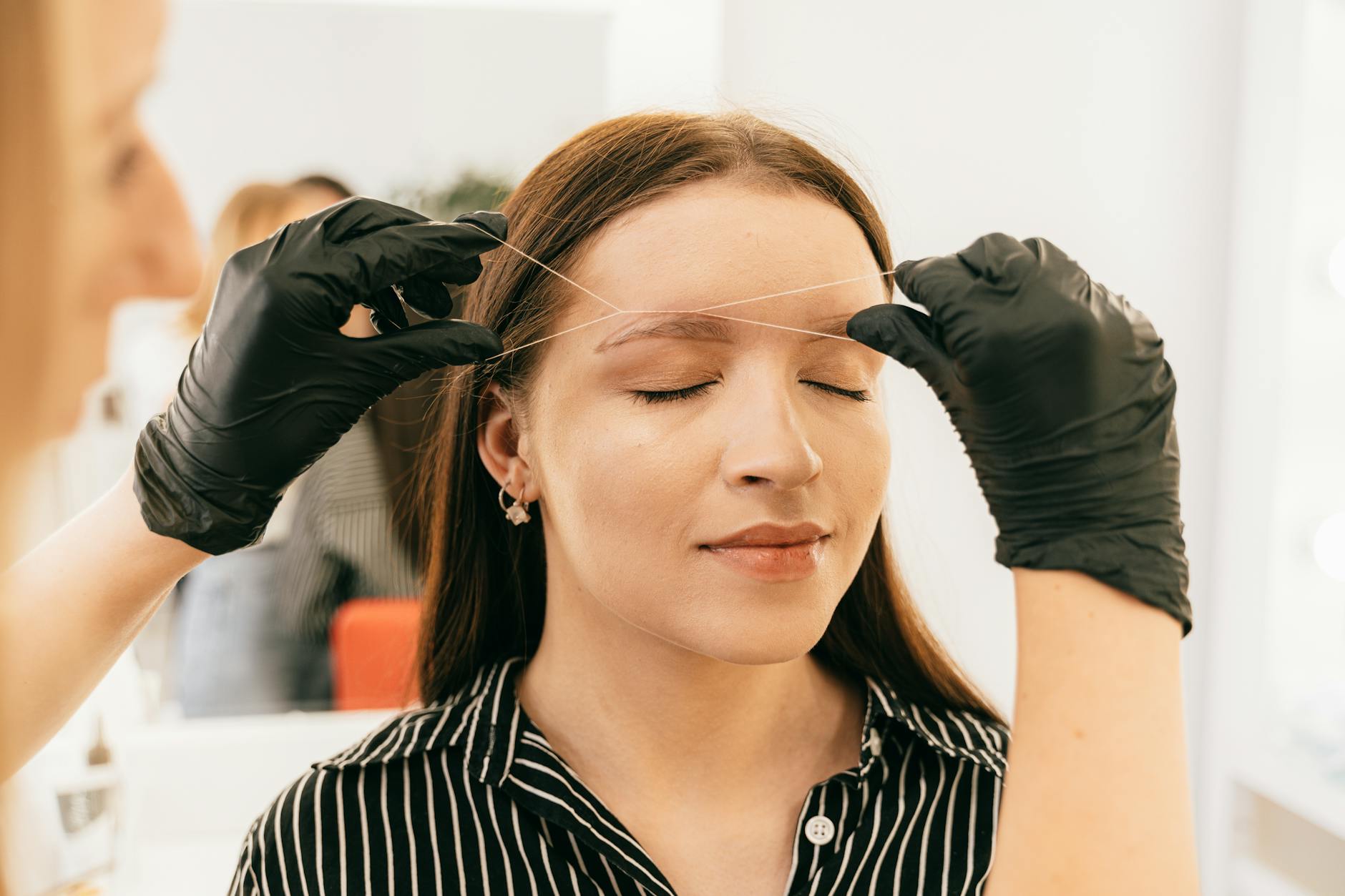
Threading is an ancient technique originating in South Asia and the Middle East. A skilled technician uses a twisted cotton thread to catch and pull individual hairs from the follicle in a rolling motion. It is precise enough to shape eyebrows hair-by-hair while also removing lip and chin hair efficiently.
- Results last: 3–5 weeks
- Pain level: Low to moderate — a scratching sensation rather than the sharp sting of waxing
- Cost: $5–$25 per session at a threading salon
- Best for: Eyebrows and upper lip; excellent for sensitive skin; safe for those using retinoids (no adhesive touches the skin)
- Drawbacks: Requires a trained technician (difficult to DIY); not ideal for large areas like sideburns or full-face fuzz
4. Dermaplaning
Dermaplaning uses a small, sterile surgical-grade blade held at a 45-degree angle to gently scrape the surface of the skin, removing both peach fuzz and a thin layer of dead skin cells. The result is noticeably smoother skin that allows makeup to sit more evenly.
- Results last: 3–4 weeks
- Pain level: None — the blade is extremely fine and the technique is gentle
- Cost: $75–$200 as a professional facial treatment; at-home tools cost $10–$30
- Best for: Vellus (peach fuzz) hair; brightening the complexion; prepping skin for skincare absorption
- Drawbacks: Not effective on coarser, terminal hair; not suitable for active acne, rosacea, or highly sensitive skin; professional treatments are significantly more effective than at-home versions
5. Depilatory Creams
Depilatory creams use alkaline chemicals (typically thioglycolate compounds) to break down the keratin structure of the hair shaft, causing it to dissolve just below the skin's surface. You apply the cream, wait 5–10 minutes, and wipe away.
- Results last: 1–2 weeks (longer than shaving since hair is removed slightly deeper)
- Pain level: None during use, but chemical burns are possible with overuse or on sensitive skin
- Cost: $5–$15 per tube
- Best for: Upper lip, chin; those who want a painless, affordable option
- Drawbacks: Strong chemical smell; high risk of irritation on sensitive facial skin; always patch-test 24 hours before use; NOT all depilatory products are formulated for the face — body formulations should never be used on facial skin
6. Facial Epilators
Epilators are handheld electric devices with rotating tweezers that grasp and pull multiple hairs out from the root simultaneously. Facial epilators are miniaturized versions designed for sensitive facial skin.
- Results last: 3–4 weeks
- Pain level: Moderate to high — the sensation is similar to waxing and can be intense on the upper lip
- Cost: $20–$80 for a device (one-time cost, long-term savings)
- Best for: Those who prefer at-home root removal without recurring product costs; upper lip, chin, sideburns
- Drawbacks: Significant discomfort, especially for first-time users; risk of ingrown hairs; not ideal for very sensitive or reactive skin; results improve over time as hair regrows finer
Permanent and Long-Term Removal Methods
If you're tired of the cycle of temporary treatments, two options offer genuine long-term or permanent results. Both require professional treatment and a larger upfront investment.
Laser Hair Removal
Laser hair removal uses concentrated light energy targeted at the melanin (pigment) in hair follicles. The heat destroys the follicle, inhibiting future growth. It is considered a permanent hair reduction method — most clients achieve 70–90% reduction in hair density after a full course of treatments.
- Sessions needed: 6–8 sessions spaced 4–6 weeks apart, with occasional maintenance sessions annually
- Results: Permanent reduction; some regrowth may occur over years, particularly with hormonal changes
- Pain level: Low to moderate — often described as a rubber band snap; modern devices with cooling technology have made it significantly more comfortable
- Cost: $200–$500 per facial session; full course typically $1,000–$3,000 depending on area and location
- Skin type considerations: Traditional lasers work best on light skin with dark hair (high contrast). Newer Nd:YAG laser technology is safe and effective for darker skin tones (Fitzpatrick types IV–VI). Blonde, grey, red, or white hair does not contain enough melanin to respond to laser and cannot be effectively treated.
- Drawbacks: High cost; multiple sessions; potential for skin discoloration on darker tones if wrong laser is used; not suitable for active skin conditions
Electrolysis
Electrolysis is the only FDA-recognized method for permanent hair removal. A fine probe is inserted into each individual hair follicle, delivering an electric current that permanently destroys the follicle. It works on all hair colors and all skin types.
- Sessions needed: Many — facial areas may require 15–30+ sessions; each session treats individual hairs, so the total time depends on hair density
- Results: Genuinely permanent — destroyed follicles cannot regrow hair
- Pain level: Moderate to high — a stinging or pricking sensation during each follicle treatment
- Cost: $30–$100 per hour-long session; full facial treatment can run $1,000–$4,000+ over the course of treatment
- Best for: All skin tones; all hair colors including blonde, grey, and red hair that laser cannot treat; those wanting truly permanent results
- Drawbacks: Very time-intensive; expensive over the full course; some temporary redness and swelling after sessions; requires a licensed electrologist

Side-by-Side Comparison Table
Use this table for a quick overview of all methods across the most important decision factors.
| Method | Duration | Pain | Cost (per use) | DIY Friendly | Skin Type | Permanent? |
|---|---|---|---|---|---|---|
| Shaving | 1–3 days | None | $1–$2 | Yes | All types | No |
| Waxing | 3–6 weeks | Moderate | $10–$40 | Yes (kits) | Not on broken/sensitive skin | No |
| Threading | 3–5 weeks | Low–Moderate | $5–$25 | Difficult | All, incl. sensitive | No |
| Dermaplaning | 3–4 weeks | None | $10–$200 | Yes (tools) | Not on active acne | No |
| Depilatory Cream | 1–2 weeks | None | $5–$15 | Yes | Patch test required | No |
| Epilator | 3–4 weeks | Moderate–High | $20–$80 (device) | Yes | Not on very sensitive | No |
| Laser | Months–Years | Low–Moderate | $200–$500/session | No (professional) | Varies by device | Reduction only |
| Electrolysis | Permanent | Moderate–High | $30–$100/hour | No (professional) | All types & colors | Yes (FDA-approved) |
Which Method Suits Which Skin Type?
Your skin type and any existing conditions should heavily influence your choice of facial hair removal method. Here's a quick breakdown:
- Sensitive skin: Threading and dermaplaning are the gentlest options. Avoid depilatory creams without patch testing and be cautious with waxing. Look for hard wax formulas marketed for sensitive skin.
- Acne-prone skin: Threading is ideal — no product touches the skin. Avoid waxing over active breakouts (it can rupture pimples and spread bacteria). Dermaplaning is contraindicated during active acne flare-ups.
- Darker skin tones: Threading and waxing are safe for all skin tones. For laser, specifically seek out Nd:YAG or diode laser technology to minimize hyperpigmentation risk. Electrolysis is universally safe regardless of skin tone.
- Mature or thin skin: Waxing can cause micro-tearing on thin or sun-damaged skin. Threading and dermaplaning are gentler alternatives.
- Skin on retinoids or prescription topicals: Avoid waxing entirely — retinoids thin the skin's upper layer, making it highly susceptible to tearing during wax removal. Threading, shaving, or dermaplaning are safer options.
Long-Term Cost Comparison
The upfront cost of each method can be misleading. When you calculate what you'll spend over five years, the picture changes considerably.
| Method | Estimated 1-Year Cost | Estimated 5-Year Cost |
|---|---|---|
| Shaving | $20–$50 | $100–$250 |
| Waxing (salon) | $120–$300 | $600–$1,500 |
| Threading (salon) | $80–$240 | $400–$1,200 |
| Depilatory cream | $50–$100 | $250–$500 |
| Epilator (device + upkeep) | $50–$100 (device, year 1) | $50–$150 |
| Laser (full course + maintenance) | $1,000–$3,000 | $1,200–$3,500 |
| Electrolysis (full treatment) | $500–$2,000 | $1,000–$4,000 |
Over five years, the epilator proves to be one of the most cost-effective root-removal options. Laser and electrolysis, despite their high initial investment, can save significant money compared to a lifetime of salon waxing or threading appointments — and deliver far superior results.
Safety Considerations by Method
All facial hair removal methods carry some risk when used incorrectly. Here are the key safety points to keep in mind:
- Waxing: Never apply wax to sunburned skin, broken skin, or over varicose veins. Always test temperature on the inside of your wrist first to prevent burns.
- Depilatory creams: Always patch test 24–48 hours before facial use. Never leave the cream on longer than indicated. Rinse off immediately if stinging or burning occurs.
- Dermaplaning: Use only sterile, single-use blades. Move in downward strokes only — never against the direction of hair growth on the face. Avoid if you have active acne, eczema, psoriasis, or rosacea.
- Epilators: Keep the device clean and disinfect heads after each use. Stretch skin taut to reduce discomfort and minimize the risk of skin being caught in the device.
- Laser: Always seek a licensed provider with the correct laser technology for your skin tone. Avoid sun exposure for 2–4 weeks before and after treatment. Do not treat over tattoos or permanent makeup.
- Electrolysis: Ensure your electrologist is licensed and uses single-use sterilized probes. Some temporary redness, swelling, and scabbing is normal; avoid picking at treated areas.
How to Choose the Right Method for You
There is no single "best" method — the right choice depends on your specific situation. Here is a simple decision framework:
Frequently Asked Questions
Key Takeaways
Facial hair removal for women is not a one-size-fits-all decision. The right method depends on your hair type, skin sensitivity, budget, pain tolerance, and how much time you want to invest in maintenance. Here is a summary of what to remember:
- For peach fuzz and fine hair: Shaving and dermaplaning are the easiest, most painless choices — and dermaplaning doubles as an exfoliating skin treatment.
- For coarser hair with longer-lasting results: Waxing, threading, and epilators all remove from the root; threading is best for sensitive skin, waxing is fastest for larger areas, and epilators are the most cost-effective long-term at-home option.
- For permanent or near-permanent results: Laser is the most accessible and comfortable option for those with dark hair and lighter skin; electrolysis is the only truly permanent solution that works for all hair and skin types.
- Safety first: Always patch test new products, use face-specific formulations, and consult a licensed professional for laser or electrolysis treatments.
- Hormones matter: If you're experiencing sudden or excessive facial hair growth, speak with a doctor — conditions like PCOS are highly treatable, and addressing the underlying cause can make any removal method more effective long-term.
Whatever method you choose, consistency is key. Most women find a combination approach works best — for example, threading for precise upper lip and eyebrow maintenance, with occasional dermaplaning for an overall peach-fuzz refresh.