Snap-On Veneers: How They Work, Who They're For, and What to Expect
You've probably seen the ads: a person clips a thin white overlay onto their teeth and suddenly their smile looks completely transformed. If your first reaction was equal parts curious and skeptical, you're not alone. Snap-on veneers — also called clip-on veneers or removable veneers — have grown from a novelty product into a genuine category with millions of users worldwide. But what exactly are they, how do snap-on veneers work, and are they right for you?
This guide cuts through the marketing noise and gives you a straight, honest look at the entire category: the impression process, the materials involved, what these devices can realistically improve, and — equally important — what they simply cannot do. Whether you're considering a purchase or just curious after seeing an online ad, you'll finish this article with a clear picture of what to expect.
What Are Snap-On Veneers?
Snap-on veneers are thin, custom-fitted dental overlays that slide over your existing teeth without any drilling, bonding agents, or permanent alteration to your natural teeth. Unlike traditional porcelain veneers — which are permanently cemented onto tooth enamel by a dentist — removable veneers are designed to be taken in and out just like a retainer.
The term "clip-on veneers" is sometimes used interchangeably, though the fitting mechanism is actually a snug friction fit rather than a literal clip. The device wraps around both the front and back surfaces of your teeth, and the slight flex of the material combined with the custom mold of your bite holds it securely in place. When you want to remove it, you simply peel it away from the gum line.
They were not designed to replace professional dental treatment. They are a cosmetic overlay — a way to temporarily change the appearance of your smile without any irreversible commitment.
How Snap-On Veneers Work: The Full Process
Understanding snap on veneers how they work starts with understanding how they're made. The process typically follows three stages: the impression, the manufacturing, and the fit.
Step 1 — The At-Home Impression Kit
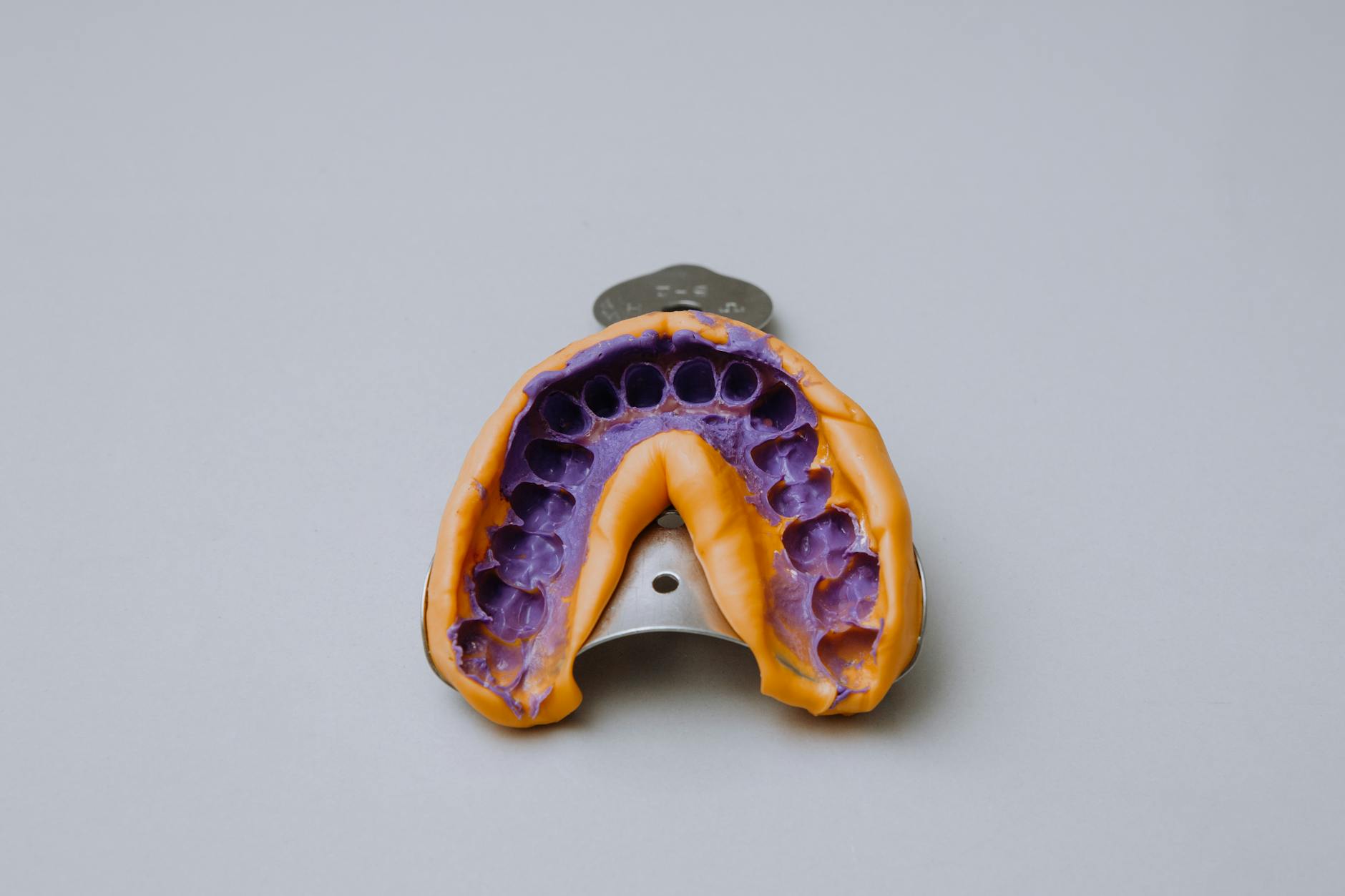
Most direct-to-consumer snap-on veneer brands ship an impression kit to your home. Inside, you'll find one or two U-shaped plastic trays and a packet of putty-like molding material — usually a two-part silicone or alginate compound. The process works like this:
- You mix the two putty components together (if applicable) until the color is uniform, indicating the material is ready.
- You press the putty firmly into the tray, place it over your upper teeth, bite down gently but evenly, and hold still for the specified time — typically 60 to 90 seconds.
- You repeat the process for the lower arch if a full set is ordered.
- The hardened impressions are mailed back in a prepaid envelope.
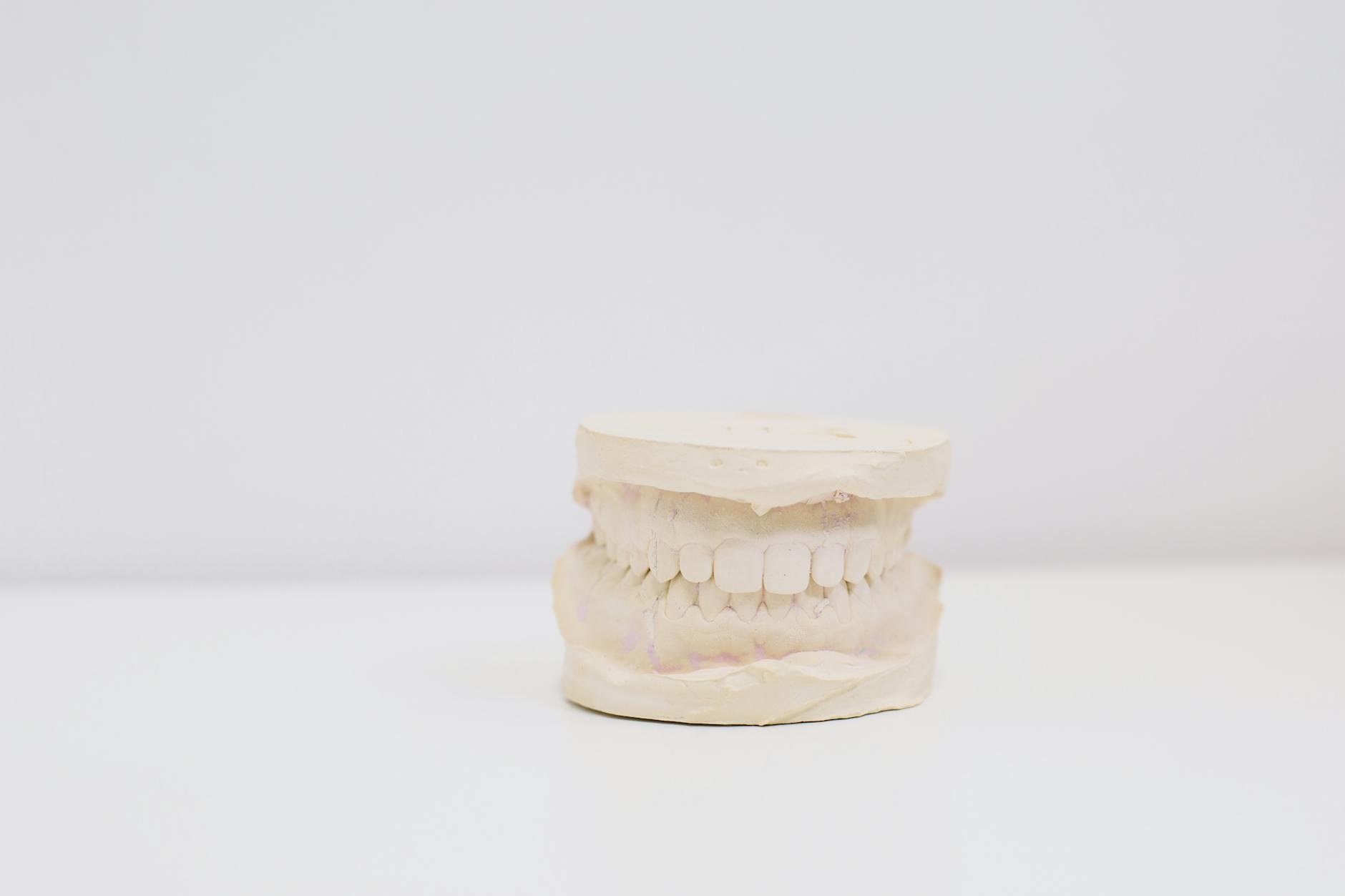
Lab technicians then use those impressions to cast a physical model of your teeth, which becomes the mold around which your veneers are fabricated. The accuracy of your impression directly determines how well the finished product fits — this is why following the instructions carefully matters.
Step 2 — Manufacturing the Overlay
Once the lab receives your impressions, technicians create a plaster or resin cast of your teeth. The veneer material — more on this below — is then either pressure-formed or milled over this cast using heat and vacuum technology. The result is a thin shell that mirrors the exact contours of your individual teeth.
Most reputable brands then shape the outer surface to resemble natural-looking teeth, with slight ridges and curves that mimic enamel texture. Color options typically range from a natural off-white to a bright Hollywood white, and customers usually select their preferred shade when ordering.
The turnaround time from receiving your impressions to shipping your finished veneers typically ranges from two to four weeks, depending on the company's lab volume.
Step 3 — Fitting and Adjustment
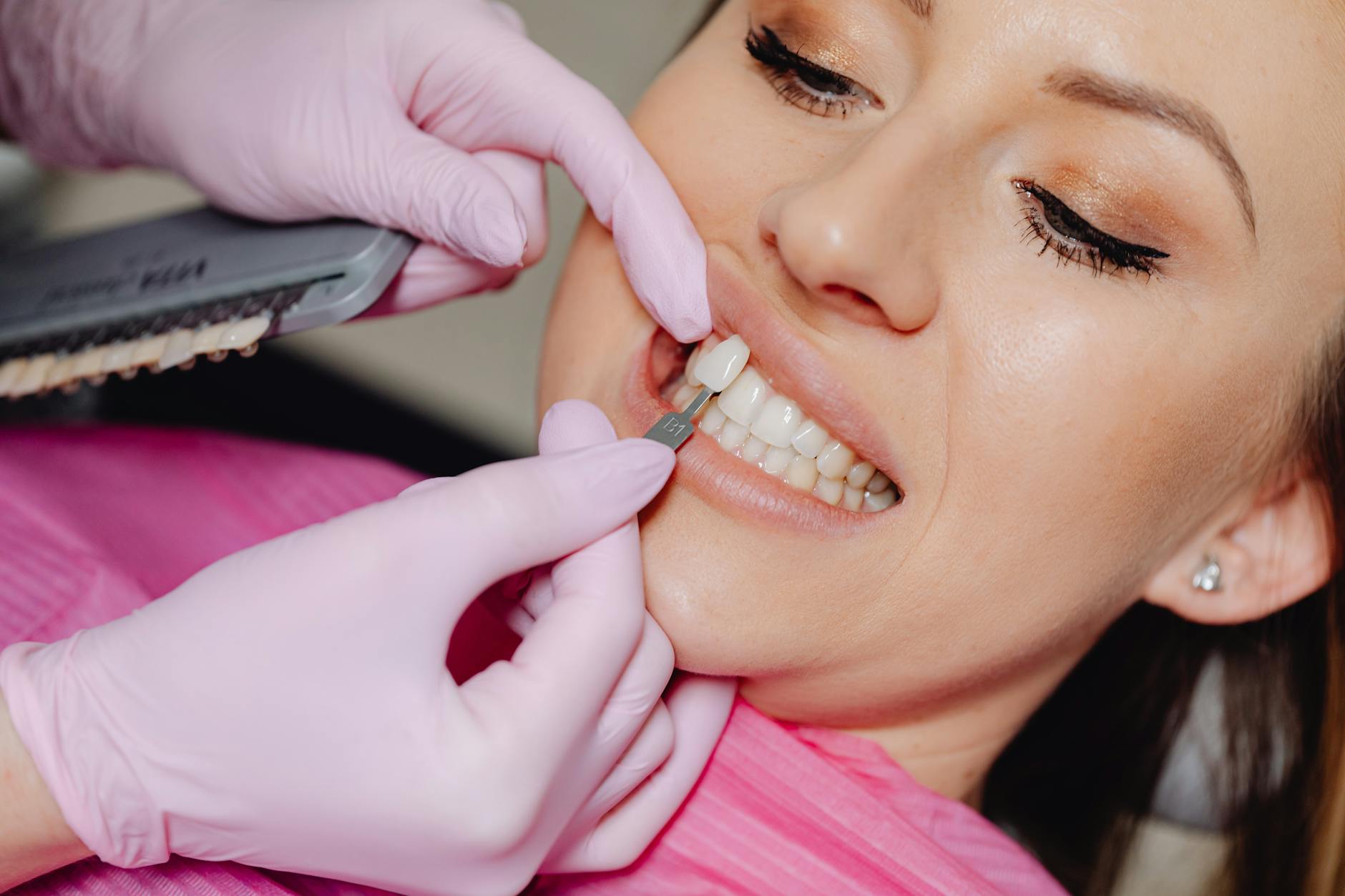
When your veneers arrive, there's usually a brief adjustment period. The first time you place them, you should follow the included instructions precisely — typically soaking them in warm water for a few minutes to increase flexibility, then pressing them firmly over your teeth until you feel them seat fully.
A properly fitted set will feel snug but not painful. Mild pressure at the gum line for the first few wearings is normal as your mouth acclimates. If edges are sharp or the fit feels significantly off, many brands offer a remake guarantee for a limited window after delivery.
Materials and Quality Levels
Not all clip-on veneers are made equal, and the material is the single biggest factor separating budget products from quality ones.
Acrylic (PMMA)
Entry-level products are often made from polymethyl methacrylate (PMMA), the same material used in basic dental acrylic. It's inexpensive and easy to manufacture, but it's also more brittle, more porous (which means it can harbor bacteria and stain more easily), and tends to look less natural. Products in this tier are often mass-produced in a small number of sizes rather than being truly custom.
Dental-Grade Resin
Mid-to-upper-tier brands use proprietary dental-grade resin composites — materials similar in composition to those used in dental offices for tooth-colored fillings and professional snap-on appliances. These materials are more flexible, more stain-resistant, and more biocompatible. They also transmit light in a way that more closely mimics natural tooth enamel, which contributes to a more convincing appearance.
Thermoplastic Resins
Some brands use thermoplastic materials that become slightly pliable when warm, which can improve fit and comfort. The tradeoff is that these materials may distort slightly if exposed to very hot liquids.
When evaluating any snap-on veneer product, look for explicit mention of the material composition. If a brand is vague about what their veneers are made from, that's worth noting as a caution.
What Snap-On Veneers Can Fix vs. What They Cannot
This is arguably the most important section for setting realistic expectations. Removable veneers explained honestly means acknowledging both their genuine usefulness and their hard limits.
What They Can Address (Cosmetically)
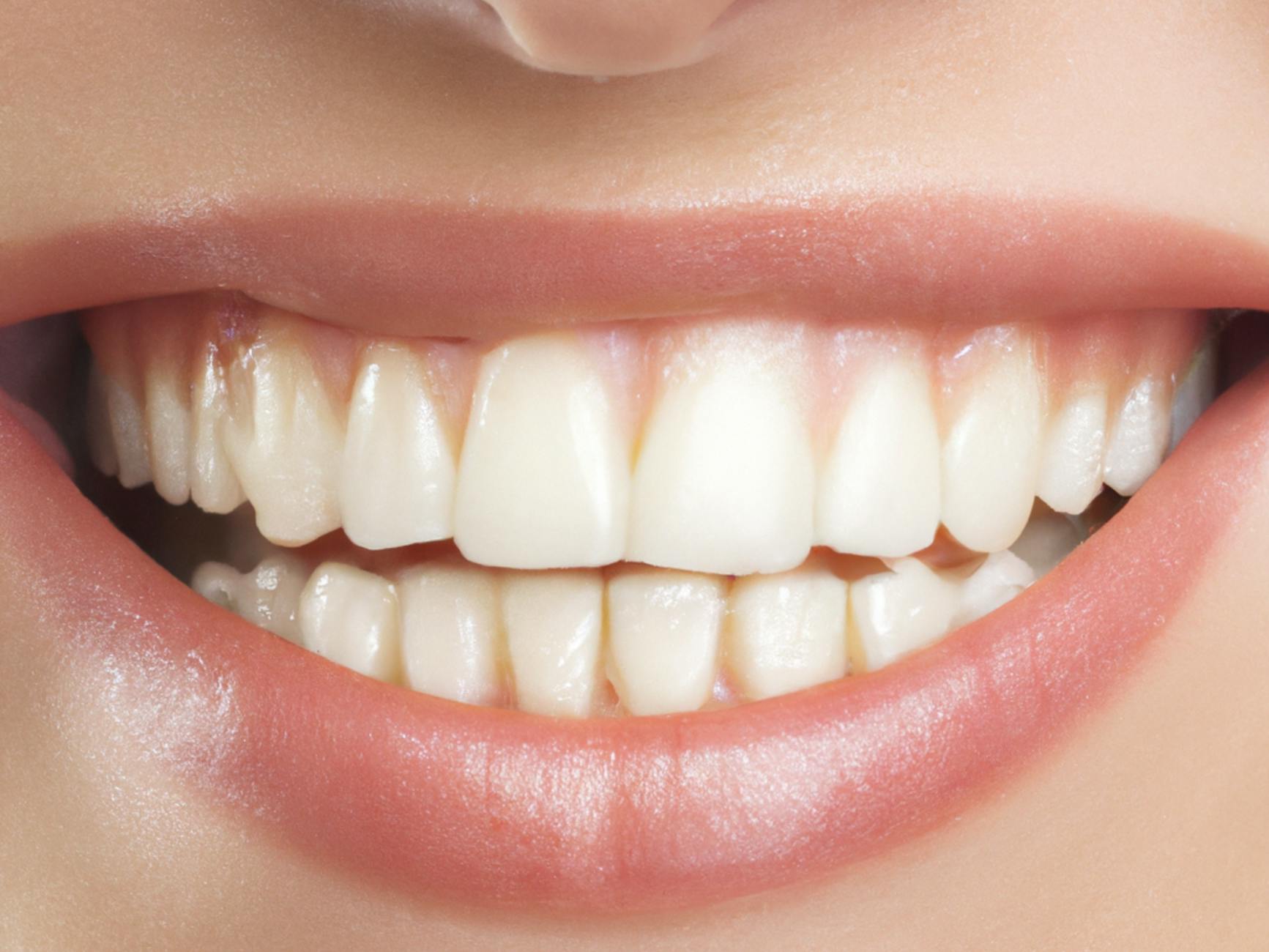
- Discoloration and staining — veneers cover the visible surface of teeth entirely, so yellowing, grey tones, and surface stains become invisible while the device is worn.
- Minor chips and cracks — small chips on the biting edge of teeth are concealed by the overlay.
- Gaps between teeth — the veneer is fabricated with a solid, gapless front surface, so spacing between natural teeth is hidden.
- Mild crowding or irregular spacing — as with gaps, the outer surface of the veneer creates a uniform-looking arch regardless of what's happening beneath it.
- Worn or short teeth — veneers add a small amount of length and volume, which can improve the appearance of teeth that have worn down over time.
What They Cannot Do
- They do not straighten teeth. They mask the appearance of crowding but do not move or realign teeth in any way.
- They do not address bite problems. If you have a significant over- or underbite, veneers will not correct it and may actually feel uncomfortable to wear.
- They do not treat decay or gum disease. Placing veneers over unhealthy teeth is counterproductive. Existing dental problems must be treated by a dentist first.
- They are not suitable for missing teeth. If a tooth is absent entirely, there is nothing for the veneer to fit around in that position.
- They do not replace permanent restorations. Cracked or broken teeth that require crowns or root canals need professional dental care — not cosmetic overlays.
Are Snap-On Veneers Safe?
The question "are snap on veneers safe" is one of the most common asked in this category, and the honest answer is: they can be, with caveats.
When made from biocompatible, dental-grade materials and worn as directed — meaning not during sleep, not for extended consecutive hours, and with proper cleaning between uses — snap-on veneers are generally considered safe for healthy mouths. They do not require any permanent alteration of your teeth and are removed without any special tools or chemicals.
The risks primarily arise from misuse or pre-existing dental conditions:
- Wearing veneers over decaying teeth traps bacteria and can accelerate decay.
- Sleeping with veneers in can cause excess pressure on teeth and gums.
- Eating hard, crunchy, or sticky foods while wearing them can crack the material or dislodge fillings.
- Poorly fitting veneers (particularly one-size-fits-all products not based on an impression) can irritate gums or cause uneven pressure on teeth.
The general guidance from dental professionals is to ensure your mouth is in good health before wearing any removable oral appliance, and to remove veneers when eating meals (a sensible habit regardless of the brand).
Care and Maintenance
Proper care extends the lifespan of snap-on veneers significantly and keeps them hygienic. Here's what a solid daily routine looks like:
- Rinse immediately after removal. When you take your veneers out, rinse them under cool or lukewarm water right away to prevent residue from drying and hardening.
- Clean with a soft-bristled brush. Use a soft toothbrush and a small amount of non-abrasive soap or the cleaning solution provided by your brand. Avoid toothpaste — most toothpastes are abrasive enough to cause microscopic scratches that dull the surface over time.
- Soak when not in use. Most brands recommend storing veneers in a cleaning solution or plain water when not being worn. Storing them dry can cause some materials to become brittle over time.
- Avoid hot liquids and UV. Don't soak in very hot water, and keep them away from direct sunlight for extended periods — both can warp or discolor the material.
- Handle with care. While dental-grade resin is reasonably durable, dropping veneers on hard surfaces or bending them sharply can cause cracking. Always remove and insert them over a soft surface or with a towel underneath.
With proper care, quality snap-on veneers typically last one to three years before showing significant wear or discoloration.
Snap-On Veneers Pros and Cons
Here is an honest summary of the snap on veneers pros and cons that potential buyers should weigh carefully.
Pros
- Non-invasive and reversible — no drilling, no bonding, no permanent changes to your teeth.
- Significantly more affordable than traditional porcelain veneers, which can cost $1,000–$2,500 per tooth at a dental office.
- Fast cosmetic result — once you receive your custom set, the transformation is immediate.
- Convenient at-home process — no dental appointments required for most brands.
- Removable on demand — you control when you wear them, which means you can use them for special occasions or on an everyday basis.
- Covers a wide range of cosmetic concerns in one device: staining, gaps, chips, uneven lengths.
Cons
- Not a dental treatment — cosmetic only, will not address underlying oral health issues.
- Can affect speech initially — most users notice a slight lisp when they first start wearing veneers. This typically resolves within a few days as the mouth adapts.
- Not suitable for eating full meals — most manufacturers advise against eating hard, chewy, or sticky foods while wearing veneers.
- Durability is finite — unlike permanent veneers, removable versions will eventually need to be replaced.
- Quality varies widely — the market includes everything from highly engineered products to low-quality novelties. Research matters.
- Requires a healthy baseline — anyone with active decay, gum disease, or significant dental structure issues should seek professional dental care before considering any overlay product.
Who Should Consider Snap-On Veneers?
Snap-on veneers are a reasonable option to explore for a specific profile of person. The ideal candidate typically:
- Has a generally healthy mouth with no active decay or untreated gum disease.
- Wants to address cosmetic concerns (staining, gaps, minor chips) without committing to irreversible dental procedures.
- Is looking for an affordable alternative to permanent veneers or cosmetic bonding.
- Wants the flexibility to wear a transformed smile on their own schedule — for events, photos, or daily confidence — rather than a permanent change.
- Has realistic expectations about the product being a cosmetic overlay, not a dental treatment.
On the other hand, snap-on veneers are not a good fit for people with significant bite issues, extensive missing teeth, active periodontal disease, or those hoping to replace genuine dental work. For those situations, a consultation with a licensed dentist is the right first step.
Frequently Asked Questions
Key Takeaways
Snap-on veneers occupy a genuinely useful niche in the cosmetic smile market — but they work best for people who go in with accurate expectations. Here is a concise summary of what this guide has covered:
- Snap on veneers how they work centers on a custom at-home impression, lab fabrication, and a removable friction-fit overlay that covers your existing teeth.
- Material quality matters enormously — dental-grade resin products outperform cheap acrylic in every meaningful metric: fit, appearance, durability, and safety.
- They are effective cosmetic tools for discoloration, gaps, chips, and uneven teeth — but they are not dental treatments and cannot address structural, alignment, or health-related issues.
- Removable veneers are generally safe for healthy mouths when used as directed and maintained with a proper cleaning routine.
- The ideal candidate is someone with a healthy mouth who wants an affordable, reversible, and non-invasive way to enhance the appearance of their smile.
- Always consult a dentist if you have any doubt about your current oral health before using any removable dental appliance.
Snap-on veneers won't be the right solution for everyone, but for the right person, they represent a significant quality-of-life improvement at a fraction of the cost and commitment of traditional cosmetic dentistry. Taking the time to understand how clip-on veneers work — and what they genuinely can and cannot do — is the best first step toward making a decision you'll be happy with.