Road Trip Snacks That Won't Destroy Your Car Interior
Everyone knows the feeling: three hours into a drive, hunger hits hard, and the nearest rest stop is still forty miles away. You reach into the back seat for something to eat, and within minutes there are crumbs ground into the seat fabric, greasy fingerprints on the steering wheel, and a sticky cup holder situation that will haunt you for weeks. Road trip snacks car friendly eating is an art form, and getting it right makes the difference between arriving with a clean car and arriving with a vehicle that smells like a fast-food bag.
This guide ranks the best road trip snacks by how mess-friendly they actually are, covers what foods to avoid at all costs inside a vehicle, and walks you through practical packing strategies so your snacks are always within reach without pulling your attention from the road.
Why Snack Choice Matters More Than You Think
Your car interior is an investment. Upholstery stains, sticky surfaces, and lingering food odors are harder — and more expensive — to deal with than most people realize. A professional interior detail can run $150 to $300 depending on how badly things went sideways. And beyond the car, there is a real safety dimension here: fumbling with a crumbly granola bar or fishing chips out of a bag while driving at highway speed is a significant distraction.
Choosing car friendly snacks for adults is not about being precious about your vehicle. It is about being intentional: picking foods that are easy to handle with one hand, produce minimal debris, and can be stowed quickly without spilling when you need to focus on the road. The good news is that there are plenty of genuinely satisfying options that check all of those boxes.
The Mess Level System: How This List Works
Each snack below is assigned a mess rating on a simple three-tier scale:
- Green (Low Mess): Safe to eat while driving. Minimal crumbs, no grease, easy one-hand handling.
- Yellow (Moderate Mess): Fine at rest stops or with a passenger handling portions. Requires some care.
- Red (High Mess): Best avoided in the car entirely. Listed in the "what to skip" section.
This ranking is based on three factors: crumb production, grease transfer, and handling complexity — how many hand movements it takes to get the food to your mouth without dropping anything.
Green Tier: The Best Car Friendly Road Trip Snacks
These are the non-messy car snacks you can keep in a cupholder or center console and reach for without a second thought.
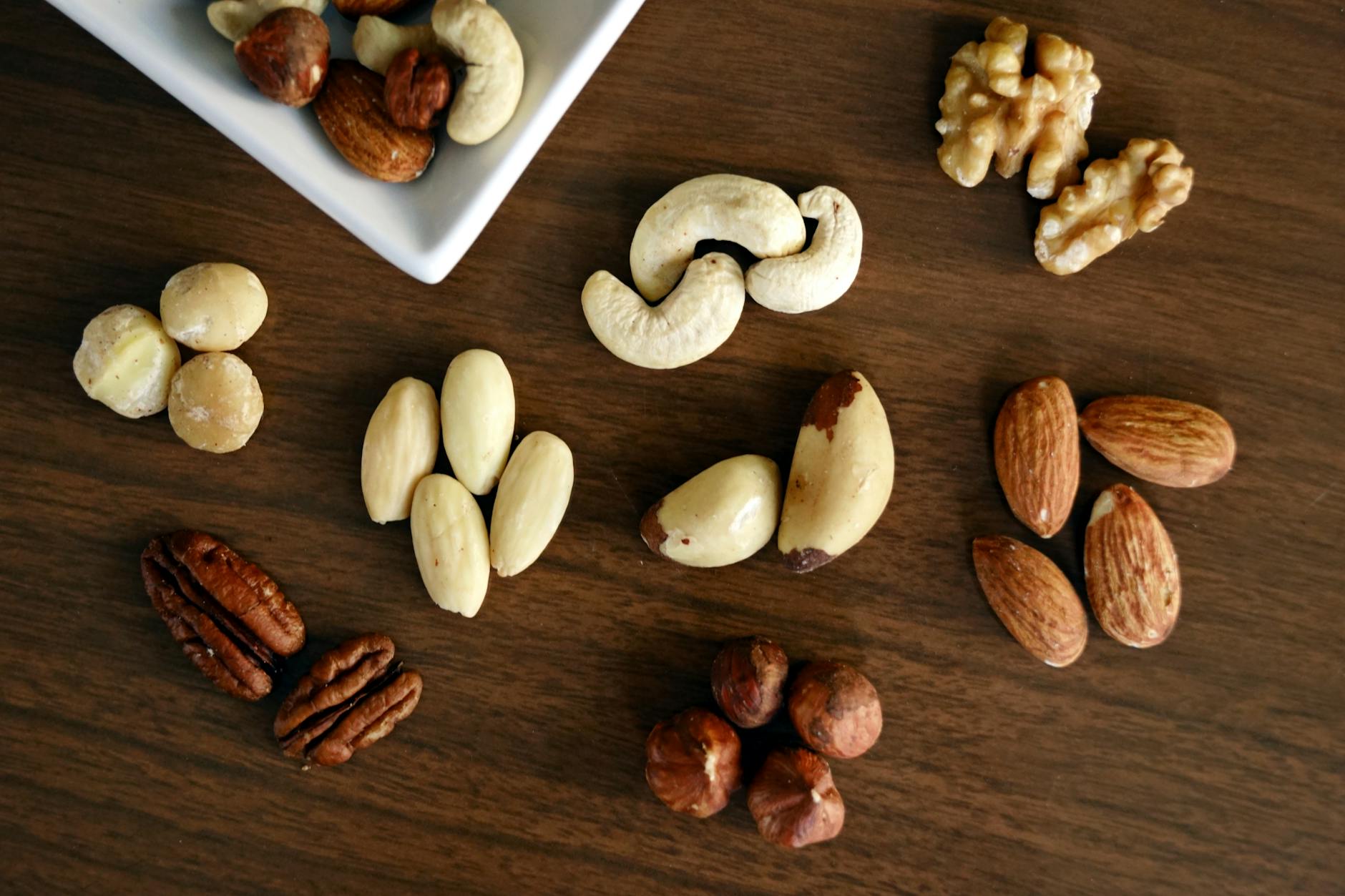
1. Whole Nuts (Almonds, Cashews, Walnuts)
Nuts are the gold standard of car snacks. They are dense enough to be satisfying, portion neatly into a small container, and leave zero residue on surfaces when handled dry. A 2-ounce portion of almonds — roughly a small handful — delivers about 14 grams of fat and 6 grams of protein, which keeps hunger at bay for hours. Store them in a wide-mouth lidded container so you can dip your hand in without looking. Avoid honey-roasted or flavored varieties with sticky coatings; plain, dry-roasted nuts are the cleanest option.
2. String Cheese
String cheese comes in its own wrapper, peels apart cleanly, and produces no crumbs whatsoever. A single stick averages around 80 calories and 6 grams of protein. Keep a small soft cooler between the front seats and you can eat string cheese comfortably at 70 mph without ever taking more than one hand off the wheel. It is one of the most underrated car friendly snacks for adults because it requires almost zero preparation or cleanup.
3. Baby Carrots and Celery Sticks (Pre-Portioned, No Dip)
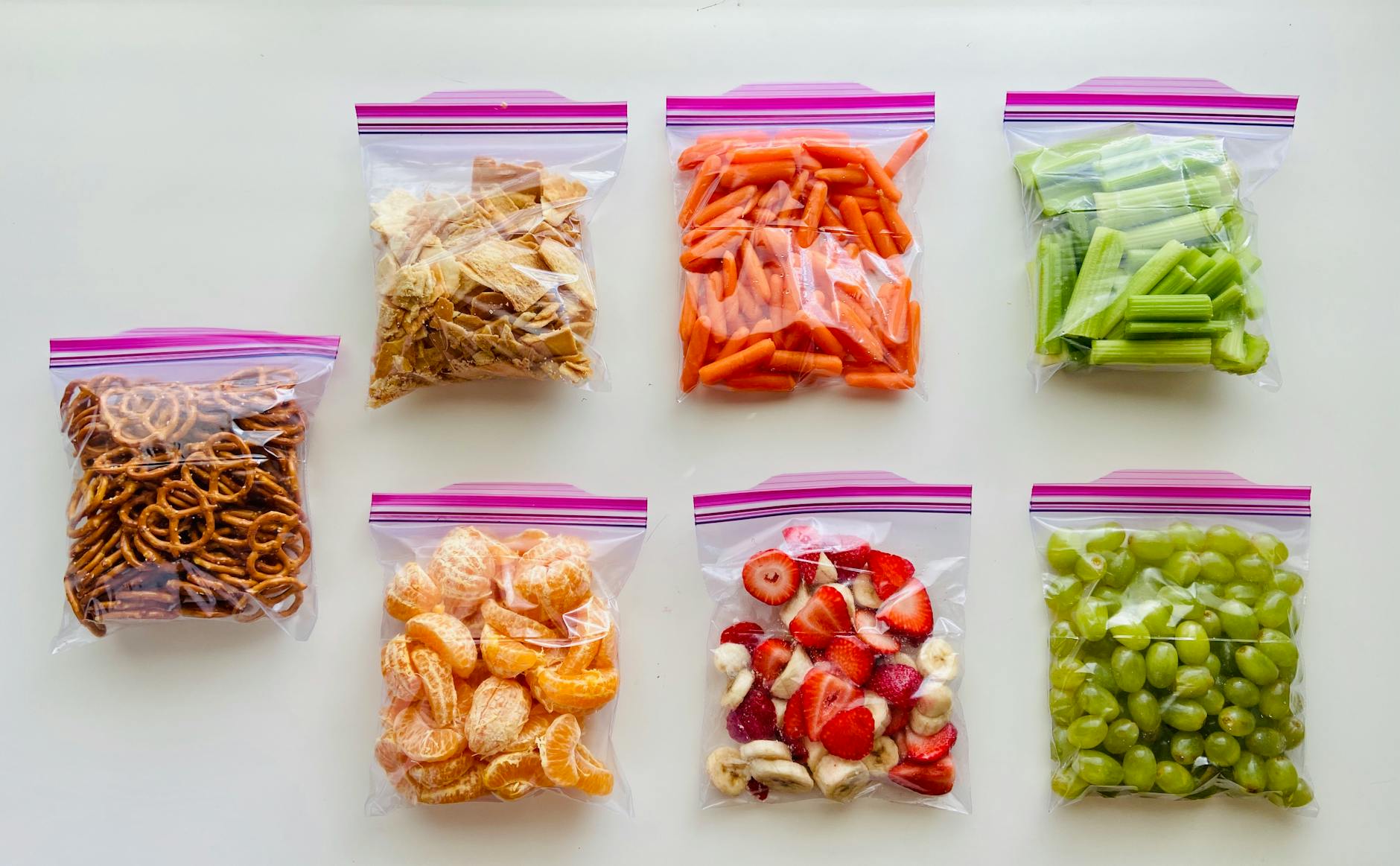
Crisp vegetables eaten dry are surprisingly car-friendly. Baby carrots in particular snap cleanly and leave no oil residue. The key is to skip the dip — hummus, ranch, and any sauce-based accompaniment turns a clean snack into a potential disaster the moment you hit a bump. Pre-portion carrots or celery into a zip-lock bag before you leave and shake a few into your palm at a time rather than reaching blindly into the bag.
4. Grapes (Seedless, Washed and Dried)
Grapes are juicy but self-contained. Unlike oranges or other citrus, they do not require peeling and produce no spray. The catch: they must be fully dry before they go in the car. Wet grapes leave moisture marks on upholstery and can roll around on the floor. Wash and thoroughly dry them the night before, then store in a hard-sided container with a lid. Seedless varieties only — seeds add a handling step you do not want while driving.
5. Protein or Meal Replacement Bars (Non-Crumbly Varieties)
Not all bars are equal from a car-hygiene standpoint. Soft, chewy bars like those made from dates, nut butter, and oats tend to be far less crumbly than crunchy granola-style bars. Look for bars where the binding ingredient is syrup, honey, or nut butter rather than dry oats. Brands that make soft, dense bars in sealed wrappers are ideal because you can eat half, re-wrap the rest, and pocket it without any mess. Check the ingredients: if the first few items are whole oats or rice crisps, expect crumbs.
6. Beef or Turkey Jerky
Jerky is one of the most portable, high-protein snacks available and it produces virtually no mess when eaten in small strips. Tear off pieces rather than biting from the whole strip mid-drive — it gives you more control over portion size and prevents jaw-fatigue tearing. Sodium is high in most commercial varieties, so pair jerky with plenty of water to avoid arriving dehydrated. Opt for individually portioned packs rather than a large resealable bag, which is harder to manage one-handed.
7. Rice Cakes (Plain or Lightly Seasoned)
Plain rice cakes have a reputation for being boring, but they are genuinely excellent road trip food ideas for one key reason: they dissolve rather than crumble. A rice cake that breaks does not produce sharp, hard crumbs that embed in upholstery — the fragments are light and easy to brush away. Avoid flavored varieties with seasoning powder (especially anything with red chili or cheese dust) as these leave residue on fingers and transfer to surfaces immediately.
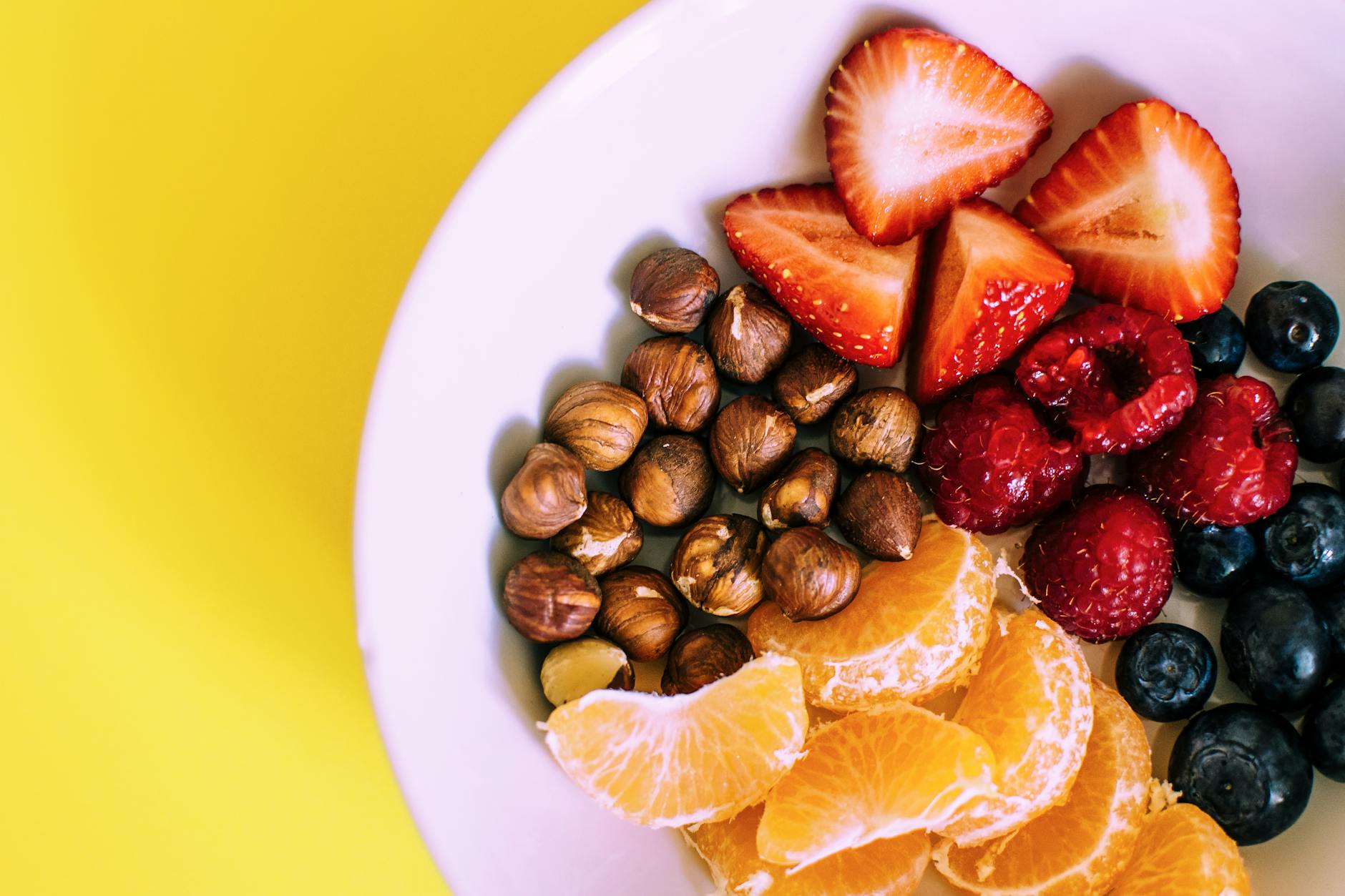
8. Apple Slices (Pre-Cut, Lemon-Treated)
A whole apple seems car-friendly until you bite into it and juice runs down your wrist. The solution is to pre-slice the apple at home, treat the slices with a tiny squeeze of lemon juice to prevent browning, and pack them in a sealed container. Then you can pick up a slice, eat it cleanly, and set the container down without any fuss. This takes five minutes of prep but turns a messy snack into a clean one.
Yellow Tier: Best Handled at Rest Stops
These best road trip snacks are worth bringing but deserve a short break to enjoy safely rather than eating while moving.
9. Sandwiches on Dense Bread
A well-made sandwich on sturdy sourdough or whole-grain bread — with minimal wet fillings — is manageable at a rest stop but not while driving. The issue is handling: a sandwich requires two hands and produces crumbs and filling fallout when bitten. Cut sandwiches into finger-sized strips before leaving home, wrap each strip individually, and you can eat them in quick, contained bites during a break.
10. Hard-Boiled Eggs
Hard-boiled eggs are a protein powerhouse and produce zero crumbs. The yellow tier rating comes entirely from odor: eggs have a noticeable smell in an enclosed space. If you have good ventilation or are eating alone, this is a non-issue. If you are traveling with others in a small car for hours, the smell can become a point of contention quickly. Peel eggs at home, store in a sealed container, and salt them at a rest stop rather than in the car.
11. Trail Mix
Store-bought trail mix is a road trip classic, but it belongs in the yellow tier because of the rogue chocolate chip and dried cranberry problem. Small, irregularly shaped pieces escape containers, bounce off seats, and end up wedged in the gap between the seat and the center console. If you make your own trail mix, use only large, easy-to-grab pieces — whole almonds, large cashews, dried mango strips — and skip anything tiny. A wide, stable container is non-negotiable.
What to Avoid: The Red Tier
Some foods are simply incompatible with a car interior, no matter how careful you are. These are the snacks that cause the stains, the smells, and the crumb situations that survive three vacuumings.
- Chips and Crisps: Chip bags are notoriously hard to manage one-handed. Chips shatter on contact with any surface, and flavored varieties (sour cream, barbecue, cheese) leave dust on every surface they touch — your fingers, the wheel, the armrest.
- Flaky Pastries and Croissants: Croissants exist to destroy car interiors. Every bite releases a cascade of flaky layers that embed in fabric seats and are nearly impossible to vacuum out completely.
- Anything Sauce-Based: Dipping sauces, ketchup packets, sriracha — any liquid condiment is a liability in a moving vehicle. Even a small bump at the wrong moment can send sauce across the dashboard.
- Powdery Snacks: Donuts with powdered sugar, Cheetos, seasoned pretzels — anything with a dry, transferable coating goes straight from your fingers to every surface you touch for the rest of the drive.
- Juicy Fresh Fruit (Un-prepped): Mangoes, peaches, watermelon chunks, oranges that need peeling — anything that requires two hands and produces juice is a recipe for sticky upholstery.
- Drive-Through Food: Fast-food wrappers, cardboard boxes, and paper bags become a chaos of debris once opened in a moving car. The smell also lingers for days in interior fabric.
- Popcorn: Seemingly harmless, popcorn is one of the worst car snacks in existence. Kernels escape bags and containers at an extraordinary rate, find their way under seats, and the unpopped kernels can leave marks on leather.
How to Pack and Organize Snacks for the Car
The physical organization of your snacks is as important as the snack choices themselves. Poor organization leads to distracted driving — reaching into back seats, digging through bags, and fumbling with lids while the road demands your attention. Good eating in car tips begin before you leave the driveway.
The Zone System
Divide your snack storage into three zones based on frequency of access:
Zone 1 — Immediate Access: The center console or cupholder area. This is where your most hand-friendly, one-at-a-time snacks live: a container of nuts, a stick of string cheese, a small bag of baby carrots. Anything here should be openable and closeable with one hand in under two seconds.
Zone 2 — Passenger Reach: The passenger footwell or a bag on the passenger seat. This is where your rest-stop foods go: sandwiches, hard-boiled eggs, trail mix in a secure container. A passenger can manage distribution from here, or you access it only when stationary.
Zone 3 — Back Seat / Trunk Cooler: Drinks, backup snacks, anything that needs refrigeration. This zone is for scheduled stops only — never reached for while the car is moving.
Container Choices Matter
The container you choose for a snack changes its mess level completely. Here is a quick hierarchy:
- Wide-mouth hard-sided containers with snap lids: Best for nuts, grapes, and anything that rolls. They stand upright in cupholders and reseal reliably.
- Zip-lock bags (resealable): Great for pre-portioned snacks. The advantage is that you can see exactly what is inside and squeeze the bag to push snacks toward the opening.
- Silicone snack pouches: Reusable, washable, and stand up on their own. Ideal for dried fruit, jerky strips, and baby vegetables.
- Beeswax wrap or reusable food wrap: Excellent for sandwiches and bars — maintains shape, is easy to peel back, and does not crinkle loudly like foil or plastic wrap.
Pre-Portion Everything the Night Before
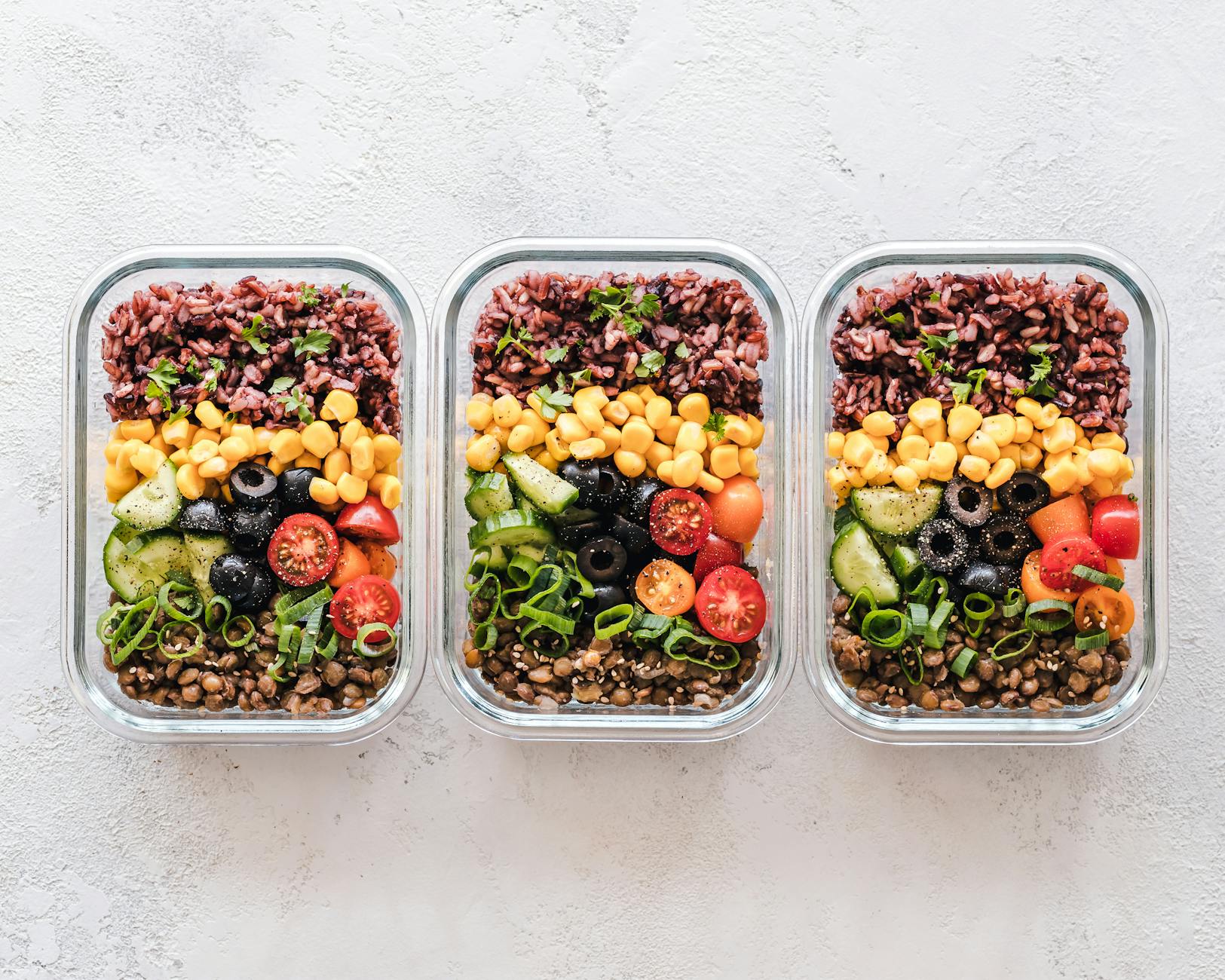
The single biggest upgrade you can make to your road trip snack game is to do all the prep work the evening before departure. Wash and dry fruit, pre-slice apples, portion nuts into individual containers, peel and refrigerate hard-boiled eggs. When everything is already in its serving container, there is no fumbling, no opening large bags, and no deciding how much to eat while trying to merge onto a highway.
Label each container with a piece of tape and a marker if you are traveling with multiple people — it removes any confusion about who eats what and prevents the "just looking for something" dig-through-the-bag situation that takes eyes off the road.
Temperature Management
A small, soft-sided cooler that fits between the front seats is one of the most practical investments for a long drive. It keeps dairy snacks like string cheese and yogurt pouches fresh for six to eight hours without ice if you load it with a single freezer pack. Position it so the lid opens toward the driver or passenger seat, not upward — this prevents you from having to lean over and peer into it while driving.
For non-refrigerated snacks, keep them out of direct sunlight. Chocolate-coated nuts, protein bars with chocolate chips, and anything with a waxy coating will melt on a warm day if left in a bag on the back shelf under the rear window. A small insulated tote on the floor behind the driver's seat stays significantly cooler than the seat surface.
Drinks: The Overlooked Mess Variable
Spilled drinks cause more lasting interior damage than any snack, and they are almost never part of the conversation. A few rules that apply to all road trip food ideas involving liquids:
- Use a sealed travel mug or insulated bottle with a drink-through lid for anything other than plain water. Even a small bump can tip an open cup.
- Avoid carbonated drinks in bottles in a moving car. Road vibration agitates carbonation, and opening a bottle that has been bouncing in the cupholder for two hours is an unpredictable experience.
- Sparkling water in cans is a safer middle ground — cans have a controlled opening and less internal pressure than plastic bottles.
- Keep drinks in the cupholder, not on the seat. A drink on the seat is a single sudden brake application away from becoming a cleaning project.
Eating in the Car Safely: Practical Rules for the Driver
Even the cleanest snacks can create safety issues if you are eating in a way that divides your attention. A few eating in car tips that apply to every drive:
Wait for straight, low-traffic sections of road before reaching for a snack. If you are navigating a construction zone, approaching a merge, or driving in heavy rain, food can wait. Set a rule for yourself: if the road requires your full attention, the snack waits.
Pre-open your snack before you start driving whenever possible. Opening a zip-lock bag or snap-lid container while sitting in a parking lot takes five seconds. Doing it at speed takes your eyes and at least one hand off the wheel.
Eat small, frequent portions rather than large bites. Large bites require more chewing, produce more movement, and are more likely to cause drips or crumbs. One nut at a time sounds excessive until you compare the inside of a car where that rule was followed versus one where it was not.
Keep a small trash bag clipped to the console or hanging from the back of the headrest. Wrapper accumulation on the seat creates its own problem — eventually something slips, falls, and becomes a distraction. A dedicated trash spot keeps the car organized for the entire duration of the drive.
Key Takeaways
Choosing the right road trip snacks car friendly options comes down to three things: how much debris they produce, how easy they are to handle with one hand, and how well you have organized them for access before you leave. The best snacks are the ones you prepared the night before, portioned into their own containers, and placed within arm's reach without any digging required.
Stick to nuts, string cheese, dry vegetables, pre-sliced fruit, and soft protein bars as your go-to driving snacks. Save sandwiches and trail mix for rest stops. Leave chips, pastries, sauced foods, and anything with a dry coating at the gas station. And always — always — open your containers before you pull out of the driveway.
A clean car at the end of a long drive is one of those small but genuine satisfactions. With the right snack choices and a few minutes of prep, it is completely achievable without giving up the pleasure of eating well on the road.