Restless Leg Syndrome: What Causes It and How to Get Relief at Night

What Exactly Is Restless Leg Syndrome?
Restless leg syndrome relief is something millions of people desperately search for every night, and yet the condition causing their suffering remains widely misunderstood — even by some clinicians. Restless leg syndrome (RLS), formally classified as a neurological sensorimotor disorder, affects an estimated 5–10% of adults in Western populations, according to the National Institute of Neurological Disorders and Stroke (NINDS). Despite being so prevalent, RLS is frequently dismissed as "just fidgeting" or confused with nighttime leg cramps — two very different experiences.
Clinically, RLS is defined by four core diagnostic criteria established by the International Restless Legs Syndrome Study Group (IRLSSG):
- An urge to move the legs, usually accompanied by uncomfortable sensations
- Symptoms that begin or worsen during periods of rest or inactivity
- Symptoms that are partially or fully relieved by movement
- Symptoms that are worse in the evening or at night than during the day
People with RLS often describe the sensations as crawling, itching, pulling, throbbing, or electric-like feelings deep inside the legs — not on the surface of the skin. These sensations create an almost irresistible urge to move. The problem? Moving provides only temporary relief, and the moment you stop, the discomfort returns. For many sufferers, this cycle makes it nearly impossible to fall asleep or stay asleep, leading to chronic sleep deprivation and its cascade of health consequences.
It is also worth distinguishing RLS from periodic limb movement disorder (PLMD), which involves involuntary leg jerking during sleep. While the two conditions frequently coexist — with up to 80% of RLS patients also experiencing PLMD — they are separate diagnoses requiring different approaches.
The Root Causes of Restless Leg Syndrome
Understanding what drives RLS is the first step toward finding lasting restless leg syndrome relief. The condition is broadly divided into two categories: primary (idiopathic) RLS, which has no identifiable underlying cause, and secondary RLS, which arises as a consequence of another condition or factor.
Dopamine System Dysfunction
The leading hypothesis for primary RLS involves disrupted dopamine signaling in the brain. Dopamine is a neurotransmitter critical for controlling smooth, purposeful muscle movement. Research suggests that in people with RLS, the dopaminergic pathways — particularly those involving the spinal cord and the substantia nigra — do not function correctly during periods of rest, especially in the evening when dopamine levels naturally dip. This is supported by the fact that dopamine-enhancing medications (dopamine agonists) are among the most effective pharmaceutical treatments for RLS. The circadian variation in dopamine levels also explains why symptoms reliably worsen at night.
Iron Deficiency
Iron plays a central role in the brain's production of dopamine. Studies consistently find that people with RLS have lower levels of iron in the cerebrospinal fluid and in specific brain regions even when their serum ferritin (blood iron storage) appears normal. A landmark review published in Sleep Medicine Reviews confirmed that brain iron deficiency is a key biological driver of RLS and that iron supplementation can significantly reduce symptoms in those who are deficient. If you suspect leg cramps at night causes in your case may be iron-related, a full iron panel — including serum ferritin, transferrin saturation, and serum iron — is more informative than a basic hemoglobin check alone.
Genetics
RLS has a strong hereditary component. Roughly 40–60% of patients with primary RLS report a family history of the condition, and genome-wide association studies have identified several genetic variants linked to the disorder — including variants in the BTBD9, MEIS1, and MAP2K5 genes. If a parent has RLS, their child has approximately a 50% chance of developing it, suggesting an autosomal dominant inheritance pattern in many families.
Pregnancy
Pregnancy is one of the most common triggers of secondary RLS, with prevalence estimates reaching 20–25% in the third trimester. The exact mechanism is not fully understood, but the leading theories implicate folate and iron deficiency (both common during pregnancy), along with hormonal changes — particularly elevated estrogen and progesterone levels. In the vast majority of cases, pregnancy-related RLS resolves within weeks after delivery, though women who experienced it during pregnancy are at higher lifetime risk of developing persistent RLS.
Medications That Can Trigger or Worsen RLS
Several commonly prescribed and over-the-counter medications are known to exacerbate RLS or even trigger it in susceptible individuals. The primary offenders include:
- Antihistamines (including diphenhydramine found in many sleep aids)
- Certain antidepressants, particularly SSRIs, SNRIs, and tricyclics
- Antipsychotics and dopamine-blocking antiemetics (e.g., metoclopramide, promethazine)
- Lithium
- Calcium channel blockers
Ironically, some sleep aids that people reach for to help with the insomnia caused by RLS may actually be making their RLS worse. If you take any of these medications and have recently developed or noticed worsening leg symptoms at night, speak with your prescribing physician before stopping or adjusting anything.
Other Associated Conditions
Secondary RLS has also been linked to chronic kidney disease (particularly end-stage renal disease), peripheral neuropathy, Parkinson's disease, rheumatoid arthritis, and type 2 diabetes. In many of these cases, treating or better managing the underlying condition can meaningfully reduce RLS severity.

Medical Treatments for RLS: What Doctors Prescribe
For moderate to severe RLS, medical treatment is usually appropriate. Understanding what options exist helps patients have more informed conversations with their healthcare providers.
Dopamine Agonists
Dopamine agonists such as pramipexole (Mirapex) and ropinirole (Requip) are among the most widely studied and prescribed treatments for RLS. They mimic the action of dopamine in the brain and can produce dramatic short-term symptom relief. However, there is an important caveat: long-term use of dopamine agonists is associated with a phenomenon called augmentation, where symptoms gradually worsen, begin earlier in the day, and spread to other body parts. For this reason, many RLS specialists now prefer other medication classes for long-term management.
Alpha-2-Delta Ligands
Gabapentin (Neurontin) and its prodrug pregabalin (Lyrica) have gained favor as first-line agents for RLS, particularly in patients with painful sensations or comorbid anxiety and insomnia. Unlike dopamine agonists, these medications carry a much lower risk of augmentation. They work by modulating calcium channels in the nervous system. In 2011, the FDA approved gabapentin enacarbil (Horizant), a modified-release form specifically indicated for moderate-to-severe primary RLS.
Iron Supplementation
For patients with confirmed iron deficiency (serum ferritin below 75 mcg/L is generally the target threshold for RLS management), oral or intravenous iron supplementation can be highly effective and is considered a first-line intervention. Several randomized controlled trials have demonstrated significant symptom improvement with IV iron infusion, including in patients with normal standard iron labs but low cerebrospinal fluid iron levels.
Low-Dose Opioids
For refractory RLS that does not respond to other treatments, low-dose opioids (such as oxycodone or methadone) are sometimes used as a last resort. The risk-benefit ratio requires careful consideration, and this approach is typically reserved for specialists managing the most severe cases.
How to Stop Restless Legs at Night: Evidence-Based Home Strategies
Not everyone with RLS has severe enough symptoms to require medication, and many people prefer to explore restless leg syndrome treatment at home before pursuing pharmacological options. Fortunately, research supports several non-drug approaches that can make a real difference — especially for mild to moderate RLS.
Address Iron and Nutritional Deficiencies First
Before anything else, get your iron levels checked. If your ferritin is below 75 mcg/L, work with your doctor on an iron repletion plan. Dietary sources of iron include red meat, organ meats, lentils, spinach, and fortified cereals. Pairing iron-rich foods with vitamin C enhances absorption, while calcium and coffee can inhibit it — timing matters. Folate and magnesium deficiencies have also been associated with RLS symptom worsening, and these are worth evaluating with your healthcare provider.
Sleep Hygiene and Stimulus Control
Poor sleep hygiene does not cause RLS, but it amplifies its impact dramatically. A consistent sleep schedule anchors your circadian rhythm, which directly influences the dopamine fluctuations that drive RLS symptoms. Practical steps include maintaining the same wake time every day (even weekends), keeping the bedroom cool and dark, and avoiding screens for at least 60 minutes before bed. Stimulus control techniques — such as associating the bed only with sleep and leaving the room if you cannot sleep within 20 minutes — can help break the frustrating cycle of lying awake waiting for symptoms to subside.
Reduce Caffeine, Alcohol, and Tobacco
All three are established triggers or amplifiers of RLS symptoms. Caffeine interferes with adenosine receptors and may exacerbate the dopamine system dysregulation underlying RLS. Alcohol, while it may initially appear to sedate, disrupts sleep architecture and has been shown to worsen RLS in the second half of the night. Nicotine is a stimulant that affects vascular and neurological function — smoking has been independently associated with higher RLS severity in population studies.
Regular Moderate Exercise
A randomized controlled trial published in the journal Sleep Medicine found that a 12-week program of aerobic exercise and lower-body resistance training significantly reduced RLS symptom severity compared to controls. The mechanism likely involves multiple pathways: improved dopamine function, reduced inflammation, and better sleep quality. Importantly, the research also found that very intense exercise, particularly late in the day, can temporarily worsen RLS — so timing and intensity matter. Moderate-intensity exercise in the morning or early afternoon appears to be the sweet spot.
Warm Baths and Temperature Therapy
A warm bath or shower in the hour before bed is one of the most consistently reported home remedies among RLS sufferers, and there is physiological reasoning behind it. The subsequent drop in core body temperature after exiting a warm bath signals the brain to initiate sleep and may also temporarily modulate the sensory pathways involved in RLS discomfort. Applying warm (not hot) compresses to the legs before bed is a related technique that many find helpful.

Leg Massage and Vibration
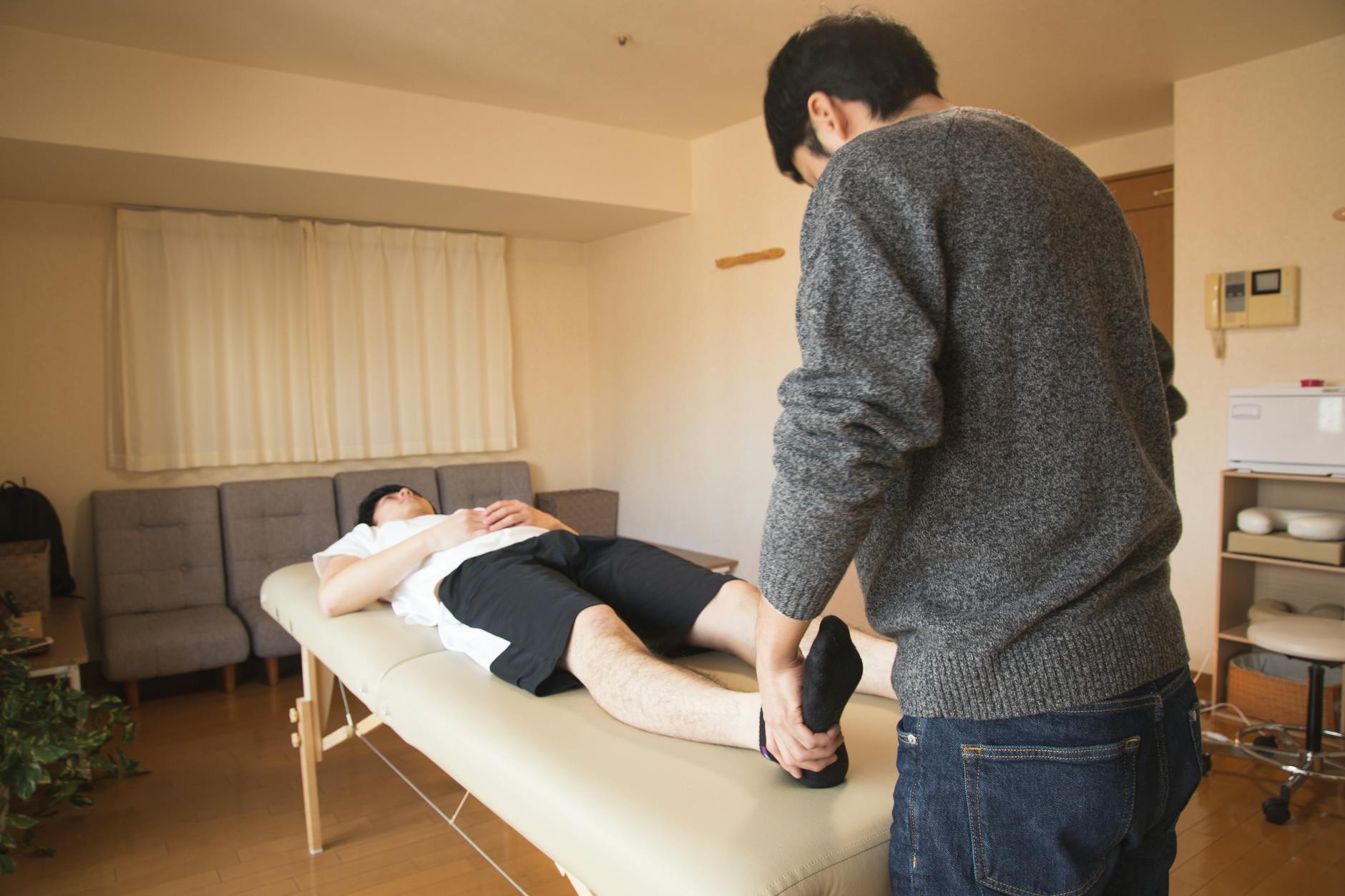
Massage is one of the most well-studied non-pharmacological interventions for RLS. A randomized controlled trial published in the Journal of Alternative and Complementary Medicine found that regular lower-leg massage significantly reduced RLS severity scores and improved sleep quality in participants over an eight-week period. The proposed mechanism is that tactile and proprioceptive stimulation from massage temporarily overrides the uncomfortable sensory signals that characterize RLS — a process consistent with the gate control theory of pain and sensation. Vibration applied to the legs has been explored in similar research, with promising early results. Some RLS treatment devices now leverage this principle, delivering gentle pneumatic compression or vibration to the lower limbs before and during sleep onset, based on this clinical rationale.
Compression Therapy
Graduated compression — the same principle used in medical compression stockings — has attracted growing interest as a restless leg syndrome treatment device approach. The theory is that compression alters sensory input to the legs, potentially modulating the abnormal neural signaling associated with RLS. A study in the Journal of Clinical Sleep Medicine found that pneumatic compression devices worn for one hour before sleep produced significant reductions in RLS severity scores compared to sham compression. For people who prefer non-pharmacological management, compression represents a promising, low-risk option worth discussing with a physician.
Mental Engagement and Distraction Techniques
Because RLS symptoms are dramatically worsened by inactivity and quiet rest, mental engagement can provide meaningful temporary relief. Cognitively demanding activities — crossword puzzles, knitting, reading an absorbing book, or engaging conversations — appear to compete with the sensory signals of RLS at a neurological level. This is why many RLS sufferers find that symptoms are much less bothersome when they are actively occupied versus when they are passively trying to fall asleep.
When to See a Doctor
While mild RLS can often be managed with lifestyle changes alone, there are clear indicators that professional evaluation is warranted:
- Symptoms occurring three or more nights per week
- Significant sleep disruption that affects daytime functioning
- Symptoms that are spreading to the arms or other body parts
- No improvement after six to eight weeks of consistent RLS natural remedies and lifestyle changes
- Suspected underlying conditions such as kidney disease, peripheral neuropathy, or anemia
- Current pregnancy with severe nighttime symptoms
A primary care physician can conduct an initial assessment, order the relevant blood tests (iron panel, ferritin, B12, folate, kidney function), and refer to a sleep specialist or neurologist if needed. Keeping a symptom diary for two to three weeks before your appointment — noting timing, severity, what helps, and what makes things worse — will make the consultation significantly more productive.
Frequently Asked Questions About Restless Leg Syndrome
Key Takeaways
Restless leg syndrome is a genuine neurological condition — not restlessness or anxiety — with well-documented biological underpinnings involving dopamine pathways and iron metabolism. Restless leg syndrome relief is entirely achievable for most people, but it requires the right strategy tailored to the underlying cause and severity.
Here is a summary of what the evidence supports:
- Get your iron levels checked first — especially serum ferritin. This is the single highest-yield step for many RLS patients.
- Review your medications with your doctor — antihistamines and certain antidepressants are common hidden culprits.
- Prioritize sleep hygiene — a consistent schedule and a cool, dark bedroom reduce the impact of nighttime symptom flares.
- Move regularly — moderate aerobic exercise three to five times per week is among the most evidence-backed RLS natural remedies available.
- Try pre-sleep rituals — warm baths, leg massage, and avoiding caffeine and alcohol in the evenings directly address known symptom triggers.
- Consider compression or vibration — as a non-pharmacological restless leg syndrome treatment device option, particularly if lifestyle changes alone are insufficient.
- See a doctor if symptoms are frequent or severe — effective pharmaceutical options exist, and a specialist can help you navigate augmentation risk with dopamine agonists.
Living with RLS does not have to mean resigning yourself to endless sleepless nights. With the right combination of medical evaluation, lifestyle changes, and evidence-based home strategies, most people can meaningfully reduce how often and how severely this condition disrupts their lives. The key is approaching it systematically rather than simply reaching for the nearest sleep aid — which, as we have seen, may actually be making things worse.
This article is intended for educational purposes only and does not constitute medical advice. Always consult a qualified healthcare professional before starting any new treatment, supplement, or device.