Professional Teeth Whitening vs At-Home Kits: Is the Price Difference Worth It?
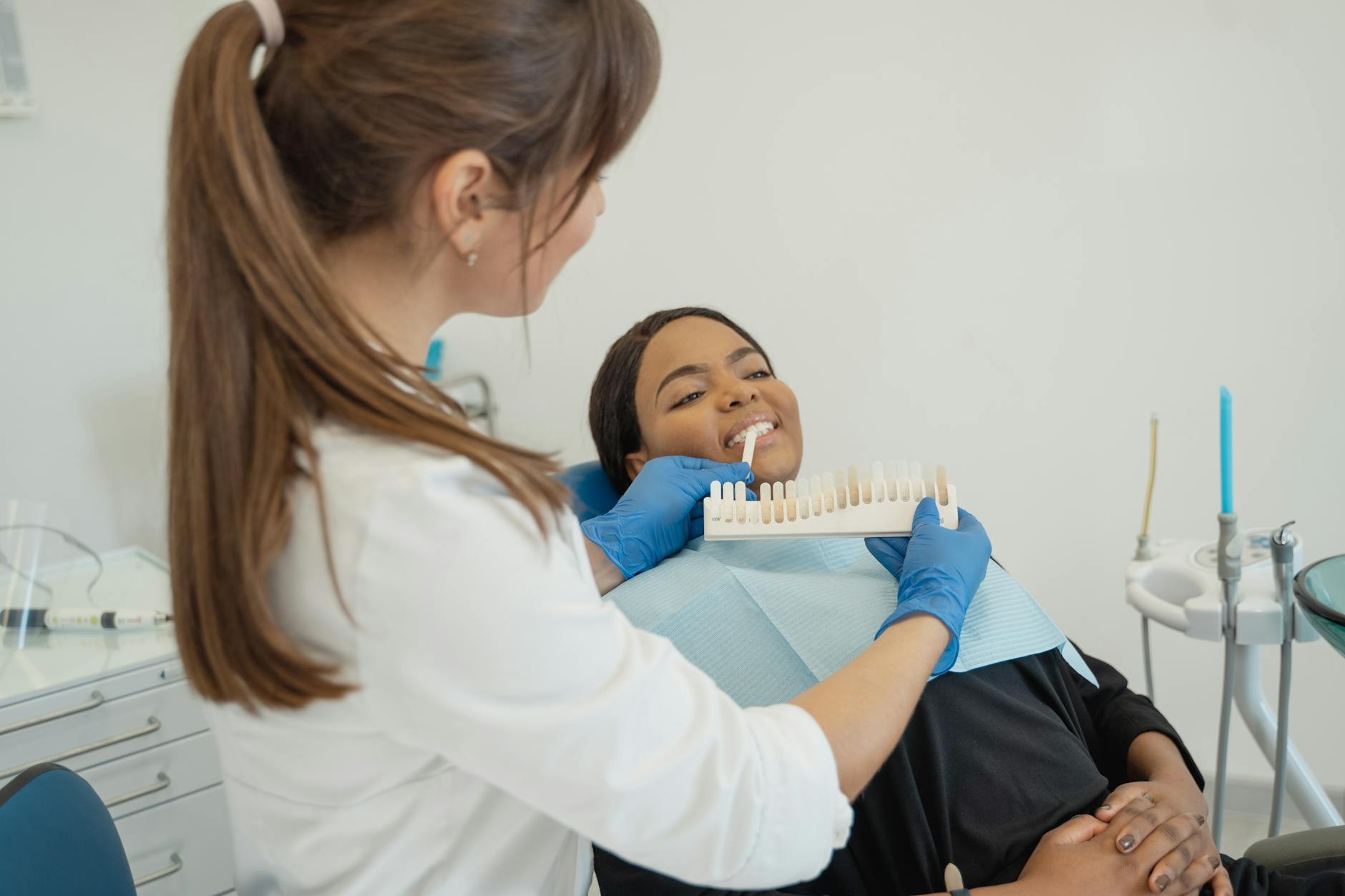
If you have ever sat in a dentist's chair and winced at a $600 quote for teeth whitening — only to walk past a drugstore display selling strips for $35 — you have asked the same question millions of people ask every year: is professional teeth whitening vs at-home treatment actually worth the price gap? The honest answer is: it depends, and the factors that determine the answer are more nuanced than most dental websites admit.
This guide breaks down what you are genuinely paying for at the dentist, how each method compares on real-world results, and gives you a practical framework to decide which option makes sense for your teeth, timeline, and budget. We will cover in-office teeth whitening cost, the real performance of over-the-counter options, and the one metric — cost per shade change — that makes the comparison actually meaningful.
What You Actually Pay for at the Dentist
The sticker price for in-office teeth whitening typically ranges from $200 to $800 per session, with the national average sitting around $400–$500 in 2026. But that number alone does not tell the full story. Here is what that fee usually covers — and what it does not.
What is typically included in the in-office teeth whitening cost:
- A pre-treatment dental exam or shade assessment
- Custom gum barrier and soft-tissue protection
- High-concentration hydrogen peroxide gel (25%–40%)
- One to three light-activation cycles of 15–20 minutes each
- A take-home touch-up kit at some practices (not all)
What is typically NOT included:
- A full dental cleaning beforehand (billed separately, often $75–$200)
- Follow-up sensitivity treatments if your teeth react poorly
- Maintenance trays for future touch-ups ($100–$300 additional)
So the true all-in cost of a professional whitening appointment can reach $800–$1,000 once you account for a cleaning, the whitening session itself, and a maintenance tray. That is the realistic number to benchmark against at-home alternatives.
In-Office Whitening Methods Compared: Zoom, Laser, and Custom Trays
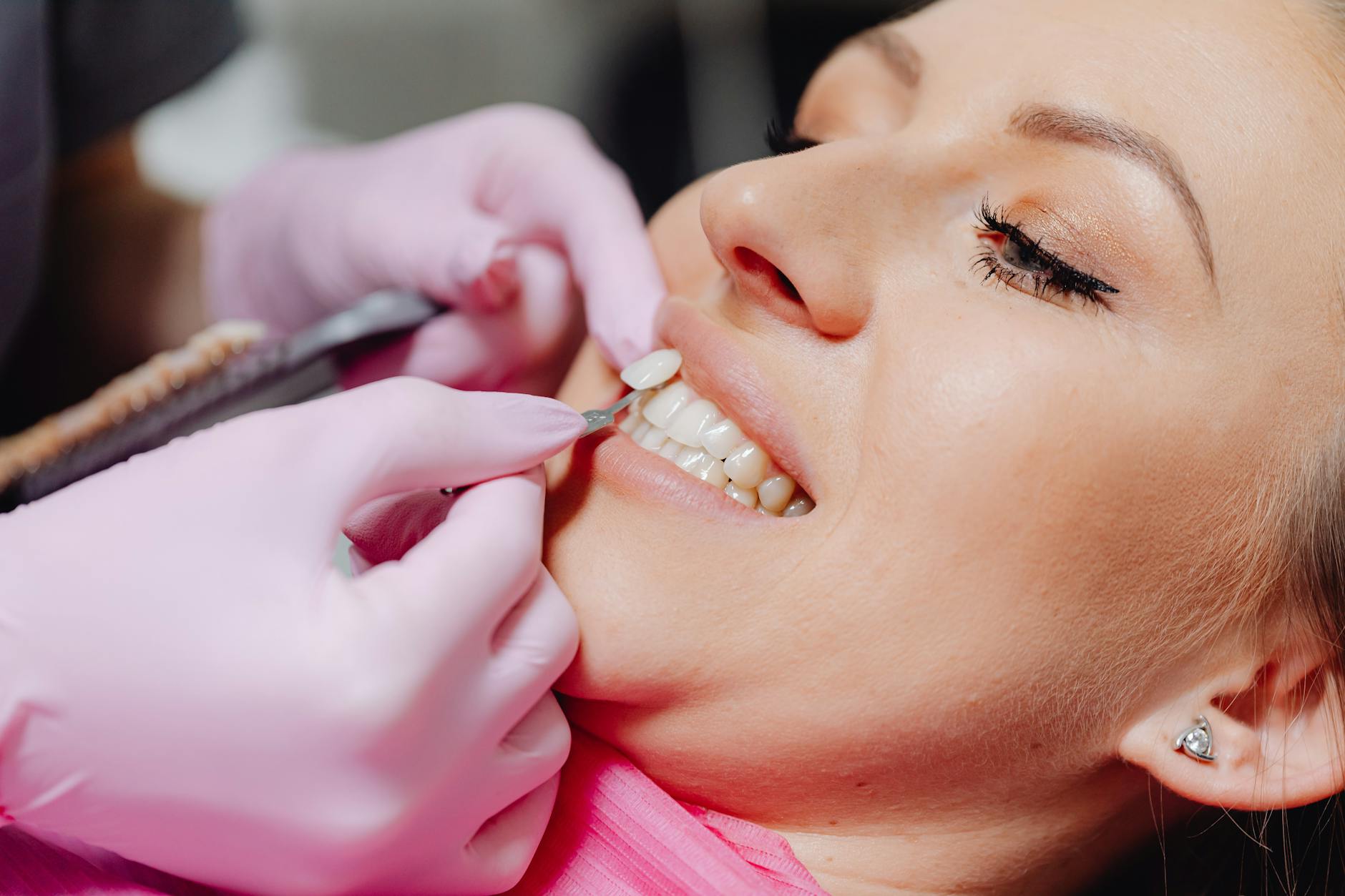
Not all professional whitening is created equal. There are three main in-office methods, each with a different price point and result profile.
Zoom Whitening ($300–$600): The most widely recognized brand in the category, Zoom uses a 25% hydrogen peroxide gel activated by a proprietary UV/LED lamp over three 15-minute cycles in a single visit. Most patients achieve 6–8 shades of improvement in roughly 45 minutes of chair time. It is fast, reliable, and widely available — but can cause noticeable post-treatment sensitivity for 24–48 hours.
Laser Whitening ($400–$800): True laser whitening uses a focused diode laser to activate the bleaching gel rather than a broad-spectrum lamp. It is typically faster per cycle and can be more precise around existing restorations. The results are comparable to Zoom — 6–10 shades in a single session — but the higher equipment cost is passed directly to the patient. The sensitivity profile is similar.
Dentist-Dispensed Custom Trays ($200–$400 + follow-ups): Your dentist takes impressions of your teeth, fabricates custom-fitted trays, and gives you a professional-strength gel (10%–22% carbamide peroxide) to use at home over 10–14 nights. Results are slower — typically 4–8 shades over two weeks — but many dentists argue this produces a more even, natural-looking outcome with less sensitivity than chair-side bleaching. The trays are reusable indefinitely with refill gel.
At-Home Options Ranked: Strips vs. Trays vs. LED Kits
The at-home whitening kit vs dentist comparison spans a surprisingly wide range of products and price points. Here is an honest breakdown of the main categories.
Whitening Strips ($20–$60 for a full course): Over-the-counter strips use 6%–10% hydrogen peroxide — significantly lower than professional concentrations. A standard 14-day course from leading brands produces 2–4 shades of improvement for most people. They are the lowest-cost entry point and work well for mild to moderate extrinsic staining (surface stains from coffee, tea, and wine). The main limitation is uneven coverage: strips don't conform perfectly to tooth surfaces, leaving gaps near the gumline and between teeth.
OTC Whitening Trays ($25–$80): Boil-and-bite or pre-formed trays provide better coverage than strips and hold the gel in contact with teeth more evenly. Results are broadly similar to strips — 2–4 shades — but the user experience is more comfortable for many people. They remain limited by OTC peroxide concentration caps.
LED Whitening Kits ($50–$150): These kits combine a gel (typically 10%–16% hydrogen peroxide or carbamide peroxide equivalent) with a mouth-fitted LED light designed to accelerate the bleaching reaction. Independent studies on consumer LED kits show mixed results: the light itself provides minimal additional whitening beyond what the gel alone achieves at these concentrations. Most users report 2–5 shades improvement over a two-week course. They look impressive but the LED component is largely a marketing device at this price range.
Cost Per Shade Change: The Metric That Actually Matters

Total price is a poor comparison metric on its own. A better way to evaluate how much teeth whitening costs relative to results is to calculate the cost per shade change — what you spend for each step up the Vita shade guide.
Here is how the main options compare using conservative mid-range estimates:
| Method | Typical Cost | Shades Gained | Cost Per Shade |
|---|---|---|---|
| Whitening Strips (OTC) | $40 | 2–4 shades | $10–$20 |
| LED Kit (OTC) | $100 | 3–5 shades | $20–$33 |
| Dentist Custom Trays | $300 | 4–8 shades | $37–$75 |
| Zoom / In-Office | $450 | 6–8 shades | $56–$75 |
| Laser Whitening | $600 | 6–10 shades | $60–$100 |
The takeaway from this table is striking: whitening strips deliver the lowest cost per shade change by a significant margin — if your goal is moderate improvement of extrinsic staining and you are willing to wait two weeks. The premium for in-office whitening is essentially the premium for speed, depth of treatment, and professional supervision — not for a fundamentally superior whitening mechanism.
Results Comparison: How Many Shades Does Each Method Actually Achieve?
When evaluating dentist whitening vs whitening strips purely on outcome, the evidence from clinical studies is more nuanced than most ads suggest. A 2019 review published in the Journal of the American Dental Association found that in-office bleaching consistently outperforms OTC products on both immediate results and speed — but the gap in final outcomes narrows considerably over 4–6 weeks when patients use OTC products consistently.
Key findings worth knowing:
- In-office whitening achieves a higher immediate whitening effect (up to 8–10 shades in one visit) that OTC products cannot replicate in a single session
- After four weeks of consistent OTC strip use, many patients approach comparable final shade levels — the difference is primarily speed, not ceiling
- Intrinsic staining (from tetracycline antibiotics, fluorosis, or trauma) responds significantly better to prolonged professional-supervised treatment than to any OTC product
- Restorations (crowns, veneers, bonding) do not whiten at all — professional or OTC — which means matching natural teeth to existing restorations requires professional guidance regardless of budget
When Professional Whitening Is Actually Worth the Premium
The question of whether professional whitening is worth it has a clear answer in specific circumstances. There are situations where the higher spend is genuinely justified and OTC alternatives will leave you disappointed.
Intrinsic or deep staining: Tetracycline-related discoloration, fluorosis banding, and staining from old root canal treatments sit deep within the dentin layer — not on the enamel surface. Reaching these stains requires sustained exposure to higher-concentration peroxide under professional supervision. This is one area where in-office or dentist-supervised at-home treatment has a clear clinical edge over drugstore products.
You have crowns, veneers, or significant bonding: If your smile includes dental restorations, only a dentist can evaluate what shade your natural teeth need to reach to match (or be matched by) your restorations. Unguided whitening risks creating a mismatched smile — making some teeth visibly brighter than fixed restorations that cannot change color.
Time pressure: If you have a wedding, major interview, or important event within the next 48–72 hours, only in-office treatment can deliver visible results that quickly. No OTC product closes that gap.
Sensitivity management: Paradoxically, a dentist-supervised protocol is sometimes the better choice for people with sensitive teeth — not because it is gentler, but because your dentist can customize the concentration, timing, and desensitization treatment before and after, reducing the risk of a painful experience.
When At-Home Kits Are the Smarter Financial Choice
For the majority of people with typical extrinsic staining from food, coffee, tea, and wine, at-home whitening kits represent genuinely good value — and in many cases achieve results indistinguishable from professional treatment when used correctly.
At-home options make more sense when:
- Your staining is mild to moderate and surface-level (lifestyle staining from diet)
- You are not in a rush and can commit to a 10–14 day routine
- Your teeth and gums are healthy with no existing restorations to match
- Budget is a meaningful constraint — you could run four full OTC whitening courses for the cost of one Zoom session
- You want ongoing maintenance whitening rather than a single dramatic result
The most cost-effective long-term strategy many dental professionals recommend is actually a hybrid approach: one professional cleaning plus dentist-dispensed custom trays for the initial whitening course, then OTC strips or whitening toothpaste for quarterly maintenance. This captures the precision of professional tray fabrication while keeping long-term maintenance costs low.
The Hidden Costs of In-Office Whitening
Beyond the chair-side fee, in-office teeth whitening cost carries several secondary costs that rarely appear in the headline price — and which can substantially change the total-value calculation.
Time investment: A Zoom or laser session requires booking an appointment, traveling to and from the clinic, and 90+ minutes of in-chair time including prep and recovery. For most working adults, that represents a half-day commitment including travel. At an hourly rate of $50, that is an additional $75–$150 in opportunity cost not reflected in the sticker price.
Dental cleaning prerequisite: Most dentists require (and all should recommend) a professional cleaning before whitening to ensure the gel acts on clean enamel rather than plaque or tartar. If your last cleaning was more than six months ago, add $100–$200 to the total.
Post-treatment touch-ups: In-office whitening results fade. Studies show most patients lose 1–3 shades within the first three months as the enamel rehydrates and surface staining resumes. Maintaining results requires either periodic re-treatments (at full cost) or take-home maintenance trays (an additional $100–$300 that is often not included in the original quote).
Sensitivity management products: A meaningful proportion of patients experience 24–72 hours of tooth sensitivity after in-office bleaching. Prescription-strength fluoride treatments or desensitizing gels from your dentist add another $20–$60 to the true cost of the experience.
Making Your Decision: A Simple Framework
Given everything above, here is a straightforward decision guide for the professional teeth whitening vs at-home question:
FAQ: Professional Teeth Whitening vs At-Home
Key Takeaways
The debate between professional teeth whitening vs at-home solutions is not one-size-fits-all. Based on the evidence, here is what you should walk away knowing:
- In-office whitening costs $200–$800 per session; the true all-in cost including cleaning and maintenance trays can reach $800–$1,000
- OTC strips deliver the best cost per shade change — $10–$20 per shade vs $56–$100 per shade for in-office treatment
- The main advantage of professional treatment is speed, depth of penetration, and clinical oversight — not a fundamentally different whitening mechanism
- Professional treatment is genuinely worth the premium for intrinsic staining, restoration matching, and time-sensitive situations
- For typical lifestyle staining, a consistent OTC routine over 4–6 weeks can approach professional results at a fraction of the cost
- The smartest long-term strategy for most people is a hybrid approach: professional trays for the initial course, then OTC maintenance
- Always consult a dentist before whitening if you have existing restorations, significant sensitivity, or have not had a cleaning in over 6 months
Ultimately, whiter teeth do not require an expensive dentist appointment — but they do require an honest look at the type and degree of staining you are dealing with. Match the method to the problem, and you will get the best outcome regardless of budget.