Peach Fuzz on Face: Why You Have It and the Best Ways to Remove It
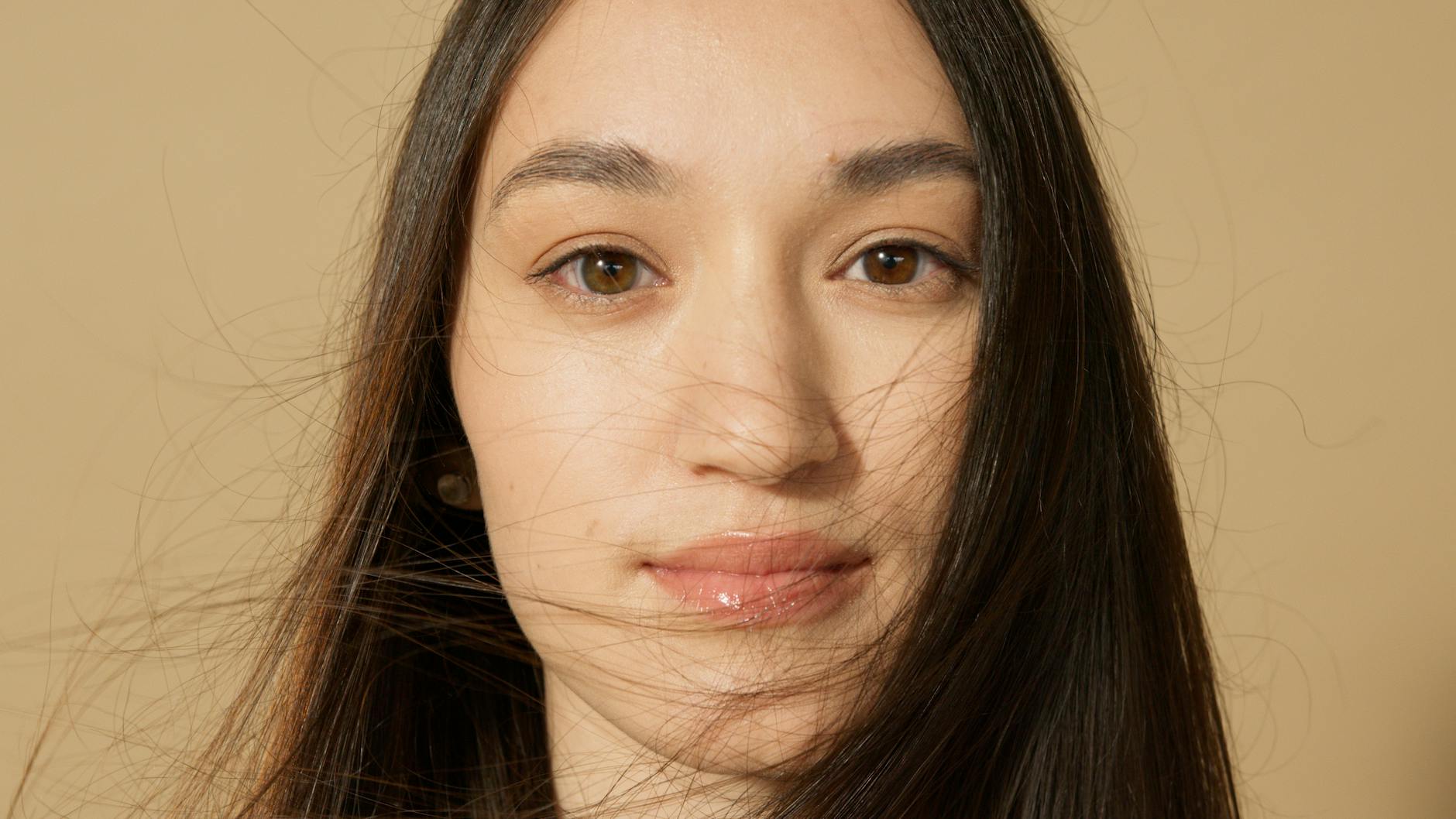
If you have ever caught your face in bright sunlight and noticed a soft layer of fine hair across your cheeks, upper lip, or chin, you have seen your own peach fuzz on face — and you are far from alone. Almost every person alive has it. Yet despite how universal it is, peach fuzz generates a surprising amount of confusion: What exactly is it? Is it normal? Does removing it make it grow back thicker? And what method is actually worth trying?
This guide answers all of those questions honestly, without judgment and without pushing you toward any particular product or treatment. Whether you are simply curious or actively looking to remove peach fuzz from your face, here is everything you need to know.
What Is Peach Fuzz, Exactly? (The Science of Vellus Hair)
Peach fuzz is the informal name for vellus hair — the short, fine, lightly pigmented strands that cover most of the human body from infancy onward. The term "vellus" comes from the Latin word for fleece, which is apt: the hairs are wispy, soft, and usually less than 2 mm long.
Your body grows two main types of hair throughout life:
- Vellus hair — fine, short, barely pigmented, covers most of the face and body
- Terminal hair — thicker, longer, darker strands that grow on the scalp, eyebrows, underarms, and (after puberty) in other areas
Vellus hair follicles are small and produce little to no melanin, which is why the hairs are nearly translucent. They grow from the same follicle structures as terminal hair, but the follicle never receives the hormonal signal to enlarge and produce a coarser strand — at least not in most facial zones.
In plain terms: the peach fuzz on your face is a perfectly normal, biologically intended feature of human skin. It is not a flaw, a disorder, or a sign that something has gone wrong.
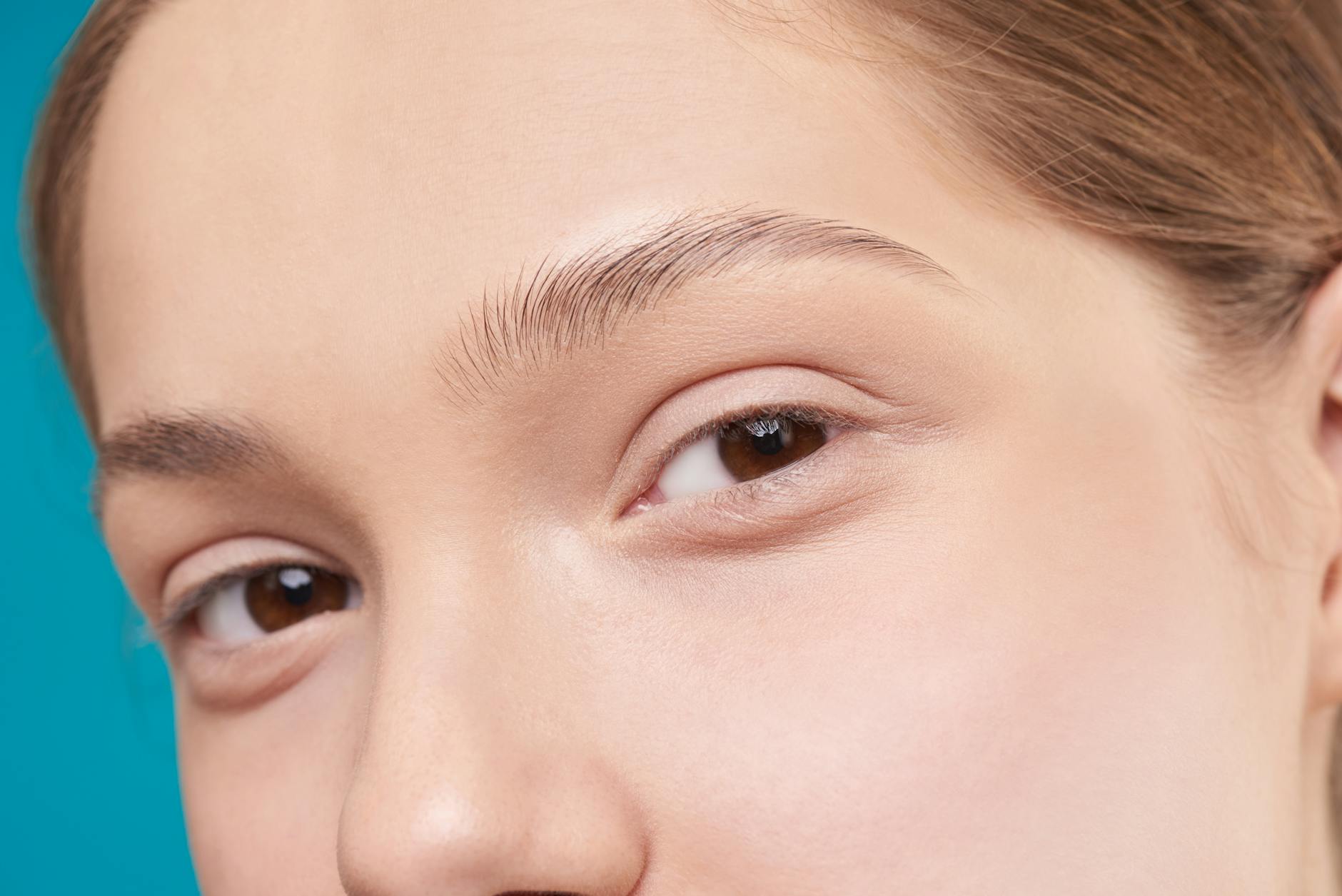
Why Some People Have More Peach Fuzz Than Others
You may have noticed that your friend's skin looks virtually hairless in photos while yours catches every ray of light. That difference comes down to several interacting factors.
Genetics
The density, length, and visibility of your vellus hair is largely inherited. Ethnic background plays a significant role: people of East Asian or Northern European ancestry tend to have finer, sparser vellus hair, while those of Middle Eastern, South Asian, or Mediterranean descent may have denser, more visible facial fuzz. Neither is better or worse — it is simply genetic variation.
Hormones
Androgens — a group of hormones that includes testosterone — are the primary driver of hair growth patterns. Even in people assigned female at birth, the body produces androgens in small amounts. When androgen levels rise above a certain threshold (due to puberty, pregnancy, polycystic ovary syndrome, or menopause), vellus follicles on the face can be stimulated to produce thicker, darker terminal hairs. This is why some women notice coarser hair on the chin or upper lip as they age or during hormonal shifts.
Conditions linked to excess androgens — such as polycystic ovary syndrome (PCOS) or congenital adrenal hyperplasia — can cause a more pronounced form of facial hair growth called hirsutism, which is distinct from ordinary peach fuzz. If you have suddenly developed noticeably coarser, darker facial hair, it is worth mentioning to a doctor.
Medications
Certain drugs can trigger increased vellus hair growth as a side effect. Minoxidil (used for hair loss), cyclosporine (an immunosuppressant), and some corticosteroids are known to stimulate hair follicles across the body, including on the face.
Skin Tone and Hair Color Contrast
Sometimes what looks like "more" peach fuzz is simply greater contrast. Darker facial hair against lighter skin is more visible in photographs and sunlight, even if the actual density is no different from someone whose fuzz blends into their complexion.
Does Peach Fuzz Serve Any Purpose?
Yes — though not in a way that makes removal medically necessary. Vellus hair plays several minor but real roles:
- Temperature regulation: Each vellus hair is connected to a tiny arrector pili muscle. When you are cold, these muscles contract, raising the hairs and trapping a thin layer of warm air against the skin — the same mechanism that causes goosebumps.
- Sensory function: Vellus follicles contain nerve endings that make your skin sensitive to light touch, airflow, and pressure — useful for detecting insects or other surface contact before they reach the skin.
- Sebum distribution: The fine hairs help spread natural skin oils (sebum) across the surface of the skin, contributing to moisture retention.
None of these functions are so critical that removing the hair causes lasting harm. But it is worth knowing the hair is not just decoration — it is doing something, even if you never notice it.
Should You Remove Peach Fuzz? Honest Pros and Cons
This is ultimately a personal decision, and there is no medically correct answer. Here is a balanced look at both sides.
Reasons People Choose to Remove It
- Smoother makeup application: Foundation and powder can catch on fine hairs, creating a slightly textured finish. Many people find that removing peach fuzz allows makeup to glide on more evenly and last longer.
- Brighter-looking skin: Dermaplaning in particular removes both vellus hair and the superficial layer of dead skin cells, leaving skin visibly more luminous immediately after the treatment.
- Personal preference: Some people simply prefer the aesthetic of a hair-free face. That is a completely valid reason on its own.
- Skincare product absorption: Without a layer of fine hair, serums and moisturizers may penetrate the skin surface more directly.
Reasons People Choose to Leave It
- It is completely normal: Every person has vellus hair. It is not a hygiene issue or a flaw.
- Removal takes ongoing effort: Because vellus hair regrows (all hair does), most removal methods require regular maintenance.
- Some methods carry skin risk: Improper technique can cause irritation, micro-cuts, or in rare cases hyperpigmentation — particularly for people with sensitive or darker skin tones.
- The hair does not grow back thicker: This persistent myth is false (more on this below), but the regrowth period when hairs are short can feel stubbly briefly.

The Myth About Peach Fuzz Growing Back Thicker
Before covering the removal options, this myth deserves a direct answer: removing peach fuzz does not cause it to grow back thicker, darker, or faster.
This belief has been studied repeatedly, and the science is consistent. Hair thickness and color are determined by the follicle — the root structure beneath the skin — not by what happens at the surface. Shaving, dermaplaning, threading, or waxing does not alter the follicle in any way that changes the type of hair it produces.
What creates the illusion of thicker regrowth is the blunt tip left after cutting. Natural, uncut vellus hairs taper to a fine point, which feels soft against the skin. After shaving or dermaplaning, the hair grows back with a flat-cut end, which can feel slightly coarser for the first week or two until the tip tapers again. This is purely a textural illusion — the hair itself is biologically identical to what was removed.
Every Peach Fuzz Removal Method, Ranked and Explained
There is a wide spectrum of options for peach fuzz hair removal, ranging from inexpensive at-home tools to professional clinic treatments. Here is how each one works, what it costs, and how long the results last.
1. Dermaplaning
How it works: A sterile scalpel or single-edge blade is held at a 45-degree angle and drawn gently across the skin in short strokes, removing vellus hair and the topmost layer of dead skin cells simultaneously.
At home vs. professional: Dermaplaning tools marketed for home use are widely available and use a smaller, rounded safety blade. Professional dermaplaning performed by an esthetician or dermatologist uses a surgical scalpel and is more thorough, but at-home devices are effective for routine maintenance.
Results: Skin looks immediately smoother and brighter. Regrowth appears in 3–4 weeks.
Skin safety: Generally safe for most skin types. Avoid during active breakouts, rosacea flares, or on sunburned skin. People with very sensitive skin should patch test and use a light hand.
Cost: At-home tools typically cost $10–$30. Professional sessions run $75–$200.
2. Threading
How it works: A thin cotton or polyester thread is twisted and rolled across the skin, catching and pulling hairs out at the root. It is one of the oldest hair removal techniques in the world, originating in South Asia and the Middle East.
Results: Because the hair is removed from the root, regrowth takes longer — typically 4–6 weeks. With repeated use, some people notice the hair grows back finer over time.
Skin safety: Threading does not use heat or chemicals, making it one of the gentler options for sensitive skin. It can cause temporary redness. It is less suitable for covering large areas like the full cheeks efficiently.
Cost: Professional threading typically costs $10–$30 per session depending on the area.
3. Facial Epilators (Electronic Hair Removal Devices)
How it works: A facial epilator uses a series of rotating discs or tweezers to grasp and pull out multiple hairs simultaneously at the root. Devices designed specifically for facial use are much smaller and gentler than body epilators.
Results: Root-level removal means results last 3–6 weeks. Like threading, repeated epilation can gradually weaken the follicle over time, leading to finer regrowth.
Skin safety: Can cause temporary redness and is more likely to cause discomfort than dermaplaning or threading. Not recommended for active acne or extremely sensitive skin. Best used at a 90-degree angle to the skin with the area taut.
Cost: Quality facial epilators range from $30–$100 for a one-time device purchase.
4. Waxing
How it works: Warm wax is applied to the skin and removed quickly with a cloth strip or by peeling the wax itself, taking hairs with it from the root.
Results: Root removal means results last 3–6 weeks. Many people find waxing too aggressive for fine facial vellus hair.
Skin safety: The main risks on the face are burns from wax that is too hot, and skin lifting — a superficial wound where a thin layer of skin is accidentally removed along with the wax, more likely in people using retinoids or exfoliating acids. If you use tretinoin or other retinoids, do not wax your face without consulting your dermatologist.
Cost: At-home kits cost $10–$25. Professional facial waxing runs $15–$50.
5. Depilatory Creams
How it works: Chemical depilatories contain alkaline compounds (typically thioglycolate salts) that break down the keratin structure of the hair shaft, allowing it to be wiped away. The hair is dissolved at or just below the skin surface.
Results: Surface-level removal, so regrowth appears within 1–2 weeks — similar to shaving.
Skin safety: Facial-specific formulas exist, but the chemicals can be irritating. Always patch test 24 hours before applying to the face. People with eczema or sensitive skin should approach with caution. The smell is also notably unpleasant.
Cost: $5–$20 for a tube.
6. Laser Hair Removal
How it works: A laser targets the pigment (melanin) in the hair follicle, generating heat that damages the follicle and inhibits future growth. Multiple sessions are required because hair grows in cycles and the laser is most effective during the active growth phase.
Results: After a full course of treatment (typically 6–8 sessions spaced 4–6 weeks apart), most people see 70–90% permanent hair reduction. It does not guarantee 100% removal, and occasional maintenance sessions may be needed.
Skin safety: This is where an important limitation applies to peach fuzz specifically. Laser hair removal works best on dark hair against light skin because the laser needs sufficient contrast to target the follicle. Fine, lightly pigmented vellus hair on the face is often too pale for laser to treat effectively. A consultation with a dermatologist or laser technician will determine whether your specific hair and skin tone is a good candidate.
Cost: $150–$500 per session, with multiple sessions required. This makes it the most expensive option by a significant margin.
7. Electrolysis
How it works: A fine probe is inserted into each individual follicle, delivering an electrical current that permanently destroys the follicle's ability to produce hair. It is the only method recognized by the FDA as offering permanent hair removal.
Results: Truly permanent when the full course of treatment is completed. Unlike laser, electrolysis works on all hair colors and all skin tones because it does not rely on melanin contrast.
Skin safety: When performed by a trained electrologist, risks are low. Poorly performed electrolysis can cause scarring. The process is time-consuming because each follicle is treated individually — making it impractical for covering the entire face efficiently, though excellent for targeted areas like the upper lip or chin.
Cost: $30–$200 per hour-long session, with multiple sessions required. Costs vary widely by location and provider.
Dermaplaning vs. Epilating vs. Laser vs. Threading: A Side-by-Side Comparison
| Method | Removes from Root? | Results Duration | Works on Fine/Light Hair? | Typical Cost | Skin Sensitivity Risk |
|---|---|---|---|---|---|
| Dermaplaning | No (surface) | 3–4 weeks | Yes | $10–$200 | Low–Moderate |
| Threading | Yes | 4–6 weeks | Yes | $10–$30 | Low |
| Epilating | Yes | 3–6 weeks | Yes | $30–$100 (device) | Moderate |
| Laser | Yes (damages follicle) | Permanent reduction | Often not effective | $900–$4,000+ total | Moderate–High |
| Electrolysis | Yes (destroys follicle) | Permanent | Yes | $300–$2,000+ total | Low–Moderate |
Tips for Safe Peach Fuzz Removal at Home
If you decide to try at-home peach fuzz hair removal, a few simple practices protect your skin and improve your results:
- Start with clean, dry skin. Most at-home tools work better on dry skin. Cleanse your face, pat dry, and avoid applying any moisturizer or oil beforehand.
- Use gentle, short strokes. With dermaplaning tools in particular, light pressure in short downward strokes gives better control than long swipes across the face.
- Replace blades regularly. A dull blade requires more pressure, increasing friction and irritation. Single-use blades should be replaced with every session.
- Soothe afterward. After any hair removal method, apply a gentle, fragrance-free moisturizer. Avoid active ingredients like retinoids, AHAs, or BHAs on the same day — the skin is more permeable right after removal.
- Wear SPF the next day. Freshly treated skin is more susceptible to UV damage. A broad-spectrum SPF 30+ is essential.
- Avoid during active breakouts. Do not use any mechanical removal method over active pimples or inflamed skin — this can spread bacteria and worsen breakouts.
When to See a Dermatologist About Facial Hair
Ordinary peach fuzz does not require a doctor's visit. However, there are situations where consulting a dermatologist is a good idea:
- You have noticed a sudden increase in facial hair that is darker or coarser than before, particularly on the chin, jaw, or neck
- Facial hair changes are accompanied by other symptoms such as irregular periods, acne, weight gain, or scalp hair thinning — potential indicators of a hormonal condition like PCOS
- You want to explore laser or electrolysis and need guidance on which is appropriate for your skin tone and hair type
- You have experienced irritation, scarring, or persistent redness following an at-home removal attempt
A dermatologist can also prescribe topical treatments — such as eflornithine cream, which slows the rate of facial hair growth — for people who find maintenance removal burdensome.
Frequently Asked Questions About Peach Fuzz
Key Takeaways
Peach fuzz on the face is vellus hair — a universal, biologically normal feature of human skin. How visible it is varies from person to person based on genetics, hormone levels, skin tone, and hair color contrast. It serves minor sensory and temperature-regulation functions, but removing it does not cause lasting harm.
The decision to remove it is entirely personal. If you choose to, here is the short version of what you need to know:
- Dermaplaning is the most popular at-home option — quick, affordable, and doubles as light exfoliation
- Threading is the gentlest root-removal method and a good choice for sensitive skin
- Epilating removes from the root at home, with results lasting several weeks
- Laser is often not effective on fine, light-colored vellus hair, and is the most expensive option
- Electrolysis is the only FDA-recognized permanent method and works on all hair types and skin tones
- No method causes regrowth that is thicker or darker — that is a myth
Whatever you decide, the most important thing is to choose a method appropriate for your skin type, follow safe technique guidelines, and protect your skin with SPF afterward. If you ever notice sudden, unexplained changes in facial hair growth, a conversation with a dermatologist is a worthwhile step.