PCOS and Facial Hair: What Causes It and What Actually Helps
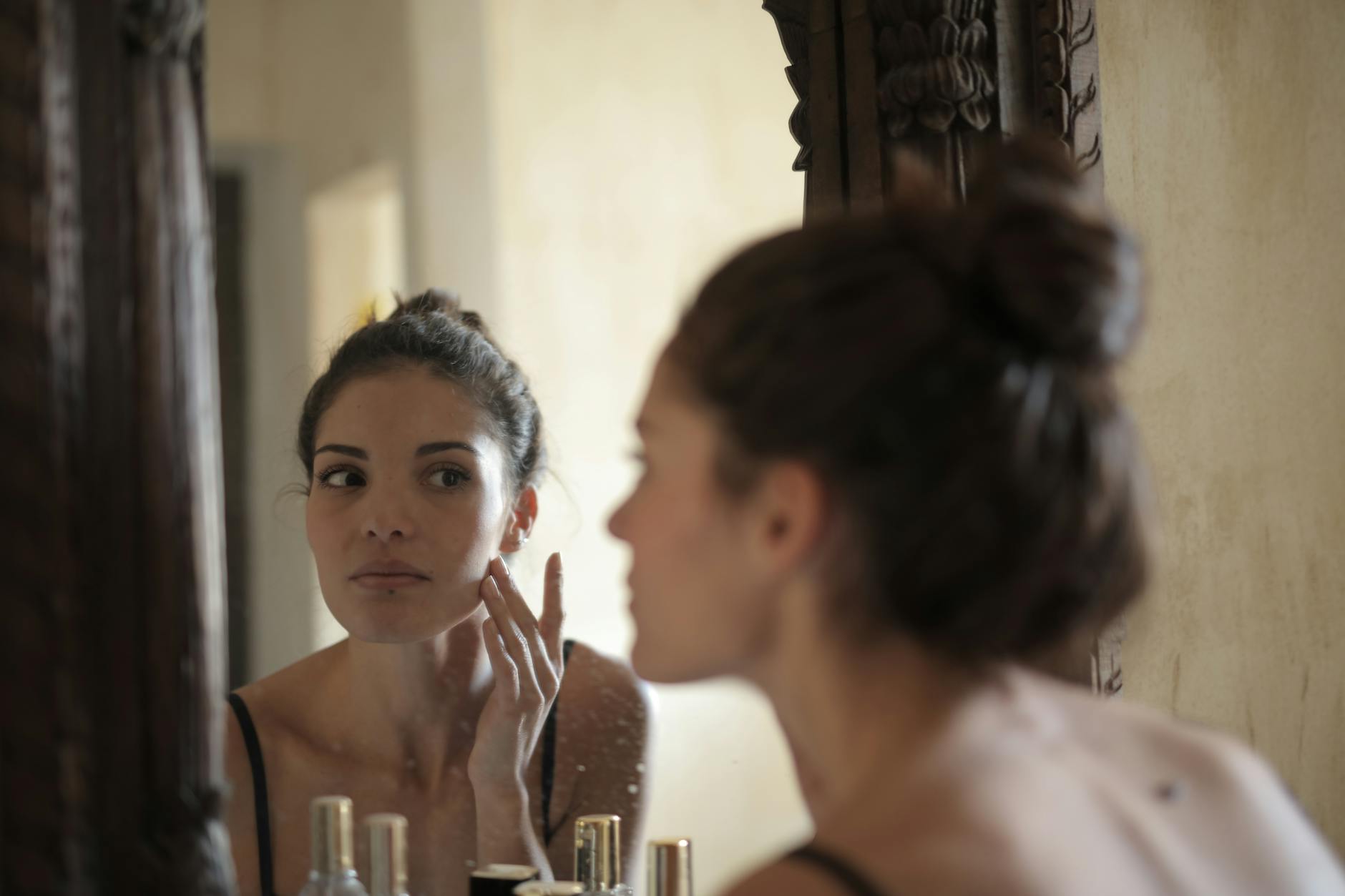
You are not imagining it, and you are certainly not alone. If you have been noticing dark, coarse hairs appearing on your chin, upper lip, or along your jawline, PCOS facial hair — known medically as hirsutism — is one of the most common and emotionally difficult symptoms of polycystic ovary syndrome. Roughly 70–80% of women with PCOS experience some degree of unwanted facial or body hair, yet it remains one of the least talked-about aspects of the condition. This guide explains exactly why it happens, what the science says, and — most importantly — what you can actually do about it, from medical treatments to gentle at-home strategies.
What Is PCOS and How Does It Affect Hair Growth?
Polycystic ovary syndrome (PCOS) is a hormonal disorder that affects an estimated 1 in 10 women of reproductive age worldwide, making it one of the most common endocrine conditions in existence. Despite its name, you do not need to have cysts on your ovaries to receive a PCOS diagnosis. What defines the condition is a cluster of symptoms driven primarily by hormonal imbalance — specifically, elevated levels of androgens, which are often referred to as "male hormones," though women naturally produce them too.
In a healthy hormonal environment, androgens like testosterone exist in small amounts and play roles in bone density, libido, and muscle mass. In PCOS, the ovaries (and sometimes the adrenal glands) produce androgens in excess. This excess signals hair follicles across the body to behave differently — converting fine, barely-visible vellus hairs into thick, dark, coarse terminal hairs in places they were never meant to be prominent: the chin, upper lip, sideburns, cheeks, and neck.
The condition also disrupts insulin signaling. In many women with PCOS, cells become resistant to insulin, prompting the pancreas to produce more of it. Elevated insulin in turn stimulates the ovaries to produce even more androgens — creating a feedback loop that makes both the hormonal imbalance and its physical symptoms, including unwanted facial hair in women, self-perpetuating without intervention.
Why Facial Hair Appears: The Biology of Hirsutism
Not all hair on the body is equally sensitive to androgens. Hair follicles in certain areas — particularly the chin, upper lip, sideburns, and jawline — contain receptors that are highly responsive to dihydrotestosterone (DHT), the most potent form of androgen. When circulating androgens rise above a certain threshold, these "androgen-sensitive" follicles undergo a process called miniaturization in reverse: instead of the scalp-hair thinning seen in male-pattern baldness, the facial follicles do the opposite and start producing thicker, darker, longer hairs.
This is why PCOS chin hair removal is such a preoccupation for so many women — the chin and jaw are among the most androgen-responsive areas on a woman's face. Upper lip and sideburn growth follow the same mechanism. The severity varies considerably from person to person, influenced by genetics (how sensitive your individual follicles are to androgens), ethnicity, and the degree of androgen excess. Some women with high androgen levels notice minimal hair growth; others with only mildly elevated levels experience significant hirsutism.
It is also worth understanding that once a follicle has been converted to terminal hair production, simply lowering androgens through medication will not reverse it entirely. The hair may become finer and lighter over time with successful hormone management, but the follicle itself often retains some degree of activity. This is why a two-pronged approach — addressing the underlying hormone imbalance medically and using hair removal methods — tends to produce the best long-term outcomes.
Medical Treatments That Address the Root Cause
If you have been diagnosed with PCOS or suspect it based on your symptoms, working with a healthcare provider to manage androgen levels is the most effective long-term strategy. The following prescription options are commonly used and have solid evidence behind them.
Spironolactone
Originally developed as a blood pressure medication, spironolactone is now one of the most widely prescribed treatments for PCOS-related hirsutism. It works by blocking androgen receptors in the hair follicle, meaning even if your androgen levels remain elevated, the follicles become less responsive to them. Studies consistently show a meaningful reduction in facial hair growth after three to six months of use. It also tends to slow regrowth after hair removal, making PCOS facial hair removal sessions less frequent over time. It is not suitable during pregnancy, so reliable contraception is required alongside it.
Combined Oral Contraceptives
Certain combined oral contraceptive pills (COCs) serve a dual purpose for women with PCOS: they regulate the menstrual cycle and suppress androgen production from the ovaries. Pills containing anti-androgenic progestins — such as drospirenone or cyproterone acetate (where available) — are particularly effective for hirsutism. Results typically take six to twelve months to become visible, since the full hair growth cycle must run its course. The pill is often used in combination with spironolactone for more significant cases.
Metformin
Metformin is an insulin-sensitizing medication most commonly associated with type 2 diabetes management, but it has a well-established role in PCOS treatment. By improving the body's response to insulin, it helps break the insulin-androgen feedback loop mentioned earlier. Its effect on hirsutism is more modest and indirect than spironolactone, but for women with significant insulin resistance it can form a useful part of a broader treatment plan. It is generally well tolerated and may also help with weight management and menstrual regularity.
Eflornithine (Vaniqa)
Eflornithine is a topical prescription cream applied directly to areas of unwanted facial hair. It does not remove existing hair but slows the rate of regrowth by inhibiting an enzyme involved in hair production. Many women use it alongside other removal methods to extend the time between sessions. It needs to be used continuously to maintain its effect and can cause skin irritation in some users.

Gentle Hair Removal Methods for PCOS-Affected Skin
While medical treatment addresses the hormonal root cause, most women also want practical strategies for managing the hair that is already there. PCOS skin can be more reactive than average — hormonal fluctuations often contribute to increased sebum production, sensitivity, and a tendency toward acne — so the method of female chin hair removal matters considerably. Here is a clear comparison of the most common options.
Threading
Threading is arguably the gentlest option available for facial hair removal and is particularly well-suited to PCOS skin. It uses a twisted cotton thread to pull hairs from the follicle — no chemicals, no heat, no adhesives touch the skin. This makes it an excellent choice for women who also deal with PCOS-related acne or sensitivity. Results last two to four weeks. The main drawbacks are that it requires a skilled technician (home threading is possible but has a steep learning curve) and can cause temporary redness.
Tweezing / Precision Plucking
For isolated hairs — particularly individual chin hairs that appear between professional appointments — a good pair of slant-tip tweezers is a practical daily tool. Tweezing pulls the hair from the root and lasts one to three weeks per hair. The downside is that it is time-consuming if hair growth is more widespread, and repeated plucking of the same follicle can occasionally cause ingrown hairs or follicle distortion over time.
Laser Hair Removal
Laser hair removal targets the pigment in the hair follicle with concentrated light energy, progressively damaging the follicle's ability to produce hair. For women with PCOS, it is one of the most effective long-term solutions for PCOS facial hair removal, though it requires multiple sessions (typically six to eight for the face) and ongoing maintenance treatments, since hormonal stimulation from PCOS can continue to activate dormant follicles. It works best on dark hair against lighter skin, though newer technologies like Nd:YAG lasers are better suited to darker skin tones. Always seek a reputable clinic with experience treating women with hormonal conditions.
Electrolysis
Electrolysis is the only method currently recognized by the FDA as offering permanent hair removal. A fine probe is inserted into each follicle and a small electrical current destroys the hair root. It works on all hair colors and skin tones — an advantage over laser for women with lighter facial hair. The process is slower and more expensive per session than laser for large areas, but for targeted areas like the chin and upper lip it can deliver genuinely permanent results. Because PCOS continues to drive androgen production, some ongoing sessions may still be needed to address newly activated follicles.
Depilatory Creams
Chemical depilatory creams dissolve the hair shaft at skin level using alkaline compounds like calcium thioglycolate. They are inexpensive and widely available, but they are also the option most likely to cause irritation on sensitive PCOS skin. If you choose to try them, always patch test first, follow timing instructions carefully, and avoid using them over acne-prone or broken skin. They do not remove hair from the root, so regrowth appears within three to seven days.
Shaving and Dermaplaning
Despite the persistent myth, shaving does not make hair grow back thicker or darker — it only creates a blunt tip that feels stubbly. For women dealing with significant unwanted facial hair, a facial razor or dermaplaning tool can be a fast, painless, and accessible daily option. Dermaplaning (using a small angled blade across the skin) has the added benefit of removing dead skin cells, leaving the face smoother. Many dermatologists consider it a legitimate maintenance option for women with PCOS, particularly between professional treatments.
Practical At-Home Strategies Beyond Hair Removal
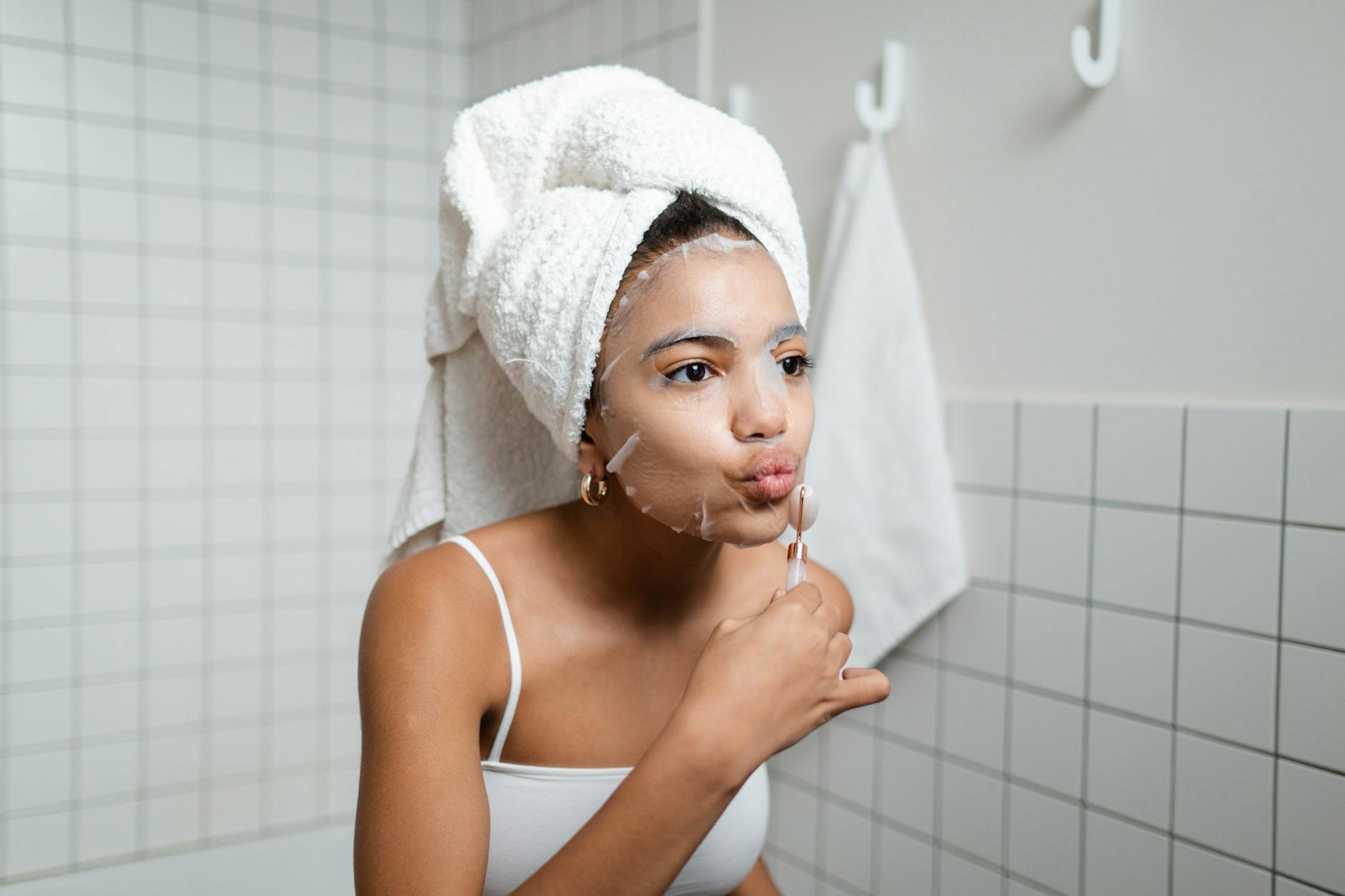
Managing PCOS facial hair is not only about what you remove — it is also about supporting your hormonal environment so that regrowth is slower and lighter over time. Several evidence-informed lifestyle strategies can meaningfully influence androgen levels and insulin sensitivity.
Diet and blood sugar management: Because elevated insulin drives androgen production in PCOS, a diet that prevents sharp blood sugar spikes can have a real hormonal effect. Reducing refined carbohydrates, prioritizing fiber, and eating balanced meals with adequate protein are consistently recommended by endocrinologists managing PCOS. This does not require extreme restriction — even moderate improvements in insulin sensitivity can influence androgen levels over months.
Regular physical activity: Exercise improves insulin sensitivity independently of weight loss. Both resistance training and aerobic exercise have been shown in clinical studies to reduce androgen levels and improve menstrual regularity in women with PCOS. Even 30 minutes of moderate activity on most days is enough to move the needle.
Stress management: Chronic stress elevates cortisol, and elevated cortisol can in turn raise androgen levels and worsen insulin resistance. While stress management will not replace medical treatment, practices like sleep prioritization, mindfulness, and reducing chronic overcommitment genuinely support hormonal balance.
Inositol supplements: Myo-inositol (and the combination of myo-inositol with d-chiro-inositol) has accumulated a reasonable body of evidence for improving insulin sensitivity, reducing androgen levels, and improving menstrual regularity in PCOS. It is available over the counter and well tolerated. It is not a replacement for prescription medication in more severe cases but may be worth discussing with your doctor as a complementary option.
Skincare for post-removal care: After any hair removal method, PCOS skin benefits from gentle aftercare. Use a fragrance-free, non-comedogenic moisturizer to calm the skin after threading or tweezing. If ingrown hairs are a recurring problem, a gentle exfoliant used two to three times per week between removal sessions can help keep follicles clear.
When to See an Endocrinologist
A general practitioner or OB-GYN can diagnose and begin treating PCOS, but there are situations where a referral to an endocrinologist — a specialist in hormonal disorders — is the right next step:
- Your hirsutism is severe, widespread, or rapidly progressing (rapid onset can suggest rarer causes that need ruling out, such as adrenal or ovarian tumors).
- You have tried one or more first-line treatments for six or more months without meaningful improvement.
- You have significant insulin resistance, metabolic syndrome, or prediabetes alongside your PCOS.
- You are trying to conceive and need guidance on ovulation induction while managing hirsutism treatments.
- Your hormone panel shows unusually high testosterone, DHEAS, or other androgens that fall outside typical PCOS ranges.
When you see your doctor, asking for a full hormonal panel — including total and free testosterone, DHEAS, LH, FSH, prolactin, fasting insulin, and SHBG — gives both you and your provider a clearer picture of what is driving your symptoms and which treatment approach is most likely to help.
Frequently Asked Questions
Key Takeaways
PCOS facial hair is a direct result of elevated androgens acting on genetically sensitive follicles — it is a medical symptom, not a personal failing, and it is one that many women navigate every day. The most effective approach combines addressing the hormonal root cause (through medical treatments like spironolactone or the pill, and through lifestyle changes that improve insulin sensitivity) with practical, skin-friendly removal methods suited to your specific situation.
- PCOS raises androgen levels, which convert fine hairs to coarse terminal hairs on the chin, upper lip, and jaw.
- Medical treatments like spironolactone and anti-androgenic contraceptives reduce the hormonal signal driving unwanted facial hair in women with PCOS — but require three to twelve months to show visible results.
- Threading and precision tweezing are the gentlest removal options for reactive PCOS skin; laser and electrolysis offer the most durable long-term reduction.
- Lifestyle changes — particularly a low-glycemic diet and regular exercise — can meaningfully lower insulin and androgen levels over time.
- Rapid or severe hirsutism warrants specialist evaluation to rule out other hormonal causes and to access more targeted treatment options.
- You deserve care that treats both the symptom and the underlying condition. Bringing up hirsutism explicitly at your next appointment — rather than hoping your doctor raises it — is an act of self-advocacy that can change the trajectory of your treatment.
Managing PCOS chin hair removal and female chin hair removal more broadly is a long game, not a quick fix. But with the right combination of medical support, evidence-based removal techniques, and sustainable lifestyle habits, most women do reach a place where it takes up far less mental energy and physical time than it does at the start of their journey.