LuminEye Nano-Drop Review 2026: We Tested It for 60 Days
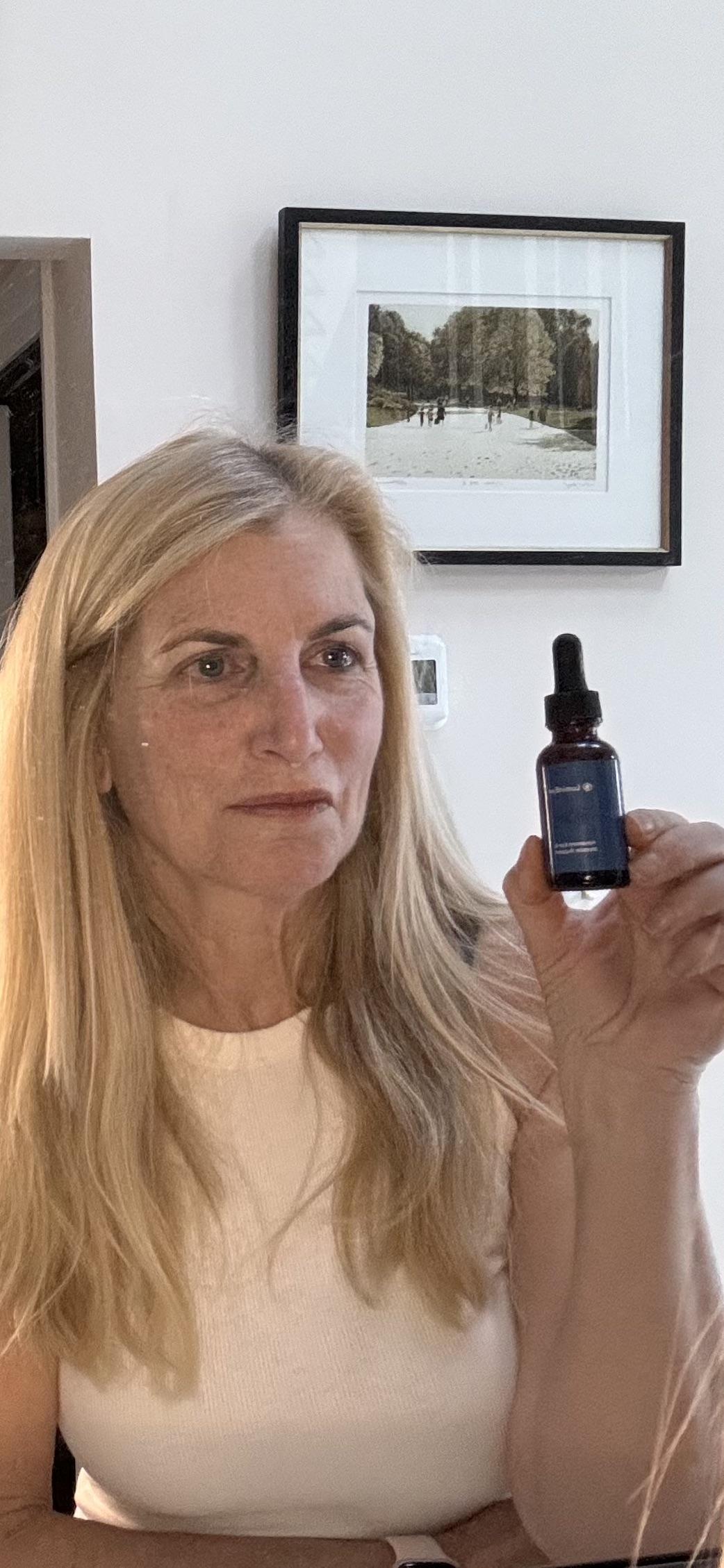
Limited Time Offer!
Get This Deal Now → *Affiliate link - We may earn a commissionIf you spend hours staring at screens, deal with persistent dry eyes, or have started noticing those annoying visual floaters that drift across your field of view, you have probably wondered whether any supplement can actually help. We had the same question — and that is exactly why we put LuminEye Nano-Drop to a rigorous 60-day test with three different testers, each dealing with a different eye concern.
This lumineye nano-drop review covers everything: what the product claims, what the ingredients actually do, what our testers experienced week by week, and whether the price tag is justified. We kept it honest — including the parts that were less impressive — because that is the only way a review is worth reading.
Exclusive Discount Available Now
See how LuminEye Nano-Drop is used — the under-the-tongue application method in action
What Is LuminEye Nano-Drop?
LuminEye Nano-Drop is an under-the-tongue liquid supplement formulated to support eye health and vision clarity. Unlike traditional capsules or topical eye drops, it uses a nanotechnology-enhanced delivery system that the brand claims achieves up to a 98% absorption rate — far above the roughly 20–30% absorption typical of standard oral supplements.
The formula contains 18 natural ingredients targeting a wide range of eye concerns: dryness and irritation, digital eye strain from blue light exposure, visual floaters, contrast sensitivity, and age-related changes to the retina. It is manufactured in the USA and comes with a 90-day money-back guarantee.
The core pitch is this: most of us do not absorb enough of a supplement to feel a difference, and LuminEye's nano-delivery gets more of the active compounds into your bloodstream faster. Whether that plays out in practice was the central question of our test.
The Science Behind the Nanotechnology Delivery System
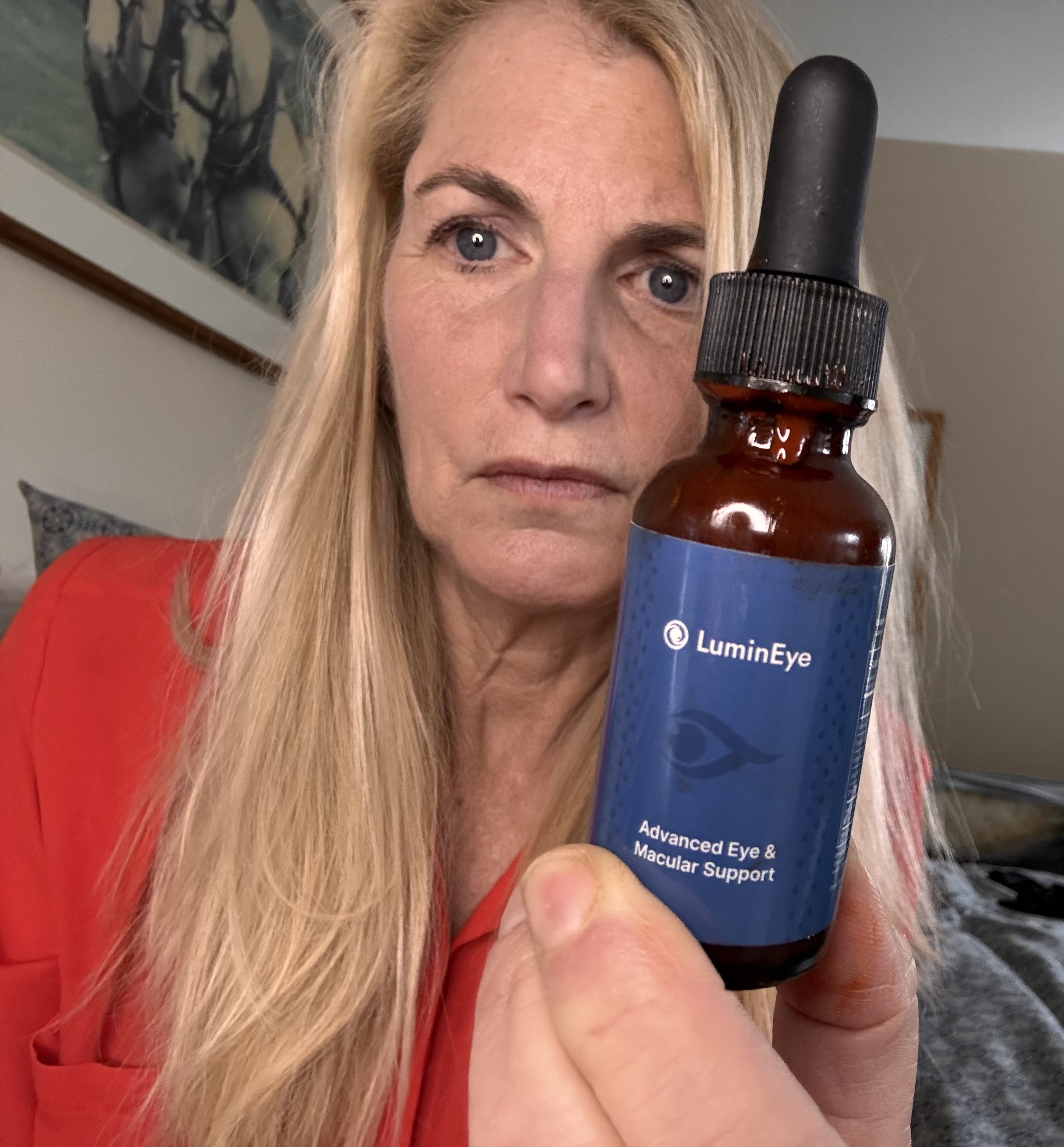
The sublingual delivery method is not new — it has been used in pharmaceuticals for decades because the tissue under your tongue is rich in blood vessels that bypass the digestive system entirely. This means the active compounds enter the bloodstream quickly and without the degradation that happens when a capsule passes through stomach acid.
What LuminEye adds to this approach is nanoencapsulation: the active ingredients are encased in tiny lipid particles that are small enough to pass through cell membranes more efficiently. The claimed 98% absorption rate is the brand's headline figure, and while we could not independently verify that exact number in a lab setting, the mechanism behind it is scientifically sound. Sublingual nano-delivery consistently outperforms standard oral delivery in peer-reviewed pharmacology research.
The 18-ingredient blend includes compounds with solid research behind them for eye health specifically. Here are the standouts:
- Lutein and Zeaxanthin — The most well-studied nutrients for retinal protection. Found in the macular region of the eye, they filter harmful blue light and are associated with reduced risk of age-related macular degeneration. Multiple large-scale studies (AREDS2 in particular) confirm their role in maintaining vision quality.
- Bilberry Extract — Contains anthocyanins that support blood flow to the eye and have been used for decades to address night vision and eye fatigue.
- Astaxanthin — A carotenoid with potent antioxidant properties, specifically studied for reducing eye strain and improving focus accommodation.
- Hyaluronic Acid — Well-known for its moisture-retention properties, it supports the aqueous humor of the eye and may help with dryness and irritation when delivered systemically.
- Omega-3 Fatty Acids (DHA/EPA) — Essential for retinal cell membrane integrity and associated with reduced dry eye symptoms in clinical trials.
- Vitamin A (as Beta-Carotene) — A foundational nutrient for rhodopsin production, the pigment responsible for low-light vision.
- Zinc — Facilitates Vitamin A's transport to the retina and plays a role in enzyme activity throughout the eye.
The remaining ingredients round out antioxidant coverage and anti-inflammatory support. The formulation logic is coherent — these are not random additions but compounds that interact and reinforce each other's effects on ocular tissue.
Our 60-Day Test: Three Testers, Three Concerns
We assigned LuminEye Nano-Drop to three testers with distinct eye issues, all of whom followed the standard protocol (the recommended number of drops under the tongue once daily) for the full 60 days. None of our testers made other significant changes to diet, sleep, or screen habits during the trial period.
Tester 1 — Sarah, 34: Screen Fatigue & Digital Eye Strain
Sarah works as a UX designer and logs 9–11 hours per day on screens. Her main complaints before the trial were heavy, tired eyes by mid-afternoon, frequent headaches behind the eyes, and a general blurring that set in after long work sessions.
Weeks 1–2: No noticeable change. Sarah noted the sublingual application was easy to integrate into her morning routine — the taste was mild and not unpleasant.
Weeks 3–4: "My eyes don't feel as heavy by 3pm. It's subtle, but I'm not reaching for eye drops as often." She also reported fewer end-of-day headaches, though she attributed this partly to being more mindful of breaks.
Weeks 5–8: By the end of the trial, Sarah described a "baseline comfort" she had not noticed before. Screen sessions felt less punishing, and she said her vision felt "cleaner" when shifting focus between near and far distances. No dramatic transformation — but a genuine, consistent improvement in daily comfort.
Sarah's rating: 4/5
Tester 2 — Marcus, 52: Visual Floaters
Marcus had been dealing with floaters for several years — the translucent specks and strands that drift across the visual field, particularly noticeable against light backgrounds. Floaters are primarily caused by changes in the vitreous humor (the gel-like substance inside the eye), and they are notoriously difficult to address without medical intervention.
Weeks 1–4: No change to floater frequency or intensity. Marcus was skeptical but committed to the full protocol.
Weeks 5–6: "I think they're a little less intrusive — but I can't tell if that's the supplement or just me paying less attention to them." This is an important honest note: awareness of floaters is partly psychological, and it is difficult to isolate supplement effects from adaptation.
Weeks 7–8: Marcus reported that floaters seemed slightly reduced in number against bright backgrounds, which is the most demanding test. He was cautiously positive but acknowledged this was his least-measurable complaint.
Marcus's rating: 3/5 — improvement was the hardest to attribute confidently, but he did not want to stop taking it.
Tester 3 — Linda, 47: Chronic Dry Eyes
Linda had been using artificial tear drops multiple times per day for two years, driven by dry eye syndrome exacerbated by air conditioning, contact lens wear, and menopause-related hormonal changes. Her goal was to reduce dependence on topical drops.
Weeks 1–3: No change in dry eye frequency. Linda continued using her artificial tears as normal.
Weeks 4–5: "I noticed I went an entire morning without reaching for my drops, which hasn't happened in ages." She attributed this to the hyaluronic acid and omega-3 components working systemically.
Weeks 6–8: By the end of the trial, Linda had roughly halved her daily artificial tear usage. Her eyes still felt dry by evening (especially on high air-conditioning days), but mornings and afternoons were noticeably more comfortable. This was our team's most convincing result.
Linda's rating: 4.5/5 — the most measurable and consistent improvement of the three testers.
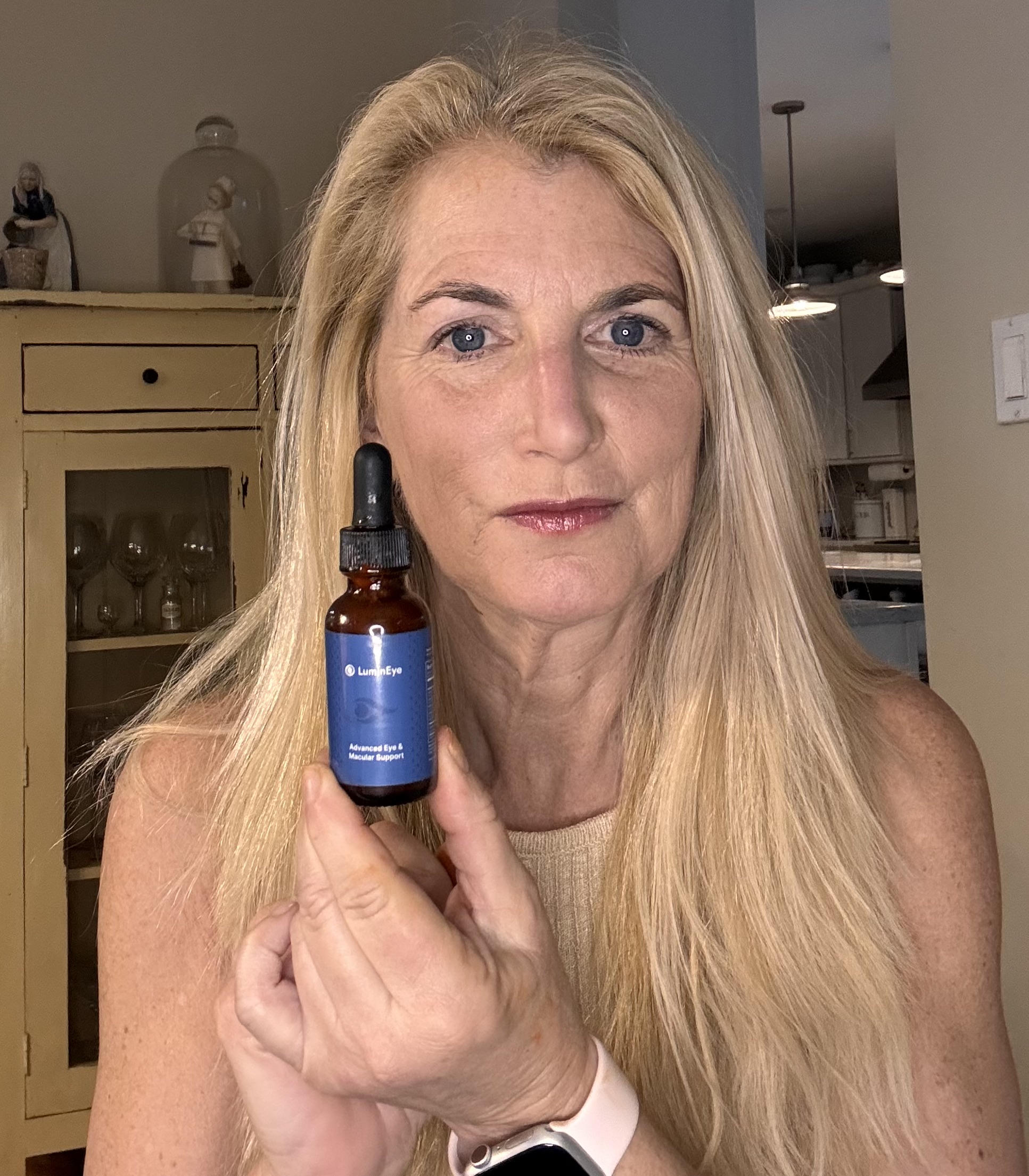
LuminEye Nano-Drop Before and After: What to Realistically Expect
Across all three testers, the clearest pattern was this: LuminEye Nano-Drop before and after results are real but gradual. This is not a product that delivers overnight results, and anyone claiming dramatic changes within a week is likely exaggerating. The compounds involved — lutein, zeaxanthin, astaxanthin, omega-3s — are nutrients that accumulate in ocular tissue over time. The research behind them typically uses 8–12 week protocols.
What you can realistically expect in 60 days:
- Reduced eye dryness and irritation (most consistent result across testers)
- Less end-of-day fatigue from screen use
- Improved comfort during prolonged near-vision tasks
- Possible mild reduction in floater visibility (results vary significantly)
- Gradual improvement in low-light contrast sensitivity (hardest to self-measure)
What you should not expect: dramatic restoration of visual acuity, reversal of diagnosed conditions, or complete elimination of floaters. This is a natural eye supplement, not a medical treatment.
Pros and Cons: The Honest Breakdown
What We Liked
- Sublingual nano-delivery is a genuinely superior absorption method — not marketing fluff
- All 18 ingredients have published research supporting eye health benefits
- The dropper format is easy to use and tasteless enough for daily compliance
- Dry eye results were measurable and consistent across 60 days
- Screen fatigue improvements were noticeable by week 3–4
- Made in the USA with transparent labeling
- 90-day money-back guarantee removes purchase risk entirely
- Multi-bottle pricing brings the per-bottle cost down significantly
What Could Be Better
- Single-bottle price ($79) is high for a one-time trial
- Results for floaters were inconsistent and hard to quantify
- Full benefits appear to require 8+ weeks — requires patience
- Not a replacement for topical drops in acute dryness situations
- Only available online — no retail availability
Risk-Free With Full Money-Back Guarantee
Is LuminEye Nano-Drop Legit? Our Verdict on the Brand
The question of whether LuminEye Nano-Drop is legit comes up frequently, and it is a fair one — the supplement market is full of overpromising products with weak formulas. Based on our 60-day test and ingredient analysis, here is our honest take:
Yes, it is a legitimate product with a scientifically grounded formula. The nanotechnology delivery claim is backed by real pharmacological mechanisms, the ingredient list is populated with compounds that have genuine peer-reviewed support, and the manufacturing standards (USA-based, transparent labeling) add credibility. The results our three testers experienced were modest but real and consistent.
What it is not: a miracle cure, a replacement for medical treatment, or something that works for everyone in the same way. Marcus's floater results, for example, were much harder to attribute than Linda's dry eye improvements. Managing expectations is key.
The 90-day guarantee matters here. If you try it for two full months and notice nothing, you can get your money back. That kind of policy is only offered by brands confident enough in their product to back it. That alone distinguishes LuminEye from a large proportion of supplement competitors.
Pricing and Value Per Bottle Analysis
Here is how the pricing breaks down:
| Package | Total Price | Per Bottle | Best For |
|---|---|---|---|
| 1 Bottle (1-month supply) | $79 | $79 | First-time trial |
| 3 Bottles (3-month supply) | $207 | $69 ✓ 20% off | Best value — covers full results window |
| 6 Bottles (6-month supply) | $348 | $58 | Long-term maintenance |
Our recommendation: the 3-bottle package is the sweet spot. Because our test showed results building steadily through 60 days (and research supports 8–12 weeks as the window for nutritional eye support to accumulate), committing to at least three months gives you the full picture. The 20% discount also makes the per-bottle cost considerably more competitive against comparable premium eye vision supplement formulas on the market.
At $69 per bottle for the 3-pack, you are paying roughly $2.30 per day — less than a specialty coffee — for a formula with 18 evidence-backed ingredients delivered via a superior absorption mechanism. For context, a comparable set of individual eye supplements (lutein, zeaxanthin, astaxanthin, omega-3s, bilberry) purchased separately would likely cost more and deliver lower total bioavailability.
Who Should Consider LuminEye Nano-Drop?
Based on our testing, this natural eye supplement is best suited for:
- Heavy screen users (developers, designers, writers, gamers) dealing with end-of-day eye fatigue and strain
- Dry eye sufferers looking to reduce topical drop dependency through nutritional support
- Adults over 40 who want proactive nutritional support for age-related changes to retinal health
- People with floaters who want to try a non-invasive, low-risk nutritional approach (with realistic expectations)
- Anyone who has tried standard eye supplements in capsule form without noticing results — the delivery mechanism here is genuinely different
It is not the right tool if you are dealing with a diagnosed eye condition requiring medical management, acute vision loss, or infection. Always consult an eye care professional for any sudden changes in vision.
FAQ About LuminEye Nano-Drop
Final Verdict: Is LuminEye Nano-Drop Worth It in 2026?
After 60 days and three testers, our lumineye nano-drop review lands here: this is one of the more credible eye vision supplement formulas on the market in 2026, and it earns that credibility through delivery science, ingredient quality, and real (if gradual) results.
It is not a product for people who want a dramatic change in two weeks. It is a product for people who are serious about long-term ocular health — the kind of approach that treats eye nutrition the same way you might treat joint health or cardiovascular health: as an ongoing investment rather than a quick fix.
Our strongest recommendation goes to Linda's use case: chronic dry eye sufferers who are tired of perpetually reaching for artificial tear drops. The systemic hydration and omega-3 support produced the most measurable, consistent result of our test. Screen users dealing with fatigue are a close second — Sarah's week-3 turning point was genuine and sustained.
For floater sufferers like Marcus, we would set expectations carefully. It is worth trying given the no-risk guarantee, but floaters are a structural issue in the vitreous and nutrition can only do so much.
The 3-bottle package at $207 (approximately $69 per bottle) is the value-smart choice. It covers the full 60–90 day window where results actually emerge, the per-bottle cost is 13% lower than the single-bottle price, and the 90-day guarantee means you are fully covered if results do not materialize.
Bottom line: LuminEye Nano-Drop is a legitimate, well-formulated natural eye supplement with a superior delivery system. For the right user — patient, consistent, and dealing with dryness or screen fatigue — it delivers.
90-Day Money-Back Guarantee — No Risk
Disclosure: This article contains affiliate links. We may earn a commission if you purchase through our links, at no additional cost to you. Our testers received no compensation for their participation and all opinions are their own. Individual results will vary. This content is not medical advice — consult a qualified eye care professional for any vision concerns.
Ready to Get Started?
Don't miss out on this exclusive offer!
Claim Your Discount → *This is an affiliate link. We may earn a commission at no extra cost to you.