How to Stimulate Your Vagus Nerve Naturally: 12 Science-Backed Methods

If you've ever taken a slow, deliberate breath to calm yourself before a stressful meeting — or felt an inexplicable sense of calm after a cold shower — you've already experienced your vagus nerve at work. Understanding how to stimulate the vagus nerve naturally is one of the most promising frontiers in drug-free stress and anxiety management, and the science behind it is more accessible than most people realize.
The vagus nerve is the longest cranial nerve in the body, running from your brainstem all the way down through your heart, lungs, and gut. It is the backbone of the parasympathetic nervous system — the "rest and digest" counterpart to your stress-driven fight-or-flight response. When vagal tone (the baseline activity level of the vagus nerve) is high, people tend to experience better emotional regulation, lower resting heart rate, reduced inflammation, and improved resilience to stress. When it's low, anxiety, depression, and chronic inflammation become more common.
The good news: you can train your vagal tone the way you train a muscle. Below are 12 science-backed methods — all free or low-cost — to help you get started today.
What Is Vagal Tone and Why Does It Matter?
Before diving into the methods, it helps to understand what researchers mean by vagal tone. The most common proxy measure is heart rate variability (HRV) — the natural variation in time between heartbeats. A higher HRV generally reflects greater parasympathetic activity, meaning the vagus nerve is doing its job well. Studies consistently link high HRV to better cardiovascular health, reduced anxiety, stronger immune function, and even better social bonding.
The following vagus nerve exercises have been studied for their ability to raise HRV, activate the parasympathetic nervous system, or directly stimulate the vagus nerve via mechanical, vibrational, or thermal pathways.
12 Ways to Stimulate Your Vagus Nerve Naturally
1. Slow Diaphragmatic Breathing
Difficulty: Beginner | Time needed: 5–10 minutes
This is the most well-researched vagus nerve breathing technique available. Breathing at roughly 5–6 breaths per minute (inhaling for 5 seconds, exhaling for 5 seconds) has been shown in multiple trials to significantly increase HRV and activate the baroreflex — a pressure-sensing mechanism that directly stimulates vagal output. The key is making the exhale at least as long as the inhale. Try a 4-second inhale through the nose, followed by a 6–8 second exhale through pursed lips. Even 5 minutes daily produces measurable improvements in vagal tone over several weeks.
2. Cold Water Exposure
Difficulty: Intermediate | Time needed: 30 seconds to 3 minutes
Cold water vagus nerve activation is one of the fastest-acting methods available. Splashing cold water on your face, submerging your face in a bowl of ice water for 30 seconds, or ending your shower with 1–2 minutes of cold water triggers the "diving reflex" — an ancient mammalian response that dramatically slows heart rate via the vagus nerve. Research shows that even brief cold facial immersion can reduce heart rate by 10–25% within seconds. Regular cold exposure also appears to reduce baseline inflammatory markers associated with low vagal tone.

3. Humming, Chanting, or Singing
Difficulty: Beginner | Time needed: 5–15 minutes
The vagus nerve innervates the muscles of the larynx and pharynx. Activating these muscles through humming vagus nerve techniques — such as sustained humming, chanting "Om," gargling vigorously, or singing out loud — creates vibration that physically stimulates vagal fibers. A 2015 study found that group singing significantly increased HRV in participants. Even solo humming for 5 minutes produces a measurable shift in autonomic balance. The "Bhramari" pranayama breath (humming bee breath from yoga) is particularly effective: exhale slowly while making a resonant humming sound with lips closed.
4. Gargling with Water
Difficulty: Beginner | Time needed: 2–3 minutes
Gargling vigorously engages the same vagus-innervated muscles as humming and singing. The posterior pharyngeal wall — the back of your throat — is rich with vagal nerve endings, and the muscular contractions of gargling stimulate them directly. Practitioners in the biohacking community often recommend gargling water until the eyes water slightly, which signals strong vagal activation in the throat. Do this once or twice daily, ideally after brushing your teeth, for 30–60 seconds each session.

5. Yoga and Mindful Movement
Difficulty: Beginner to Intermediate | Time needed: 20–45 minutes
Yoga is one of the most well-studied behavioral interventions for increasing vagal tone. Its combination of slow breathing, physical postures, and mindful attention creates a triple stimulus: respiratory vagal activation, baroreceptor stimulation from stretching, and parasympathetic engagement from focused attention. A 2017 review in the journal Frontiers in Human Neuroscience found that yoga practitioners consistently show higher HRV than matched non-practitioners. Poses that open the chest and throat — like fish pose, camel pose, and shoulder stand — are especially associated with vagal stimulation. Even 20 minutes three times a week shows measurable effects within eight weeks.
6. Meditation and Mindfulness Practice
Difficulty: Beginner | Time needed: 10–20 minutes daily
Mindfulness meditation doesn't just calm the mind — it literally rewires autonomic nervous system activity over time. A landmark 2010 study by Barbara Fredrickson and colleagues found that loving-kindness meditation increased vagal tone over a nine-week period, and the improvements correlated with greater positive emotions and social connectedness. The mechanism involves sustained top-down regulation: the prefrontal cortex, when calmed and focused, exerts inhibitory control over the amygdala and releases pressure on the HPA stress axis, allowing the vagus to operate at higher activity levels. Apps like Insight Timer or Calm make this highly accessible for beginners.
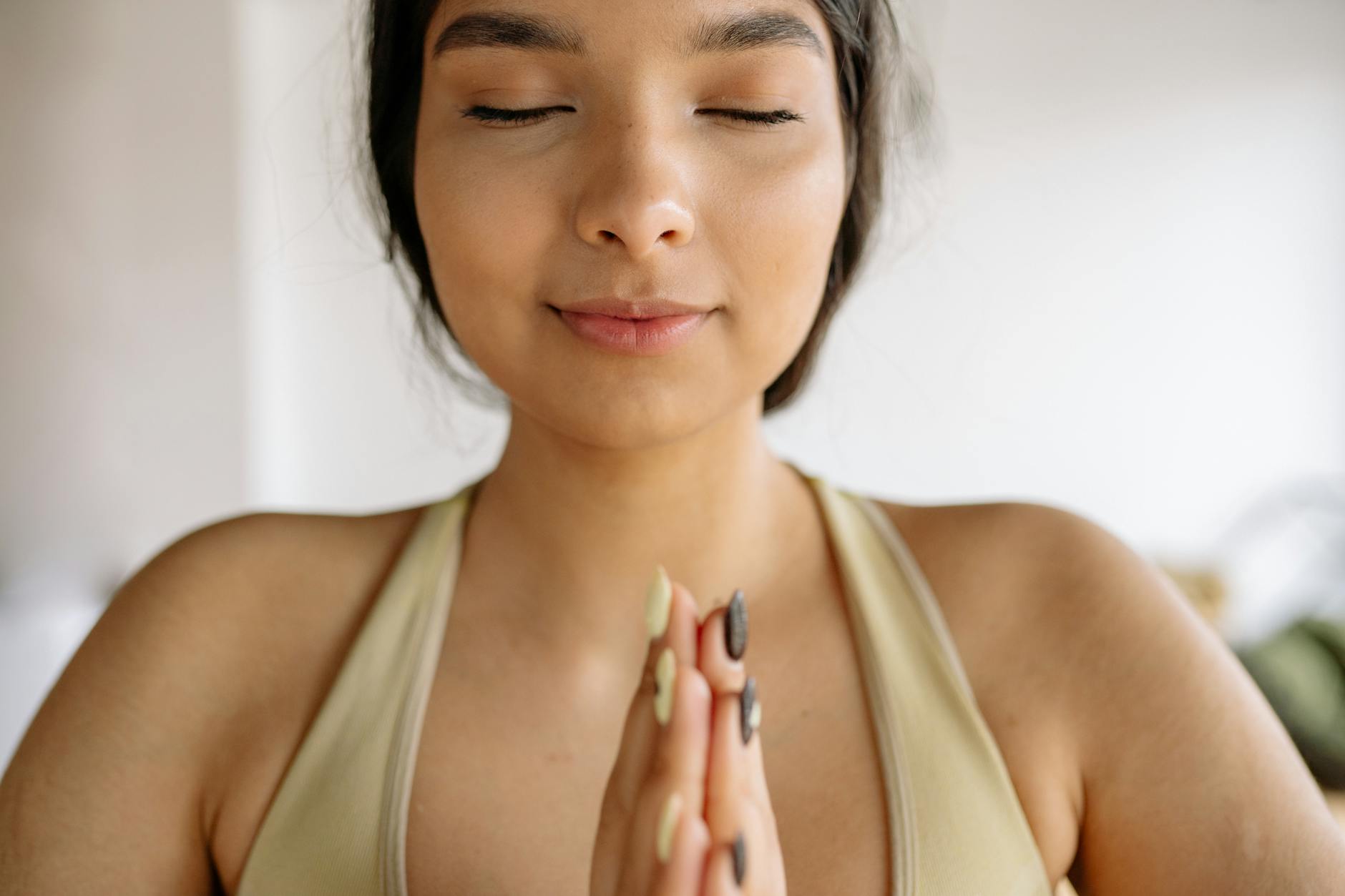
7. Exercise — Especially Moderate Aerobic Activity
Difficulty: Beginner to Intermediate | Time needed: 30 minutes, 3–5x/week
Regular aerobic exercise is one of the most consistent lifestyle predictors of high HRV. During exercise, heart rate rises — but well-trained individuals show faster and deeper heart rate recovery afterward, which reflects strong vagal reactivation. Over time, consistent moderate-intensity exercise (brisk walking, cycling, swimming) literally increases the density and sensitivity of vagal afferent fibers. High-intensity interval training (HIIT) also appears effective, but beginners may do better starting with steady-state aerobic work, which has a gentler effect on the autonomic nervous system.
8. Social Connection and Laughter
Difficulty: Beginner | Time needed: Variable
The vagus nerve is central to what researcher Stephen Porges calls the "social engagement system." Safe, warm social interactions — conversations with trusted friends, genuine laughter, eye contact — activate the ventral vagal complex, a branch of the vagus nerve associated with calm, connectedness, and safety. Laughter in particular produces rapid diaphragmatic contractions that mechanically stimulate vagal fibers, similar in effect to deep breathing. Even watching comedy for 20 minutes has been shown to increase immune markers associated with vagal activity. Prioritizing quality social time is one of the simplest and most enjoyable vagus nerve exercises available.
9. Omega-3 Fatty Acids and Diet
Difficulty: Beginner | Time needed: Ongoing dietary habit
The gut-brain axis runs largely through the vagus nerve — about 80% of vagal fibers are afferent, meaning they carry signals from the gut to the brain. Gut health therefore has a direct impact on vagal signaling quality. Diets high in omega-3 fatty acids (found in fatty fish, flaxseed, and walnuts) are associated with significantly higher HRV in multiple population studies. Fermented foods (yogurt, kimchi, kefir) support a diverse microbiome, which in turn produces neurotransmitter precursors that enhance vagal signaling. Reducing ultra-processed foods and added sugars helps lower systemic inflammation, which is a known suppressor of vagal tone.
10. Probiotics and Gut Health
Difficulty: Beginner | Time needed: Ongoing daily habit
Building on the gut-vagus connection, specific probiotic strains have been shown in animal and early human research to influence vagal nerve activity. Lactobacillus rhamnosus, for example, reduced anxiety behaviors in mice in a 2011 study — and blocking the vagus nerve eliminated the effect, confirming it as the communication pathway. While human probiotic trials are still emerging, the evidence is promising enough that supporting gut flora through diverse dietary fiber and targeted probiotics is considered a reasonable strategy for those wanting to increase vagal tone from the bottom up.
11. Sleep Optimization
Difficulty: Variable | Time needed: Nightly habit
HRV — the primary biomarker of vagal tone — follows a clear circadian rhythm, peaking during deep slow-wave sleep. Chronic sleep deprivation is one of the fastest ways to suppress vagal tone: even a single night of poor sleep measurably reduces next-day HRV. Maintaining consistent sleep and wake times, limiting screen exposure in the two hours before bed, keeping the bedroom cool and dark, and avoiding alcohol (which fragments sleep architecture) are all evidence-based strategies that protect and restore vagal tone. For those who track their HRV with a wearable, sleep quality is usually the single biggest driver of day-to-day fluctuation.
12. Transcutaneous Vagus Nerve Stimulation Devices
Difficulty: Beginner | Time needed: 5–15 minutes per session
For those who find the behavioral techniques above time-consuming or difficult to maintain consistently, wearable vagus nerve stimulation devices offer a more passive route. These devices — worn at the ear (where the auricular branch of the vagus nerve is accessible at the skin surface) or at the neck — deliver low-level electrical pulses that directly stimulate vagal afferent fibers. Transcutaneous auricular vagus nerve stimulation (taVNS) has been studied in clinical settings for epilepsy, depression, and inflammatory conditions, with a growing body of evidence showing increased HRV and reduced sympathetic nervous system activity in healthy users as well. Consumer-facing devices have become more accessible in recent years. They are best understood as a complement to — not a replacement for — the lifestyle methods listed above.
How Long Does It Take to Increase Vagal Tone?
This is one of the most common questions for people beginning a vagus nerve practice, and the honest answer is: it depends on the method and your baseline. Acute techniques like slow breathing and cold water immersion produce measurable shifts in HRV within minutes — they're useful as real-time calming tools. Structural improvements to baseline vagal tone from consistent practice typically show up in research studies after four to eight weeks of daily or near-daily engagement. Sleep optimization tends to produce improvements faster (within days) because poor sleep is an active suppressor rather than a factor requiring new neural adaptation.
If you own a wearable device that tracks HRV (Garmin, Apple Watch, Whoop, Oura Ring), you can use your morning HRV score as a weekly progress indicator. Don't read too much into any single day — the value of tracking is in the four-to-eight week trend line.
Building a Practical Vagus Nerve Routine
The most effective approach combines a daily anchor practice with several supporting habits. Here is a simple starting framework:
- Morning (5 minutes): End your shower with 60–90 seconds of cold water, then do 5 minutes of slow diaphragmatic breathing (5-second inhale, 6-second exhale).
- Midday (2–3 minutes): Gargle vigorously with water or do a brief humming exercise. This is especially useful after a stressful meeting or difficult conversation.
- Evening (20–30 minutes): Yoga or a mindfulness meditation session. Keep the room cool and screens off afterward to support sleep quality.
- Throughout the day: Prioritize face-to-face social interaction, eat a high-fiber diet with fermented foods, and get moderate exercise on most days.
No single method here requires more than a few minutes of your time. The compounding effect of consistent, small daily inputs is what builds durable vagal tone over weeks and months.
Frequently Asked Questions
Key Takeaways
The vagus nerve is arguably the single most important nerve for anyone managing chronic stress or anxiety. Its role as the master regulator of the parasympathetic nervous system means that improving its tone has cascading benefits across cardiovascular health, immune function, emotional regulation, and gut health.
The twelve methods covered here range from immediately actionable — end your next shower with 60 seconds of cold water, or spend 5 minutes practicing slow vagus nerve breathing tonight — to longer-term lifestyle changes like consistent exercise, dietary upgrades, and sleep optimization. None of them require a prescription, a specialist, or significant financial investment.
The most important takeaway is this: vagal tone is trainable. Small, consistent inputs compound into meaningful physiological change. Pick two or three methods from this list that fit your schedule, practice them daily for four to eight weeks, and track your stress levels or HRV if you can. The evidence strongly suggests you will notice a difference.