How to Remove Upper Lip Hair at Home: Every Method Compared
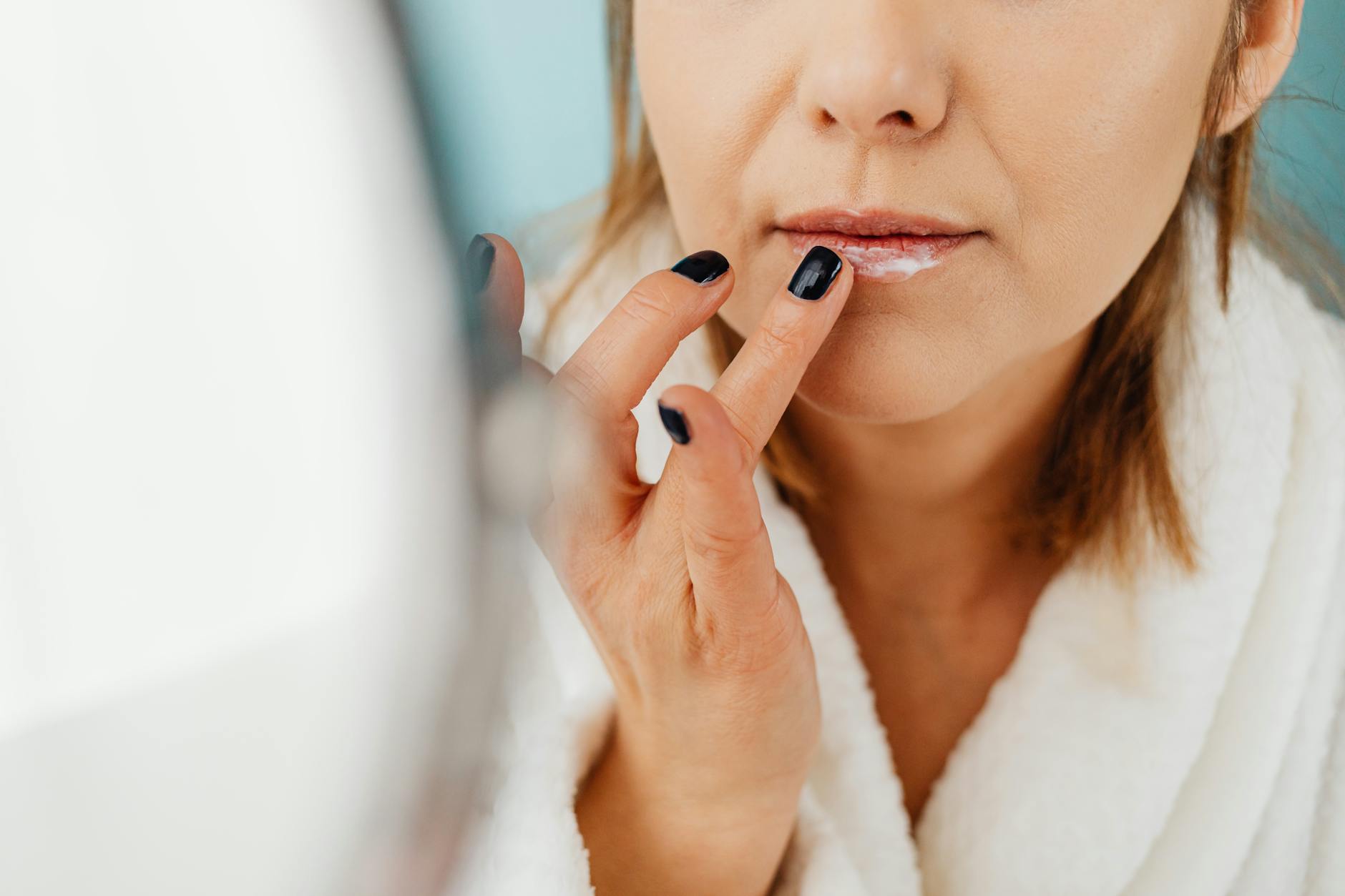
Upper lip hair removal is one of the most searched beauty topics for a reason: the upper lip is highly visible, the skin there is extremely sensitive, and the hair tends to grow back faster than almost anywhere else on the face. Whether you're dealing with a few fine hairs or a noticeably dark "shadow," you're far from alone — and you have more options than ever before.
This guide breaks down every at-home and professional method for upper lip hair removal, explains exactly how each one works, and tells you which is best suited for your skin type, pain tolerance, and budget. By the end, you'll know precisely what to do — and what to avoid — so you never end up with angry red bumps on one of the most prominent parts of your face.
Why Upper Lip Hair Is So Common
Before diving into removal methods, it helps to understand why upper lip hair appears in the first place. For most people, it comes down to three overlapping factors:
- Hormones: Androgens (testosterone and its relatives) stimulate hair follicles. Everyone — regardless of gender — produces some androgens, and even small fluctuations can push fine vellus hairs toward darker, coarser terminal hairs. This is why upper lip hair often appears or darkens during puberty, pregnancy, perimenopause, and with conditions like polycystic ovary syndrome (PCOS).
- Genetics: Hair density, color, and growth patterns are strongly hereditary. If your mother or grandmother had noticeable upper lip hair, you're more likely to as well. People with darker natural hair color also tend to have more visible facial hair simply because the pigment contrast is higher.
- Aging: As estrogen levels decline with age, the relative influence of androgens increases. Many women notice an uptick in facial hair — particularly on the upper lip and chin — in their 40s and 50s, even without a diagnosed hormonal condition.
None of these causes are dangerous on their own. But if you experience a sudden, rapid increase in facial hair accompanied by other symptoms (irregular periods, acne, unexplained weight changes), it is worth speaking to a doctor to rule out an underlying hormonal issue before focusing purely on upper lip hair removal at home.

The At-Home Methods: Honest Pros, Cons, and Step-by-Step Instructions
The best way to remove upper lip hair at home depends on how quickly you want results, how much discomfort you can tolerate, and whether you have sensitive or reactive skin. Here is every major method, evaluated honestly.
1. Threading
Threading uses a twisted cotton thread to trap and pull hair from the root in one swift motion. It is arguably the most precise method available for the upper lip — a skilled threader can remove individual hairs with accuracy that wax simply cannot match.
Pain level: Moderate. The sensation is a sharp, repeated flick rather than a single rip.
Lasts: 3–6 weeks (removes from the root).
Skin irritation risk: Low — no chemicals, no heat, no adhesives contact the skin.
How to thread your upper lip at home:
- Cut a piece of 100% cotton thread about 12–14 inches long and tie the ends to form a loop.
- Hold the loop with both hands, twist the center about 6–8 times to create an X-shaped twist in the middle.
- Stretch your upper lip by pressing it against your teeth to create a taut, flat surface.
- Open one hand and close the other to move the twist across the skin — the twisted section catches and pulls hair as it moves.
- Work in small sections, moving in the direction against hair growth for cleaner removal.
- Apply a soothing aloe vera gel or rosewater immediately after to calm the skin.
Threading has a learning curve. Watch a few video tutorials before trying it solo — most people find they need 3–4 attempts before the motion feels natural.
2. Waxing
Waxing is one of the most popular forms of lip hair removal for women and for good reason: it's fast, effective, and the results last longer than shaving. Both hard wax (applied warm, removed without strips) and soft wax (applied with a strip) work on the upper lip.
Pain level: Moderate to high — the upper lip skin is thin and sensitive.
Lasts: 3–6 weeks.
Skin irritation risk: Moderate. Heat and adhesion can cause temporary redness and, rarely, minor lifting of skin if the wax is too hot or the skin is compromised.
How to wax your upper lip at home:
- Cleanse and dry the area thoroughly. Damp skin prevents wax from adhering properly.
- If using hard wax, heat it to a thick honey-like consistency. Test a small amount on your inner wrist — it should feel warm but never burning.
- Apply a thin layer of wax in the direction of hair growth using a small spatula.
- For hard wax, wait 20–30 seconds for it to set firm but still slightly pliable at the edges, then flick up a corner and pull firmly against the direction of growth in one quick motion.
- For soft wax, press a fabric strip firmly, then hold the skin taut and pull the strip back parallel to the skin — not upward at an angle.
- Immediately press the palm of your hand against the area. The warmth provides instant relief.
- Apply a calming post-wax lotion or aloe gel. Avoid touching the area with unwashed hands for 24 hours.
Key rule: Never wax skin that has been treated with retinoids (tretinoin, retinol) within the past 5–7 days — the skin is too fragile and will likely lift.
3. Depilatory Creams
Depilatory creams dissolve the hair shaft just below the skin's surface using alkaline chemicals (usually thioglycolic acid). They are painless, widely available, and require no technique — but they do not remove from the root, so regrowth appears faster than threading or waxing.
Pain level: None (if used correctly).
Lasts: 1–2 weeks.
Skin irritation risk: Higher than mechanical methods. The chemicals that dissolve hair can also irritate delicate facial skin if left on too long.
How to use a depilatory cream on the upper lip:
- Always use a product specifically formulated for the face or upper lip. Body formulas are stronger and can burn facial skin.
- Do a patch test on the inside of your forearm 24 hours before applying to your face. If you see redness, burning, or irritation, do not proceed.
- Apply a thin, even layer over the upper lip hair using the spatula provided. Avoid getting the cream onto your actual lips.
- Set a timer for the minimum time listed (usually 3–5 minutes for facial formulas). Do NOT exceed the maximum recommended time.
- Wipe a small test area — if the hair comes away cleanly, remove all the cream with the spatula and rinse thoroughly with cool water.
- Pat dry and apply a gentle moisturizer. Avoid any acids (AHAs, BHAs), retinoids, or exfoliants for at least 48 hours.
4. Facial Epilators
Epilators are small electric devices with rotating tweezers that grab and pull multiple hairs simultaneously from the root. Facial epilators are smaller and gentler than body versions, and some are specifically designed for the upper lip area.
Pain level: Moderate to high on first use; significantly reduces with repeated treatments as the hair becomes finer.
Lasts: 3–4 weeks.
Skin irritation risk: Moderate. Temporary redness and pinpoint marks are common after the first few uses.
How to epilate the upper lip at home:
- Make sure the hair is at least 1–2mm long — too short and the device cannot grip effectively.
- Cleanse the area and ensure the skin is completely dry. Stretching the skin taut is essential.
- Hold the epilator at a 90-degree angle to the skin and move it slowly against the direction of hair growth.
- Work in small sections to ensure you catch all the hairs without going over the same area too many times.
- After epilating, apply a cold cloth to the area for 1–2 minutes to close the follicles and reduce redness.
- Follow with a fragrance-free soothing gel — products with chamomile or allantoin work particularly well.
5. Dermaplaning
Dermaplaning uses a small, single-edge blade held at a 45-degree angle to gently shave fine facial hair and dead skin cells simultaneously. It is different from traditional shaving in both technique and blade type. For people with very fine, light "peach fuzz," this is one of the easiest and least irritating methods available.
Pain level: None when done correctly.
Lasts: 2–4 weeks at the surface level (hair grows back at the same rate; it only appears blunter initially).
Skin irritation risk: Low, but nicks are possible if technique is poor.
How to dermaplane the upper lip at home:
- Use a purpose-made facial dermaplaning tool — not a standard razor. These have finer, more angled blades designed for the contours of the face.
- Cleanse and thoroughly dry the skin. Dermaplaning works best on dry, product-free skin.
- Hold the blade at a strict 45-degree angle. Steeper angles increase the risk of cuts.
- Use short, gentle downward strokes in the direction of hair growth. Do not apply pressure — let the blade do the work.
- Work systematically across the upper lip, rinsing or wiping the blade frequently.
- Finish with a gentle moisturizer. Your skin will feel unusually smooth — this is normal and reflects the simultaneous exfoliation.
The myth that dermaplaning makes hair grow back "thicker" is not supported by evidence. The hair shaft's blunt tip simply feels coarser than the natural tapered tip for the first few days. Hair follicle size, density, and color are unaffected by surface-level shaving.
Professional Methods Worth Knowing About
If you want long-term or permanent upper lip hair removal, at-home methods won't get you there — they all require ongoing maintenance. The two professional options that offer lasting results are laser hair removal and electrolysis.
Laser Hair Removal
Laser hair removal works by targeting the melanin (pigment) in the hair follicle with concentrated light energy, which damages the follicle and inhibits future growth. It is most effective on people with dark hair and light skin because of the contrast in pigment. Modern devices using Nd:YAG technology have made laser increasingly safe for a wider range of skin tones.
Expect 6–8 sessions spaced 4–6 weeks apart for the upper lip area, followed by occasional touch-up sessions once or twice a year. After completing a full course, most people see a 70–90% permanent reduction in hair. The remaining hairs tend to be finer and lighter.
Electrolysis
Electrolysis is the only method recognized by the FDA as truly permanent. A fine probe is inserted into each individual hair follicle and a small electrical current destroys the follicle's growth cells. It works on all hair colors (including gray and blonde, which laser cannot treat) and all skin tones.
The upper lip typically requires 8–12 sessions of 15–30 minutes each. Because each hair must be treated individually, it is more time-intensive and usually more expensive than laser over the full course — but it offers complete, permanent results for any hair type.
Which Method Causes the Least Irritation for Sensitive Skin?
The upper lip is one of the most sensitive areas on the face. The skin is thin, close to mucous membranes, and frequently exposed to movement (talking, eating, expressions), which means post-removal care matters enormously. Here is how the methods rank for sensitive skin:
- Threading — No chemicals, no heat, zero skin contact from products. Best overall for reactive skin.
- Dermaplaning — Minimal irritation when performed correctly. Also exfoliates, which can improve skin texture.
- Hard wax — Gentler than soft wax because it only adheres to the hair, not the skin beneath.
- Epilators — Initial irritation is common but fades with repeated use as the follicles weaken.
- Depilatory creams — Highest chemical irritation risk; always patch-test and use facial-specific formulas only.
How to Prevent Bumps, Redness, and Ingrown Hairs
No matter which removal method you choose, the post-care routine is what separates a smooth result from an irritated one. These steps apply after any hair removal session on the upper lip:
- Cool it down immediately. Apply a clean, damp cold cloth to the area for 1–2 minutes right after removal. This closes follicles and dramatically reduces visible redness.
- Keep the area clean for 24 hours. Freshly opened follicles are more vulnerable to bacteria. Avoid touching the area with unwashed hands.
- Skip actives for 48 hours. Retinoids, alpha-hydroxy acids, benzoyl peroxide, and vitamin C serums can all cause significant irritation on freshly treated skin. Stick to gentle, fragrance-free moisturizers only.
- Avoid heat and sweat. Hot showers, saunas, and intense exercise within 24 hours after waxing or epilating can inflame the follicles and trigger breakouts around the upper lip.
- Exfoliate between sessions. A gentle chemical exfoliant (like a low-percentage lactic acid) used 2–3 days after removal and then 2–3 days before your next session keeps the follicle opening clear and dramatically reduces ingrown hairs.
- Moisturize consistently. Dry, dehydrated skin is more prone to irritation and ingrowns. Keeping the upper lip area consistently hydrated between sessions helps maintain the skin barrier.
- Don't pick or squeeze. If a bump or ingrown appears, resist the urge to squeeze. Apply a warm compress and a gentle salicylic acid product and allow it to resolve on its own.
Comparing All Methods at a Glance
| Method | Results Last | Pain Level | Best For | Permanent? |
|---|---|---|---|---|
| Threading | 3–6 weeks | Moderate | Sensitive skin, precision | No |
| Waxing | 3–6 weeks | Moderate–High | Speed, all hair types | No |
| Depilatory Cream | 1–2 weeks | None | Pain-free option | No |
| Epilator | 3–4 weeks | Moderate–High | At-home convenience | No |
| Dermaplaning | 2–4 weeks | None | Fine hair, exfoliation | No |
| Laser | Long-term | Low–Moderate | Dark hair, long-term reduction | ~70–90% reduction |
| Electrolysis | Permanent | Moderate | All hair colors and skin tones | Yes (FDA-recognized) |
Frequently Asked Questions
Key Takeaways
Upper lip hair removal is not one-size-fits-all. The method that works best for your neighbor — or the one that went viral on social media — may not be the right one for your skin type, hair texture, or lifestyle. Here is what the evidence and experience consistently point to:
- If skin sensitivity is your primary concern, threading is the gold standard — zero chemicals, zero heat, and unmatched precision.
- If you want the most effortless, pain-free option, dermaplaning with a purpose-built facial blade is simple, effective, and gentle when done correctly.
- If you want longer-lasting results and can tolerate some discomfort, waxing or epilating removes hair from the root and keeps the area hair-free for up to six weeks.
- If permanent upper lip hair removal is the goal, electrolysis is the only FDA-recognized permanent solution — and it works on all hair colors and skin tones. Laser offers significant long-term reduction but is best suited to those with dark hair and lighter skin.
- No matter which method you choose, post-removal care is non-negotiable. Cold compress, gentle moisturizer, no actives for 48 hours, and consistent SPF use will prevent the majority of bumps, redness, and pigmentation issues.
Give any new method at least 3–4 consistent sessions before judging the results. Your skin and follicles adapt over time, and what feels uncomfortable at first often becomes entirely manageable — and even routine — with regular practice.