How to Recover Faster After a Workout: A Science-Backed Guide for Athletes
Werbung
You pushed hard in the gym. You finished the run. You got through the session. And now — 24 to 48 hours later — every step feels like a punishment. If you have ever woken up the morning after leg day barely able to walk down stairs, you already understand why post workout recovery tips matter just as much as the training itself. What happens between sessions largely determines how much progress you actually keep, how quickly you return to full capacity, and whether you stay injury-free over the long term.
This guide breaks down the science of what is actually happening inside your muscles after hard exercise, and walks through seven evidence-based strategies that genuinely accelerate muscle recovery after exercise. No gimmicks. No supplements with inflated claims. Just the methods that research consistently supports.
What Is Actually Happening to Your Muscles After Exercise?
To recover smarter, it helps to understand what you are recovering from. During resistance training or intense endurance exercise, mechanical stress causes microscopic tears in muscle fibers — particularly in the Z-discs that give muscle its structure. This is not a sign of injury in the traditional sense; it is a normal adaptive response. The damage triggers an inflammatory cascade that brings repair cells, satellite cells, and growth factors to the affected tissue.
The soreness you feel — technically called delayed onset muscle soreness, or DOMS — typically peaks between 24 and 72 hours after exercise. Research published in the Journal of Athletic Training has confirmed that DOMS is primarily caused by this eccentric-loading-induced microtrauma and the subsequent inflammatory response, not by lactic acid buildup as was once believed. Lactic acid clears from muscles within about an hour of finishing exercise.
Leg soreness after workout is particularly pronounced because lower-body movements — squats, lunges, deadlifts, hill running — involve significant eccentric loading: the muscle lengthens under tension, which causes more fiber disruption than purely concentric work. Understanding this explains why targeted recovery strategies for the legs (circulation support, compression, active movement) tend to be especially valuable.
Why Recovery Is a Trainable Skill
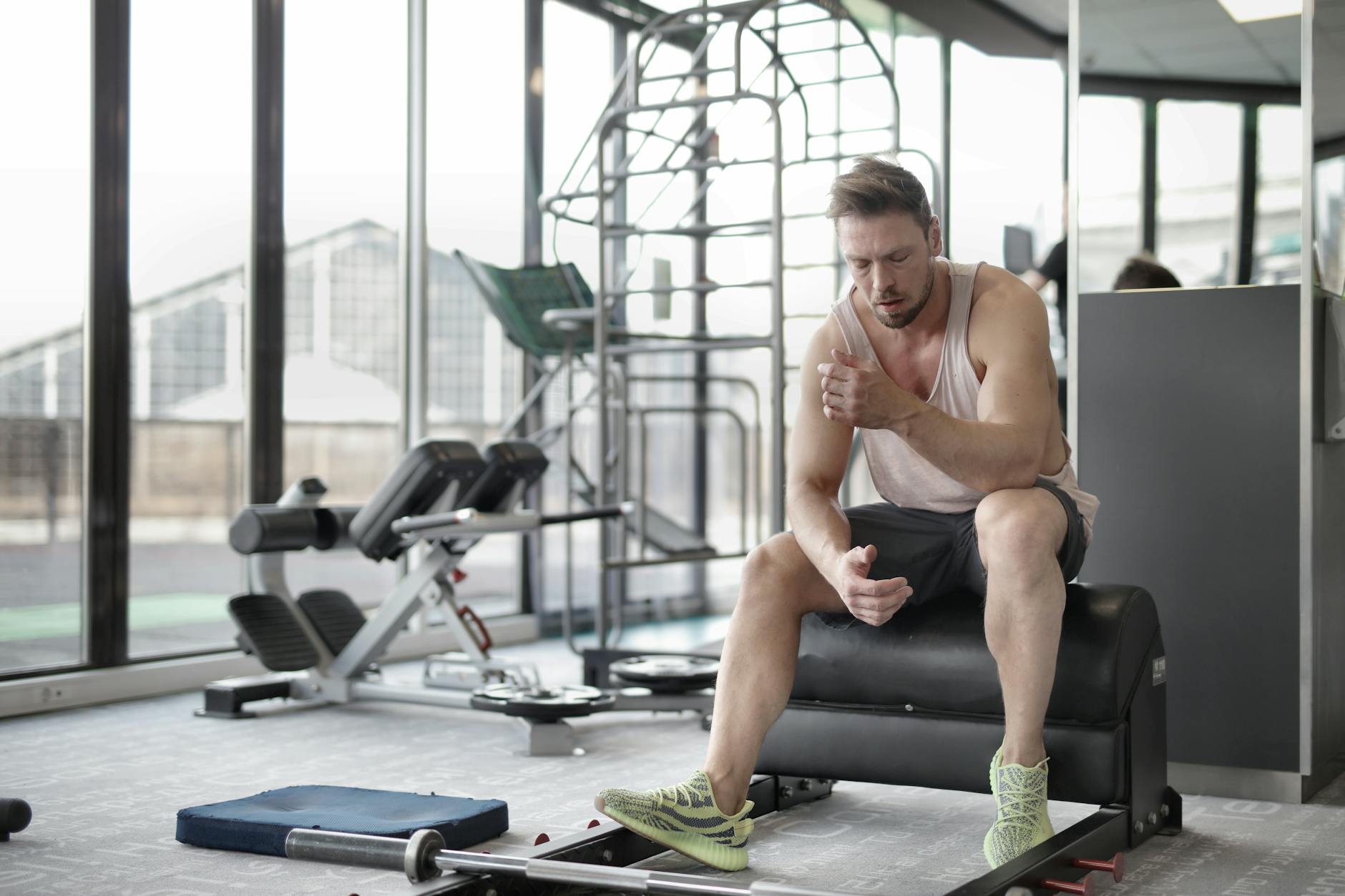
Elite athletes do not just train harder than recreational athletes — they recover more deliberately. Research from the Australian Institute of Sport and other high-performance centers consistently shows that athletes who follow structured recovery protocols return to baseline performance faster, sustain higher training loads across a season, and experience fewer overuse injuries.
Recovery is not passive. It is a set of deliberate behaviors that either accelerate or inhibit your body's repair process. The seven strategies below each address a different physiological mechanism — from protein synthesis to lymphatic drainage to nervous system regulation — and they stack: doing more of them well produces better outcomes than doing just one or two.
7 Evidence-Based Post Workout Recovery Tips
1. Prioritize Sleep Above Everything Else
If you could do only one thing to improve recovery, sleeping longer and better would be it. During slow-wave (deep) sleep, the pituitary gland releases the majority of its daily growth hormone output. Growth hormone is the primary hormonal driver of tissue repair, protein synthesis, and metabolic restoration. Cutting sleep short — even by 90 minutes — has been shown to measurably reduce growth hormone secretion and elevate cortisol, the catabolic stress hormone that breaks down muscle tissue.
A landmark study by Mah et al. published in Sleep (2011) found that college basketball players who extended sleep to 10 hours per night for five to seven weeks improved sprint times, shooting accuracy, reaction time, and self-reported physical wellbeing. Most athletes aim for 7–9 hours, but following intense training blocks, erring closer to 9 is physiologically justified. Practical priorities: consistent sleep and wake times, a cool dark room (around 18°C / 65°F), and avoiding screens for 30–60 minutes before bed.
2. Rehydrate Strategically — Not Just With Water
Muscle cells are approximately 75% water. Even mild dehydration (a 2% reduction in body water) impairs strength output, increases perceived exertion, and slows the clearance of metabolic waste products from muscle tissue. Rehydration after training is therefore one of the most direct sports recovery techniques available — and one of the most consistently under-prioritized.
However, plain water alone is not always sufficient. Sweat contains sodium, potassium, magnesium, and chloride. Replacing fluid volume without replacing electrolytes can actually worsen performance and delay recovery by diluting plasma sodium (a condition known as hyponatremia in extreme cases, but more commonly presenting as cramps and fatigue at lower levels). Sports dietitians typically recommend consuming 1.2–1.5 liters of fluid per kilogram of body weight lost during exercise, with sodium included — either from food, an electrolyte drink, or a small amount of salt added to post-workout meals.
Tart cherry juice has also attracted genuine research interest: a 2010 study in the Scandinavian Journal of Medicine and Science in Sports found that athletes who drank tart cherry juice twice daily for four days before and three days after a marathon showed significantly reduced markers of muscle damage and inflammation compared to a placebo group.
3. Nail the Post-Workout Nutrition Window
The concept of the "anabolic window" — a narrow 30-minute period after exercise where nutrition is critically urgent — has been somewhat overstated in gym culture. But the underlying principle remains valid: consuming protein and carbohydrates within two hours of finishing exercise meaningfully supports recovery compared to waiting several hours.
Protein is the structural raw material for muscle repair. The current consensus from sports nutrition research, including a 2017 meta-analysis in the British Journal of Sports Medicine, points to 0.4 grams of protein per kilogram of body weight per meal as an optimal dose for stimulating muscle protein synthesis — with total daily intake for strength athletes falling between 1.6 and 2.2 g/kg/day. Leucine, an amino acid found in high concentrations in whey, eggs, and meat, is a particularly potent trigger for muscle protein synthesis.
Carbohydrates replenish muscle glycogen — the stored fuel depleted during exercise. For endurance athletes and those training twice a day, glycogen replenishment is especially time-sensitive. Anti-inflammatory foods such as berries, leafy greens, olive oil, and fatty fish (for their omega-3 content) are also worth including regularly, as chronic low-grade inflammation is one of the mechanisms that delays recovery between sessions.
4. Use Active Recovery Instead of Complete Rest
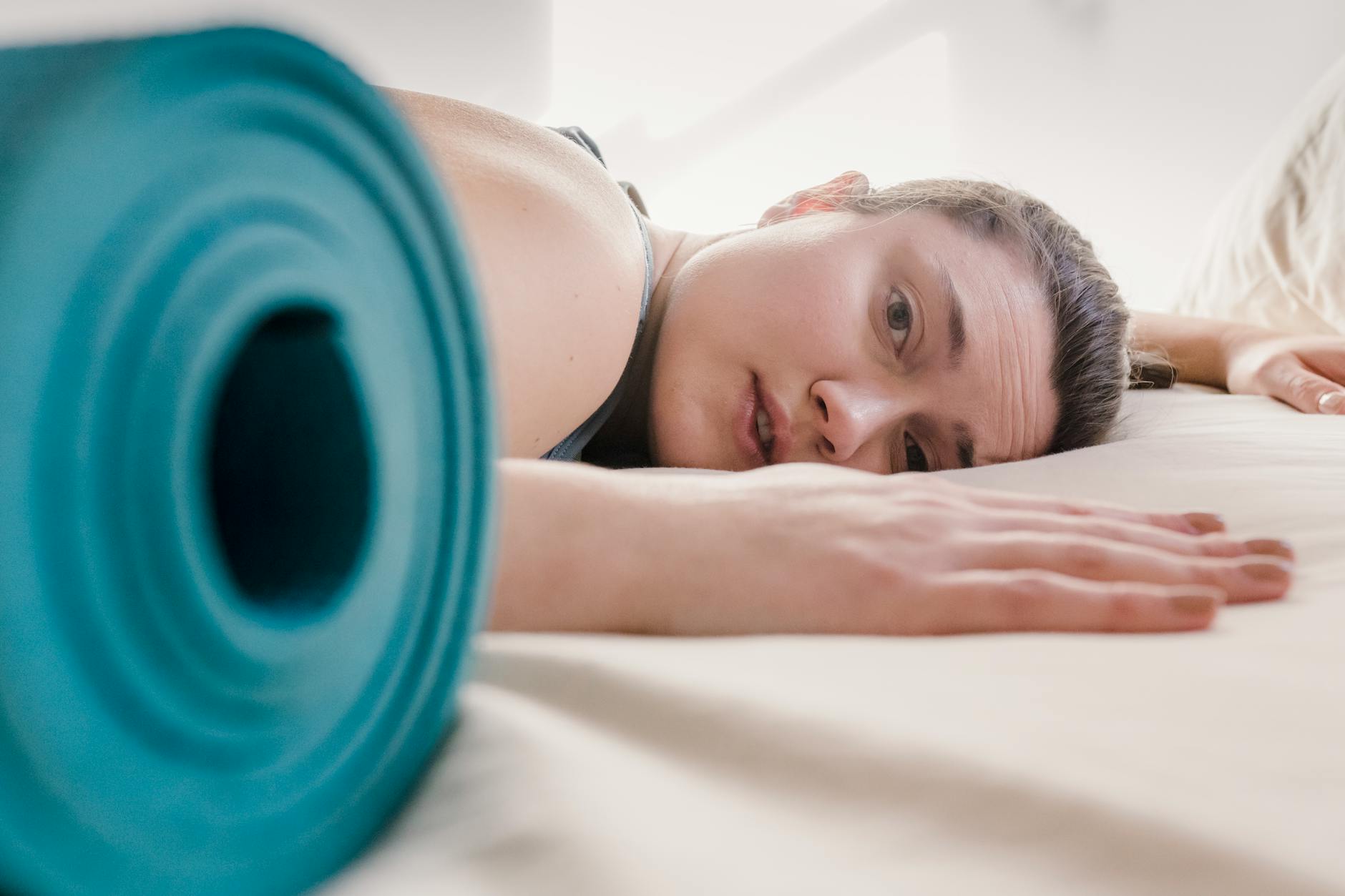
Counterintuitively, lying completely still on the day after a hard session is usually not the fastest path to reducing soreness. Active recovery — low-intensity movement that elevates heart rate mildly without adding meaningful muscular stress — has been shown to accelerate the clearance of metabolic byproducts and increase blood flow to healing tissue.
Effective active recovery modalities include 20–30 minute walks, easy cycling at below 60% of maximum heart rate, light swimming, and yoga. A 2018 review in the Journal of Physiology found that low-intensity aerobic exercise on the day following resistance training reduced DOMS scores and improved functional recovery compared to passive rest. The mechanism appears to involve increased capillary perfusion of muscle tissue and enhanced lymphatic circulation — both of which help transport repair substrates in and waste products out.
For leg soreness after workout specifically, an easy 20-minute walk the following morning is one of the simplest and most effective interventions available. It requires no equipment, costs nothing, and has a meaningful evidence base.
5. Apply Cold and Heat Therapy Strategically
Cold water immersion (CWI) — including ice baths and cold showers — is one of the most widely used sports recovery techniques in professional sport, and the evidence for its ability to reduce perceived soreness and improve short-term recovery is reasonably consistent. Cold causes vasoconstriction (narrowing of blood vessels), which reduces swelling and the accumulation of inflammatory mediators in damaged tissue. Meta-analyses, including a Cochrane review from 2012, found that CWI significantly reduced DOMS compared to passive rest.
However, there is an important nuance: research by Yamane et al. and later work from the Karolinska Institute suggests that repeated cold immersion after strength training may actually blunt long-term hypertrophy adaptations by suppressing some of the inflammatory signaling that drives muscle growth. The practical recommendation is therefore to use cold immersion selectively — during competition phases or high-frequency training blocks where short-term recovery matters more than long-term muscle building.
Heat therapy (sauna, warm baths, heat packs) works via the opposite mechanism: vasodilation increases blood flow to muscles, promotes relaxation of muscle spindles, and may support mitochondrial biogenesis with repeated sauna use. A Finnish epidemiological study published in JAMA Internal Medicine found strong associations between regular sauna use and cardiovascular health markers. For recovery, heat is generally better suited to the 48-hour post-exercise window once acute inflammation has subsided, rather than immediately after training. Contrast therapy — alternating between cold and heat — is used by many professional athletes and produces circulatory pumping effects that may enhance metabolic clearance.
6. Use Soft Tissue Work to Reduce Muscle Soreness
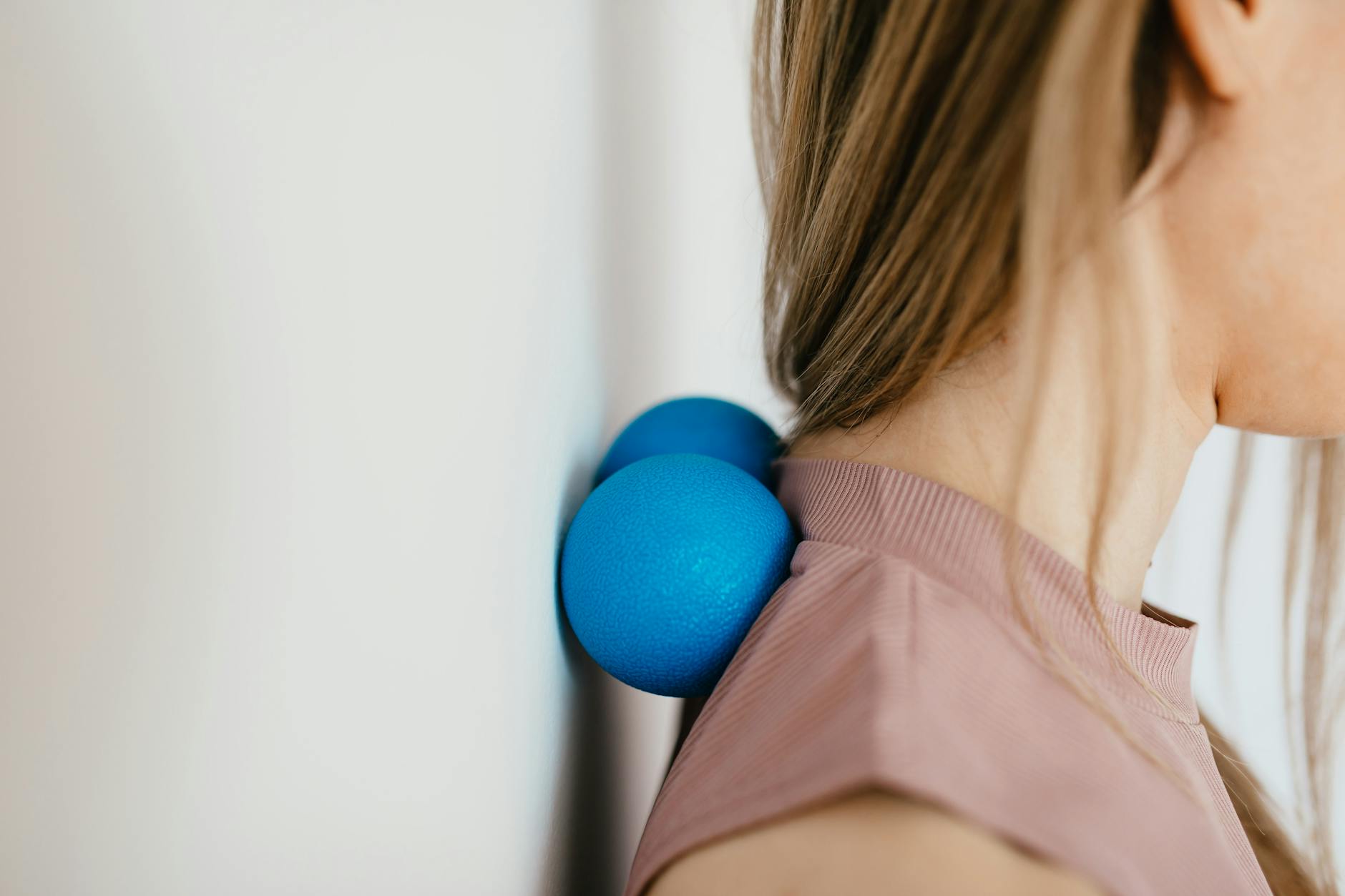
Massage and myofascial release tools (foam rollers, massage guns, lacrosse balls) directly address one of the key contributors to DOMS: increased muscle stiffness and restricted fascial mobility. A 2017 systematic review in the Journal of Athletic Training concluded that massage applied 24–72 hours after exercise was among the most effective single interventions for reducing DOMS, outperforming stretching and most other passive modalities.
The mechanisms appear to include: reduced cytokine production (lowering local inflammation), mechanical deformation of the fascial matrix that restores tissue glide, and parasympathetic nervous system activation that reduces overall muscle tone. Professional sports massage is highly effective but inaccessible for daily use. Self-massage with a foam roller delivers a meaningful subset of these benefits.
For foam rolling, research suggests that slow, sustained passes (30–90 seconds per muscle group) at a pressure that is uncomfortable but not painful produce the best results. Rolling immediately before and after exercise, as well as on recovery days, all have evidence behind them.
7. Support Circulation With Compression
The final pillar of evidence-based recovery is circulatory support through compression. The logic is straightforward: the faster metabolic waste is cleared from muscle tissue and the faster oxygenated blood can re-perfuse damaged fibers, the faster the repair process can proceed. Compression acts on this mechanism mechanically.
Compression garments — socks, tights, and sleeves — have a reasonably well-established evidence base for reducing perceived soreness and swelling, particularly in the lower limbs. A 2013 meta-analysis in the British Journal of Sports Medicine found that compression garments worn after exercise significantly reduced DOMS and accelerated the recovery of muscle function compared to control conditions. Compression therapy recovery works by applying external pressure that assists venous return — pushing blood back toward the heart and preventing fluid pooling in peripheral tissues.
A more advanced form of this principle is intermittent pneumatic compression (IPC) — sequential inflation of air chambers around the limbs that mimics and amplifies the muscle-pump mechanism. IPC devices have been used in clinical settings for decades (primarily for deep vein thrombosis prevention and lymphedema management) and have more recently found their way into elite sport. Research on IPC in athletic populations, including a 2019 study in the International Journal of Sports Physiology and Performance, found meaningful reductions in DOMS and faster return to performance metrics after IPC use compared to static compression and passive rest.
The clinical compression category has historically been the domain of hospital equipment and elite performance centers. However, at-home IPC devices have become increasingly accessible in recent years, bringing this form of compression therapy recovery within reach for serious recreational athletes and not just professionals.
How These Strategies Work Together
Each of the seven strategies above addresses a distinct physiological mechanism. Sleep drives hormonal repair. Hydration maintains cellular function and waste clearance. Nutrition provides the raw materials for synthesis. Active recovery enhances perfusion. Temperature therapy modulates inflammation. Soft tissue work restores mobility and reduces stiffness. Compression supports venous return and lymphatic drainage.
They are not competing alternatives — they stack. An athlete who sleeps 9 hours, rehydrates well, eats adequate protein, goes for an easy walk the next day, and uses a compression garment in the evening will recover substantially faster than one who does any single one of those things in isolation. The research consistently shows that multi-modal recovery protocols outperform single-intervention approaches.
It is also worth noting what the evidence does not support at the same level: aggressive static stretching immediately after exercise (evidence for soreness reduction is weak), NSAIDs taken routinely (they can impair muscle protein synthesis with chronic use), and most commercial "recovery supplements" beyond protein, creatine, and possibly omega-3s. That does not mean those approaches have zero value, but the seven strategies outlined here have a substantially stronger evidence base.
Frequently Asked Questions
Key Takeaways
Post workout recovery tips are not optional extras reserved for elite athletes — they are the mechanism by which any training stimulus becomes actual adaptation. Train without recovering well and you are accumulating fatigue faster than you are building fitness. The core principles are straightforward:
- DOMS is caused by microtrauma and inflammation, not lactic acid — and it peaks at 24–72 hours after hard exercise.
- Sleep is non-negotiable: 8–9 hours drives the growth hormone release that powers muscle repair.
- Rehydrate with electrolytes, not just water, and consider anti-inflammatory foods and beverages like tart cherry juice.
- Eat protein within two hours of finishing training — around 0.4 g per kilogram of body weight per meal.
- Active recovery outperforms passive rest for reducing soreness — an easy 20-minute walk the next morning is simple and effective.
- Temperature therapy works: cold reduces acute inflammation; heat supports circulation and relaxation once initial inflammation has subsided.
- Soft tissue work — foam rolling and massage — is one of the most evidence-backed ways to reduce muscle soreness.
- Compression supports venous return and lymphatic drainage, with both garments and IPC devices showing meaningful effects in research — particularly for lower limb recovery.
The athletes who make the most progress long-term are rarely those who train the hardest in any single session. They are the ones who train consistently, recover deliberately, and show up the next session with more capacity than the last. Recovery is where that consistency is built.