How to Fix Broken Plastic at Home (Without Buying New)
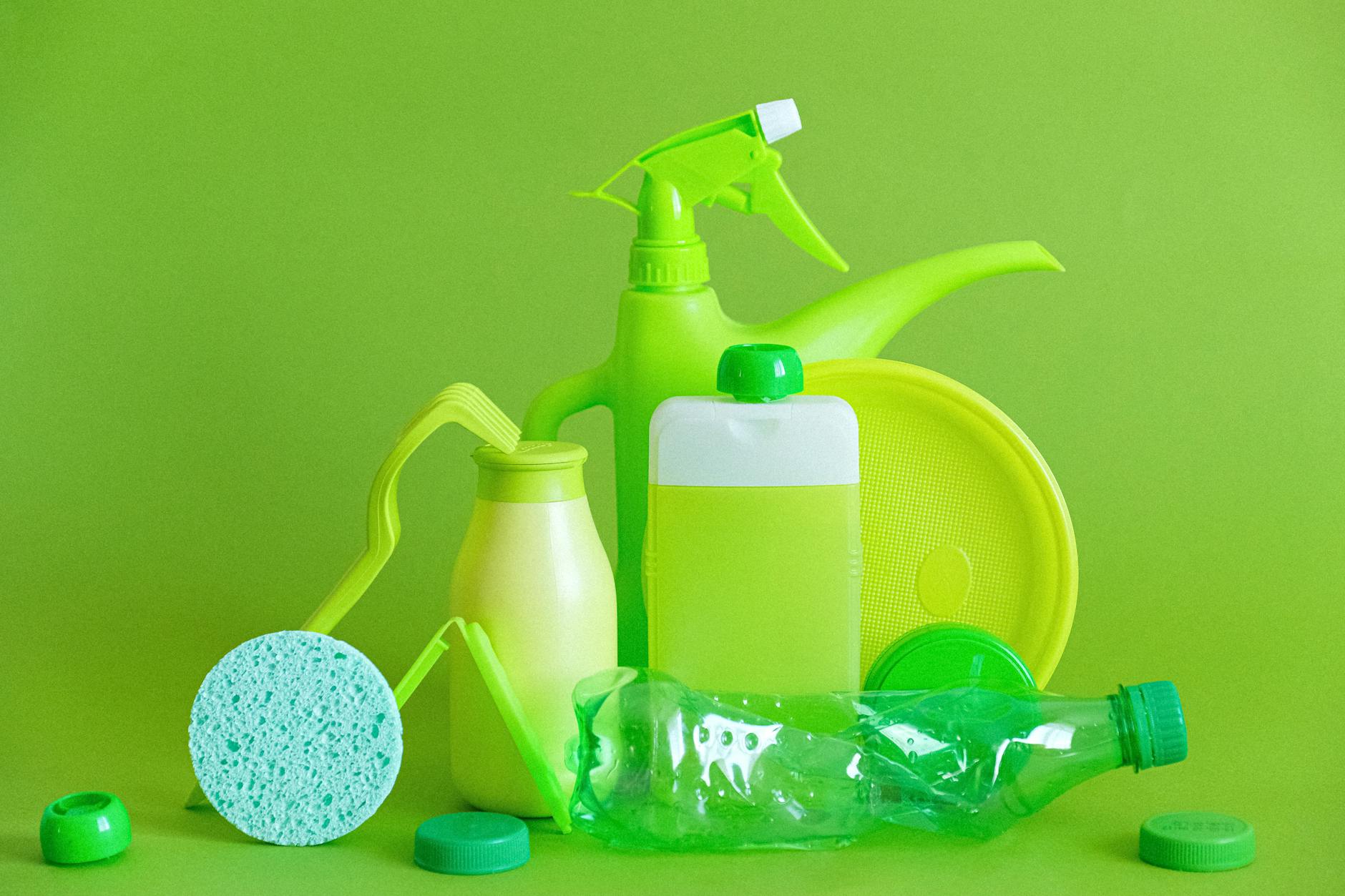
Every year, millions of perfectly usable items end up in landfill not because they stopped working — but because one small plastic part broke. A snapped handle. A cracked housing. A clip that gave up under pressure. The rest of the device still functions, yet the whole thing gets thrown out. Learning how to fix broken plastic at home is one of the most practical, money-saving, and genuinely sustainable skills you can develop. The repair is almost always simpler than it looks, and in most cases you already own at least one tool that can do the job. This guide breaks down the science behind plastic failure, identifies the five most common break types you'll encounter around the house, and gives you four distinct repair methods — matched to the right situations — so you can stop throwing things away and start fixing them instead.
Why Plastic Breaks the Way It Does
Not all plastic is the same material. The term "plastic" covers dozens of polymer families, each with a very different internal structure, flexibility, and response to stress. Understanding why a particular piece failed helps you choose the right fix.
Thermoplastics — including polyethylene (PE), polypropylene (PP), ABS, nylon, and PVC — soften when heated and harden again when cooled. This is important because it means they can, in principle, be re-melted and re-fused. Most household items (buckets, appliance casings, tool handles, food containers) are made from thermoplastics.
Thermosets — such as epoxy resin, melamine, and Bakelite — cure permanently through a chemical reaction and cannot be re-melted. Once they break, heat-based repairs won't work; you're limited to adhesive or reinforcement methods.
Plastic breaks for three main reasons: impact stress (a sudden sharp force), fatigue (repeated flexing over time that eventually cracks the material), and UV or thermal degradation (sunlight and heat cause polymer chains to break down, making the plastic brittle and powdery). Older plastic that crumbles at the repair point has usually degraded — and is harder to fix reliably. Fresh, clean breaks on relatively young plastic are almost always fixable.
The 5 Most Common Types of Household Plastic Breakage
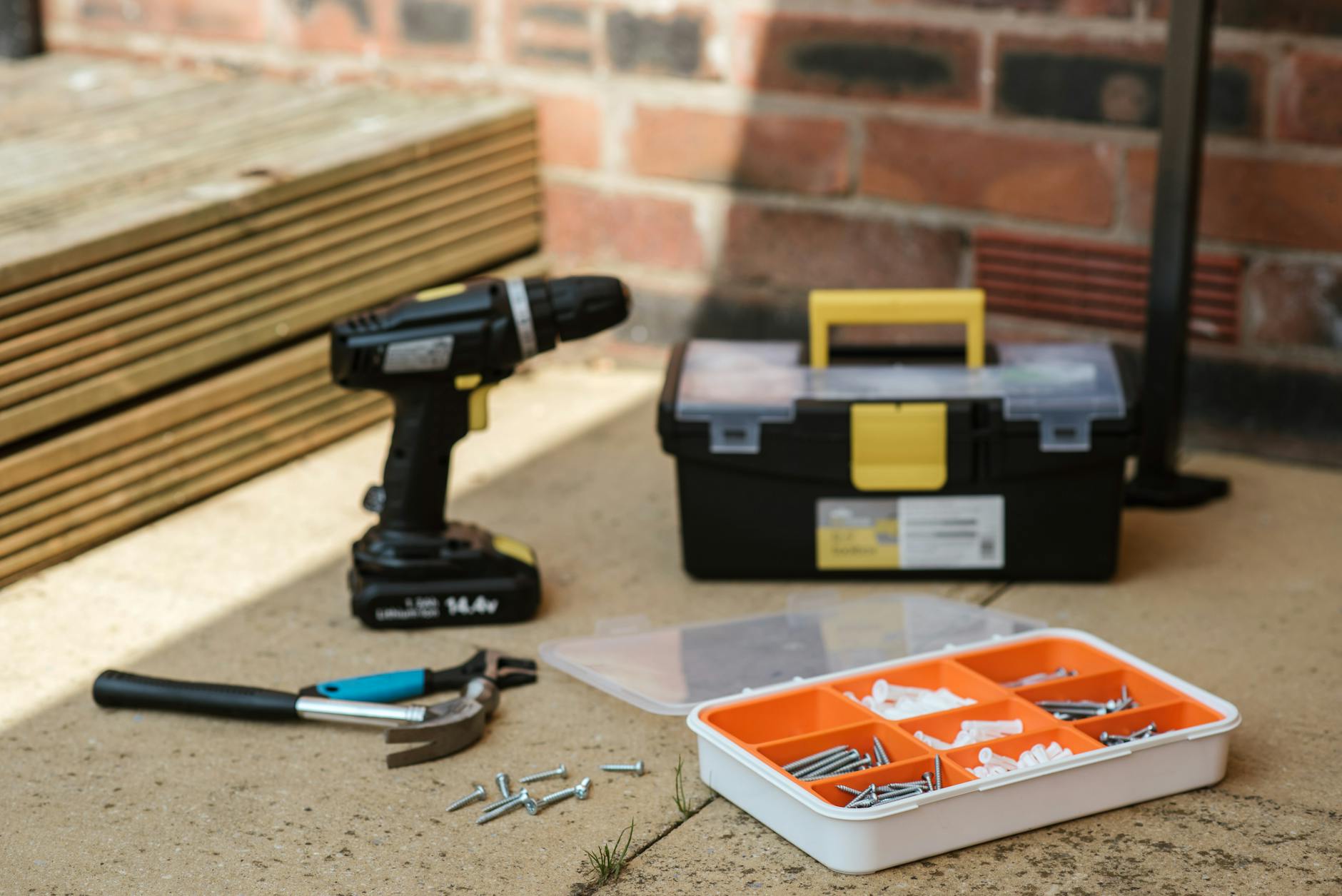
Before reaching for glue, identify which type of failure you're dealing with. Each responds differently to repair:
- Snapped handles — broom handles, tool grips, drawer pulls; usually a clean fracture under bending stress
- Cracked casings — appliance housings, electronics enclosures, storage box lids; often hairline cracks that worsen over time
- Broken clips and tabs — the tiny locking tabs on lids, battery covers, and connector housings; high stress concentration in a small area
- Stripped or damaged threads — bottle caps, hose fittings, plastic bolts; the thread profile wears away so nothing holds
- Cracked structural housings — garden furniture, chair backs, tool body frames; load-bearing breaks that need reinforcement, not just bonding
Repair Method 1: Friction Welding (Soldering Iron Technique)
If you own a cheap soldering iron — even a basic $10 model — you have one of the most effective tools for repairing cracked plastic at home. Friction welding uses a hot tip to locally melt the plastic on both sides of a crack, fusing the polymer chains back together. Done correctly, the repaired joint can be nearly as strong as the original material.
This method works on thermoplastics only: ABS, PP, PE, PVC, and nylon all respond well. It will not work on thermosets like Bakelite or cured epoxy resin.
Step-by-step: soldering iron weld
- Clean the break. Wipe both surfaces with isopropyl alcohol and let them dry completely. Any oil or moisture will weaken the weld.
- Align and tape. Hold the two pieces in their correct position and tape the outside of the joint to keep alignment while you work from the inside or back face.
- Tack the ends first. Touch the soldering iron tip briefly to each end of the crack to create two anchor points. This stops the pieces from shifting as you work along the join.
- Run the weld. Drag the iron tip slowly along the crack line, melting a narrow furrow of plastic from both sides simultaneously. You want the two melt zones to blend together, not just touch.
- Add filler material (optional but recommended). Cut a thin strip from a scrap piece of the same plastic type. Lay it over the joint and melt it in with the iron to add material volume and significantly increase strength.
- Let it cool slowly. Don't quench with water. Allow natural cooling to avoid thermal stress cracking the fresh weld.
- Sand and finish. Once cool, sand the weld bead flush with 120-grit sandpaper, followed by 220-grit for a smooth finish.
This technique excels on cracked housings, snapped handles, and garden furniture. It's less practical for very thin plastic (under 1mm) or on highly visible cosmetic surfaces where appearance matters.
Repair Method 2: Adhesives — Choosing the Right Glue
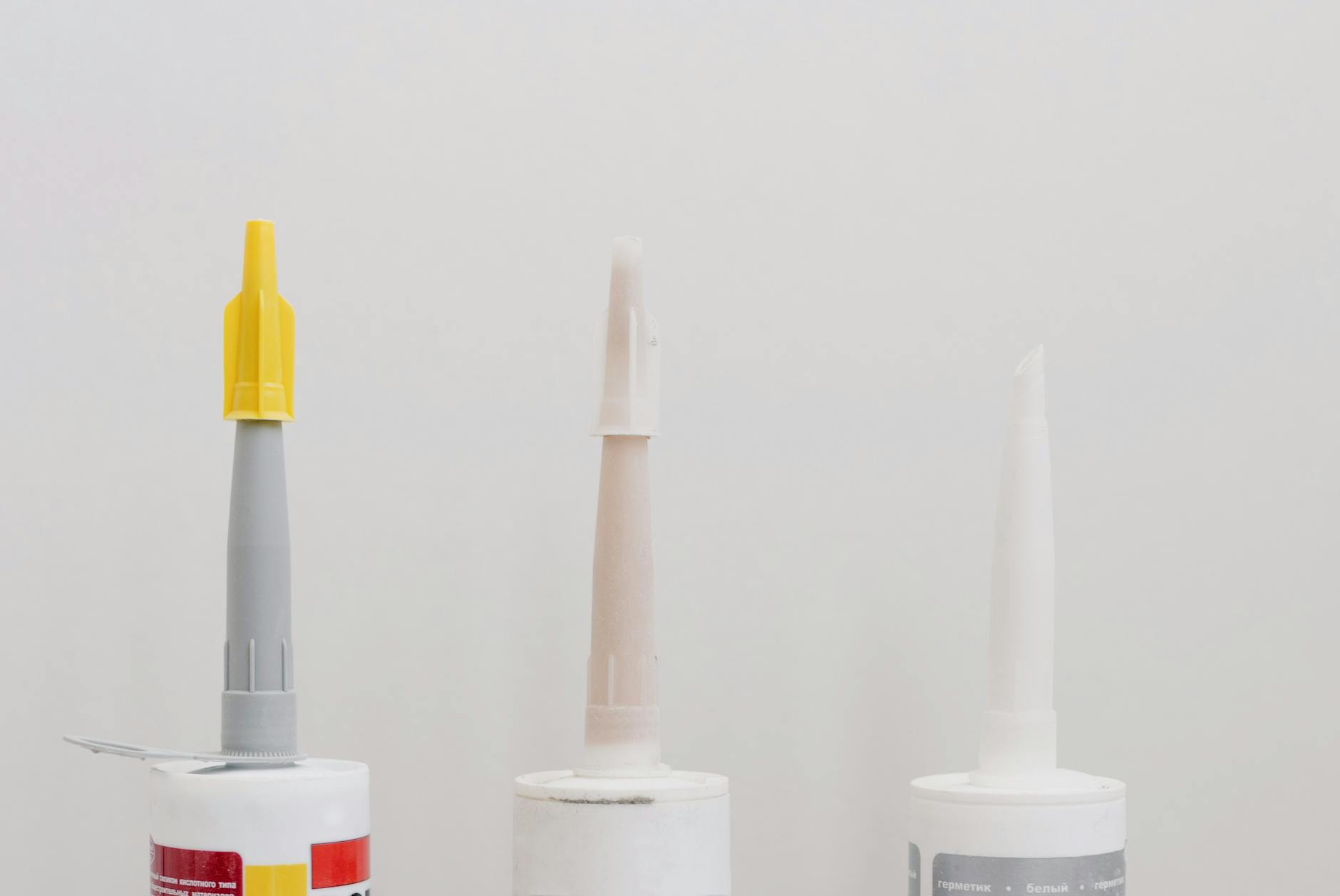
Adhesives are the first thing most people reach for, but they're also the most misused repair tool. Grab the wrong glue for the plastic type and you'll end up with a joint that holds for a day then fails completely. Here's how to get it right.
Why some plastics resist almost every glue
Polyethylene (PE) and polypropylene (PP) are the hardest plastics to glue. Both have a very low surface energy, which means liquid adhesives simply bead up and peel away once cured — there's nothing for the glue to chemically grip. These are the waxy-feeling plastics used in food containers, buckets, and many outdoor items. If you try super glue on a PP bucket and it fails within minutes, that's why.
To bond PE or PP with adhesive, you first need to increase surface energy. You can do this by briefly flame-treating the surface (pass a lighter flame across it for 1–2 seconds — you'll see the surface sheen change slightly), or by applying a plastic primer spray designed for polyolefins. After treatment, a two-part structural adhesive (methacrylate-based) gives the best results on these difficult materials.
Adhesive guide by plastic type
| Plastic Type | Common Uses | Best Adhesive | Notes |
|---|---|---|---|
| ABS | Appliance casings, LEGO, car parts | Cyanoacrylate (super glue), acetone solvent weld | Acetone solvent weld creates a chemical bond; very strong on clean breaks |
| PVC | Pipes, window frames, garden hose fittings | PVC solvent cement, two-part epoxy | Dedicated PVC cement creates a molecular fusion, not just a surface bond |
| Nylon | Gears, tool parts, cable ties | Two-part epoxy, structural acrylic | Nylon is slippery; roughen surface with 80-grit sandpaper before gluing |
| PP / PE | Containers, buckets, outdoor furniture | Two-part methacrylate after flame/primer treatment | Most other glues will fail; surface prep is non-negotiable |
| Acrylic (PMMA) | Display cases, sign panels, furniture | Acrylic solvent cement, UV-cure adhesive | Solvent cement flows into hairline cracks by capillary action; excellent on clean breaks |
Regardless of glue type, the golden rule is this: clamp everything. Most adhesives cure under compression. A joint held together only by surface tension while the glue sets will be far weaker than one clamped tightly for the full cure time stated on the packaging.
Repair Method 3: Thermoplastic Compounds
For breaks where welding is impractical and glue alone won't provide enough structural mass, thermoplastic repair compounds offer a third path. These are moldable materials — typically pellets or strips — that soften in hot water (usually around 60–65°C) and become pliable enough to shape by hand. When they cool, they harden into a rigid, lightweight solid that bonds to most surfaces.
The most popular formulations are based on polycaprolactone (PCL), a biodegradable thermoplastic that becomes workable at relatively low temperatures, making it safe to handle without gloves in most cases. You'll find it sold under various brand names, including FixIts, InstaMorph, Polymorph, and Friendly Plastic — all similar materials with minor formulation differences.
Thermoplastic compounds are particularly well-suited to:
- Rebuilding missing or sheared-off tabs and clips where there's no original material left to weld or glue
- Creating custom filler pieces for irregular shaped breaks
- Forming a replacement handle grip around a broken section
- Making a bespoke backing plate that spans a crack and bonds to both sides
- Re-forming stripped threads by pressing the softened compound into the thread female mold, letting it set, then removing and trimming
How to use thermoplastic compound
- Heat water to around 65°C (not boiling — around the temperature of a very hot cup of tea).
- Drop the pellets or strip into the water. Within 60–90 seconds they will turn translucent and become pliable.
- Remove from water, shake off excess, and knead briefly until the compound is uniform and slightly tacky.
- Press firmly onto the break site. The warmth helps it bond to the underlying plastic surface.
- Shape quickly — you typically have 2–3 minutes of working time before it begins to stiffen.
- Hold in position or clamp lightly until cool (5–10 minutes). The material turns white as it cures.
- If the shape isn't right, reheat in hot water and re-form. This is one of the biggest advantages over glue — it's fully reversible and reworkable.
The main limitation is load-bearing applications: PCL-based compounds are strong for static loads but can creep under sustained mechanical stress. They're excellent for fixing clips, housings, and handles that see intermittent rather than continuous force.
Repair Method 4: Reinforcement Techniques
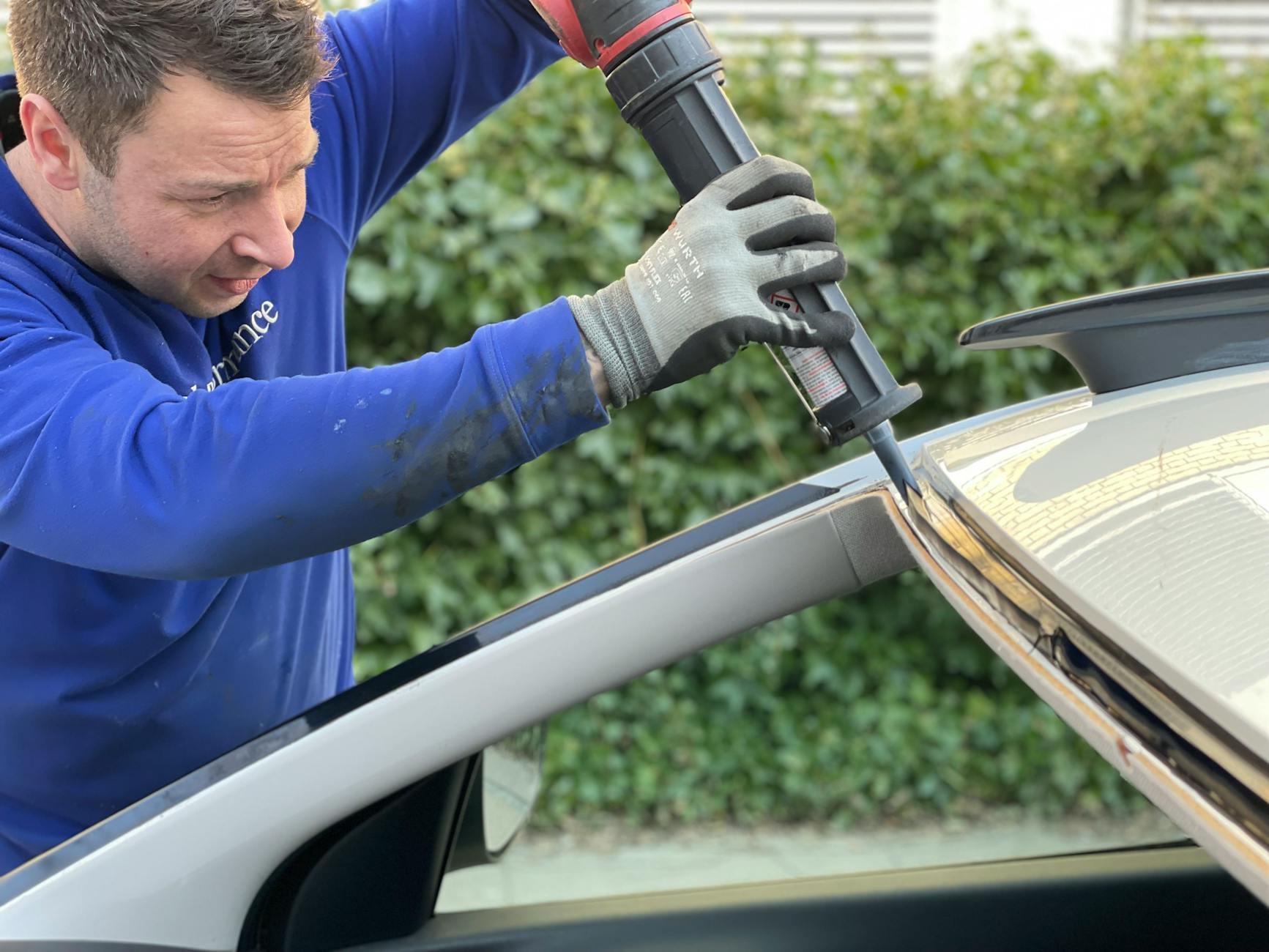
For load-bearing breaks — chair backs, garden furniture frames, structural clips on weight-bearing shelves — bonding alone often isn't enough. The original plastic failed under stress; a re-bonded joint without reinforcement will simply fail again in the same place. The solution is to span the break with a reinforcing element that distributes the load across a wider area.
Backing plates
Cut a backing plate from a similar-thickness piece of plastic, metal (aluminium sheet works well) or fibreglass. Epoxy or bolt it to the inside surface, spanning at least 30mm on each side of the break. For hidden repairs on chair frames and structural panels, this is often the strongest and most durable approach. The backing plate carries the bending load; the adhesive or weld just holds alignment.
Pin and staple reinforcement
A hot staple gun (designed for plastic repair) drives U-shaped metal staples across a crack while the surrounding plastic is slightly softened, creating a mechanical bridge through the material. This is a professional auto-body technique that translates perfectly to home use. Cheaper than dedicated equipment: a soldering iron with a narrow flat tip can melt short lengths of paperclip wire across a crack line as improvised staples.
Fibre and fabric reinforcement
Fibreglass mat, carbon fibre cloth, or even tightly-woven fabric strips saturated with two-part epoxy can be laid over a break and allowed to cure into a rigid shell. This approach works particularly well on curved surfaces like chair seats, planters, and body panels. Sand the plastic surface before applying to improve adhesion, and apply at least two layers for adequate thickness.
Which Method for Which Break? A Decision Guide
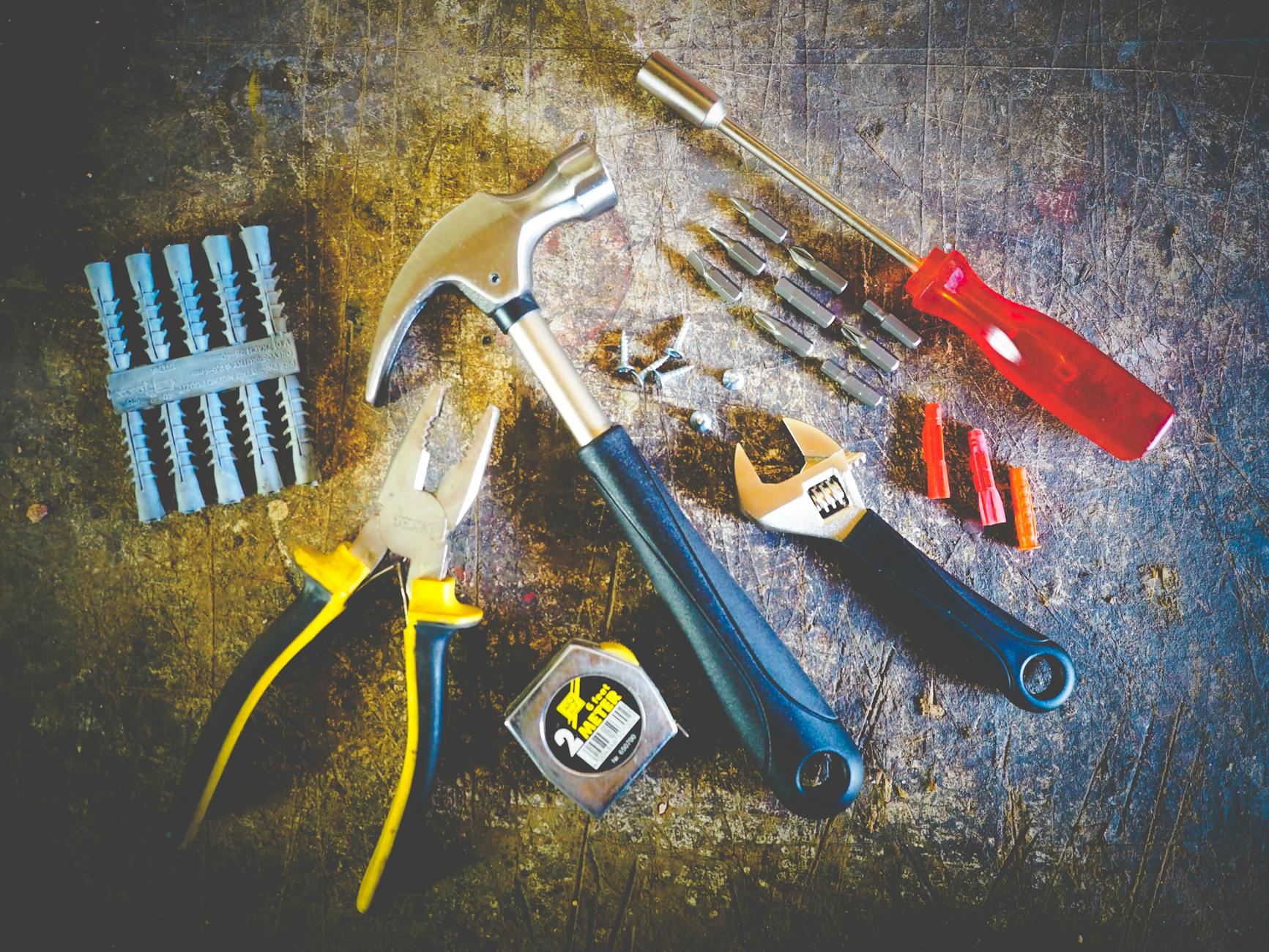
With four methods available, the practical question is: which one do you use for the specific thing in front of you? Here's a straightforward decision framework.
Snapped handle (broom, tool, drawer pull)
If the break is clean and the plastic is thermoplastic, friction weld first, then wrap the joint with a thin fibre-epoxy strip for reinforcement. Handles see repeated bending; a glue joint alone rarely survives long-term. If the plastic is degraded or crumbling, mold a thermoplastic compound around the joint instead — it distributes load better than a narrow weld line.
Cracked appliance or electronics casing
Identify the plastic first (ABS is the most common for electronics housings). Cyanoacrylate (super glue) plus a thin bead of baking soda to act as a filler and accelerant is fast and effective on hairline ABS cracks. For wider gaps, apply super glue to one surface, sprinkle baking soda onto it, then apply more glue on top. The reaction creates a rigid, sandable filler. Finish with a reinforcing patch on the inside surface.
Broken clip or tab
If there's original material to work with, weld it back. If the tab has snapped off entirely and the fragment is lost, thermoplastic compound is your best option — mold a new tab directly in place using the mating piece as a forming template. Let it cure with the parts assembled so the shape is correct, then separate and trim any flash.
Stripped thread
For a stripped plastic thread, thermoplastic compound pressed into the female thread while soft, then quickly threading the male fastener through it before it hardens, creates a new custom thread profile. Let it cure fully before removing the fastener. Alternatively, if the thread is in a structural location, drill out to the next bolt size and run a metal thread insert using a tap-and-die set.
Cracked structural housing or furniture
This is a two-step job: weld or glue the crack first to bring the faces together, then apply a backing plate or fibre reinforcement to carry the structural load. Attempting to do this with adhesive alone will result in failure under any meaningful load.
Common Mistakes That Cause Repairs to Fail
Most failed plastic repairs come down to a handful of recurring errors. Here are the most important ones to avoid when you tackle diy plastic repair at home.
- Skipping surface prep. Any oil, dust, or moisture on the repair surface will prevent bonding. Isopropyl alcohol and a clean cloth take 30 seconds and make an enormous difference to joint strength.
- Using the wrong glue. Super glue works brilliantly on ABS. It will not bond PE or PP effectively, no matter how generously you apply it. Always identify your plastic before reaching for adhesive.
- Not clamping during cure. Almost all adhesives cure under compression. Holding a joint by hand for 30 seconds, then walking away, is not the same as clamping it properly for the full cure period.
- Overheating during friction welding. Moving the soldering iron too slowly or pressing too hard generates excess heat, which can cause bubbling, charring, and weakening of the surrounding plastic. Keep the iron moving.
- Trying to repair degraded plastic. UV-degraded plastic that powders or crumbles at the break point cannot be effectively repaired. The rest of the item is likely similarly degraded — it may be time to replace rather than repair.
- Skipping reinforcement on load-bearing joints. A glued joint has no memory of the original polymer structure. Under repeated bending or twisting, it will eventually fail. Always back up structural repairs with a physical reinforcement layer.
- Rushing the cure time. Both adhesives and thermoplastic compounds need adequate time to develop full strength. Testing a repair 10 minutes after completion is asking it to fail.
Key Takeaways
Knowing how to fix broken plastic at home isn't just a money-saving trick — it's a practical form of material literacy. Once you understand that PE and PP resist most standard glues, that a clean break in ABS can be friction-welded to near-original strength, and that missing tabs can be remolded from thermoplastic compounds, the number of things you're able to repair rather than discard expands dramatically.
The four methods covered here — friction welding, adhesives, thermoplastic compounds, and reinforcement — are not competing approaches. The best repairs often combine two or three of them: weld the crack, fill any gaps with a moldable compound, then apply a fibre-epoxy backing for structural confidence. Start with identifying your plastic type, match it to the right chemistry, prepare the surface properly, and give the repair time to cure. A broken item fixed well can easily outlast an identical replacement.
For more on reducing household waste through repair, you might also find our guides on caring for common household materials and extending the life of garden tools useful — small maintenance habits that prevent the breaks from happening in the first place.