How to Choose the Right Hearing Aid: A Plain-English Guide
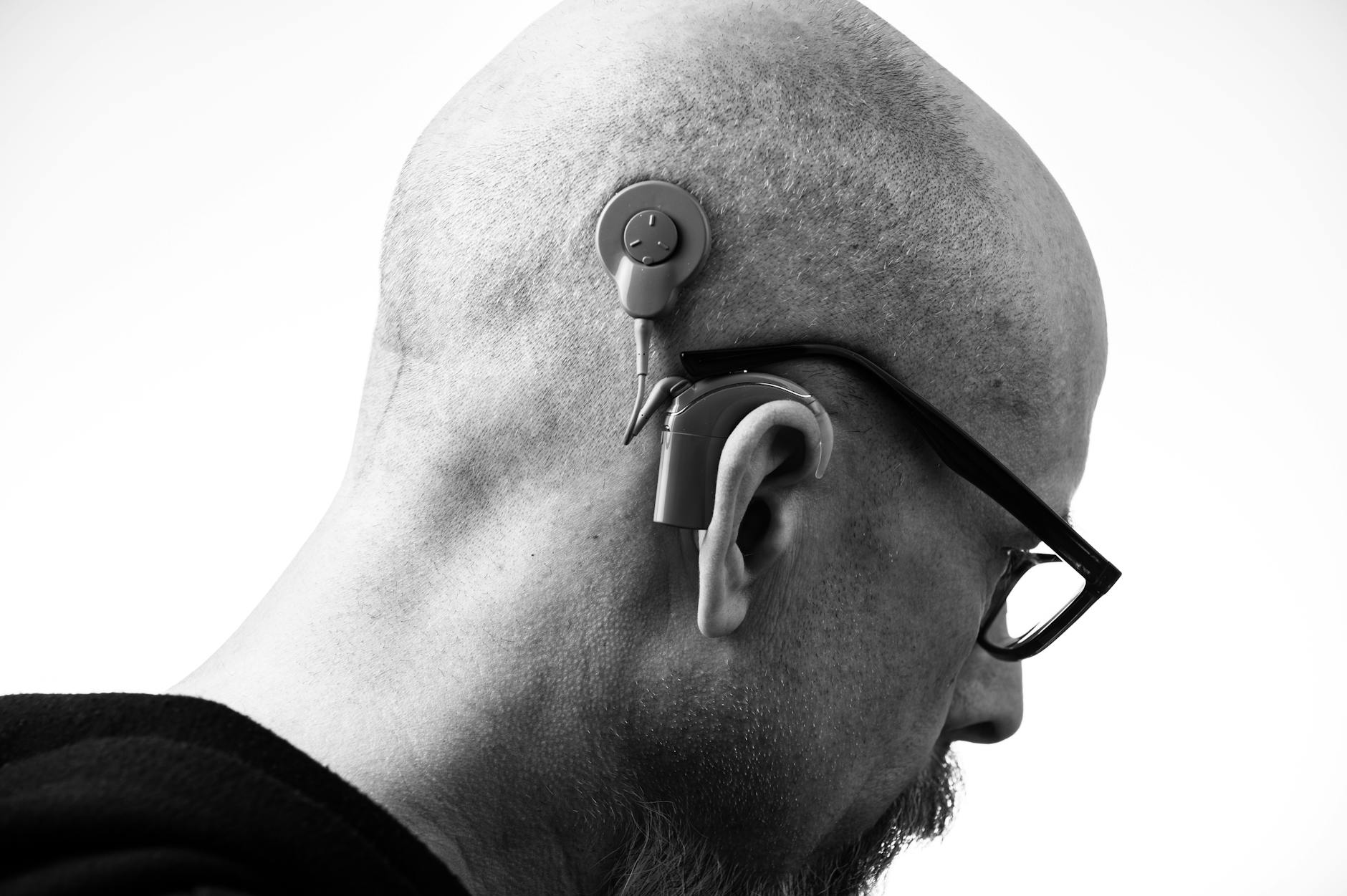
Figuring out how to choose a hearing aid can feel overwhelming. The moment you start researching, you're hit with a wall of acronyms — BTE, RIC, ITE, CIC — followed by spec sheets full of frequency ranges, gain levels, and processing channels. It's enough to make anyone give up and just pick whatever the audiologist recommends without truly understanding why.
This guide cuts through the noise. Whether you're buying your first hearing aid or upgrading an older pair, you'll find a clear, practical framework here that helps you match the right device to your degree of hearing loss, daily lifestyle, and budget — without needing a medical degree to follow along.
Step 1: Get a Proper Hearing Test First
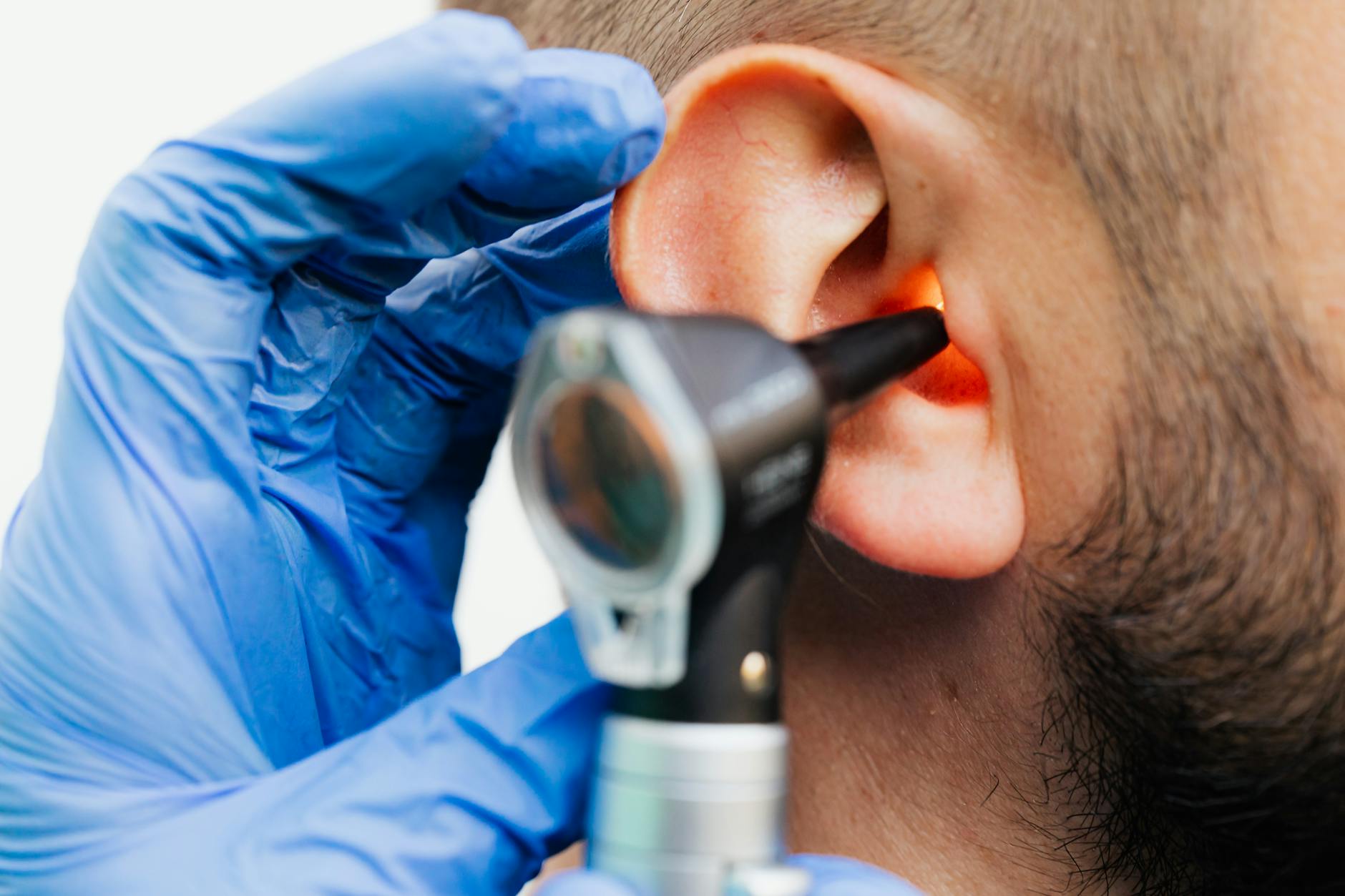
Before you look at a single product, you need an audiogram — a chart produced by a licensed audiologist or hearing specialist that maps exactly how much hearing loss you have across different sound frequencies. This isn't optional. Every reputable hearing aid purchase, whether through a clinic or an online retailer, should start here.
Your audiogram will classify your loss into one of five categories:
| Category | dB HL Range | What It Means |
|---|---|---|
| Mild | 26 – 40 dB | Difficulty with soft speech, especially in background noise |
| Moderate | 41 – 55 dB | Regular conversation is hard without a hearing aid |
| Moderately Severe | 56 – 70 dB | Loud speech and most environmental sounds are missed |
| Severe | 71 – 90 dB | Shouted speech or loud noises may still be inaudible |
| Profound | 91 dB+ | Almost no unaided hearing; powerful aids or implants needed |
Your audiogram result directly determines which hearing aid styles and power levels are even appropriate for you. A device marketed for mild loss will not help someone with severe loss — and vice versa.
Step 2: Understand the Main Hearing Aid Styles
This is where most first-time buyers get lost. There are five primary hearing aid styles, and the differences go beyond looks — each has genuine trade-offs in power, discretion, ease of use, and price. Here is a plain-English breakdown of hearing aid styles explained:
BTE — Behind-the-Ear
The device sits behind the ear and connects to a custom earmold or dome via a thin tube. BTE aids are the most powerful style available, making them the go-to choice for moderate-to-profound hearing loss. They're also the easiest to handle, which makes them popular among older adults or anyone with limited dexterity. The trade-off is visibility — a BTE is the most noticeable style on this list.
RIC / RITE — Receiver-in-Canal / Receiver-in-the-Ear
Often described as a slimmer, more modern BTE, the RIC places the speaker (receiver) inside the ear canal rather than in the body of the device. This makes RIC aids smaller, more comfortable, and better at reproducing natural sound. They're the best-selling style worldwide and suit mild-to-severe loss. Most current Bluetooth-enabled hearing aids use the RIC form factor.
ITE — In-the-Ear
The entire device sits in the outer bowl of the ear (the concha). ITE aids are custom-molded to your ear shape, which makes them comfortable and reasonably discreet. They're easier to insert than smaller styles and often include directional microphones. Suitable for mild-to-moderately-severe loss.
ITC — In-the-Canal
Smaller than ITE, the ITC sits partly in the ear canal. It's less visible than an ITE but harder to handle for people with arthritis or reduced fine motor control. Suitable for mild-to-moderate loss.
CIC / IIC — Completely-in-Canal / Invisible-in-Canal
The most discreet options — CIC and IIC aids sit so deep in the canal that they're virtually invisible. Many users appreciate the natural sound quality (the outer ear still funnels sound in its normal way). However, their tiny size means fewer features, shorter battery life, and they can be difficult to insert or remove. These styles are only appropriate for mild-to-moderate loss and are not suitable for severe or profound hearing loss.
Style Quick-Reference Chart
| Style | Visibility | Power Range | Ease of Use | Best For |
|---|---|---|---|---|
| BTE | High | Mild – Profound | Easiest | Severe/profound loss; older adults |
| RIC | Low–Medium | Mild – Severe | Easy | Most users; Bluetooth features |
| ITE | Medium | Mild – Mod. Severe | Moderate | Custom comfort; moderate loss |
| ITC | Low | Mild – Moderate | Moderate | Partial discretion; mid-range loss |
| CIC / IIC | Very Low | Mild – Moderate | Harder | Maximum discretion; mild loss |
Step 3: Know Which Features Actually Matter
Once you know your style, the next part of any solid hearing aid buying guide is understanding which technology features are worth paying for — and which are mostly marketing language. Here are the ones that have a proven real-world impact:
Number of Processing Channels
Channels divide the sound spectrum into bands that can each be adjusted separately. More channels (16–24+) allow for more precise fitting and generally produce more natural-sounding amplification. Entry-level aids may have as few as 4–6 channels — fine for quiet environments, but limiting in complex acoustic settings.
Noise Reduction and Directional Microphones
These two features work together to help you follow a conversation in noisy places — a restaurant, a family gathering, a busy office. Digital noise reduction suppresses background sound, while directional microphones focus amplification on what's directly in front of you. If you spend time in noisy environments, these are non-negotiable.
Bluetooth Connectivity
Modern hearing aids can stream audio directly from smartphones, tablets, and televisions. This is one of the most transformative features for daily quality of life — phone calls sound clearer, TV volume no longer needs to be cranked up, and music or podcasts stream directly into your ears. Most mid-range and premium RIC aids include Bluetooth; it is rare in CIC styles due to size constraints.
Rechargeable vs. Disposable Batteries
This is one of the most practical decisions you'll make. Disposable hearing aid batteries (usually zinc-air, sizes 10, 312, 13, or 675) are inexpensive and widely available, but need replacing every 3–14 days depending on size and usage. Rechargeable lithium-ion aids are more convenient — you simply place them in a charging case overnight — but cost more upfront and eventually need the battery replaced by a professional after several years.
If you have arthritis, reduced hand strength, or simply find small batteries fiddly, a rechargeable model is worth the extra investment. If you travel frequently to areas without reliable electricity, disposable batteries offer peace of mind.
Tinnitus Masking Programs
Many people with hearing loss also experience tinnitus (ringing or buzzing in the ears). A number of hearing aids now include built-in tinnitus masking features that play a gentle background sound to reduce the perceived intensity of the ringing. If tinnitus is a concern for you, check whether this feature is included before buying.
App Control and Remote Adjustments
Companion smartphone apps let you adjust volume, switch programs (e.g., switching from a "restaurant" preset to a "music" preset), and in some cases send remote fine-tuning data to your audiologist without an in-person visit. This is particularly valuable if you live far from an audiology clinic or if your schedule makes regular appointments difficult.
Step 4: Match Your Lifestyle to the Right Device
Knowing what to look for in a hearing aid means being honest about how you actually spend your day. A retired person who works in the garden and watches television has very different needs from someone who commutes, takes calls in open-plan offices, and travels internationally for work. Use this simple decision framework:
Decision Framework: Finding Your Fit
- Mild loss + active lifestyle + want discretion? — Consider RIC or ITC
- Moderate–severe loss + use a smartphone? — Bluetooth-enabled RIC is the strongest match
- Severe–profound loss + dexterity issues? — High-power BTE with rechargeable battery
- Work in noisy environments daily? — Prioritize directional microphones and noise reduction (16+ channels)
- Mainly at home, mostly quiet settings? — Entry-level or mid-range may be entirely sufficient
- Have tinnitus alongside hearing loss? — Look for built-in tinnitus management programs
- Prefer maximum invisibility? — CIC/IIC (mild–moderate loss only)
Step 5: Understand the Price Tiers
Hearing aids span a wide price range. Understanding what each tier actually delivers helps you spend wisely rather than simply buying the most expensive option available. This is a key part of any thorough hearing aid buying guide.
| Tier | Typical Cost (per pair) | What You Get |
|---|---|---|
| OTC / Entry | $200 – $800 | Basic amplification; suitable for mild loss; limited customization |
| Mid-Range | $1,500 – $3,500 | Noise reduction, directional mics, Bluetooth, app control; fits most lifestyles |
| Premium | $4,000 – $7,000+ | AI sound processing, automatic scene detection, 24+ channels, remote adjustments, advanced tinnitus programs |
It is worth noting that since the U.S. FDA cleared over-the-counter (OTC) hearing aids for mild-to-moderate loss in 2022, costs have dropped significantly at the entry level. Brands such as Sony, Jabra, and Lexie now offer OTC options that bypass the traditional prescription-and-fitting process entirely — a genuine option for those with mild loss and limited budgets.
For moderate-to-severe loss, however, professionally fitted devices from established manufacturers — including Phonak, Oticon, Widex, Starkey, and ReSound — remain the benchmark. These require audiologist fitting visits and are worth the professional involvement.
Step 6: Trial Periods, Warranties, and Aftercare
Even the most carefully chosen hearing aid may need adjustment after you wear it in real-world conditions. That is completely normal — audiology professionals expect it. Before you finalize any purchase, confirm these three things:
- Trial period: Most reputable providers offer a 30–60 day trial. If the device does not feel right, you can return or exchange it. Never buy a hearing aid without a trial period.
- Warranty: Standard manufacturer warranties run 1–3 years and cover manufacturing defects. Loss-and-damage coverage is often available as an add-on and is worth considering given how small hearing aids are.
- Follow-up appointments: Proper fitting is an iterative process. Budget for 2–3 follow-up appointments in the first few months — these fine-tuning sessions make a significant difference in outcome and are often included with clinic-purchased devices.
A Note on Hearing Aid Best Brands
If you're researching hearing aid best brands, you'll encounter names like Phonak, Oticon, Widex, Starkey, ReSound, Signia, and Unitron at the premium end, and Jabra Enhance, Lexie, and Sony CRE at the OTC level. All of the major clinical brands manufacture high-quality devices — the "best" brand is less important than finding the right style and feature set for your specific audiogram and lifestyle. Your audiologist will often have a preferred manufacturer, and that preference is usually grounded in clinical experience rather than bias, so it's worth asking about their reasoning.
Frequently Asked Questions
Key Takeaways
Learning how to choose a hearing aid comes down to a handful of disciplined steps, not a daunting maze of technical specs. Start with a verified audiogram, match your style to your degree of loss and dexterity, then layer in the features — noise reduction, Bluetooth, rechargeable batteries — that reflect how you actually live your life. Use the price tiers as a guide but resist the urge to spend at the premium level unless your audiogram and lifestyle genuinely justify it.
Most importantly: never skip the trial period, always confirm the warranty, and budget for the follow-up fittings. A hearing aid is only as good as the fit it receives, and that fit is a collaborative process between you and your audiologist. With the right information in hand — which you now have — that process becomes considerably less intimidating.