How Oral Bacteria Cause Yellow Teeth (And What to Do About It)
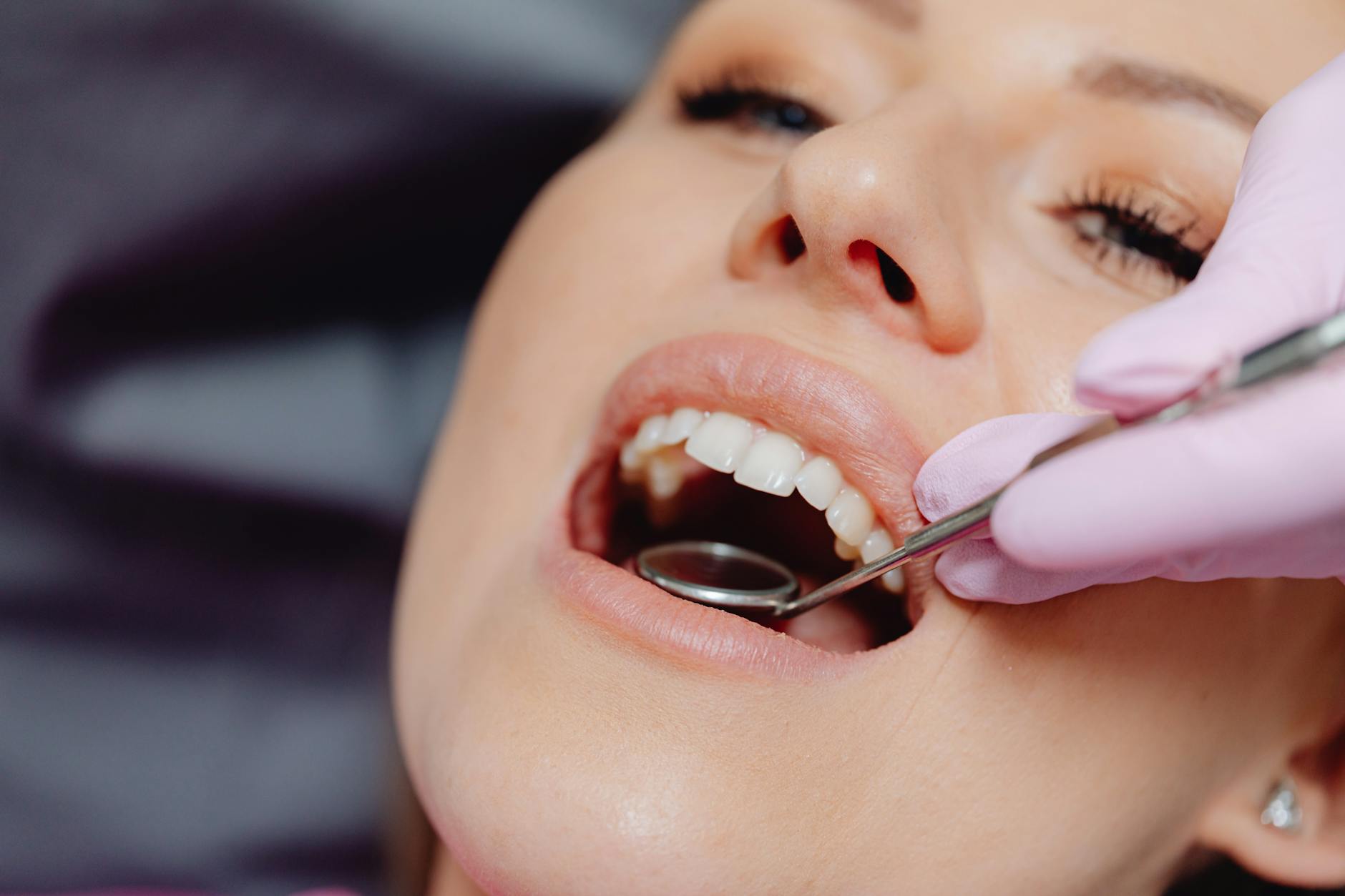
When most people think about oral bacteria yellow teeth, they picture a simple hygiene problem — skip brushing, get yellow teeth. But the relationship between your oral microbiome and your tooth color is far more complex, and far more interesting, than that. Researchers now know that specific strains of bacteria living in your mouth produce pigmented compounds that bind directly to tooth enamel, creating stains that no amount of whitening toothpaste can easily remove. Understanding this mechanism is the first step toward actually doing something about it.
This guide breaks down the science of why teeth turn yellow from a bacterial perspective, explains how plaque biofilm acts as a stain trap, and outlines evidence-based strategies for getting your oral microbiome — and your smile — back on track.
The Two Types of Tooth Staining: Why Bacteria Matter More Than You Think
Dental researchers classify tooth discoloration into two broad categories: extrinsic stains and intrinsic stains.
Extrinsic stains sit on the outer surface of the tooth. These are caused by chromogens — pigmented molecules found in coffee, tea, red wine, and tobacco smoke — that adhere to the pellicle, a thin protein film coating your enamel. These stains are generally the easiest to treat and respond well to physical abrasion (polishing) and chemical bleaching.
Intrinsic stains are embedded deeper, within the enamel or dentine itself. They arise from causes like childhood antibiotic use (particularly tetracycline), excess fluoride during tooth development, trauma, or aging. These are considerably harder to address.
But there is a third mechanism that gets almost no attention in popular media: bacteria staining teeth directly through the production of chromogenic metabolites. This sits somewhere between extrinsic and intrinsic — it originates on the surface but penetrates into the enamel microstructure over time, making it uniquely stubborn.
What Are Chromogenic Bacteria?
The term "chromogenic" simply means "color-producing." Chromogenic bacteria are strains within the oral microbiome that synthesize or release pigmented compounds as byproducts of their normal metabolic activity. These pigments — ranging from yellows and browns to greens and even blacks — deposit onto tooth surfaces and, over time, work their way into the microscopic pores of enamel.
Several bacterial species have been identified as the primary culprits:
- Actinomyces species — Among the most studied chromogenic organisms. They produce a yellow-brown pigmentation that commonly appears along the gumline. Actinomyces are present in virtually every adult mouth, but their populations tend to balloon when oral hygiene is inconsistent.
- Porphyromonas gingivalis — A key player in gum disease, this species also produces black-pigmented compounds derived from heme proteins in blood. It is one reason that gum disease and dark staining so often appear together.
- Prevotella melaninogenica — As the name suggests, this bacterium produces melanin-like dark pigments. It thrives in anaerobic (oxygen-poor) environments like deep gum pockets and the spaces between teeth.
- Streptococcus mutans — Primarily known for its role in tooth decay, S. mutans also produces glucan biofilms that serve as scaffolding for stain-trapping plaque layers.
- Chromogenic bacteria producing green stains — A rarer but clinically documented phenomenon, particularly in children, caused by bacteria metabolizing hemoglobin breakdown products into green-pigmented compounds.
What makes these organisms so problematic from a cosmetic standpoint is that their pigments are not simply sitting on top of enamel. Studies have shown that chromogenic bacterial compounds interact chemically with the calcium-phosphate matrix of enamel, forming bonds that resist simple mechanical cleaning. This is a key part of why teeth turn yellow even in people who brush regularly.
How Plaque Biofilm Becomes a Stain-Trapping Machine
Plaque is not a random accumulation of debris. It is a highly organized bacterial community called a biofilm — a structured matrix of microorganisms embedded in a self-produced polymer scaffold. Within hours of brushing, a fresh pellicle forms on clean enamel. Bacteria begin colonizing this pellicle within minutes, and a mature biofilm can develop within 24 to 48 hours of inadequate cleaning.
Here is why this matters for staining. The biofilm matrix is extraordinarily effective at trapping and concentrating chromogens from food, drink, and bacterial metabolites alike. Think of it as a sponge that absorbs pigment from everything passing through your mouth, then holds it in prolonged contact with your enamel surface.
Several specific mechanisms are at work:
- Physical entrapment: The sticky extracellular matrix — made largely of glucans and fructans — physically captures tannins, polyphenols, and other chromogens from beverages and foods before they can be rinsed away by saliva.
- pH-driven enamel softening: Bacterial acid production temporarily softens enamel, opening its microstructure and making it more permeable to pigment molecules. This is why a coffee stain absorbed right after a meal (when bacterial acid is peaking) penetrates deeper than one absorbed hours later.
- Enzyme activity: Certain oral bacteria produce enzymes that modify tannins and polyphenols, converting them into more reactive pigmented forms with a stronger affinity for enamel proteins.
- Protein binding: Bacterial metabolites can denature pellicle proteins, causing them to form insoluble brown complexes — a process chemically similar to the browning of cooked meat.
The takeaway: even if you drink relatively little coffee or tea, a dense bacterial biofilm can produce significant yellowing on its own — and it amplifies the staining power of anything else you consume. Bacteria staining teeth is an active, ongoing chemical process, not just a passive accumulation of surface deposits.
The Oral Microbiome and Teeth Color: A Systems-Level View
Your mouth hosts somewhere between 500 and 700 distinct microbial species at any given time. The oral microbiome and teeth color are linked not just through the chromogenic species described above, but through the overall balance of this ecosystem.
A healthy, balanced oral microbiome is dominated by commensal bacteria — organisms that coexist peacefully with their host. Species like Streptococcus salivarius, Veillonella parvula, and various Lactobacillus strains contribute to a stable, slightly alkaline oral environment. In this state, plaque formation is slower, bacterial pigment production is limited, and the self-cleaning capacity of saliva is more effective.
Dysbiosis — an imbalance in the microbial community — shifts this picture dramatically. When pathogenic and chromogenic species outcompete the commensals, the result is faster, denser biofilm formation, more aggressive acid production, and significantly higher levels of pigment-generating metabolic activity. The causes of oral dysbiosis are well-documented:
- A diet high in refined sugars and simple carbohydrates (which feed acid-producing bacteria)
- Chronic mouth breathing (which dries out the oral environment, reducing saliva's protective role)
- Antibiotic use (which can wipe out beneficial bacterial populations and allow opportunistic species to flourish)
- Smoking and tobacco use (which dramatically alter microbiome composition and directly deposit chromogens)
- Infrequent or ineffective mechanical cleaning (which allows biofilm to mature undisturbed)
- Dry mouth caused by medications or medical conditions
This systems-level understanding explains a puzzle that frustrates many people: they brush diligently, avoid coffee and red wine, and still cannot seem to keep their teeth white. If the underlying microbiome is dysbiotic and chromogenic bacteria are dominant, extrinsic stain control alone will never be fully effective.
How to Remove Bacteria from Teeth: Evidence-Based Strategies
Understanding the bacterial basis of tooth discoloration opens up a more complete set of strategies. How to remove bacteria from teeth effectively requires addressing both the biofilm itself and the conditions that allow harmful bacteria to thrive.
1. Master Mechanical Removal First
No antimicrobial agent, mouthwash, or dietary change can substitute for thorough mechanical disruption of plaque. Brushing twice daily for a full two minutes — using proper technique rather than simply scrubbing back and forth — physically dismantles the biofilm matrix. Electric toothbrushes with oscillating or sonic action have consistently outperformed manual brushing in clinical studies for plaque reduction.
Flossing or using interdental brushes is non-negotiable for reaching the contact points between teeth, where chromogenic bacteria and stain-trapping plaque accumulate most densely. Studies estimate that approximately 40% of tooth surfaces are inaccessible to a toothbrush alone.
2. Use Antimicrobial Agents Strategically
Chlorhexidine mouthwash is the clinical gold standard for reducing chromogenic bacterial populations. It works by binding to oral surfaces and releasing antimicrobial activity over several hours after rinsing. However, prolonged use disrupts the overall microbiome and can itself contribute to staining (chlorhexidine binds with tannins to form brown deposits), so it is generally recommended for short-term use under dental supervision.
Essential oil-based mouthwashes (containing thymol, eucalyptol, menthol, and methyl salicylate) have substantial clinical evidence behind them for reducing both plaque and chromogenic bacterial counts without the side-effect profile of chlorhexidine. These are a practical option for daily use.
Oil pulling — swishing with coconut or sesame oil for 10 to 20 minutes — has modest but real evidence behind it for reducing Streptococcus mutans counts and overall plaque formation. It should be viewed as a complement to, not a replacement for, conventional mechanical cleaning.
3. Support a Healthy Oral Microbiome Through Diet
Reducing dietary sugars and refined carbohydrates directly limits the fuel supply for acid-producing bacteria, slowing biofilm development and enamel erosion. But the dietary picture for microbiome health goes beyond just cutting sugar.
Fermented foods (yogurt, kefir, kimchi) and prebiotic-rich foods (garlic, onions, bananas) support beneficial bacterial populations throughout the gastrointestinal tract, with downstream effects on oral flora. Polyphenol-rich foods like green tea, berries, and dark chocolate paradoxically contain compounds that inhibit the growth of S. mutans and other pathogenic oral bacteria, even though their pigments can stain teeth if left in contact with plaque for extended periods.
Crunchy, fibrous vegetables — carrots, celery, apples — provide mild mechanical abrasion during chewing while stimulating saliva production. Saliva is your body's natural antibacterial, pH-buffering, and remineralizing agent. Anything that increases salivary flow is beneficial for both microbiome balance and stain prevention.
4. Tongue Scraping and Saliva Management
The tongue harbors the largest and most diverse bacterial community in the entire mouth. Bacteria resident on the tongue seed the tooth surfaces continuously throughout the day, contributing to biofilm re-formation after brushing. Daily tongue scraping with a dedicated scraper (rather than a toothbrush, which tends to spread bacteria rather than remove them) has been shown to reduce total oral bacterial load and volatile sulfur compound production by meaningful margins.
Saliva production naturally declines during sleep, which is why bacterial populations — and thus chromogenic activity — peak overnight. Brushing before bed is therefore more important, from a staining prevention standpoint, than morning brushing.
5. Schedule Professional Cleaning Regularly
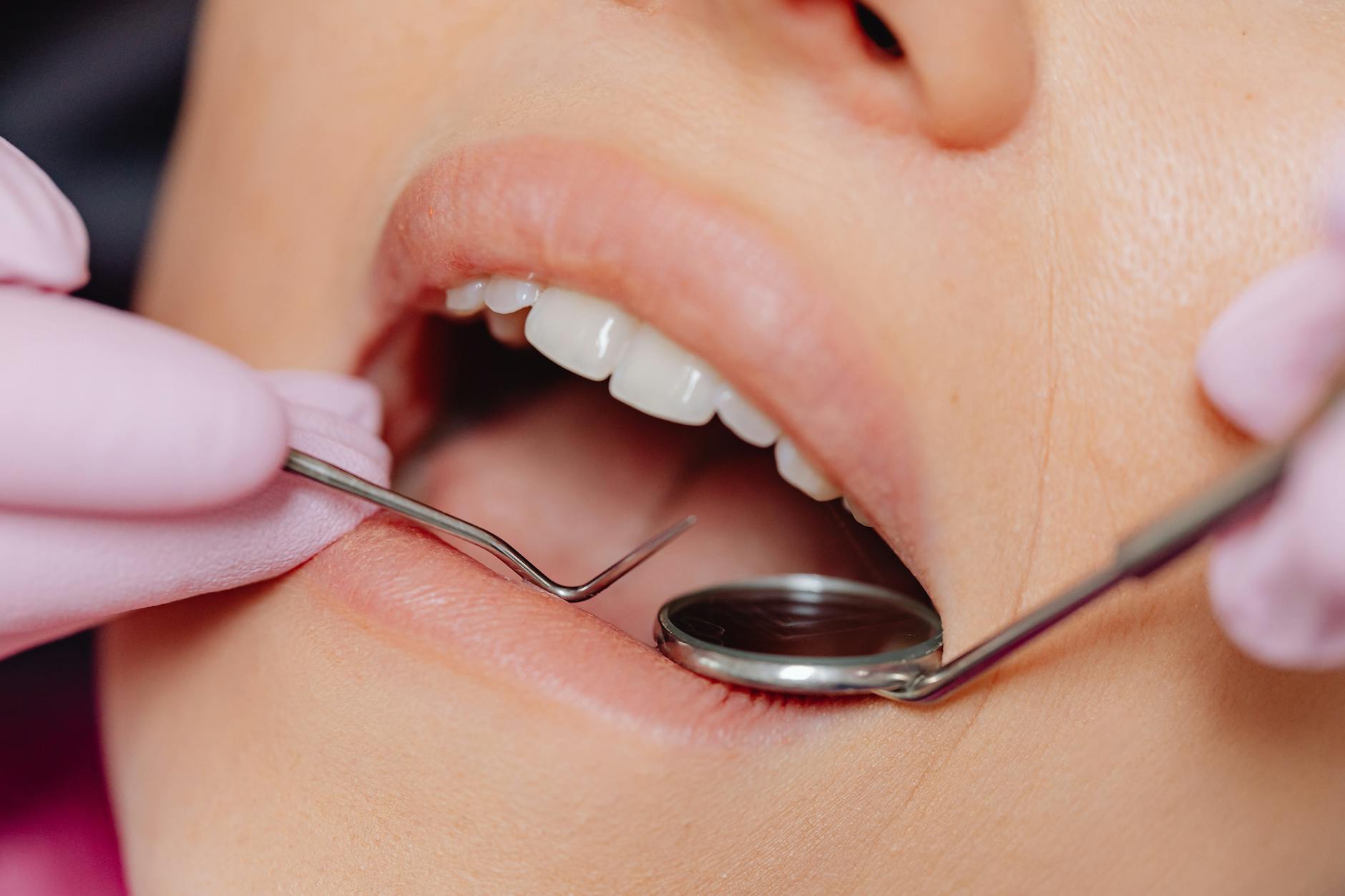
Even perfect home care leaves some biofilm in hard-to-reach locations. Professional prophylaxis — dental scaling and polishing — physically removes mature, mineralized biofilm (calculus or tartar) and the chromogenic deposits embedded within it. Most dental associations recommend professional cleaning every six months for adults with healthy gums, and more frequently for those with a history of gum disease or heavy bacterial staining.
Air polishing, a technique increasingly offered by dental hygienists, uses a pressurized stream of water, air, and fine powder to remove chromogenic stains more efficiently than traditional rubber-cup polishing. It is particularly effective for the stubborn brown-black stains associated with chromogenic bacterial species.
Why Standard Whitening Often Falls Short
Here is a practical implication of everything covered above. Most over-the-counter whitening products use hydrogen peroxide or carbamide peroxide to oxidize stain compounds within enamel. These products are genuinely effective at lightening intrinsic stains and many extrinsic ones.
But here is the problem: if a thick, active biofilm is present, bleaching agents cannot reach the enamel surface effectively. The plaque matrix buffers and consumes the peroxide before it can penetrate the enamel, meaning the whitening treatment is largely wasted. Clinical studies have confirmed that teeth with significant plaque accumulation respond far less predictably to bleaching than clean teeth.
This explains why dentists always instruct patients to have a professional cleaning before undertaking any significant whitening treatment. It also explains why people who whiten at home without thorough pre-cleaning are often disappointed with the results. The bacteria have to go first.
Furthermore, whitening does nothing to address the ongoing bacterial stain production. If chromogenic species are thriving in your biofilm, your teeth will begin re-staining within weeks of any whitening treatment. Addressing the oral bacteria yellow teeth connection at its source — through microbiome management — is what produces lasting results rather than a temporary cosmetic improvement.
Key Takeaways
The connection between oral bacteria and yellow teeth is well-established in the dental literature but almost completely absent from mainstream teeth-whitening conversations. Here is a summary of what the science tells us:
- Chromogenic bacteria — including Actinomyces, Porphyromonas gingivalis, and Prevotella melaninogenica — actively produce pigmented compounds that stain enamel directly, independent of dietary chromogens like coffee or wine.
- Plaque biofilm acts as a stain-trapping and stain-amplifying layer, concentrating pigment from food, drink, and bacterial metabolism and holding it in prolonged contact with enamel.
- The oral microbiome and teeth color are linked at a systemic level: dysbiosis (microbial imbalance) promotes faster, denser, more chromogenic biofilm formation.
- How to remove bacteria from teeth effectively requires consistent mechanical disruption (brushing, flossing), strategic use of antimicrobial agents, dietary support for beneficial bacteria, tongue cleaning, saliva optimization, and regular professional care.
- Whitening treatments perform significantly better — and produce more durable results — when applied to a clean, low-bacteria environment. Bacteria must be managed first for any cosmetic improvement to last.
Understanding your mouth as an ecosystem, rather than simply a surface to be cleaned, is the shift that makes the difference between chasing temporary whiteness and building lasting oral health.