How Much Do Veneers Cost? A Complete Guide to All Your Options

Why Veneer Costs Vary So Dramatically
If you've started researching how much do veneers cost, you've probably already noticed that the answers you find range from a few hundred dollars to tens of thousands. That range isn't a mistake — it reflects the fact that "veneers" is actually an umbrella term covering several very different products, procedures, and materials. Someone quoting you $200 and someone quoting you $2,500 per tooth are almost certainly talking about entirely different things.
Understanding cosmetic dentistry pricing starts with knowing what you're comparing. Permanent dental veneers bonded by a prosthodontist involve diagnostic imaging, custom lab fabrication, and irreversible tooth preparation. A removable snap-on appliance ordered online involves none of that. Neither option is inherently better — they solve different problems for different people — but treating their prices as equivalent leads to confusion and disappointment.
This guide walks through every major type of veneer available today, what each realistically costs in 2025, the key factors that push prices up or down, and how to decide which option actually makes sense for your situation and your budget.
Types of Veneers and Their Costs
1. Porcelain Veneers — $1,000 to $2,500 Per Tooth
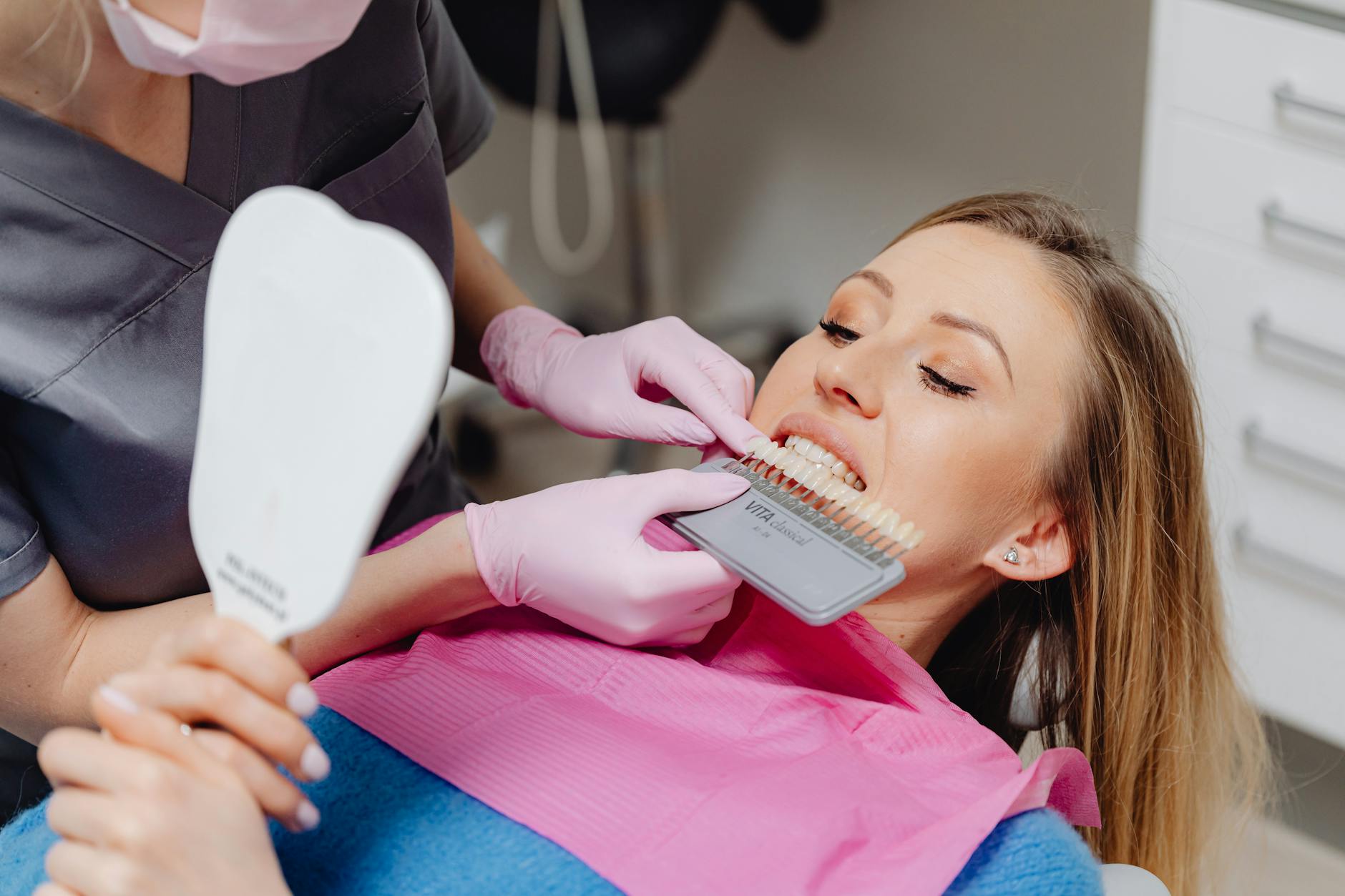
Porcelain veneers cost the most of any option, and for good reason. These are thin ceramic shells custom-fabricated in a dental lab to match the exact shape, size, and shade specified by your dentist. They are bonded permanently to the front surface of your teeth after a small amount of enamel is removed — a step that is irreversible. Done well, porcelain veneers are virtually indistinguishable from natural teeth and can last 10 to 20 years with proper care.
The price range of $1,000 to $2,500 per tooth is wide because it encompasses significant regional and provider variation. A cosmetic dentist at a boutique practice in Manhattan will charge more than a general dentist at a suburban family clinic in the Midwest. Lab fees alone typically run $300 to $500 per unit, and that cost is passed to the patient on top of the dentist's professional fee. A full-smile treatment of 8 to 10 veneers can therefore run anywhere from $8,000 to $25,000 total.
2. Composite Resin Veneers — $250 to $1,500 Per Tooth
Composite veneers use tooth-colored resin material — the same type used in white fillings — applied directly to the tooth surface and sculpted by hand. Because the work is done chairside (no lab is involved), composite veneers are significantly less expensive and can usually be completed in a single appointment.
The trade-off is durability and aesthetics. Composite resin is more porous than porcelain, which means it is more susceptible to staining from coffee, wine, and tobacco, and it does not reflect light quite the same way natural enamel or porcelain does. With careful maintenance, composite veneers typically last 5 to 7 years. They are also repairable if chipped, which porcelain is not.
For patients who want a meaningful cosmetic improvement at roughly half the cost — or who want to "test drive" a smile transformation before committing to porcelain — composite veneers are a legitimate clinical option.
3. No-Prep / Minimal-Prep Veneers — $800 to $2,000 Per Tooth
Brands like Lumineers popularized the concept of "no-prep" veneers — ultra-thin porcelain shells that can be bonded to teeth without removing any enamel. The appeal is obvious: a reversible cosmetic procedure with no drilling and no anesthesia in many cases.
In practice, no-prep veneers are not ideal for every patient. Because they sit on top of the existing tooth without any reduction, they can sometimes look slightly bulky or add perceived thickness to the teeth. They work best on patients with small or mildly misaligned teeth who need to add volume rather than reshape significantly. Costs fall in a range slightly below traditional porcelain because the procedure is less complex, but lab fees are similar.
4. Snap-On / Removable Veneers — $200 to $900 for a Full Set
At the far end of the pricing spectrum are removable snap-on veneers — custom-fitted or semi-custom appliances that clip over existing teeth and can be removed at any time. These are not a dental procedure at all; they are more accurately classified as a cosmetic accessory. No enamel is touched, no anesthesia is involved, and no dentist is required for the purchase (though dental impression kits are typically part of the ordering process).
The cost difference compared to permanent options is substantial: a full upper-and-lower set can cost $200 to $900 depending on the provider and the level of customization. That makes snap-on veneers vs permanent veneers cost a comparison of potentially $500 versus $15,000+ for a full smile — an enormous gap.
Snap-on veneers are not a substitute for permanent cosmetic dentistry. They cannot be worn while eating (most manufacturers advise against it), they do not fix structural dental issues, and they are not a long-term solution in the clinical sense. But for someone who wants to improve their appearance for photos, special events, or daily life without surgery, financing, or irreversible procedures, they fill a real gap in the market.
Veneer Cost Comparison Table
| Veneer Type | Cost Range | Durability | Reversible? | Dentist Required? |
|---|---|---|---|---|
| Porcelain | $1,000–$2,500/tooth | 10–20 years | No | Yes |
| Composite Resin | $250–$1,500/tooth | 5–7 years | Partially | Yes |
| No-Prep (Lumineers) | $800–$2,000/tooth | 10–15 years | Yes | Yes |
| Snap-On / Removable | $200–$900/full set | 1–5 years | Yes (removable) | No |
Factors That Affect Veneer Pricing
Even within the same category, two patients in the same city can receive quotes that differ by thousands of dollars. Here are the main variables at play.
Geographic location. Dental costs in major metropolitan areas are consistently higher than in rural or suburban markets. A porcelain veneer that costs $1,800 per tooth in Nashville may run $2,400 for the same material and procedure in San Francisco or New York City. This reflects overhead costs — rent, staffing, and lab relationships — not necessarily skill level.
Number of teeth treated. Full-smile makeovers covering 8, 10, or 12 teeth are expensive by nature of scale, but many practices offer volume discounts. Treating just 2 to 4 front teeth is substantially more affordable and may be all that is needed for most patients.
Lab quality. For porcelain and no-prep veneers, the dental lab that fabricates the shells plays a major role in both aesthetics and price. Premium labs staffed by master ceramists charge more and produce more lifelike results. Budget labs may cut costs but deliver less nuanced shading and contouring.
Dentist specialization. General dentists perform veneers, but prosthodontists and cosmetic dentists who specialize in smile design typically charge more — and in complex cases, the additional expertise is worth it. For straightforward cases, a skilled general dentist with cosmetic training is often sufficient.
Pre-treatment work. If a patient has untreated cavities, gum disease, or misalignment issues, those must be resolved before veneers are placed. The cost of preparatory treatments — fillings, deep cleanings, orthodontic work — can add significantly to the total investment.
Insurance and Financing Options
Dental insurance almost universally classifies veneers as a cosmetic procedure, which means they are excluded from most standard plans. This applies to porcelain, composite, and no-prep veneers alike. The only exception is when veneers are placed for restorative reasons — for example, to cover a severely fractured or discolored tooth caused by trauma — in which case partial coverage is sometimes available, though it requires pre-authorization and documentation.
Most patients financing permanent veneers do so through one of the following channels:
- Dental financing companies such as CareCredit or Lending Club Health offer promotional periods of 12 to 24 months with deferred interest, making large treatment fees more manageable in monthly installments. Read the fine print carefully — deferred interest is not the same as zero interest if you carry a balance past the promotional period.
- In-house payment plans offered directly by dental practices are common for larger cases and often come without a credit check, though they may require a down payment.
- Health savings accounts (HSAs) and flexible spending accounts (FSAs) can sometimes be used for veneers, particularly if there is a documented restorative component. Check with your account administrator and dentist before assuming eligibility.
- Dental schools offer veneer procedures performed by supervised dental students at significantly reduced rates — sometimes 40 to 60 percent less than private practice fees. Treatment timelines are longer, but the clinical standards are rigorously supervised.
For patients considering affordable veneer options on a tight budget, the combination of composite resin veneers (lower base cost) plus dental school pricing can bring the total investment down to a level that requires no financing at all.
When Each Type of Veneer Makes Sense
Porcelain veneers make the most sense for patients with significant cosmetic concerns — deep intrinsic staining that whitening cannot fix, noticeable chips or cracks, mild spacing or size irregularities — who have healthy gums and enamel and are prepared for a permanent, multi-appointment procedure. They are the gold standard for a reason, but that standard comes with a price and a commitment.
Composite resin veneers are well-suited to patients who want a real, permanent cosmetic improvement without the full cost of porcelain, and who are willing to accept more frequent touch-ups and maintenance. They are also a smart choice for younger patients whose teeth may still be changing, since composite is easier to adjust or reverse than bonded porcelain.
No-prep veneers are best for patients whose main concern is color or minor surface texture, particularly those who are anxious about irreversible enamel removal. They are not appropriate for patients who need significant reshaping or whose teeth are already prominent or wide.
Snap-on veneers serve a distinct population: people who want an improved smile appearance without any dental procedure, who have budget constraints that make clinical options unrealistic, or who simply want flexibility — the ability to wear a smile enhancement only when they choose to. They are also used by people with dental anxiety, missing teeth they are self-conscious about, or those who are not candidates for permanent work due to underlying dental health issues. Snap-on options occupy a genuinely useful niche when expectations are set correctly.
How to Choose Based on Your Budget
Here is a practical framework for matching your budget to the right option.
Under $500 total: Snap-on / removable veneers are your most realistic option. Prioritize providers who offer at-home impression kits and some form of guarantee or remake policy. Read reviews carefully and set expectations appropriately — these are a cosmetic enhancement, not a dental treatment.
$500 to $3,000 total: Composite resin veneers on 2 to 4 front teeth fall in this range at many practices, especially outside major metropolitan markets. A dental school is also worth investigating if you have the patience for a longer timeline. This budget is enough to make a meaningful, lasting cosmetic difference if spent strategically.
$3,000 to $8,000 total: This opens up composite veneers on a fuller set of teeth, or porcelain veneers on just the most visible front 2 to 4 teeth. Partial veneer treatments — treating only the upper front teeth, for example — are a common way to maximize cosmetic impact within a limited budget.
$8,000 and above: Full-smile porcelain makeovers become possible in this range, particularly in lower-cost markets or at practices offering financing. At the higher end, you are in premium prosthodontic and smile-design territory, with results that are genuinely life-changing for the right patient.
Whatever your budget, the single most valuable investment before spending anything is a thorough consultation with a qualified cosmetic dentist. Many practices offer free or low-cost consultations. A dentist can tell you whether your teeth are healthy enough for veneers, which type would achieve your specific goals, and what the realistic total cost will look like — including any preparatory work.
Frequently Asked Questions About Veneer Costs
Final Verdict: Match Your Option to Your Reality
There is no single answer to how much do veneers cost because the category spans an enormous range of products, procedures, and purposes. Porcelain veneers are a premium, permanent investment in your dental health and appearance — when done well, they are transformative and long-lasting, but they require a healthy mouth, multiple appointments, and a serious financial commitment. Composite veneers offer a genuinely good middle ground: real clinical results at a significantly lower price. No-prep options serve patients who want the permanence of porcelain without the irreversible enamel reduction. And snap-on veneers serve a distinct population for whom any clinical procedure is not accessible or not appropriate right now.
The smartest path forward for most people is the same regardless of budget: start with a consultation. Understanding your specific dental health picture, your cosmetic goals, and your realistic financial position will clarify which option is right far more reliably than any online research. Armed with that information, you can compare quotes, explore financing, and make a decision with genuine confidence rather than guesswork.
Your smile is worth getting right — and "getting it right" looks different at every point on the pricing spectrum.