How Much Bacteria Is Really on Your Toothbrush (And How to Reduce It)
You pick it up twice a day, trust it with your health, and store it inches from the toilet. But how much do you actually know about what lives on your toothbrush? Research suggests the average toothbrush can harbor more than 10 million bacteria — and some of those microorganisms are ones you would never voluntarily put in your mouth. Understanding the reality of bacteria on toothbrush bristles is not about generating fear; it is about making smarter daily choices that genuinely protect your health.
This guide breaks down the science of toothbrush contamination, identifies the specific pathogens found in peer-reviewed studies, explains the mechanisms that allow microbial growth, and lays out evidence-based steps you can take starting today.
What Research Actually Shows About Toothbrush Contamination
The scientific literature on germs on toothbrush bristles is surprisingly robust — and consistently alarming. A landmark study published in the Journal of Dental Research (Taji & Rogers, 1998) found that toothbrushes used in routine oral hygiene routinely carry pathogenic microorganisms even after rinsing. More recent work has expanded this picture considerably.
A 2011 study by Sogi, Subbareddy, and Kiran published in the Journal of the Indian Society of Pedodontics and Preventive Dentistry sampled toothbrushes from children after just one month of use and found contamination by a range of bacteria, including coliforms, staphylococci, and oral streptococci. Researchers noted that both new and used toothbrushes were susceptible to contamination once introduced into bathroom environments.
Perhaps the most widely cited finding in this area comes from a University of Manchester study frequently referenced in dental hygiene education: researchers found that a single toothbrush can harbor more than 100 million bacteria per milliliter of bristle rinse — a figure that includes fecal coliforms, yeasts, and a variety of oral and environmental microbes.
The key takeaway from the collective literature is that toothbrush contamination is not a rare edge case or a sign of poor personal hygiene. It is a predictable consequence of storing a moist, protein-rich object in a warm, enclosed space that is never truly sterile.
Types of Bacteria and Pathogens Found on Toothbrushes
Not all bacteria are created equal, and the microbial diversity found on used toothbrushes reflects both oral and environmental contamination. Here are the main categories identified in research:
Fecal Coliforms and E. coli
This is the finding that most people find hardest to hear. Multiple studies have detected fecal coliform bacteria — including Escherichia coli — on toothbrush bristles. A study published in Infection Control and Hospital Epidemiology (Mehta, Sequeira, & Sahni, 2007) found that toothbrushes stored in bathrooms with flush toilets tested positive for fecal coliforms in 54.85% of cases. The transmission mechanism is toilet plume aerosol, which is discussed in detail below.
Streptococcus Species
Streptococcus mutans and other streptococcal species are primary drivers of tooth decay and are naturally present in saliva. Studies consistently recover these organisms from toothbrush samples. What makes this significant is that shared storage — two toothbrushes touching in the same cup — can transfer one person's strain of S. mutans to another person, potentially introducing more aggressive or cavity-causing bacterial strains.
Staphylococcus aureus
Staphylococcus aureus, including methicillin-resistant strains (MRSA), has been isolated from toothbrushes in several clinical studies. A 2015 paper in the Journal of Infection and Public Health identified S. aureus on toothbrushes stored in household bathrooms, noting that cross-contamination from the hands was the most likely route of entry. In healthy individuals with intact immune systems, this rarely causes illness — but in immunocompromised people or those with open oral sores, exposure is a more serious concern.
Herpes Simplex Virus (HSV-1)
Bacterial contamination gets most of the attention, but viral contamination is equally important. Research has demonstrated that Herpes simplex virus type 1 (the oral herpes virus responsible for cold sores) can survive on toothbrush bristles for several days. A study in the Journal of Dental Research showed HSV-1 persistence on bristles for up to 48 hours, meaning that someone with an active cold sore who touches their toothbrush can reinfect themselves or, if toothbrushes are stored together, potentially expose others.
Pseudomonas and Other Environmental Bacteria
Environmental opportunistic pathogens like Pseudomonas aeruginosa have also been recovered from toothbrushes, particularly those stored in high-humidity environments. These bacteria thrive in moist conditions and can colonize bristles between uses when toothbrushes are not allowed to dry properly.
How Toothbrushes Get Contaminated: The Main Pathways
Understanding how germs on toothbrush bristles accumulate is essential to reducing that contamination effectively. There are three primary pathways.
Toilet Plume Aerosol
Every time a toilet is flushed, it generates a fine aerosol mist that can travel up to 6 feet from the toilet bowl, as documented in a widely-cited review by Barker & Jones (2005) in the Journal of Applied Microbiology. These airborne droplets carry fecal microorganisms including E. coli, Clostridioides difficile, and norovirus particles. A toothbrush sitting on the bathroom counter — especially without a cover — is directly in the path of this mist. Studies have confirmed that flushing with the lid up increases the concentration of airborne fecal bacteria significantly compared to flushing with the lid closed.
Moisture Retention in Bristles
Bacteria require moisture to survive and reproduce. Wet bristles create an ideal micro-habitat, particularly in the dense filament matrix near the brush head where water pools after use. When a toothbrush is stored in a closed container or travel cap without adequate airflow, drying time is extended dramatically — sometimes keeping bristles damp for hours or even the full time between uses. This sustained moisture allows bacterial populations to grow rather than decline between brushing sessions.
Shared Storage and Cross-Contamination
Two or more toothbrushes stored in the same cup, touching at the bristle end, create a direct pathway for microbial transfer between individuals. Research has shown that this can result in the sharing of Streptococcus mutans strains, Herpes simplex virus, and respiratory pathogens. Even toothbrushes stored side by side without touching can transfer microorganisms through shared drip water pooling at the base of the cup.
Health Risks: What Are the Real Dangers?
Context matters here. For the vast majority of healthy adults, the bacteria present on a personal toothbrush pose a very limited direct health risk. The oral cavity already hosts a complex microbiome of 700 or more bacterial species, and the immune system is well-adapted to managing routine microbial exposure. That said, there are specific scenarios where how dirty is your toothbrush becomes a clinically relevant question.
- Reinfection after illness. Continuing to use the same toothbrush after recovering from a bacterial or viral infection can reintroduce the pathogen. The American Dental Association recommends replacing your toothbrush after any illness involving the mouth or throat.
- Immunocompromised individuals. People undergoing chemotherapy, those living with HIV, or anyone on immunosuppressive medications face greater risk from pathogens that healthy immune systems neutralize without difficulty. In these populations, toothbrush hygiene is a more pressing clinical consideration.
- Open oral sores or gum disease. Active periodontal disease or mouth sores disrupt the mucosal barrier that normally prevents bacteria from entering the bloodstream. In the presence of oral lesions, the bacterial load on bristles has a more direct pathway to cause harm.
- Children sharing toothbrushes. S. mutans transmission between children (or from parent to child) has been linked to earlier cavity formation. Dental research increasingly recognizes toothbrush cross-contamination as a vector for inter-household spread of cariogenic (cavity-causing) bacteria.
How to Reduce Bacteria on Your Toothbrush: Evidence-Based Methods
The good news is that several simple behavioral changes can substantially reduce the microbial burden on your toothbrush. Here is what the evidence actually supports.
1. Rinse Thoroughly After Every Use
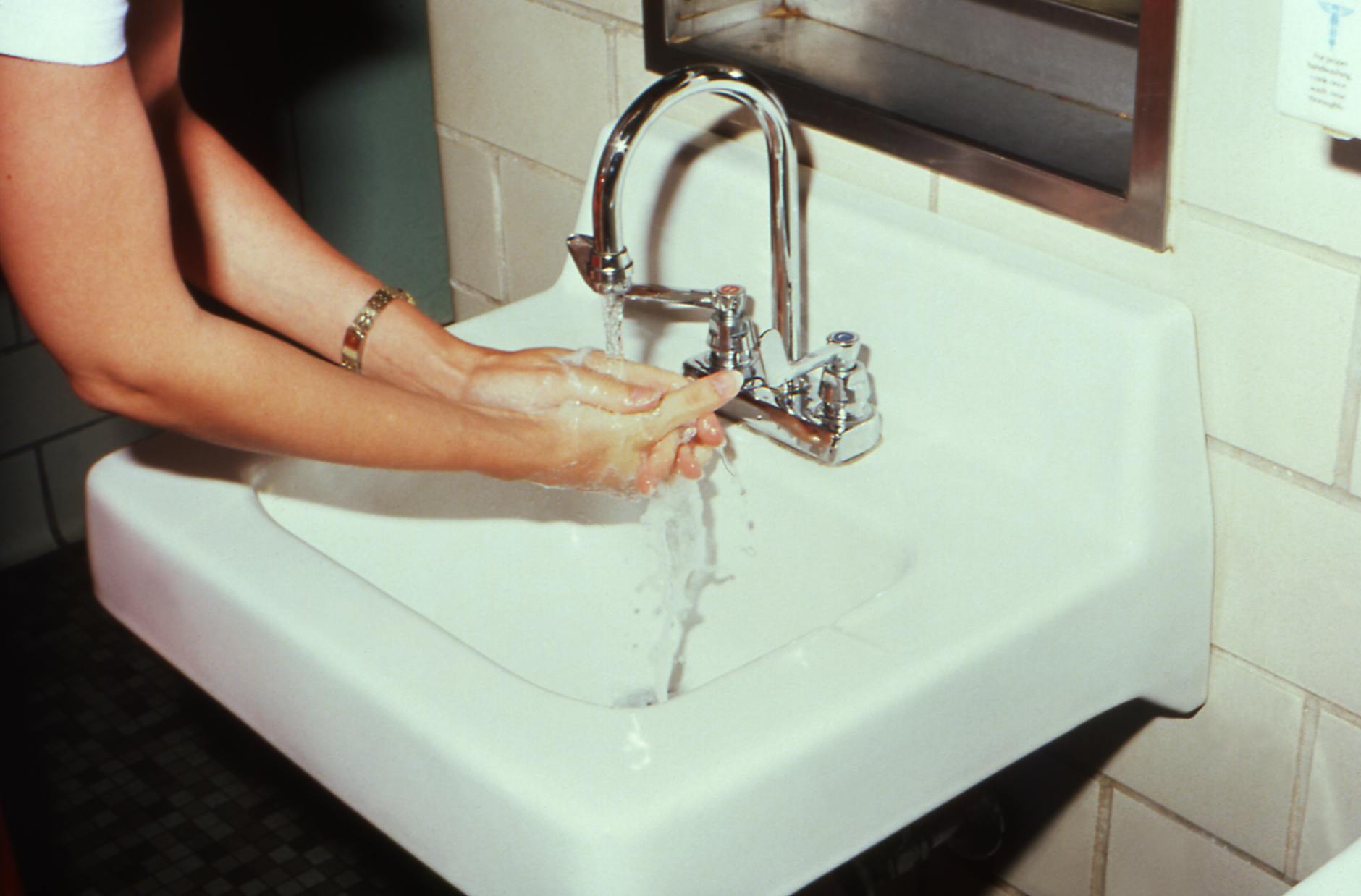
Running tap water through the bristles for 15–30 seconds after brushing removes a significant portion of residual toothpaste, saliva, food particles, and loosened bacteria. Tap water rinsing alone will not sterilize a toothbrush, but it removes the organic material that serves as a substrate for bacterial growth. Rinsing under warm running water is more effective than a quick splash.
2. Store Upright and Allow Full Air Drying
Storing your toothbrush upright in a holder — bristles facing up — allows gravity to assist water drainage away from the bristle bed. Air circulation accelerates drying, and faster drying means fewer hours of bacterial growth. Do not use a closed travel cap for everyday storage; these caps trap moisture and have been shown in studies to increase bacterial counts compared to open-air storage.
3. Keep It Away from the Toilet
Store your toothbrush as far from the toilet as physically possible, and make a habit of closing the toilet lid before flushing. Studies confirm that flushing with the lid closed reduces the aerosolization of fecal particles by approximately 50%. If your bathroom is very small, storing the toothbrush in a medicine cabinet or drawer between uses provides meaningful protection from toilet plume.
4. Never Share a Toothbrush
This one is unambiguous in the literature. The American Dental Association explicitly advises against sharing toothbrushes under any circumstances, noting the risk of transferring saliva, blood, and the microorganisms they contain. This applies equally to romantic partners, parents and children, and between siblings.
5. Separate Storage for Multiple Toothbrushes
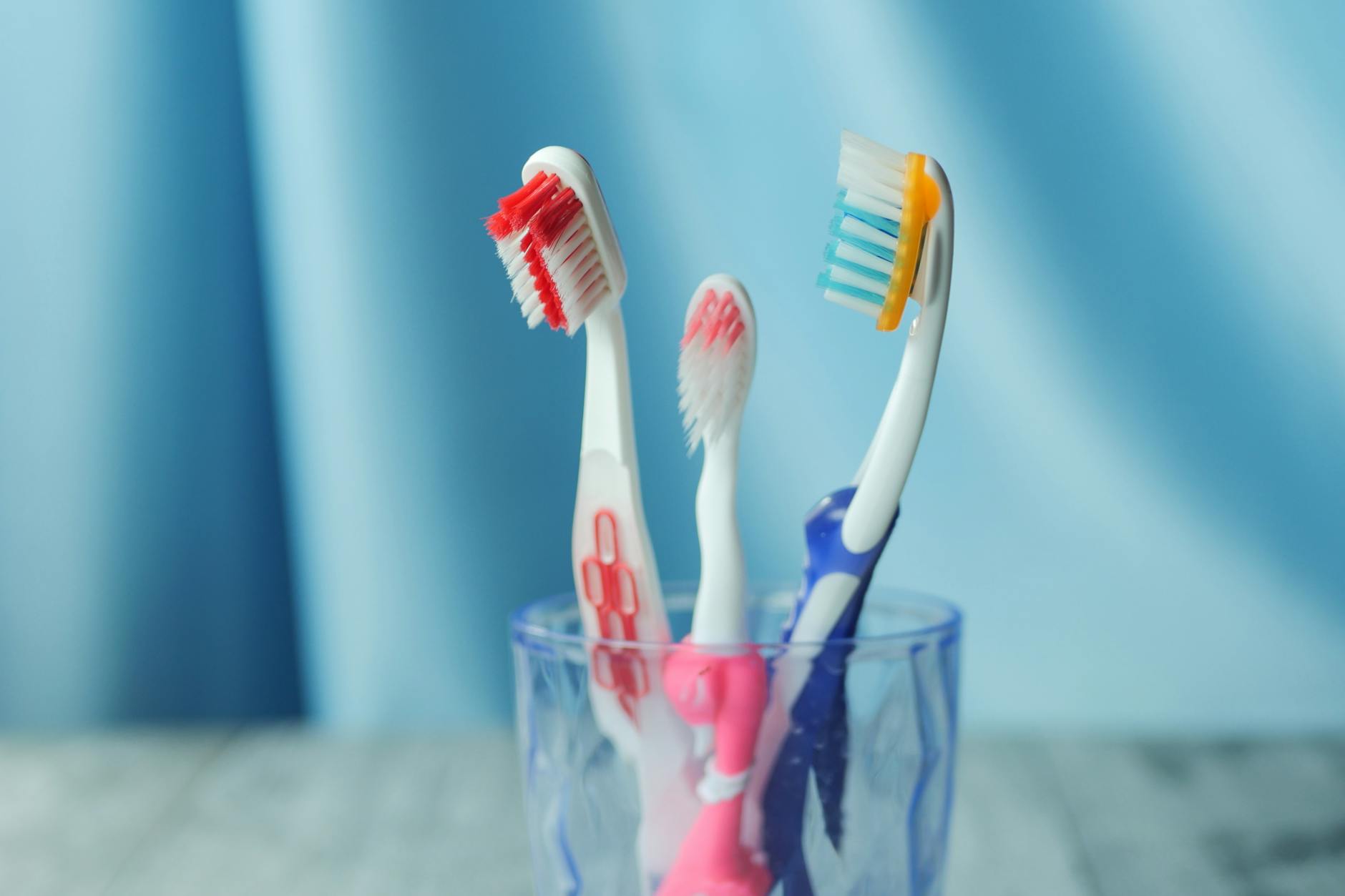
If multiple people in your household keep toothbrushes in the same bathroom, store them in individual holders spaced apart so the bristle heads do not touch. This eliminates the direct contact pathway for microbial transfer. Individual-slot holders or wall-mounted individual cups are more hygienic than a shared open cup.
6. Replace Every 3–4 Months
The Centers for Disease Control and Prevention (CDC) and the American Dental Association both recommend replacing your toothbrush every three to four months, or sooner if the bristles are visibly splayed or frayed. Worn bristles are less effective at plaque removal and provide a larger, more irregular surface area for microbial colonization. If you have been ill, replace your toothbrush immediately after recovering.
7. Consider UV-C Sanitizing Devices
Several categories of UV-C light sanitizing devices are marketed specifically for toothbrush disinfection. Laboratory studies have shown that UV-C light at 254 nanometers can reduce bacterial counts on toothbrush bristles by 86–100% depending on exposure duration and device design (Saravia et al., 2008, Journal of Dental Hygiene). These devices do not replace proper rinsing and air-drying but can serve as an additional layer of protection, particularly for immunocompromised individuals or households with young children.
What Doesn't Work: Debunking Common Myths
Plenty of popular advice circulates online about how to "deep clean" a toothbrush. Some of these methods are harmless but ineffective; others can actually damage bristles and worsen contamination over time.
Boiling Your Toothbrush
While boiling water does kill most bacteria and viruses, toothbrush bristles are made from nylon, which begins to soften and deform at temperatures above approximately 80°C (176°F). Boiling causes the bristles to splay and lose their cleaning effectiveness, while also compromising the structural integrity of the brush head. The result is a damaged tool that is marginally cleaner — and far less functional.
Running It Through the Dishwasher
Dishwasher cycles reach high temperatures and use detergents that can damage bristle filaments and melt brush handles. The American Dental Association does not recommend dishwasher cleaning for toothbrushes, noting that the heat and agitation cause more harm than benefit. Studies have not confirmed meaningful disinfection benefits over simple rinsing from dishwasher cycles.
Soaking in Mouthwash
Soaking a toothbrush in antiseptic mouthwash (such as chlorhexidine or alcohol-based rinses) for short periods has shown mixed results in laboratory studies. A 2011 Cochrane-informed review noted that while some reduction in colony counts was observed, the practical benefit over thorough rinsing and air-drying was not clinically significant for healthy adults. Long-term soaking also has the same moisture-retention problem as closed caps — it keeps bristles continuously wet, which may encourage re-growth once removed from the solution.
Microwaving
This one poses a real safety risk. Metal components in some toothbrushes can spark in a microwave. Even for fully plastic brushes, uneven heating can cause warping. This method is both unpredictable and potentially dangerous, and no scientific evidence supports it as an effective decontamination strategy.
Frequently Asked Questions
Key Takeaways
The science of bacteria on toothbrush bristles is clear: contamination is universal, predictable, and manageable. Here is a concise summary of what the evidence shows and what you should do about it.
- Studies consistently find 10 million or more bacteria on used toothbrushes, including fecal coliforms, streptococcus, staphylococcus, and viral pathogens like HSV-1.
- The three main contamination pathways are toilet plume aerosol, moisture retention in bristles, and cross-contamination from shared storage.
- For healthy adults, the direct health risk is low — but the risks increase after illness, for immunocompromised individuals, and when toothbrushes are shared.
- The most effective evidence-based interventions are: thorough rinsing after use, upright open-air storage, keeping the toothbrush away from the toilet, and replacing it every 3–4 months.
- Closing the toilet lid before flushing is a simple, high-impact habit that meaningfully reduces airborne fecal contamination in the bathroom.
- Methods like boiling, dishwashing, and mouthwash soaking are not supported by strong evidence and can damage your toothbrush or simply be ineffective.
Good oral hygiene is one of the most well-established pillars of overall health, linked to reduced risk of cardiovascular disease, diabetes complications, and respiratory infections. Keeping the tool you use to maintain that hygiene as clean as possible is a small but meaningful investment in your long-term wellbeing. The steps outlined above require no special equipment, no significant cost, and almost no extra time — just a few adjusted habits that the science consistently supports.