How Long Does Teeth Whitening Last? What Actually Affects Your Results

If you've invested time and money in whitening your teeth, the first question that comes to mind afterward is almost always the same: how long does teeth whitening last? The honest answer is "it depends" — but that vague reply deserves a much more useful explanation. Results can range from as little as a few weeks to well over a year, and the difference almost entirely comes down to a handful of controllable factors. This guide breaks down the science, the timelines, and the exact habits that separate people who keep a bright smile for 12 months from those who are back to baseline in six weeks.
How Teeth Whitening Actually Works at the Enamel Level
Before diving into longevity, it helps to understand what whitening actually does — because the mechanism explains why results fade in the first place.
Your enamel is a crystalline, semi-porous surface. Over years of eating, drinking, and aging, pigmented molecules called chromogens work their way into the microscopic pores and tubules of the enamel. Coffee, red wine, and tea are particularly efficient at this because they also contain tannins, which act like a binding agent that helps chromogens grip the enamel surface.
Whitening agents — typically hydrogen peroxide or carbamide peroxide — work through an oxidation reaction. The peroxide molecule breaks apart into free radicals that penetrate the enamel and break the chemical bonds holding those pigmented molecules together. The stain molecules don't disappear; they're chemically altered into smaller, colorless compounds that scatter light differently. The result is whiter-looking teeth.
Here's the catch: whitening does not seal the enamel. The pores that allowed stains in before are still open — and in the 24 to 72 hours immediately after treatment, the enamel is actually slightly more permeable than usual because the whitening process temporarily opens those tubules further. This window is the highest-risk period for re-staining, and it's why everything you do in the first 72 hours after whitening has an outsized impact on how long your results last.
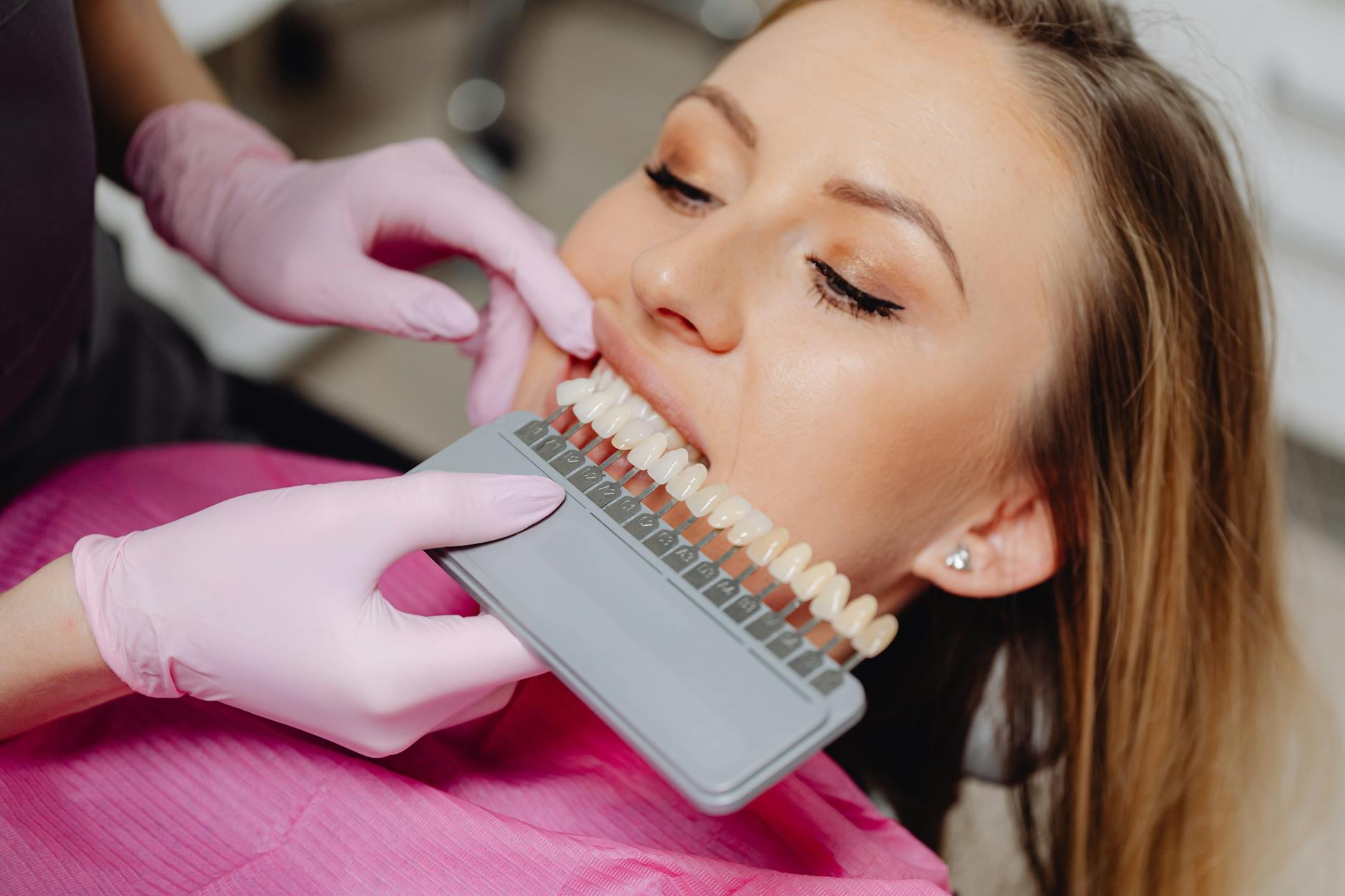
Average Longevity by Whitening Method
Not all whitening methods deliver the same depth of treatment, and that directly affects teeth whitening results longevity. Here is a clear breakdown of what each method typically delivers under average lifestyle conditions:
| Whitening Method | Peroxide Strength | Avg. Results Duration | Notes |
|---|---|---|---|
| In-office (professional) | 25–40% hydrogen peroxide | 12–24 months | Longest lasting; light activation optional |
| Custom take-home trays (dentist) | 10–22% carbamide peroxide | 6–12 months | Very effective; trays reusable for touch-ups |
| Over-the-counter whitening strips | 6–14% hydrogen peroxide | 3–6 months | Widely accessible; results depend on consistency |
| LED whitening kits (at-home) | 3–10% hydrogen peroxide | 2–4 months | LED accelerates peroxide; lower concentration |
| Whitening toothpaste / charcoal | Abrasive only (no peroxide) | Surface stain removal only | Does not oxidize intrinsic stains; maintenance only |
These figures assume an average lifestyle. Heavy coffee drinkers or smokers will land toward the lower end of each range. Diligent maintainers can push to the upper end or beyond.
The 5 Biggest Factors That Shorten Whitening Results
Understanding teeth whitening results longevity means understanding the enemies of a white smile. These five factors account for the vast majority of premature fading.
1. Dietary Staining Agents
Coffee, black tea, red wine, dark sodas, soy sauce, balsamic vinegar, and deeply pigmented berries (blueberries, blackberries, pomegranate) all contain chromogens and often tannins. Frequency matters more than volume — someone who sips coffee slowly over two hours exposes their teeth to staining agents far longer than someone who drinks a cup quickly.
2. Smoking and Tobacco Use
Tobacco smoke contains tar and nicotine. Tar is inherently dark and sticks aggressively to enamel. Nicotine is colorless but turns yellow when oxidized. Smokers who whiten their teeth without quitting typically see results fade 60–70% faster than non-smokers. This is non-negotiable: whitening and active smoking is a losing battle.
3. Oral Hygiene Habits
Plaque is slightly porous and acidic, which accelerates stain absorption. People who skip brushing at night allow chromogens from the day's food and drink to sit on the enamel surface for 7–8 hours — the optimal window for deep staining. Regular flossing also matters: interdental plaque builds up quickly and makes teeth look dull even when the front surfaces are clean.
4. Natural Enamel Thickness and Genetics
Some people have naturally thinner enamel that allows the yellowish dentin beneath to show through more prominently. Whitening works on enamel stains, not on dentin color. People with thinner enamel may achieve less dramatic results and see them fade faster as the structural color of dentin reasserts itself. This is a fixed biological factor — not something lifestyle changes can fully overcome.
5. Acidic Foods and Beverages
Citrus juices, sparkling water, sports drinks, and vinegar-based foods temporarily soften and slightly demineralize enamel. When enamel is softened, it is even more porous than usual and absorbs stains more readily. Consuming acidic foods followed immediately by staining foods is one of the fastest ways to accelerate fading.
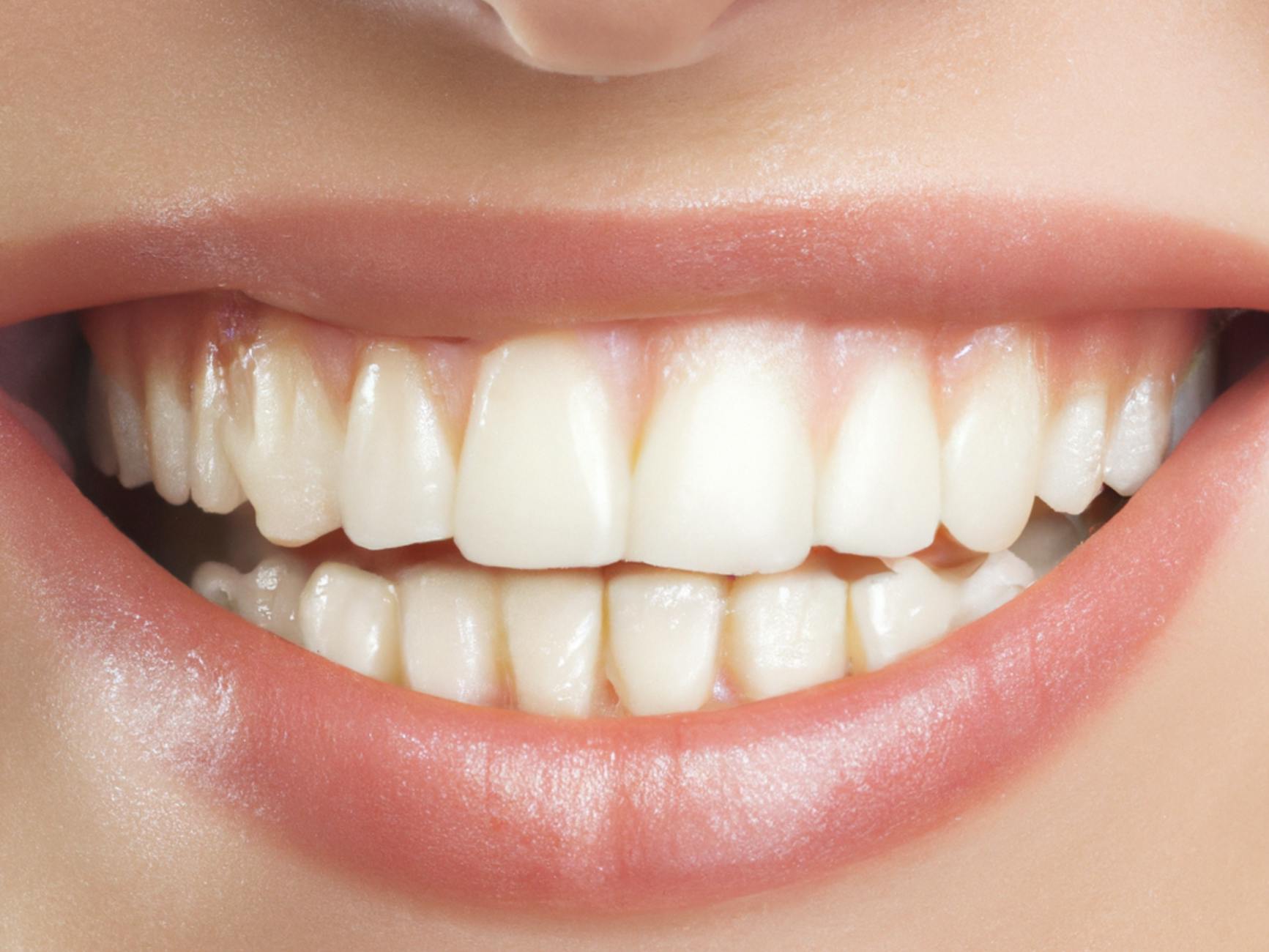
Foods and Drinks to Avoid After Whitening — and for How Long
The phrase "white diet" refers to a post-whitening eating protocol designed to protect your newly treated enamel during its most vulnerable period. Here's a practical breakdown of what to avoid and why:
The Critical 72-Hour Window
During the first three days, the enamel pores opened by the whitening process are at their widest. The general rule is to avoid anything that would stain a white cotton shirt. That means:
- Coffee and black tea — even with milk
- Red wine — contains both tannins and chromogens
- Dark berries — blueberries, blackberries, cherries
- Tomato-based sauces — pasta sauce, pizza, ketchup
- Soy sauce and balsamic vinegar
- Dark sodas and energy drinks
- Turmeric and curry — highly pigmented spices that stain immediately
- Beets
What you can eat freely: white fish, chicken, rice, pasta with cream sauce, cauliflower, bananas, white bread, plain yogurt, water, milk, and clear herbal teas.
Days 4 Through 14: Gradual Reintroduction
After the initial 72 hours, enamel permeability returns to baseline. You can begin reintroducing foods, but there's a smart way to do it: always rinse with water within 30 minutes of consuming a staining food or drink. If you drink coffee, do so in one sitting rather than sipping over two hours, and consider using a straw to reduce direct contact with your front teeth.
The Long-Term Reality: Foods That Reverse Teeth Whitening
The foods that reverse teeth whitening over the long term aren't dramatically different from the acute post-whitening list — they're just cumulative. Regular daily coffee is the single biggest contributor to whitening reversal in most adults. A person who drinks three cups a day without rinsing between cups can expect their whitening results to fade 30–50% faster than a non-coffee drinker, all else being equal. Red wine consumed several times per week has a similar compounding effect.
The Maintenance Protocol: How to Keep Teeth White Between Treatments
The best approach to teeth whitening maintenance is consistent, low-effort daily habits that prevent stain accumulation rather than periodic attempts to reverse heavy staining. Here is the protocol that teeth whitening professionals and dentists consistently recommend:
The Daily Whitening Maintenance Protocol
- Brush twice daily with a fluoride toothpaste — ideally with a sonic or electric toothbrush for superior plaque removal.
- Rinse with water immediately after consuming staining foods or drinks — this simple step flushes chromogens before they can penetrate.
- Use a straw for cold staining beverages — coffee is usually hot, but iced coffee and iced tea can be consumed through a straw to minimize enamel contact.
- Floss daily — interdental plaque dramatically dulls the appearance of otherwise white teeth.
- Use a whitening mouthwash 2–3 times per week — these typically contain low-dose hydrogen peroxide (1.5%) and help maintain surface brightness without over-treating.
- Wait 30 minutes after acidic foods to brush — brushing softened enamel causes micro-abrasion; rinsing first is safer.
- Schedule professional cleanings every 6 months — hygienists remove calcified tartar and surface staining that home brushing cannot address.
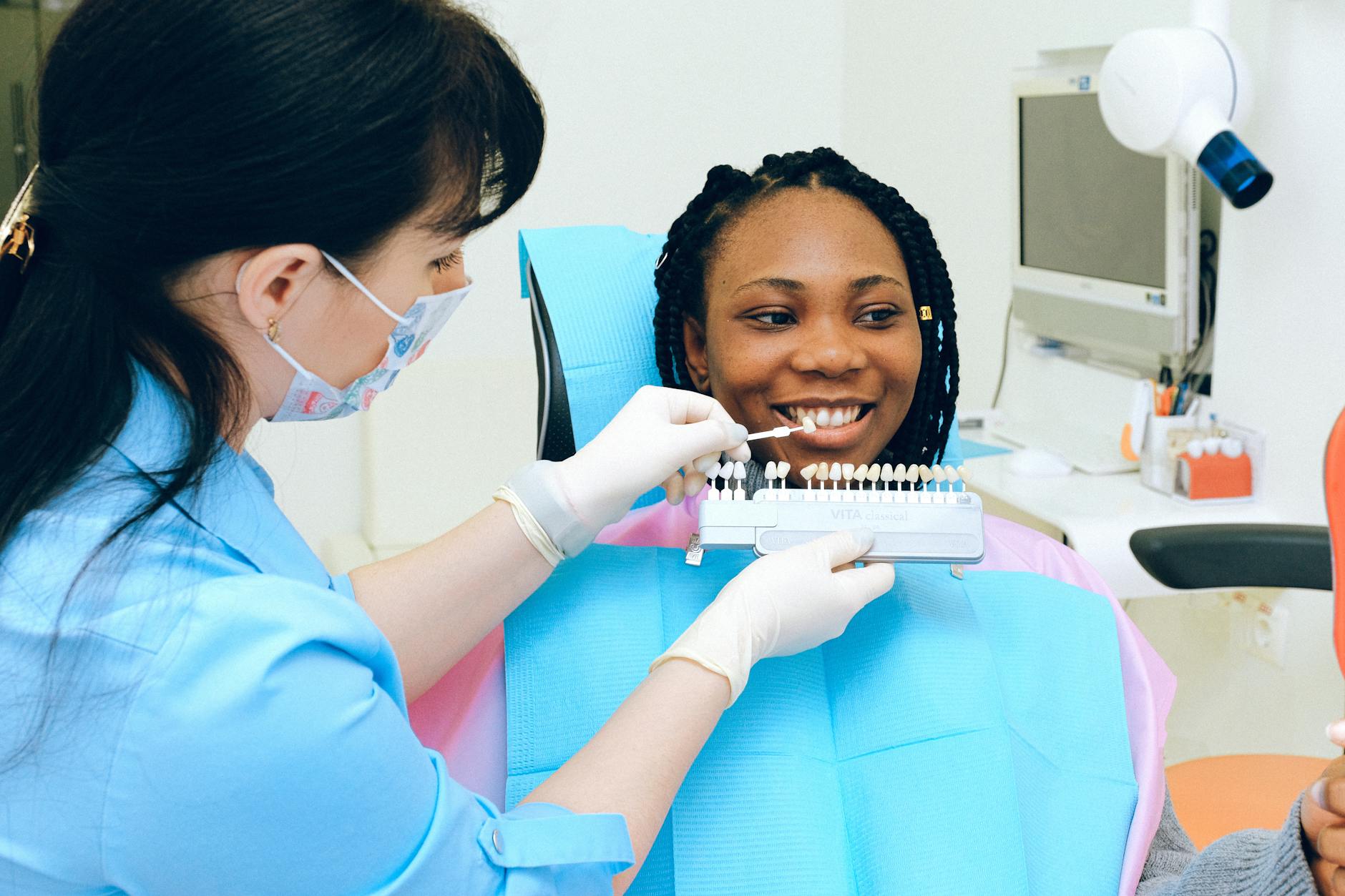
When to Do a Touch-Up Treatment
Even with diligent maintenance, some degree of re-staining is inevitable over time. Knowing how to make teeth whitening last longer includes knowing when — and how — to use touch-up treatments strategically.
At-Home Touch-Up Timing by Method
The smartest approach to an at-home whitening touch-up is to treat it as maintenance rather than re-treatment. A brief, lower-intensity touch-up performed proactively is much more effective than waiting until teeth are heavily re-stained and then trying to undo months of accumulation.
- In-office treatment patients: Use at-home trays for one to two nights every 3–4 months. This is typically all that's needed to maintain results from a professional session.
- Whitening strip users: Run a two-to-three day strip session every 4–6 weeks rather than waiting months for a full re-treatment course. Short, frequent maintenance is better than infrequent intensive re-treatment.
- LED kit users: A single session every 2–3 weeks is often enough to stay ahead of stain accumulation, especially for coffee drinkers.
Is Over-Treating Harmful?
Yes. Over-whitening — using high-concentration peroxide treatments too frequently — can cause temporary or persistent enamel sensitivity, gum irritation, and in extreme cases can compromise enamel integrity. The general guideline from dental professionals is to allow at least 4–6 weeks between full whitening treatment courses. Touch-up maintenance with lower-concentration products can be done more frequently without the same risk.
Signs Your Whitening Is Fading and What to Do
Whitening doesn't fade all at once — it's a gradual process, which is why many people don't notice it until the difference from their brightest result is dramatic. Here are the early warning signs that your results are fading, along with actionable responses.
How to Make Teeth Whitening Last Longer: A Summary of the Key Principles
Extending teeth whitening results longevity isn't about any single trick — it's about stacking multiple small habits that collectively create a much more durable result. Here is the condensed version of everything covered in this guide:
- Observe the 72-hour white diet strictly — this window is the most critical for long-term results.
- Rinse with water within 30 minutes of any staining food or beverage, every time.
- Use a straw where possible for cold staining drinks.
- Brush twice daily with a fluoride toothpaste and floss every night.
- Use a low-dose whitening mouthwash 2–3 times per week as a maintenance tool.
- Don't wait until your teeth look obviously yellow — schedule brief touch-up sessions proactively every 4–8 weeks.
- See your dentist for a professional cleaning every 6 months; tartar buildup accelerates the appearance of staining.
- If you smoke, understand that no whitening protocol can fully counteract the pace of tobacco re-staining.
The people who report that their whitening "lasted forever" are almost always the people doing these small, consistent things — not some advanced treatment. How long teeth whitening lasts is almost entirely within your control.
Key Takeaways
- In-office whitening lasts the longest — typically 12 to 24 months under average lifestyle conditions.
- At-home strips and trays last 3–12 months depending on the peroxide concentration and how consistently you follow post-whitening care.
- The 72 hours immediately after whitening are the highest-risk period for re-staining. Follow the white diet strictly during this window.
- Coffee, red wine, black tea, and tobacco are the four biggest drivers of premature fading — their impact is cumulative and compounding.
- Proactive maintenance touch-ups every 4–8 weeks are far more effective than waiting for visible fading and attempting a full re-treatment.
- Over-treating with peroxide too frequently can cause sensitivity and enamel damage — follow recommended intervals.
- Good baseline oral hygiene — brushing, flossing, and professional cleanings — is the foundation of long-lasting whitening results.