Home Emergency Preparedness Checklist for Families (2026)
Most families spend more time planning a summer vacation than they do preparing for an emergency at home. Yet every year, fires, floods, severe storms, and power outages affect millions of households — and the difference between a manageable situation and a devastating one often comes down to whether a family had a home emergency preparedness checklist in place before disaster struck.
This guide gives you a practical, room-by-room and category-by-category checklist you can print and work through this weekend. It covers everything from fire extinguisher placement to water storage to medical devices — written for real families, not emergency management professionals.
Why Most Families Are Under-Prepared (And How to Fix It)
According to FEMA, only about 39% of Americans have a household emergency plan. That means the majority of homes have no agreed evacuation route, no stored water supply, and no document copies in a safe location. The good news is that building a solid foundation of disaster preparedness for families does not require a bunker or a massive budget — it requires a clear list and a few focused hours of effort.
The checklist below is broken into eight categories. Work through each one at your own pace. Even completing two or three sections puts you significantly ahead of most households.

1. Fire Safety — The Non-Negotiable Starting Point
House fires are the most common home emergency in the United States, with nearly 360,000 residential fires reported annually. Fire safety is the first section of any credible home safety preparedness guide for good reason.
Fire Safety Checklist
- Smoke alarm on every level of the home and inside every bedroom
- Carbon monoxide detector near sleeping areas and fuel-burning appliances
- Test all smoke and CO alarms monthly; replace batteries annually
- Replace smoke alarms older than 10 years
- At least one fire extinguisher in the kitchen (ABC-rated, 2.5 lb minimum)
- Fire extinguisher accessible in garage and near fireplace if applicable
- All household members know how to use a fire extinguisher (PASS: Pull, Aim, Squeeze, Sweep)
- Two exit routes identified and practiced from every room
- A designated outdoor meeting point at least 100 feet from the house
- Dryer lint trap cleaned after every use; dryer vent inspected annually
- Electrical cords not run under rugs or through doorways
- Space heaters kept 3 feet from all combustibles; turned off when leaving the room
Placement tip: Mount fire extinguishers on the wall near exit doors — not under the sink. In a fire, you want to grab the extinguisher on your way out, not reach past flames to retrieve it.
2. First Aid Kit Essentials
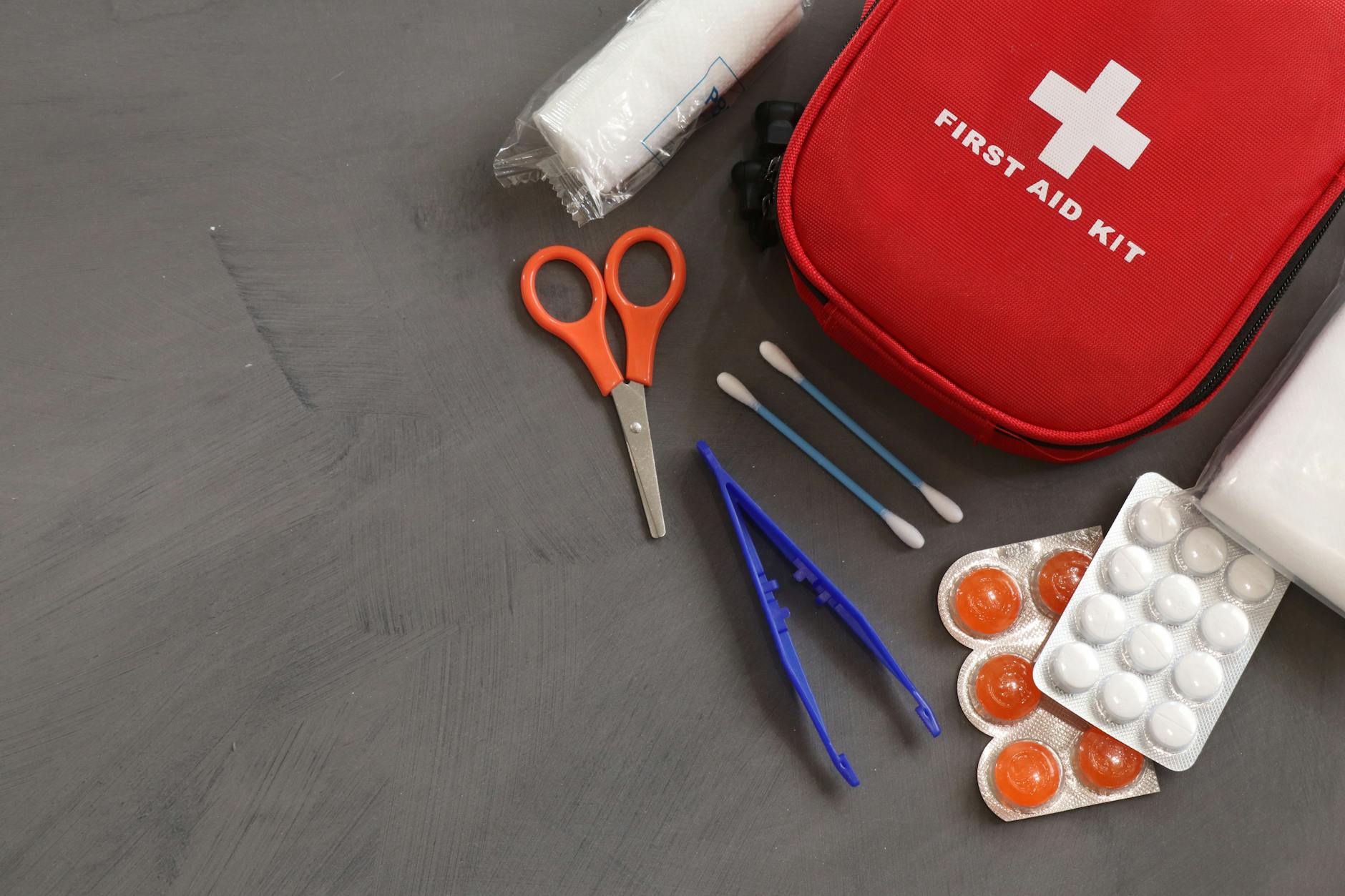
A well-stocked first aid kit is the cornerstone of any family emergency kit essentials list. Pre-assembled kits from the Red Cross or similar organizations are a good starting point, but most need to be supplemented for a family's specific needs.
First Aid Kit Checklist
- Assorted adhesive bandages (multiple sizes)
- Sterile gauze pads and rolls (2-inch and 4-inch)
- Medical adhesive tape
- Elastic bandage (ACE wrap) for sprains
- Antiseptic wipes and antiseptic cream (e.g., triple antibiotic)
- Hydrocortisone cream (1%) for insect bites and rashes
- Tweezers and blunt-tip scissors
- Disposable non-latex gloves (at least 4 pairs)
- CPR face shield or pocket mask
- Digital thermometer
- Instant cold packs (2–3)
- Pain reliever: ibuprofen and acetaminophen
- Antihistamine (diphenhydramine) for allergic reactions
- Any prescription medications (30-day emergency supply if possible)
- First aid manual or printed instruction card
- Emergency contact numbers printed inside the kit lid
Store the first aid kit in a clearly labeled, waterproof container in an easily accessible location — not locked in a cabinet. Review contents every 6 months and replace expired items.
3. Food and Water Storage
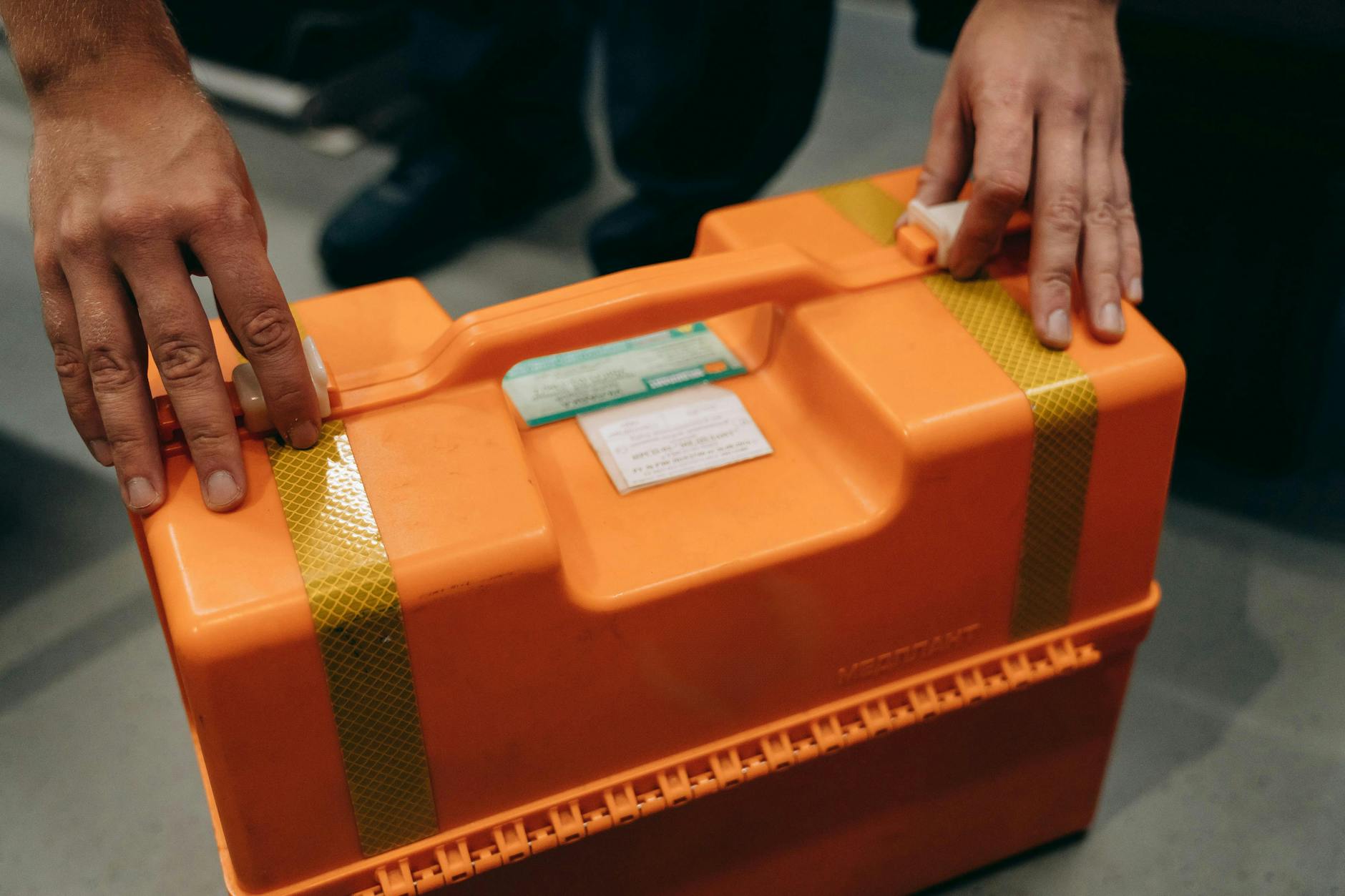
FEMA recommends storing at least three days of food and water per person for shelter-in-place situations, though a two-week supply is the standard recommendation for more serious disruptions. This is one of the most overlooked areas of emergency supplies for home planning.
Food & Water Storage Checklist
- Water: 1 gallon per person per day (include pets); store in food-grade containers away from sunlight
- Commercially bottled water rotated every 12 months
- Water purification tablets or portable filter as backup
- Non-perishable, high-calorie foods: canned goods, dried beans, rice, oats, nuts, nut butter
- Manual can opener stored with food supplies
- Ready-to-eat canned meals (no cooking required)
- Comfort foods and snacks (especially important for children)
- Infant formula and baby food if applicable
- Pet food supply (3–14 days)
- Portable camp stove with extra fuel (for outdoor use only)
- Paper plates, cups, and utensils (to conserve water)
- Inventory list with expiration dates; review every 6 months
Pro tip: Rotate your emergency food supply into your regular pantry as items approach expiration and replace with fresh stock. This prevents waste and ensures your supply is always current.
4. Communication and Evacuation Plan
In an emergency, communication infrastructure often fails first. Cell towers become overloaded, internet goes out, and family members may be at school or work when disaster strikes. Having a pre-agreed communication plan is an essential part of disaster preparedness for families that costs nothing to create.
Communication Plan Checklist
- Written list of emergency contacts (police, fire, poison control: 1-800-222-1222, family doctor)
- Out-of-state contact person all family members know to call (local lines often jam; long-distance calls may route more easily)
- Every family member has memorized at least two phone numbers
- Printed contact list stored in every family member's backpack or wallet
- Agreed meeting point near home AND one further away (e.g., school, relative's house)
- Every family member knows two evacuation routes from the neighborhood
- NOAA weather radio or battery-powered AM/FM radio for alerts
- Signed up for local emergency alert system (most counties offer text or email alerts)
- Family members know the school/workplace emergency pickup protocol
- Plan reviewed and practiced with children at least once a year
Practice the plan — especially with young children. Run a fire drill at home. Walk the evacuation routes. Children who have practiced a plan are significantly more calm and responsive during real emergencies.
5. Power, Light, and Shelter Supplies
Extended power outages — increasingly common due to severe weather — expose a gap that many families do not discover until it is too late. These emergency supplies for home can make a multi-day outage genuinely manageable.
Power, Light & Shelter Checklist
- Flashlights — one per person, tested and with fresh batteries
- Headlamps (hands-free lighting for extended power outages)
- Extra batteries in appropriate sizes (AA, AAA, D)
- Battery-powered or hand-crank lantern for common areas
- Portable power bank (charged) for mobile device charging
- Candles and waterproof matches (use with caution; never leave unattended)
- Emergency mylar/thermal blankets (one per person)
- Warm sleeping bags or heavy blankets in an accessible location
- Generator (if owned): stored safely, tested annually, fuel rotated with stabilizer
- Never run a generator indoors or in a garage — CO poisoning risk
- Backup charger or solar charger for essential medical devices
6. Medical Devices and Special Health Needs
Standard first aid kits address cuts and sprains. But many households include members with chronic conditions, mobility limitations, or life-threatening medical vulnerabilities that require additional planning. This is arguably the most personalized section of any home emergency preparedness checklist.
Medical Devices & Special Needs Checklist
- Prescription medications: 30-day emergency supply; note refill schedule
- Copies of all prescriptions and dosing instructions stored with documents
- Epinephrine auto-injectors (EpiPens) if anyone has severe allergies — check expiration dates every 6 months
- Blood glucose meter, lancets, and extra test strips (for diabetic family members)
- Insulin stored correctly; know how long it remains effective without refrigeration
- CPAP machine: have a battery backup or travel CPAP if power-dependent
- Hearing aids: extra batteries and a waterproof case
- Mobility aids (walkers, canes, wheelchairs): evacuation plan accounts for these
- Contact lenses: spare pair of glasses and extra solution
- Airway clearance device: households with young children, elderly members, or anyone at elevated choking risk should consider keeping an anti-choking suction device on hand. These compact, non-powered devices can be used by an untrained bystander to remove airway obstructions and are increasingly recommended by safety organizations as a complement to learning the Heimlich maneuver. See our full review of LifeVac for a detailed look at how one of the leading options works.
- Written medical summary card for each family member (diagnoses, medications, allergies, doctor contact)
7. Essential Documents and Financial Preparedness
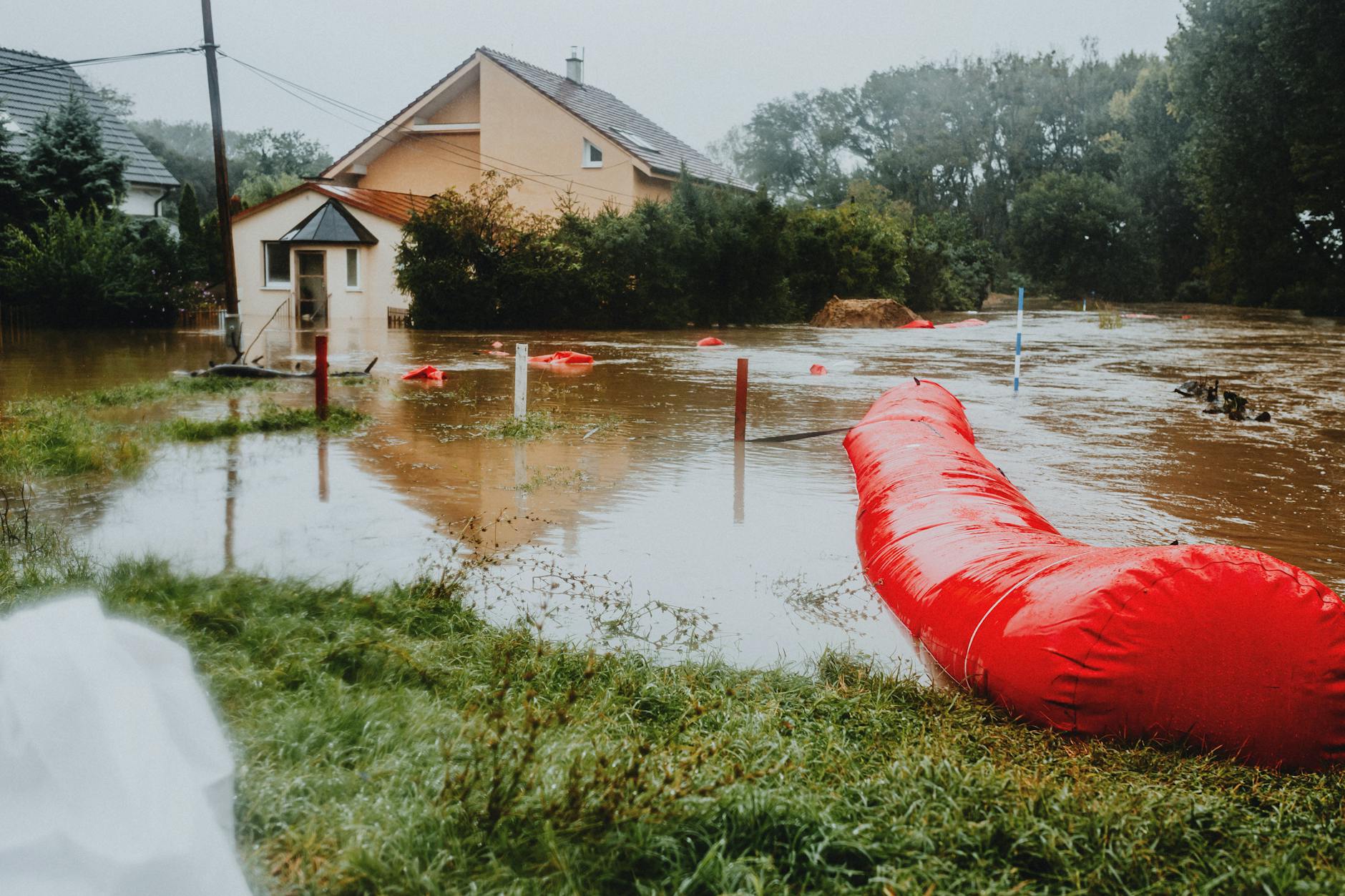
A house fire or flood can destroy irreplaceable documents in minutes. Protecting your family's critical paperwork — or having accessible copies — is a step most people delay until it is too late.
Documents & Financial Preparedness Checklist
- Copies of all passports, birth certificates, Social Security cards
- Marriage certificate, adoption papers, and custody documents if applicable
- Property deed or lease agreement
- Home, auto, health, and life insurance policies — agent contact info highlighted
- Recent bank statements and account numbers
- Will, power of attorney, and healthcare proxy documents
- Vaccination records for all family members and pets
- Vehicle titles and registration documents
- All stored in a fireproof, waterproof document safe or safety deposit box
- Digital backups: encrypted copies stored on a USB drive kept off-site, or in secure cloud storage
- Cash reserve: $200–$500 in small bills (ATMs and card terminals may be down)
- Spare house and car keys in a trusted location outside the home
8. Go-Bag: Your 72-Hour Evacuation Kit
A go-bag — sometimes called a "bug-out bag" — is a pre-packed kit ready to grab in under two minutes if you need to evacuate immediately. Every family should have at least one; ideally one per adult. This is the portable version of everything in your home emergency preparedness checklist.
72-Hour Go-Bag Checklist
- Water: 1 liter per person (supplement with purification tablets)
- Three days of non-perishable, easy-to-eat food (energy bars, dried fruit, nuts)
- Small first aid kit (travel-sized)
- 3-day supply of all prescription medications
- Copies of important documents in a waterproof bag
- Phone charger and backup power bank (fully charged)
- Flashlight and extra batteries
- Emergency mylar blanket
- Change of clothes and sturdy walking shoes
- Rain poncho
- Whistle (to signal for help)
- Multi-tool or Swiss army knife
- Cash ($100 minimum in small bills)
- Local maps printed on paper (GPS may not work)
- Personal hygiene basics: toothbrush, soap, hand sanitizer, feminine hygiene products
- N95 masks (at least 2 per person)
- Comfort items for children: a small toy or familiar snack
- Pet essentials: leash, food, vaccination records, carrier
Store your go-bag near your main exit — a coat closet or garage shelf is ideal. Check and refresh contents every six months (spring and fall, aligned with daylight saving time changes, is an easy reminder).
Seasonal Preparedness: Adjusting Your Checklist by Time of Year
Emergency risks shift with the seasons, and a truly complete disaster preparedness guide for families accounts for this. Here is what to add or review each quarter:
Spring / Storm Season
- Test sump pump
- Clear gutters and downspouts
- Review tornado shelter location
- Refresh go-bag supplies
- Sign up for local weather alerts
Summer / Heat & Fire Season
- Trim brush and trees near home
- Review wildfire evacuation route
- Stock extra water for heat emergencies
- Check fire extinguisher pressure
- Store sunscreen and electrolyte supplies
Fall / Pre-Winter Prep
- Test heating system before cold weather
- Have chimney professionally swept
- Replace smoke and CO alarm batteries
- Add warm layers to go-bag
- Stock extra prescription medications before holidays
Winter / Cold & Storm Season
- Keep car gas tank at least half full
- Know how to shut off water main (burst pipes)
- Emergency blankets and hand warmers in every vehicle
- Ice melt and sand for walkways
- Review generator safety rules with family
How to Actually Get This Done (A Realistic Plan)
Looking at a complete what to have in a home emergency kit list can feel overwhelming. The key is to avoid treating it as a single project and instead break it into manageable sessions:
- Weekend 1: Test all smoke and CO alarms. Buy or confirm fire extinguisher placement. Write down your family communication plan and practice it once.
- Weekend 2: Inventory your first aid kit. Replace expired items. Add a CPR face shield and an extra set of nitrile gloves if you do not have them.
- Weekend 3: Audit your food and water supply. Purchase a 3-day minimum. Set a calendar reminder to rotate stock every 6 months.
- Weekend 4: Gather essential documents. Make copies. Store originals in a fireproof safe and send digital copies to a secure off-site location.
- Month 2: Assemble or purchase a go-bag. Customize it for your family's specific medical and dietary needs.
After that initial build-out, maintenance is simple: a 30-minute review every six months keeps everything current. Link it to daylight saving time changes so you never forget.
FAQ: Home Emergency Preparedness for Families
Key Takeaways
No family is fully prepared overnight, and no checklist covers every possible scenario. But completing the eight categories in this home emergency preparedness checklist puts your household in a dramatically better position than the majority of families around you.
Here is what matters most:
- Fire safety is the foundation. Working smoke alarms and a kitchen fire extinguisher save lives — nothing else on this list matters if these two things are missing.
- Water before food. You can survive longer without food than without clean water. Prioritize water storage first in your supply build-out.
- A plan your family has practiced is worth 10 times more than a plan written on paper but never discussed.
- Medical preparedness is personal. Tailor the medical devices section to your specific household — generic kits rarely account for chronic conditions, allergies, or mobility needs.
- Maintenance matters. A first aid kit with expired medications, a dead flashlight battery, or a smoke alarm with no battery is worse than useless — it gives a false sense of security. Build a 6-month review cycle into your calendar.
Emergency preparedness is not about fear — it is about confidence. Families who have worked through a checklist like this one consistently report feeling more calm and capable, not more anxious. Take it one weekend at a time.