Heat Therapy for Nerve Pain: Does It Actually Work and How to Use It Safely

If you live with peripheral neuropathy or chronic nerve pain, you have probably reached for a heating pad at some point and wondered: is heat therapy for nerve pain actually helping, or am I just masking the problem? The short answer is that heat therapy can provide meaningful relief for certain types of nerve pain — but the mechanism is more nuanced than simply "warmth feels good," and the safety rules are stricter than most people realize.
This guide breaks down the physiology of what heat does to nerves and surrounding tissue, what the clinical research actually shows, when cold therapy is the smarter choice, and — critically — the safety guidelines that anyone with neuropathy must follow before applying heat to affected areas.
How Heat Therapy Affects Peripheral Nerves: The Physiology
To understand why heat therapy for nerve pain works (and sometimes doesn't), it helps to know what is happening at a tissue level when you apply warmth.
Vasodilation and Improved Blood Flow
Heat causes blood vessels near the skin surface to dilate — a process called vasodilation. For people with peripheral neuropathy, particularly those whose nerve damage has impaired circulation in the feet and legs, improved local blood flow can be meaningful. Nerves depend on a steady supply of oxygen and glucose carried by the blood. When circulation is compromised, nerves may fire erratically, producing the burning, tingling, or shooting pain that characterises neuropathic conditions.
By widening local blood vessels, moderate heat can transiently improve nutrient delivery to damaged nerve tissue and help clear inflammatory metabolic waste products — both of which may reduce the intensity of pain signals.
The Pain Gate Theory
One of the most well-supported explanations for why heat reduces pain is the Gate Control Theory, first proposed by Melzack and Wall in 1965 and refined substantially since. The theory holds that non-painful sensory signals — including warmth — compete with pain signals at a "gate" in the spinal cord's dorsal horn. When warmth receptors (thermoreceptors) in the skin send signals to the spinal cord, they can partially close that gate to pain transmission, reducing the intensity of pain signals that reach the brain.
This mechanism is why warmth so often feels immediately soothing for nerve pain: it is not just psychological comfort — it is a physiological interruption of the pain pathway itself.
Muscle Relaxation and Reduced Mechanical Pressure on Nerves
Nerve pain is frequently compounded by muscular tension. Tight muscles, fascia, and connective tissue can compress peripheral nerves directly, amplifying pain signals. Heat is a well-established muscle relaxant: it reduces the sensitivity of muscle spindles (the stretch receptors within muscle fibres), decreasing involuntary tension and spasm. When surrounding muscles release, mechanical pressure on nearby nerves often decreases — and so does pain.
This mechanism is particularly relevant for heat therapy peripheral neuropathy affecting the legs and feet, where tight calf muscles and plantar fascia frequently contribute to the overall pain picture.

What Does the Clinical Research Actually Say?
Anecdotal reports of heat relieving nerve pain are abundant, but what does the peer-reviewed evidence show?
A 2011 study published in the European Journal of Pain examined heat application in patients with chronic low back pain involving a neuropathic component and found that continuous low-level heat reduced pain scores significantly more than placebo over a 72-hour period. While this was musculoskeletal in nature, the neuropathic component is relevant.
Research on heat therapy peripheral neuropathy specifically — particularly diabetic peripheral neuropathy — is more cautious in its conclusions. A 2019 review in Diabetes Care noted that thermotherapy (warm water baths and infrared heat) improved subjective pain scores and quality-of-life measures in diabetic neuropathy patients, but stressed that it must be used under carefully controlled conditions given the sensory deficits common in this population.
A separate line of research focuses on warm water immersion therapy. Studies using foot baths at temperatures between 38°C and 40°C (100–104°F) have shown modest but consistent improvements in pain intensity and sleep quality in patients with lower-limb neuropathy. Researchers theorise that the combination of vasodilation, gate-control activation, and muscle relaxation creates a synergistic effect that no single mechanism could achieve alone.
It is worth being honest about the limitations: most heat therapy studies are small, lack long-term follow-up, and use subjective pain scales. Heat therapy for nerve pain should be understood as a symptom management tool, not a treatment that addresses underlying nerve damage.
Is Heat or Cold Better for Nerve Pain?
This is one of the most frequently asked questions about managing neuropathic pain at home, and the honest answer is: it depends on the type and phase of your nerve pain.
When Heat Is the Better Choice
- Chronic nerve pain (pain present for weeks or months without acute injury) tends to respond better to heat. The vasodilatory and gate-control effects are most useful when pain is persistent rather than acute.
- Pain associated with tight muscles or poor circulation — common in diabetic foot neuropathy and restless leg syndrome — responds well to gentle warmth.
- Morning stiffness and overnight pain that builds during sleep often respond well to a brief heat application upon waking.
- Generalised burning or aching pain in the feet and lower legs, characteristic of length-dependent peripheral neuropathy, is frequently eased by warm soaks.
When Cold Is the Better Choice
- Acute flare-ups with a hot, swollen, or inflamed quality may respond better to cold. Heat applied to acutely inflamed tissue can worsen oedema and intensify pain.
- Sharp, shooting nerve pain (lancinating pain) — particularly in conditions like trigeminal neuralgia — may be aggravated by heat and calmed by cool applications instead.
- Post-exercise nerve pain, where metabolic heat in the tissue is already elevated, sometimes benefits more from cooling to reduce local inflammation.
- Pain with visible swelling or redness should always be assessed by a clinician before applying heat, as these are signs of active inflammation.
Some clinicians recommend contrast therapy — alternating brief periods of warm and cool application — for chronic neuropathy. The alternating temperatures create a pumping effect in blood vessels that may improve circulation more effectively than either modality alone. However, contrast therapy requires even more careful temperature management for people with sensory impairment.

Critical Safety Guidelines: Who Should Be Especially Careful
This section is arguably the most important part of this article. Heat therapy for people with neuropathy carries real risks that are not present in the general population — primarily because peripheral neuropathy itself can impair the ability to accurately perceive temperature and pain.
Important Safety Warning
If you have diabetic neuropathy, reduced sensation in your feet or legs, or any condition that impairs temperature perception, you must take additional precautions before using heat therapy. Burns from heating pads and hot water soaks are among the most common preventable injuries in diabetic patients. Always consult a healthcare provider before starting heat therapy for nerve pain.
Diabetics and Those with Diabetic Peripheral Neuropathy
Diabetes is the leading cause of peripheral neuropathy in developed countries. Diabetic peripheral neuropathy frequently causes a gradual loss of protective sensation — meaning the feet and lower legs may not register pain or excessive heat reliably. A heating pad that feels pleasantly warm to an unaffected person can cause a first- or second-degree burn in someone with significantly reduced sensation before they ever feel discomfort.
If you have diabetes and wish to use a heat pad for foot neuropathy, the following precautions are non-negotiable:
- Always test the heat source on a body area with normal sensation (such as the inner wrist or forearm) before applying it to neuropathic areas.
- Use only low or medium heat settings — never high.
- Limit sessions to 15–20 minutes maximum and check the skin every 5 minutes.
- Never fall asleep with a heating pad applied.
- Avoid electric heating pads without automatic shut-off features.
- Warm water soaks should be tested with a thermometer — keep temperature below 40°C (104°F).
- Inspect feet and ankles thoroughly after each session for redness, blistering, or discolouration.
People with Peripheral Vascular Disease
Peripheral arterial disease (PAD) and other vascular conditions impair blood flow to the limbs. While vasodilation from heat sounds beneficial in theory, in severely compromised circulation, heat can increase the metabolic demands of tissue faster than the impaired blood supply can meet — potentially causing ischaemic injury. People with known PAD should discuss heat therapy with a vascular specialist before using it on affected limbs.
Open Wounds, Active Infections, or Skin Breakdown
Heat should never be applied over open skin, diabetic foot ulcers, areas of active infection, or skin that is already broken or blistered. Heat promotes vasodilation and can spread infection, worsen wound dehiscence, and delay healing.
Practical Guidelines: Duration, Temperature, and Method
Assuming you have cleared the safety considerations above, here is what the evidence and clinical practice suggest for safe, effective heat application in nerve pain.
Temperature: The Safe Range
The therapeutic window for heat therapy is narrower than most people assume. The goal is tissue warming — not burning. For topical heat applied to the feet and legs:
- Heating pads: Low-to-medium settings, producing a surface temperature of approximately 38–42°C (100–108°F). Most commercially available heating pads on low settings fall within this range.
- Warm water soaks: 38–40°C (100–104°F), verified with a bath thermometer. At this range, vasodilation occurs without risk of scalding.
- Warm towel compresses: Wring out a towel soaked in comfortably warm (not hot) water. This delivers gentle, moist heat and cools naturally, reducing the risk of burns from sustained direct heat.
Temperatures above 43°C (109°F) begin to damage tissue even in people with intact sensation, and this threshold may be reached much sooner than expected with electric heating pads on high settings.
Duration: Less Is Often More
For most people using heat therapy for nerve pain, sessions of 15–20 minutes are sufficient to achieve the gate-control and muscle-relaxation benefits. Prolonged heat application beyond 30 minutes can cause reactive vasodilation that paradoxically draws fluid into the tissue and increases oedema — counterproductive for swollen, painful neuropathic feet.
A typical protocol used in clinical settings:
- Apply heat for 15–20 minutes, once or twice daily.
- Allow the skin to return to normal temperature (at least 20–30 minutes) before reapplying.
- Always place a thin cloth or towel between a heating pad and bare skin.
Which Method Works Best?
There is no single superior method — the best approach is the one you will use consistently and safely. Each modality has different characteristics:
- Electric heating pads offer convenient, consistent warmth. Look for models with automatic shut-off timers and clear temperature settings.
- Warm water soaks provide moist heat that penetrates slightly more effectively and allows you to easily monitor temperature with a thermometer — making them a safer choice for people with sensory impairment.
- Microwavable heat packs (filled with grain or gel) deliver moist heat but can develop uneven hot spots. Always test thoroughly on normal skin before applying to neuropathic areas.
- Infrared heat lamps or panels are used in some physical therapy settings and can penetrate deeper into tissue. These should generally be used only under professional supervision for people with significant neuropathy.
Does Heat Therapy Help All Types of Nerve Pain?
Neuropathic pain is not a single condition — it is a symptom that arises from many different underlying causes, and heat does not work equally well across all of them.
- Diabetic peripheral neuropathy: Gentle warmth and warm soaks are widely used as adjunct therapy. Evidence is moderate. Strict safety precautions required.
- Chemotherapy-induced peripheral neuropathy (CIPN): Some patients find warmth soothing, but the evidence base is limited and temperature sensitivity may be altered by treatment. Consult an oncology team before starting.
- Sciatica and lumbar radiculopathy: Heat applied to the lower back muscles (not the leg itself) can relieve the muscular tension that compresses the sciatic nerve. This is one of the better-supported uses of heat in nerve-related pain.
- Carpal tunnel syndrome: Heat can ease morning stiffness and surrounding muscle tension, but does not address the median nerve compression itself.
- Postherpetic neuralgia (shingles nerve pain): This is one condition where heat often worsens pain. The affected skin is already sensitised, and warmth can intensify allodynia (pain from normally non-painful stimuli). Cold applications are generally better tolerated.
Complementary Strategies That Work Well Alongside Heat Therapy
Heat therapy is most effective as part of a broader self-management approach rather than a standalone intervention. Evidence-based complementary strategies include:
- Gentle movement and exercise: Low-impact activities like walking, swimming, and yoga improve peripheral circulation and reduce neuropathic pain over time in multiple studies.
- Elevation: Raising the feet above heart level for 20–30 minutes reduces oedema in neuropathic lower limbs and pairs well with a post-elevation heat session.
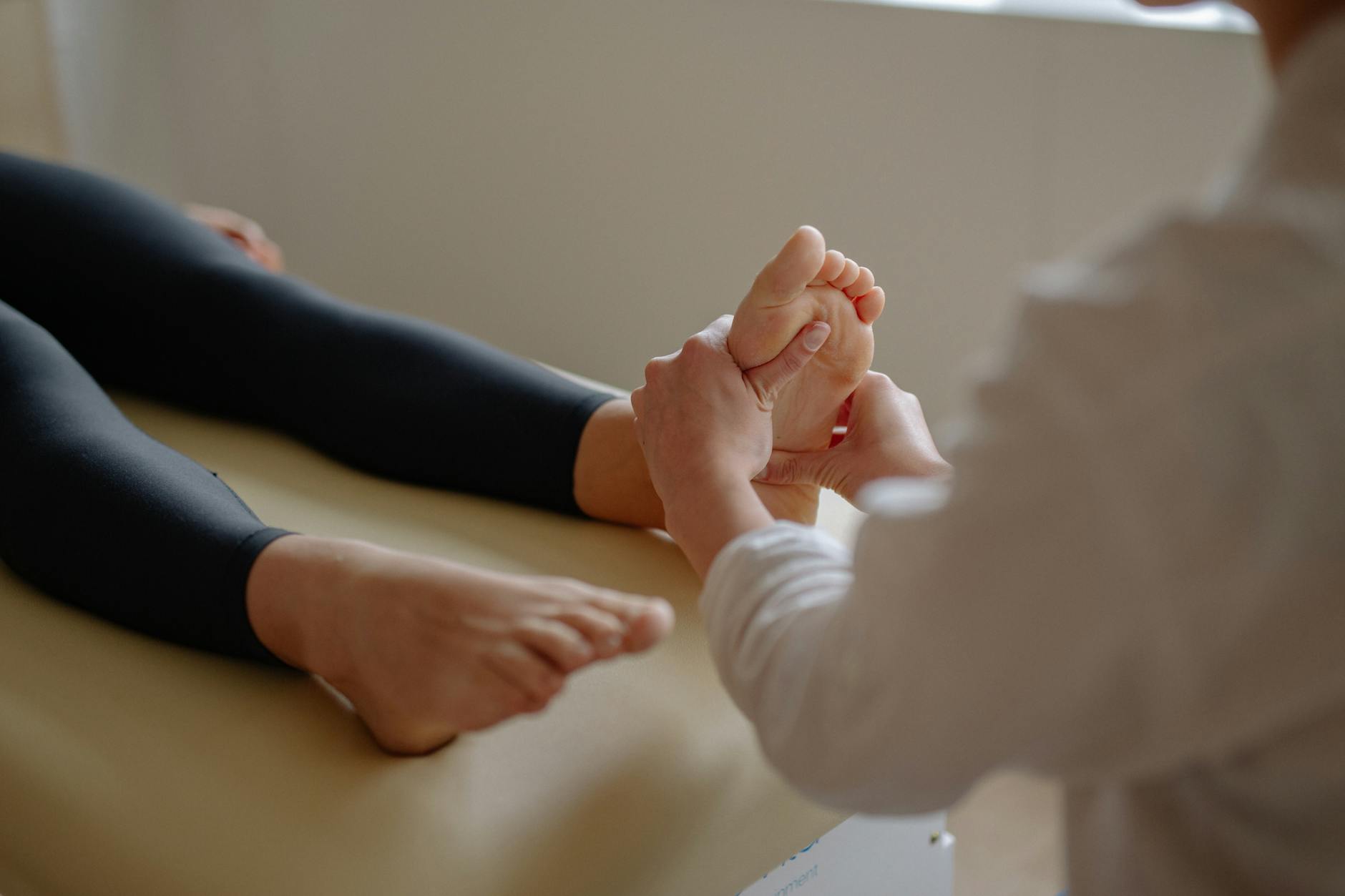
- Massage: Gentle therapeutic massage improves local circulation, reduces muscle tension, and can modulate pain perception through similar gate-control mechanisms as heat.
- Blood sugar management (for diabetic neuropathy): No symptomatic treatment — including heat therapy — addresses the root cause as effectively as tight glycaemic control, which has been shown to slow neuropathy progression.
- Sleep hygiene: Nerve pain is consistently worse with poor sleep. A warm foot soak 30–60 minutes before bed may improve both pain levels and sleep onset by lowering core body temperature after the warming effect subsides.
When to See a Doctor Instead of Reaching for a Heating Pad
Heat therapy is appropriate for managing existing, diagnosed chronic nerve pain. It is not appropriate as a substitute for medical evaluation. See a healthcare provider promptly if:
- Nerve pain is new, sudden, or rapidly worsening.
- Pain is accompanied by weakness, loss of coordination, or incontinence.
- You have numbness or tingling that has not been evaluated by a clinician.
- You notice skin colour changes, non-healing sores, or foot deformity alongside your pain.
- Heat application is followed by increased pain, blistering, or unusual skin changes.
Key Takeaways
Heat therapy for nerve pain is a legitimate, evidence-informed self-management strategy — not just folk wisdom. The three core mechanisms (vasodilation, gate-control analgesia, and muscle relaxation) provide a coherent physiological basis for the relief many people experience. Warm soaks at 38–40°C, or a low-to-medium heating pad for 15–20 minutes, represent a safe starting point for most people with chronic neuropathic pain in the feet and legs.
That said, does heat help neuropathy is not a yes-or-no question. It depends on the type of neuropathy, the phase of pain (chronic vs. acute flare), and — most importantly — the ability to perceive temperature accurately. For people with diabetic peripheral neuropathy or other conditions that reduce sensation, the safety rules around heat therapy are non-negotiable and must be followed meticulously to avoid serious burns.
The most productive approach is to treat heat therapy as one tool in a wider toolkit that includes movement, elevation, professional physiotherapy guidance, and — for diabetic neuropathy — careful blood sugar management. Used correctly and safely, warmth remains one of the most accessible, drug-free strategies available for improving daily comfort with nerve pain.