Hears Earplugs Review 2026: Worth $39 for Concert Hearing?
Limited Time Offer!
Get This Deal Now → *Affiliate link - We may earn a commissionIf you've ever walked out of a concert with that hollow ringing sensation in your ears, you already know the cost of skipping hearing protection. The problem isn't that people don't care — it's that the only widely available option, foam earplugs, turns live music into a muffled blur. After 30 days of testing Hears earplugs across everything from stadium gigs to packed subway cars, here's my honest take on whether these $38.99 high-fidelity earplugs are worth it.
The short verdict: Yes — if you regularly attend concerts, festivals, or work in loud environments and want to actually hear what's happening while protecting your ears. If you only need hearing protection once a year, cheaper foam will do the job. But for everyone else, the difference in sound quality is genuinely striking.
Exclusive Discount Available Now
Unboxing and First Impressions
The Hears earplugs arrive in compact, well-designed packaging that immediately signals this isn't a drugstore impulse buy. Inside the box you get the earplugs themselves, four sets of ear tips (XS, S, M, L), and a small premium carrying case that clips onto a keychain or sits flat in a pocket. The whole kit is smaller than a lipstick case — it genuinely fits without thought in a jeans pocket.
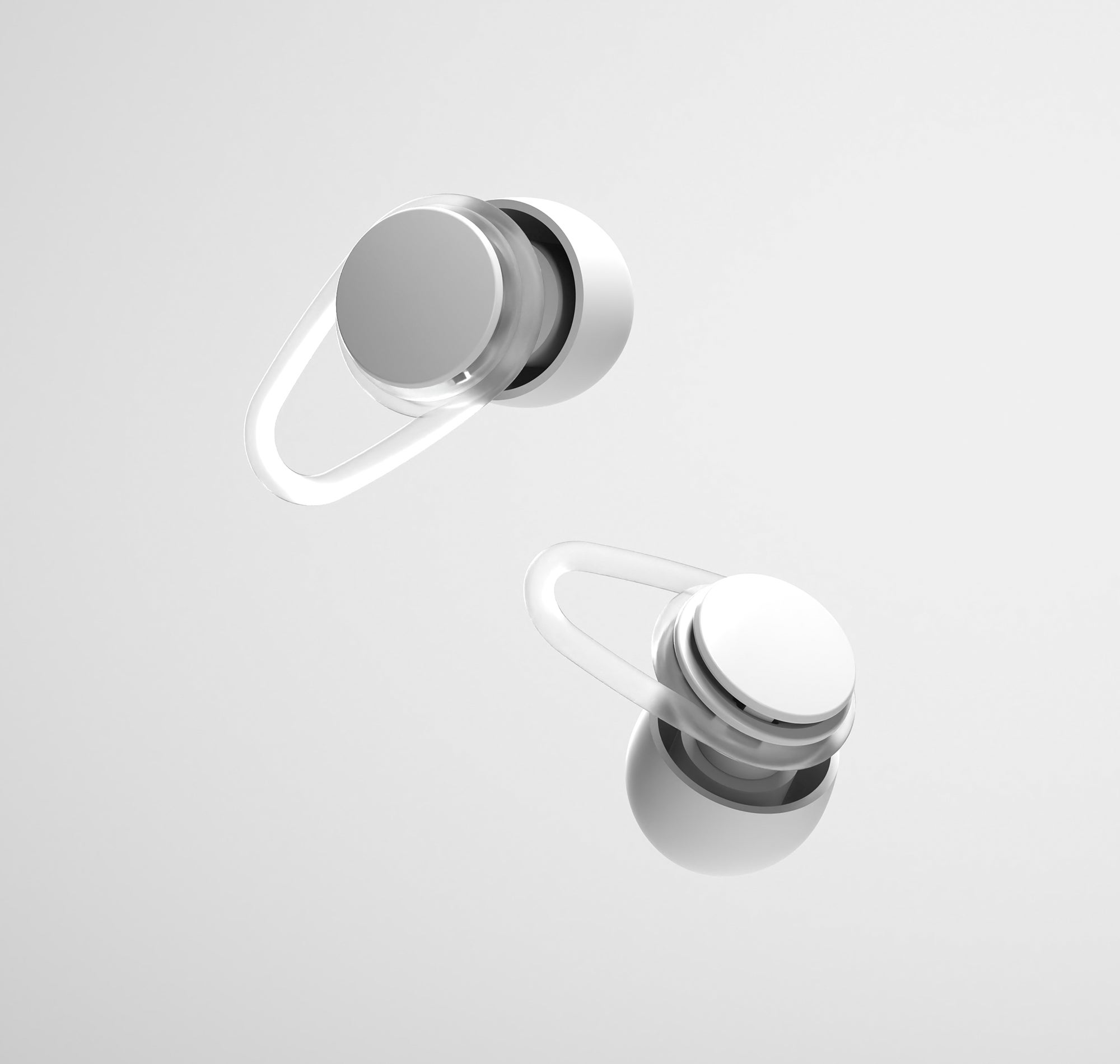
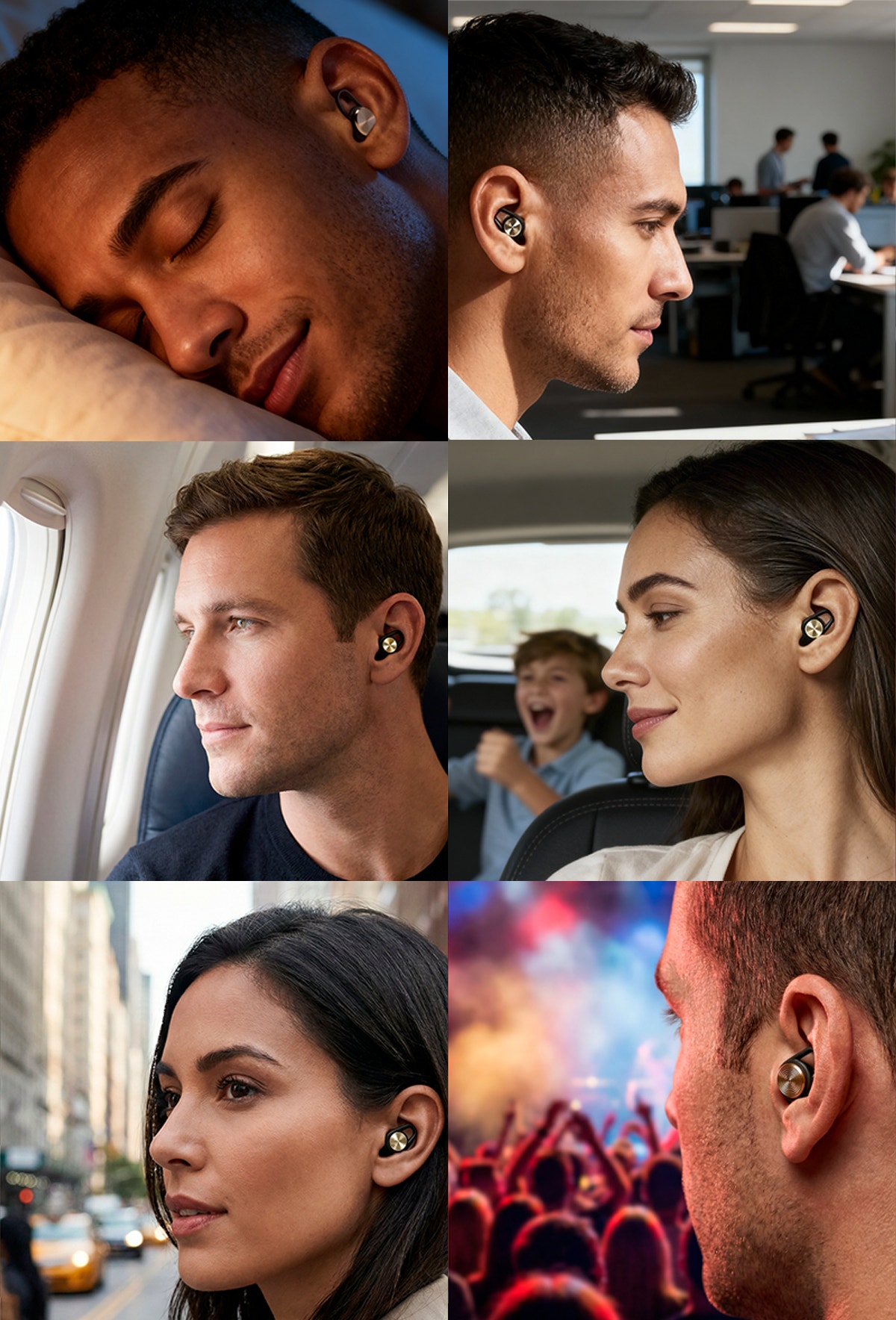
The earplugs themselves are virtually invisible once inserted. The translucent stem sits nearly flush with the ear canal opening, which matters more than I expected. At previous concerts I've used bulky foam plugs that made me feel like I was wearing safety equipment at a job site. With Hears in, nobody at the show knew I was wearing hearing protection.
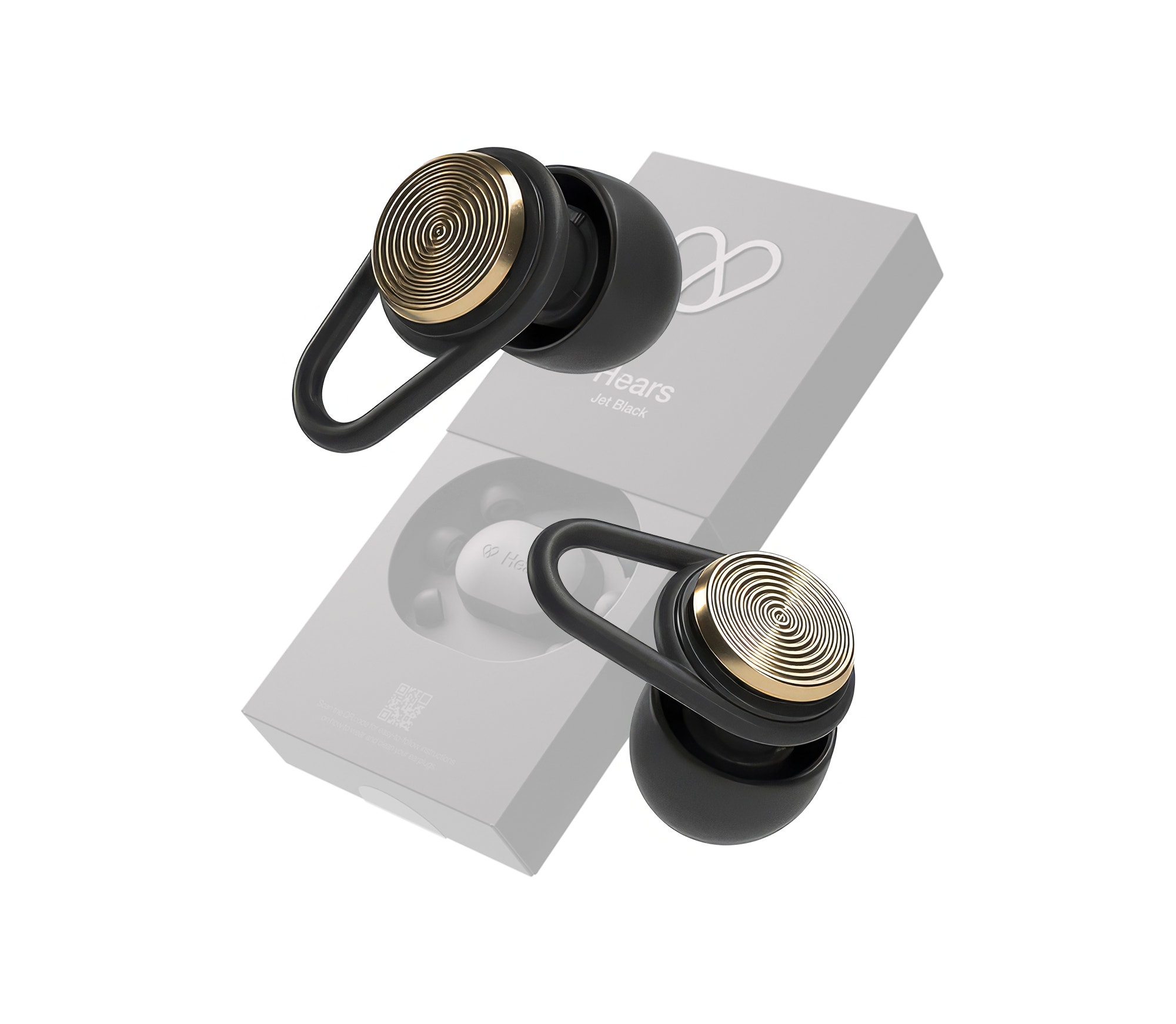
Fit testing the four tip sizes took about five minutes. I landed on medium — the seal was comfortable without any pressure sensation, and I could wear them for a three-hour show without needing to remove them. The hypoallergenic material helped here; no irritation even with extended wear, and the sweat-resistant design held up fine at a fairly energetic show without any slippage.
First impression overall: this feels like a thoughtfully engineered product, not a rebranded foam plug in a fancy case.
Real-World Testing: Subway, Live Music, and the Open-Plan Office
I ran the Hears earplugs through three distinct noise environments over 30 days to get a realistic picture of how the high-fidelity attenuation filter actually performs in the wild.
Test 1 — NYC Subway (approx. 90–100 dB)
Subway platforms regularly hit damaging decibel levels. With Hears in, the train's arrival was audible and directional — I could still hear the PA announcements, conversations with a companion, and my own footsteps clearly. The roar was reduced to a manageable hum rather than the faint tunnel of sound you get with foam. That "reduced by up to 20dB" spec translates to real-world comfort without disorientation.
Test 2 — Live Concert (indie rock, standing venue)
This is the use case that drove me to buy these, and it's where the hears earplugs genuinely impressed. The mix sounded like... the mix. Vocals sat clearly above the instruments, the kick drum had definition, and I could hear my friend talking to me between songs without removing the plugs. With foam earplugs at a similar show, the high frequencies disappear and everything collapses into muddy low-end. That didn't happen here.
See Hears earplugs in action — how they work and what to expect at your first concert
Test 3 — Open-Plan Office
This was a pleasant surprise. At a noisy office with overlapping conversations and ambient HVAC noise, the Hears earplugs created a focused, quieter environment without silencing colleagues entirely. I could still hear someone directly addressing me. For deep work sessions, this was genuinely useful — no need for noise-cancelling headphones that signal "do not disturb" to everyone around you.
What Does "93% Sound Clarity" Actually Mean?
This is the claim that raised my eyebrow most before testing, so let me break it down honestly.
Standard foam earplugs use bulk material to block sound across all frequencies. They're effective — often achieving 30dB+ of noise reduction — but they disproportionately kill high frequencies. That's why voice and music behind foam sounds muffled and dull. The problem isn't the decibel reduction; it's the uneven frequency response.
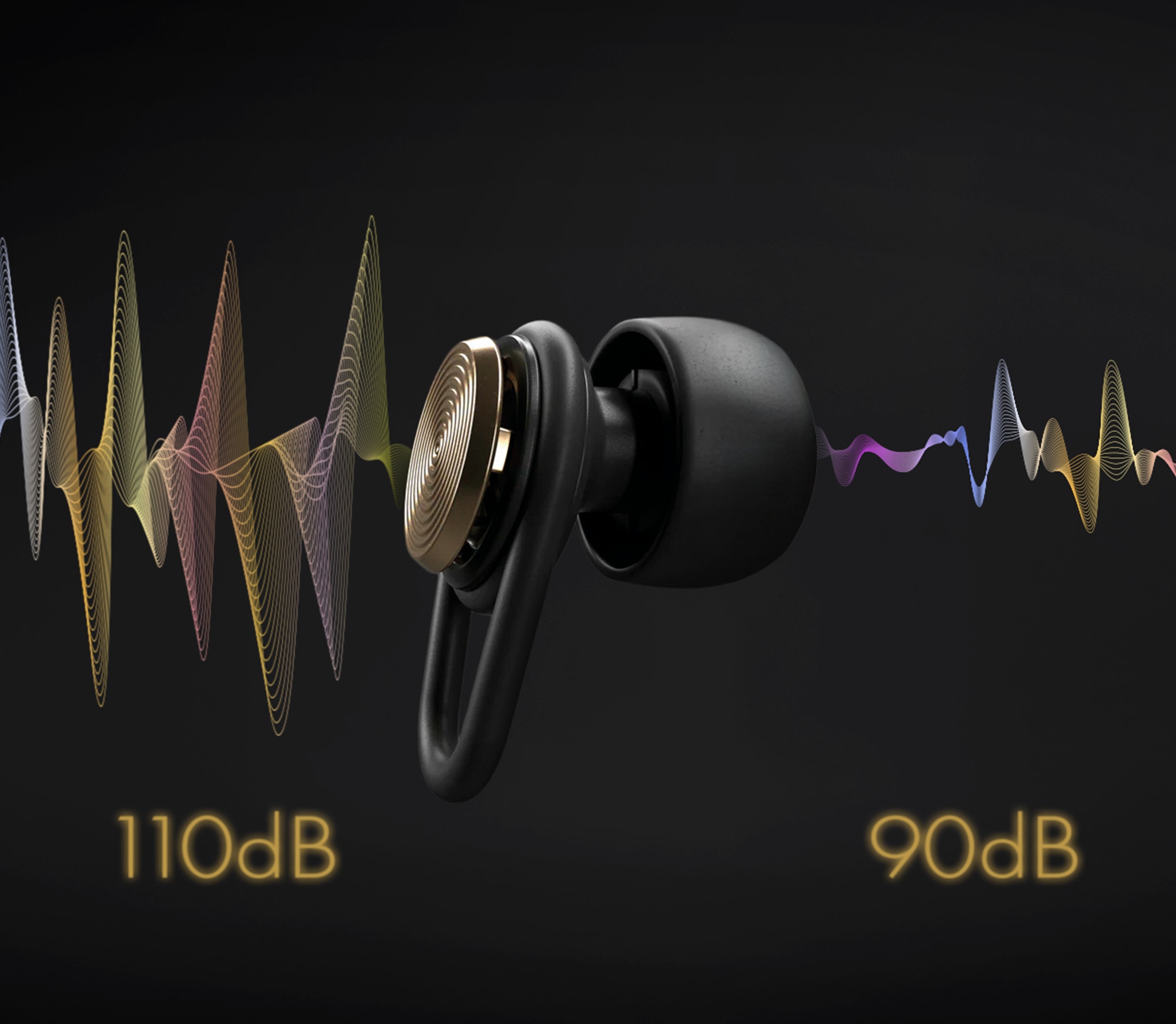
Hears uses a patented premium-grade attenuation filter and advanced membrane technology designed to reduce sound levels more evenly across the frequency spectrum. The goal is flat attenuation — turning the volume down uniformly rather than cutting the treble and leaving the bass. That's what high-fidelity hearing protection actually means, and it's the same approach used by professional-grade musician earplugs that can cost $150–$200 from audiologists.
The "93% sound clarity" figure refers to how much of the natural tonal balance is preserved after attenuation — not that 93% of sound pressure passes through. In practice, during my concert test, the difference between Hears and a standard foam earplug was immediately obvious. Music sounded like music, not like listening through a pillow.
Is 93% a marketing-rounded number? Probably. But the underlying technology is real, and the perceptual difference in sound quality is not subtle.
The Tinnitus Risk You're Actually Taking
A live concert can hit 110–120 dB at the front of the stage. Hearing damage begins at sustained exposure above 85 dB. That's not alarmist — that's the NIOSH standard. Regular concert-goers who skip hearing protection are accumulating noise-induced hearing loss slowly and silently, often only noticing when the ringing after shows starts lasting longer than it used to.
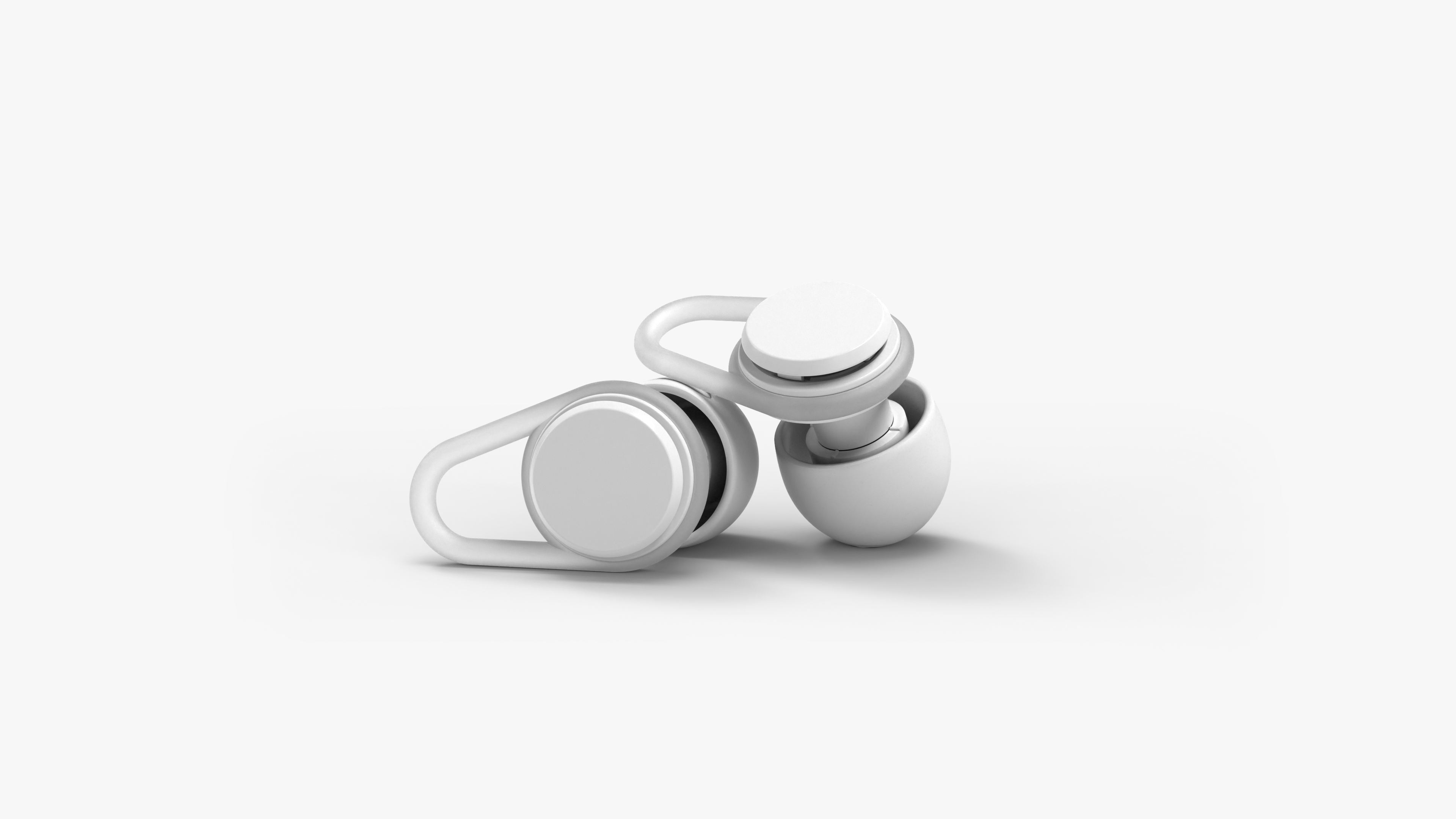
The Hears earplugs reduce noise by up to 20dB, which brings a 110dB concert environment down to around 90dB — still loud, but meaningfully below the threshold for rapid hearing damage. For the occasional show, that's adequate protection. For front-row festival regulars, it's a significant improvement over nothing.
This is the argument for spending $38.99 over a $3 packet of foam plugs: not just sound quality, but the fact that you'll actually wear them. Hearing protection only works if you use it, and if the audio experience is miserable, most people pull the plugs out after two songs.
Hears Earplugs Pros and Cons
Pros
- Noticeably better sound clarity than foam alternatives
- Virtually invisible — no social awkwardness at shows
- Four tip sizes for a secure, comfortable fit
- Reusable — pays for itself vs. buying disposables
- Works for music, commuting, office, and sleep
- Hypoallergenic, sweat-resistant materials
- Premium carrying case — always with you
Cons
- $38.99 is a real upfront cost vs. cheap foam
- 20dB reduction is lower than foam (which can exceed 30dB)
- Not suitable for industrial noise requiring maximum protection
- Small size means loss is possible without the case
Price Breakdown: Is $38.99 Worth It vs. Disposables?
Let's do the math honestly. A pack of 10 foam earplugs costs roughly $3–$5. If you attend 20+ events per year and use a new pair each time, you're spending $6–$10 annually — and getting muffled sound every time. One pair of Hears earplugs at $38.99 is reusable, meaning the cost-per-use drops below $2 after 20 uses and continues falling.
Hears currently offers three pricing tiers:
- 1 pair — $38.99 (best for trying the product)
- 3 pairs — $96.64 (Buy 2 Get 1 Free — good for couples or keeping a backup pair)
- 5 pairs — $144.39 (Buy 3 Get 2 Free — best value per pair)
For single buyers, the 1-pair option is the logical starting point. If you like them — and based on 30 days of testing, most people will — the multi-pair deals bring the per-unit cost down considerably and solve the "I lost one earplug" problem that will eventually happen.

Compared to custom-molded musician earplugs from an audiologist (typically $150–$300 for a single pair), $38.99 for quality high-fidelity protection is genuinely competitive. You're not getting a custom-molded fit, but for most people, one of the four included tip sizes will fit well enough to get close to the same result.
Exclusive Discount Available Now
Who Should Buy Hears Earplugs?
Based on 30 days of testing across multiple environments, here's who will get the most out of this hearing protection review:
Buy Hears if you: attend concerts or live music events more than a handful of times per year, commute on loud transit regularly, work in an open office and need focus without full noise cancellation, value sound quality and would pull out foam plugs after two songs, or have already noticed occasional post-event ear ringing that concerns you.
Skip Hears (for now) if you: only need hearing protection once or twice a year and foam works fine for those occasions, work in a high-noise industrial environment where 30dB+ reduction is required, or are looking for sleep earplugs specifically (these work for that, but dedicated sleep earplugs may be more comfortable for side-sleeping).
Frequently Asked Questions
Final Verdict
The hears earplugs review verdict after 30 days of real-world testing is straightforward: these are the best sub-$40 earplugs for concerts I've used. The sound quality difference over foam is immediate and significant — music stays musical, conversations stay audible, and the virtually invisible profile means you'll actually wear them instead of leaving them in your pocket.
The 20dB attenuation won't satisfy people working in industrial environments who need maximum noise reduction, and the $38.99 price is a real commitment compared to a bag of foam plugs. But for the target user — someone who goes to concerts, commutes through loud environments, or has started noticing that post-show ear ringing that shouldn't be ignored — the math works out quickly. After 20 events, these cost less per use than foam. After 50, the comparison isn't close.
The 93% sound clarity claim is well-supported by the listening experience. Hears earplugs 2026 represent the sensible middle ground between cheap, muffling foam and expensive custom-molded audiologist plugs. For the vast majority of music fans and commuters, that's exactly the right product to own.
Rating: 4.7/5 — Recommended for regular concert-goers, commuters, and anyone who finds foam earplugs too muffling to actually keep in.
Exclusive Discount Available Now
Ready to Get Started?
Don't miss out on this exclusive offer!
Claim Your Discount → *This is an affiliate link. We may earn a commission at no extra cost to you.