Golf Fitness: The 7 Exercises That Actually Improve Your Game (Backed by Science)
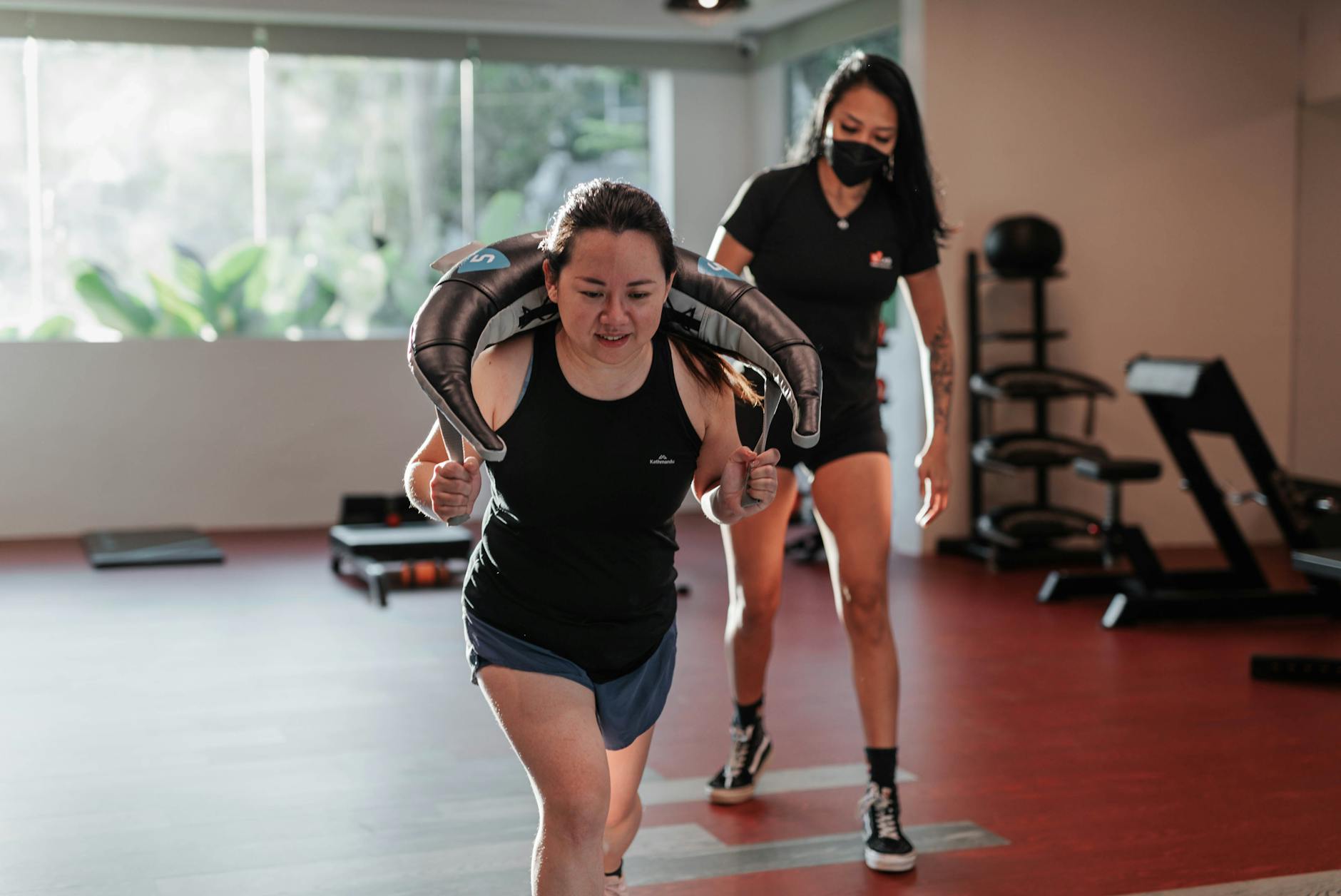
Walk into any tour-level locker room today and you will find something that would have looked strange twenty years ago: professional golfers who train like serious athletes. Tiger Woods changed everything when he showed up at the 1997 Masters visibly muscular and proceeded to rewrite the record books. Since then, golf fitness exercises have moved from a curiosity to a cornerstone of competitive preparation at every level of the game.
The science backs this up. A 2021 review published in the Journal of Strength and Conditioning Research found that increased rotational power, hip mobility, and core stability are the three physical attributes most strongly correlated with better golf performance — specifically, greater clubhead speed and lower injury rates. The good news for recreational golfers is that you do not need to train like Rory McIlroy to see meaningful results. A focused, three-day-per-week golf workout routine built around the right movements can add yards to your drives, sharpen your accuracy, and keep your back healthy for decades.
This guide covers exactly what those right movements are, why they work, and how to build them into your week.
Why Golf Is a Serious Athletic Endeavor (And Why That Changes How You Should Train)
The modern golf swing generates peak torso rotation speeds of around 720 degrees per second. The forces passing through the lumbar spine during a full driver swing rival those seen in sports like baseball and tennis. Yet for most of its history, golf culture treated physical conditioning as an afterthought — something for "real" sports.
That view has been thoroughly dismantled. PGA Tour players now routinely work with strength coaches, physical therapists, and movement specialists. The Titleist Performance Institute (TPI), which has assessed thousands of professional and amateur golfers, has documented direct links between specific movement limitations — a restricted hip turn, poor thoracic rotation, weak lateral stability — and characteristic swing faults. When you fix the physical limitation, the swing fault often corrects itself.
Recreational golfers, on average, have far greater physical deficits than tour players, which means the performance upside of targeted athletic conditioning for golfers is actually larger for amateurs. You do not need to close the gap entirely. Even modest gains in mobility and rotational strength translate directly to more consistent ball striking.
The Three Physical Pillars of Golf Performance
Before diving into specific exercises, it helps to understand what you are training for. Golf performance on the physical side comes down to three interlocking pillars.
1. Rotational Power
Distance is determined primarily by clubhead speed, and clubhead speed is a direct expression of rotational power — the ability of your hips, core, and upper body to generate, transfer, and accelerate rotational force in sequence. Strength alone is not enough; this power must be expressed quickly. Training that builds both strength and speed in the transverse plane (the rotational plane) is what drives real distance gains.
2. Hip Mobility
Restricted hip rotation is one of the most common physical limiters in amateur golfers. When the hips cannot fully rotate and extend, the body compensates — often by early extending the spine ("chicken-winging"), losing posture at impact, or placing excess load on the lower back. Restoring hip mobility through targeted exercises to improve golf swing mechanics removes these compensations and immediately improves the look and feel of your swing.
3. Grip and Wrist Stability
Accuracy depends on what happens at the far end of the kinetic chain: your hands and wrists. A stable, strong grip that does not break down under the load of impact keeps the clubface square and controls shot shape. Forearm and wrist training is often neglected in general fitness programs but is particularly valuable for golfers.
The 7 Golf Fitness Exercises That Actually Move the Needle
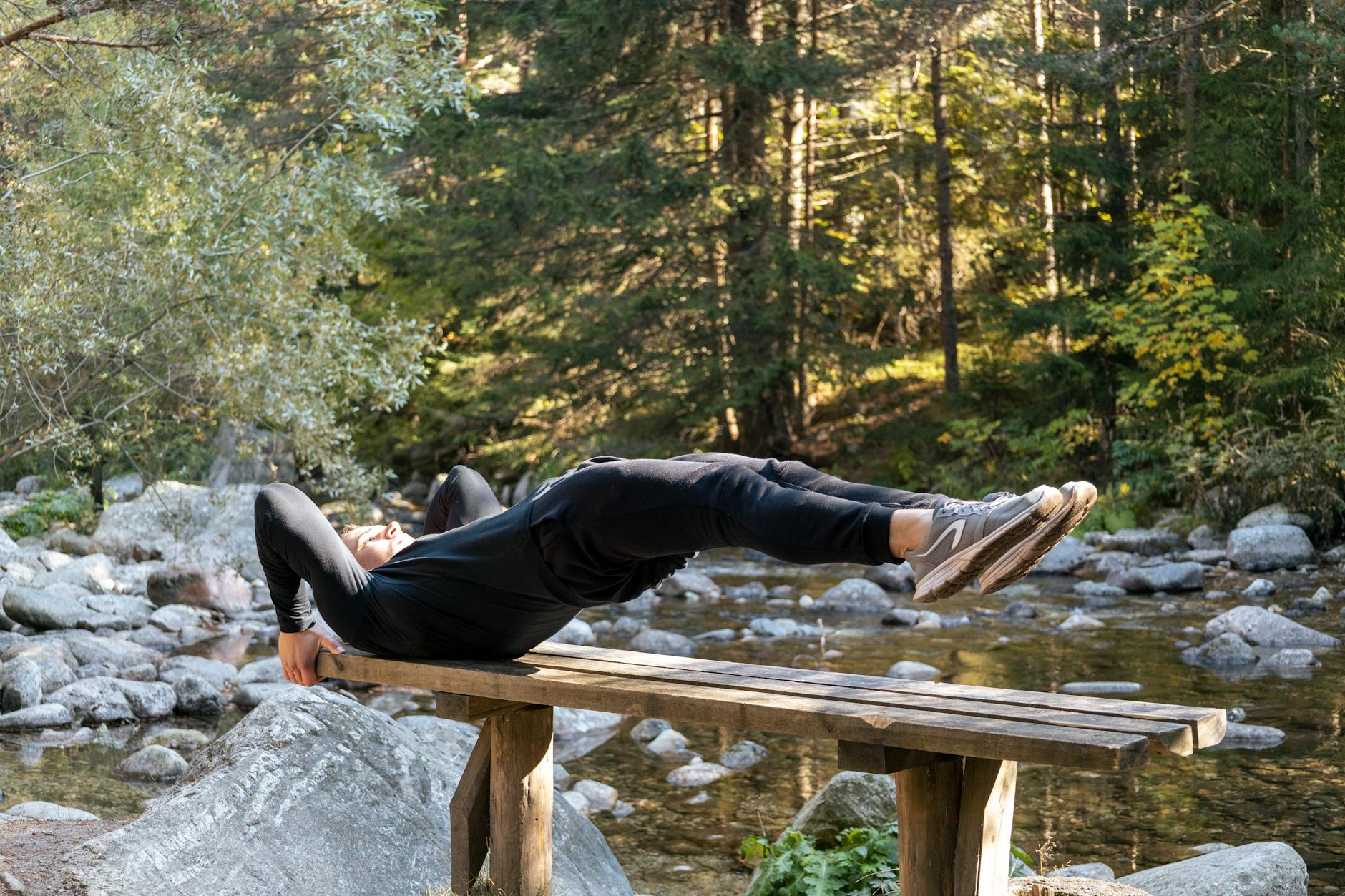
These seven movements were selected because each one targets at least one of the three pillars above and has a clear, direct transfer to golf movement patterns. They require minimal equipment — a resistance band, a pair of dumbbells, and a cable machine if you have gym access — and can largely be done at home.
Exercise 1: Hip Hinge (Romanian Deadlift)
What it trains: Posterior chain (glutes, hamstrings), hip mobility, spinal neutral awareness.
Why it matters for golf: The address position and the downswing load are both hip-hinge patterns. Golfers who cannot hinge cleanly compensate by rounding the lower back, which is a primary driver of golf-related lumbar injuries.
Form cues: Stand with feet hip-width apart, holding a dumbbell in each hand or a barbell. Push your hips back as if you are trying to touch the wall behind you — do not squat down. Keep a slight bend in the knees, a long spine, and your weight in the middle of your foot. Lower until you feel a gentle stretch in the hamstrings (roughly shin-level for most people), then drive the hips forward to stand tall. 3 sets of 10–12 reps.
Exercise 2: Cable or Band Rotation (Woodchop)
What it trains: Rotational power, obliques, hip-to-shoulder sequencing.
Why it matters for golf: This is the closest gym movement to the actual golf swing. It trains the obliques and the transfer of force from the lower body through the core to the arms — exactly the kinetic chain you use to generate clubhead speed.
Form cues: Set a cable or resistance band at shoulder height to one side. Stand perpendicular to the anchor, arms slightly bent. Initiate the rotation by driving the trail hip forward, then follow with the torso, and finish with the arms pulling the handle across your body. Resist the urge to use your arms as primary movers — this is a hip-and-core exercise. 3 sets of 10–12 reps per side.
Exercise 3: Single-Leg Romanian Deadlift
What it trains: Glute strength, balance, lateral hip stability, proprioception.
Why it matters for golf: The golf swing is a single-leg loading pattern for most of the downswing — your trail leg loads and your lead leg stabilizes. Single-leg strength imbalances are extremely common and directly contribute to swing instability and injury. TPI research consistently identifies weak glute medius function as a swing fault driver.
Form cues: Hold a dumbbell in the opposite hand to the working leg. Hinge at the hip while allowing the non-working leg to float back behind you, keeping hips level. Think of your body as a seesaw pivoting at the hip. Lower until the torso is roughly parallel to the floor, then squeeze the glute to return upright. Start with bodyweight if balance is challenging. 3 sets of 8–10 reps per side.
Exercise 4: Pallof Press
What it trains: Anti-rotation core stability, deep core musculature, shoulder stability.
Why it matters for golf: The Pallof Press trains the core's ability to resist rotation — which sounds counterintuitive for a rotational sport, but is critical. Efficient rotation requires a stable base. If your core cannot resist unwanted movement, it cannot reliably produce and transfer powerful controlled rotation either. This is a foundational golf strength training movement.
Form cues: Stand perpendicular to a cable stack or anchored resistance band at chest height. Hold the handle at your sternum. Press straight out in front of you, hold for 2 seconds, and return. The challenge is resisting the pull to one side throughout the movement. Keep your hips square and your knees slightly bent. 3 sets of 10–12 reps per side.
Exercise 5: Thoracic Spine Rotation (Open Book)
What it trains: Thoracic (mid-back) mobility, shoulder external rotation, rib cage dissociation from the pelvis.
Why it matters for golf: The ability to separate upper-body rotation from lower-body rotation — sometimes called the "X-factor" in golf biomechanics research — is a major predictor of driving distance. A stiff thoracic spine forces you to steal rotation from the lumbar spine, which is both inefficient and injury-prone. Improving thoracic mobility is one of the fastest ways to add rotational range of motion to your swing.
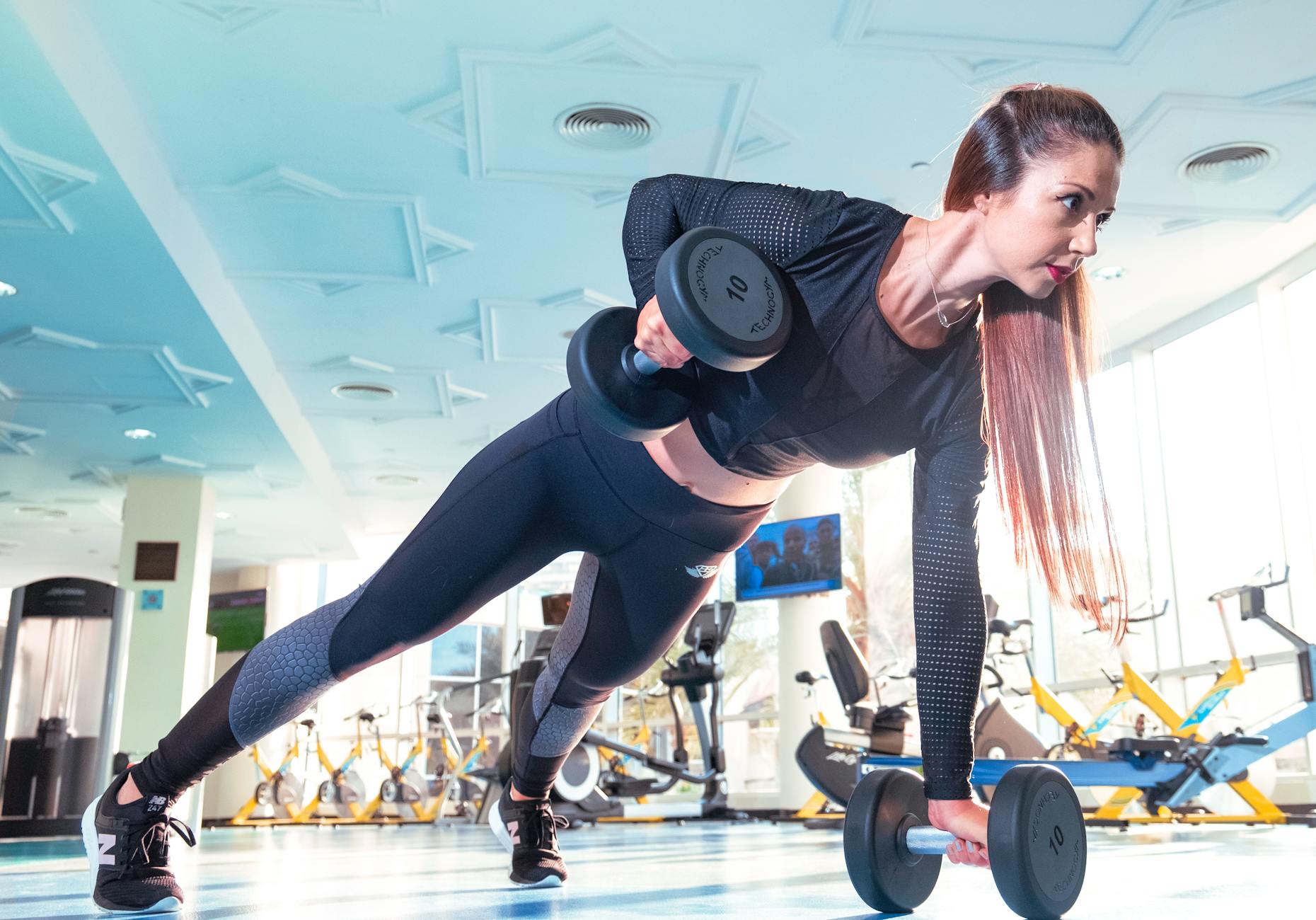
Form cues: Lie on your side with knees bent and stacked at 90 degrees, arms extended in front of you at chest height. Keep your bottom knee pinned to the floor throughout. Rotate your top arm upward and over your body, following it with your eyes and letting your chest open toward the ceiling as far as comfortable. Hold briefly, return slowly. This is a mobility drill, not a strength exercise — use smooth, controlled motion. 2 sets of 8–10 reps per side as part of your warm-up or cool-down.
Exercise 6: Farmer's Carry
What it trains: Grip strength, forearm endurance, total-body tension, shoulder stability under load, walking posture.
Why it matters for golf: The farmer's carry is deceptively simple and extraordinarily effective. It trains every quality a golfer needs for accurate shot-making at the terminal end of the kinetic chain: grip endurance, wrist stability, and the ability to maintain upright posture under load. It also builds the kind of functional full-body tension that helps you hold your finish position.
Form cues: Pick up two heavy dumbbells or kettlebells, one in each hand. Stand tall — chest up, shoulders back and down, core braced. Walk a controlled 20–30 meters (or around a defined space) without letting your torso lean or your shoulders creep up toward your ears. The goal is to look completely unperturbed by the weight. 3 sets of 20–30 meters. Progress by increasing the load or carrying time.
Exercise 7: Reverse Lunge with Rotation
What it trains: Leg strength, hip flexor length, rotational power under a single-leg stance, balance.
Why it matters for golf: This exercise combines two essential golf fitness qualities in one movement: single-leg lower-body strength and the ability to rotate while maintaining balance. It closely mimics the mechanics of the follow-through, where the lead leg is fully loaded and the torso continues to rotate past impact. Tight hip flexors — which the reverse lunge directly addresses — are another extremely common finding in amateur golfers who sit for long periods during the day.
Form cues: Stand tall holding a light dumbbell or medicine ball at chest height. Step back with one foot into a lunge, lowering the back knee toward the floor. Once you reach the bottom position, rotate your torso toward the front leg. Drive through the front heel to return to standing. 3 sets of 10 reps per side.
Building Your 3-Day-Per-Week Golf Workout Routine
The seven exercises above map neatly onto a three-day training week that fits around your golf schedule. The structure below is designed so that each session targets a slightly different physical quality, with enough variety to stay engaging but enough repetition to build real adaptation over time. You do not need a full gym — a pair of adjustable dumbbells and a resistance band will cover the majority of these movements at home.
A few programming principles before the template:
- Rest at least one day between sessions. Monday / Wednesday / Friday works well for most schedules.
- Always warm up. 5–8 minutes of light movement — leg swings, arm circles, hip circles, and the thoracic spine rotation drill from Exercise 5 — before every session.
- Progress gradually. Add weight or reps only when the current load feels comfortable for all sets. The goal is sustainable adaptation, not soreness.
- Do not train heavy the day before a round. If you play on Saturday, make Friday a mobility-only or light day.
Weekly Template
| Session | Focus | Exercises | Sets x Reps |
|---|---|---|---|
| Day 1 Mon | Power & Posterior Chain | Hip Hinge (RDL) Cable/Band Rotation Pallof Press Farmer's Carry | 3 x 10–12 3 x 10–12 / side 3 x 10–12 / side 3 x 25m |
| Day 2 Wed | Mobility & Stability | Thoracic Rotation (Open Book) Single-Leg RDL Pallof Press Hip Hinge (lighter, focus on depth) | 2 x 10 / side 3 x 8–10 / side 3 x 10 / side 3 x 12 |
| Day 3 Fri | Full-Body & Rotation | Reverse Lunge with Rotation Cable/Band Rotation Single-Leg RDL Farmer's Carry | 3 x 10 / side 3 x 12 / side 3 x 8 / side 3 x 25m |
Each session should take 35–50 minutes including warm-up. Rest 60–90 seconds between sets for strength movements and 30–45 seconds for the mobility drills.
How Long Before You See Results on the Course?
This is the question every golfer asks. Research on golf strength training adaptations suggests the following general timeline:
- Weeks 1–2: Neuromuscular adaptation — your nervous system learns the movement patterns. You will feel more coordinated in the gym but may not notice changes on the course yet.
- Weeks 3–4: Mobility improvements become noticeable. Many golfers report feeling a freer turn and less back tightness during and after rounds.
- Weeks 6–8: Strength and power gains begin to show up. Clubhead speed measurements (trackman or a swing speed radar) typically start trending upward. Expect 3–7 mph gains for committed trainees — which translates to roughly 7–18 additional yards with the driver.
- Month 3 and beyond: Cumulative gains compound. Players who continue training consistently often report sustained improvements in ball striking accuracy, endurance over 18 holes, and a significant reduction in back and hip soreness.
The key variable is consistency. Two weeks of training followed by three weeks off will yield minimal carryover. A steady, moderate dose over months is far more valuable than an intense push that burns you out.
Common Mistakes to Avoid
A few pitfalls show up repeatedly when golfers start a fitness program:
Training for aesthetics rather than movement. Bodybuilding-style isolation work — bicep curls, chest flies, leg extensions — has low transfer to golf performance. The exercises in this guide were chosen specifically for their movement relevance. If you want to add supplementary work, prioritize compound, multi-joint movements.
Ignoring mobility entirely. Many golfers go straight for strength work and skip the thoracic rotation and hip mobility components. This is a mistake. Strength built on top of restricted range of motion often reinforces bad movement patterns rather than correcting them.
Training too hard too close to your rounds. Heavy lower-body work the day before a round will leave your legs fatigued and impair your swing feel. Plan your training week so the hardest sessions are at least 48 hours before you play.
Skipping the single-leg work. The unilateral exercises in this program (single-leg RDL, reverse lunge) are the ones most often dropped when time is tight. They are also among the most valuable for golf. Prioritize them.
Frequently Asked Questions
Key Takeaways
Golf fitness exercises are no longer the exclusive territory of tour professionals. The research is clear: targeted rotational strength, hip mobility, and grip stability training improve both performance and longevity in golfers at every level. The seven exercises in this guide — hip hinges, cable rotations, single-leg deadlifts, Pallof presses, thoracic rotations, farmer's carries, and reverse lunges with rotation — represent the most direct physical investment you can make in your game.
You do not need an elaborate setup or unlimited time. Three focused sessions per week, each lasting under an hour, is enough to drive meaningful adaptation. The weekly template above gives you a concrete starting point. The most important thing is simply to begin and to stay consistent over the months that follow.
Stronger, more mobile golfers hit the ball farther, keep it in play more often, and play pain-free for more years. That is a return on investment that no new driver or fancy ball can match.