Golf Fitness: Essential Workout Routine for Beginners
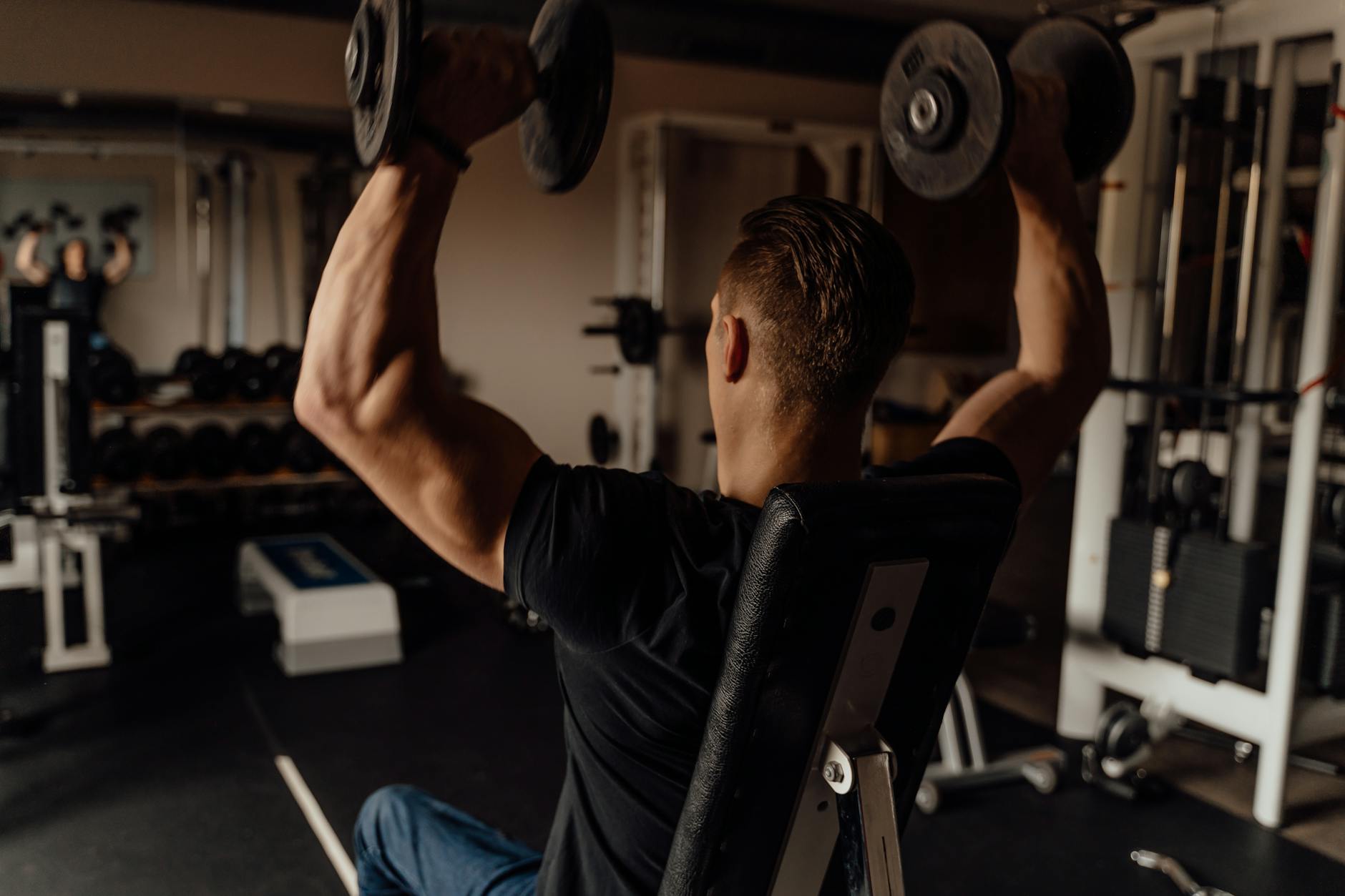
If you've recently picked up a golf club for the first time — or you've been playing casually for years and finally want to level up — a structured workout routine for beginners built around golf performance might be the single biggest upgrade you can make to your game. Most new golfers focus entirely on technique and completely overlook the physical demands the sport places on the body. The result? Inconsistent swings, nagging back pain, and frustrating rounds that don't reflect the hours of practice put in.
The good news: you don't need to be an athlete or spend hours in the gym. A smart, targeted golf fitness program that addresses rotational power, core stability, hip mobility, and shoulder flexibility can produce noticeable results in just a few weeks — even if you're starting from scratch.
Why Golf Fitness Matters More Than Most Players Think
Golf is often dismissed as a low-intensity sport, but that perception is misleading. A full golf swing generates significant rotational forces through the spine, hips, and shoulders in a fraction of a second. According to research from the Titleist Performance Institute (TPI), physical limitations — not poor technique — are responsible for the majority of swing faults in amateur golfers.
Here's what physical fitness directly affects on the course:
- Swing speed and distance: More hip and core strength translates directly into greater clubhead speed and longer drives.
- Consistency: A stable, mobile body repeats the same swing mechanics far more reliably than a stiff or weak one.
- Injury prevention: The lower back, hips, knees, and wrists are the most commonly injured areas in golf — all of which are protected by proper conditioning.
- Stamina over 18 holes: Walking a full course covers 4–6 miles. Cardiovascular and muscular endurance matters more than most beginners expect.
- Mental focus: Physical fatigue undermines concentration. A fit golfer makes sharper decisions on holes 15, 16, and 17.
The takeaway: building a golf-specific workout routine for beginners isn't just about hitting the ball farther. It's about building a body that can perform the golf swing repeatedly, efficiently, and without breaking down.
Core Strength Exercises Every Beginning Golfer Needs
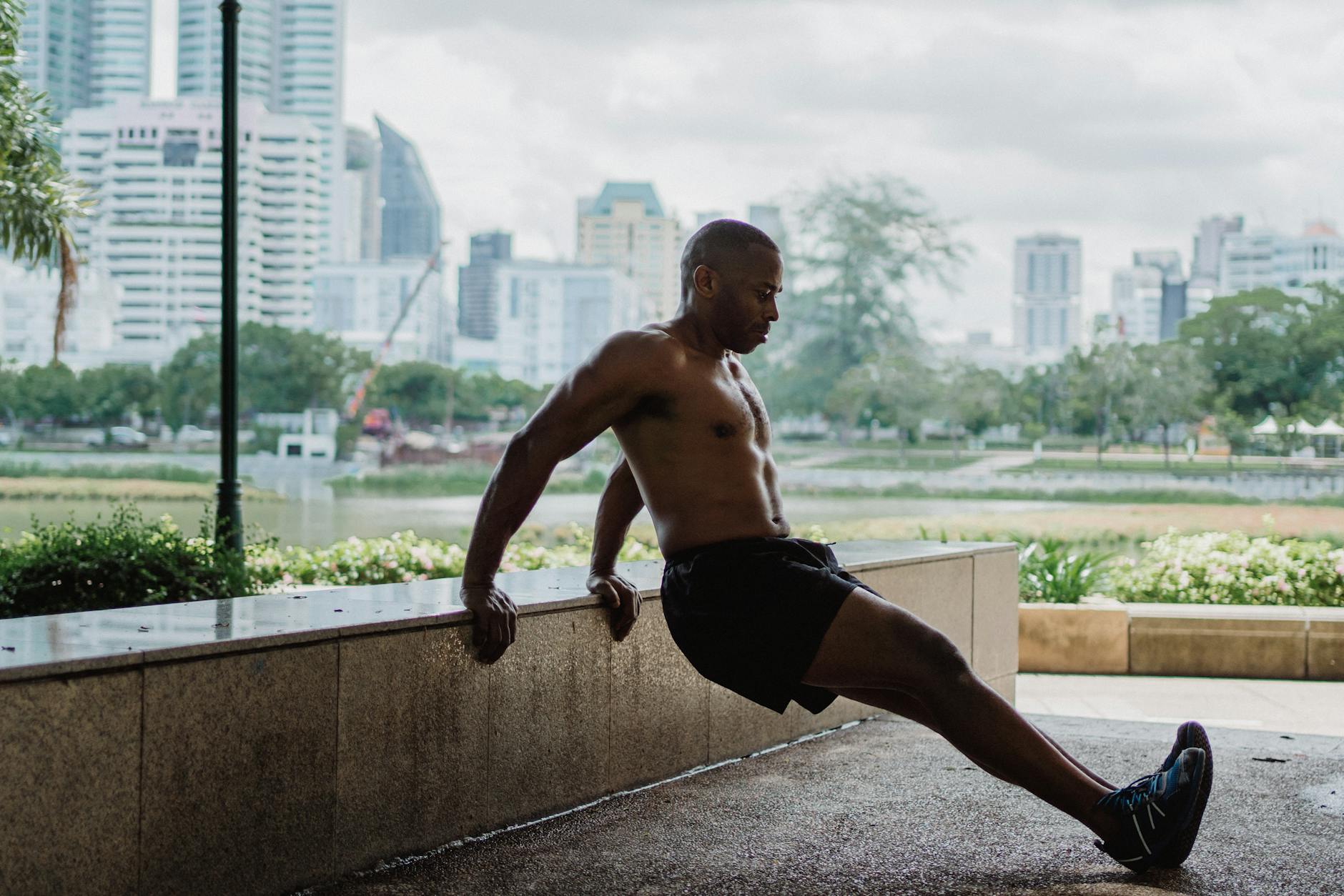
The core is the engine of the golf swing. Every ounce of power generated by the lower body has to transfer through the core before it reaches the club. A weak core forces the arms to compensate, which leads to inconsistency and injury. These exercises form the foundation of any beginner golf fitness plan.
1. The Plank
How to do it: Rest on your forearms and toes, keeping your body in a straight line from head to heel. Brace your abs as if bracing for a punch. Hold for 20–30 seconds to start, building toward 60 seconds over time.
Golf benefit: Builds anti-rotation stability — the ability to resist unwanted movement during the swing.
2. Russian Twists
How to do it: Sit on the floor with knees bent and feet slightly raised. Hold your hands together or a light weight. Rotate your torso from side to side, tapping the ground on each side. Perform 3 sets of 12–15 reps per side.
Golf benefit: Develops rotational strength and oblique endurance — directly mimicking the demands of the backswing and follow-through.
3. Dead Bug
How to do it: Lie on your back with arms extended toward the ceiling and knees bent at 90 degrees. Slowly lower your right arm and left leg toward the floor while keeping your lower back pressed flat. Return and switch sides. Do 3 sets of 8 reps per side.
Golf benefit: Trains deep core stability and improves the separation between upper and lower body — a critical component of the modern golf swing.
4. Pallof Press
How to do it: Using a resistance band anchored at chest height, stand sideways to the anchor point. Hold the band at your chest, then press it straight out in front of you and hold for 2–3 seconds before returning. Do 3 sets of 10 reps per side.
Golf benefit: One of the most golf-specific core exercises available — it trains the core to resist lateral forces, which is exactly what happens during a swing.
Lower Body Power: The Overlooked Foundation of a Strong Swing
Most beginners obsess over their arms and shoulders, but the lower body is where swing power actually originates. Professional golfers generate force from the ground up — a concept known as "ground reaction force." Building lower body strength as part of your workout routine for beginners will add yards to your drives almost immediately.
5. Goblet Squat
How to do it: Hold a dumbbell or kettlebell at your chest. Stand with feet shoulder-width apart, toes slightly turned out. Squat down until your thighs are parallel to the floor, keeping your chest tall and knees tracking over your toes. Do 3 sets of 10–12 reps.
Golf benefit: Builds quad, glute, and hip strength while simultaneously improving hip mobility at the bottom of the squat.
6. Reverse Lunge with Rotation
How to do it: Step one foot back into a lunge position. As you lower down, rotate your torso toward the front leg. Return to standing and alternate sides. Do 3 sets of 10 reps per leg.
Golf benefit: Combines single-leg stability with rotational movement — a near-perfect simulation of the loading and unloading that happens in a golf swing.
7. Hip Hinge (Romanian Deadlift)
How to do it: Stand with feet hip-width apart, holding light dumbbells in front of your thighs. Push your hips back (not down), keeping your back flat, until you feel a stretch in your hamstrings. Drive your hips forward to return. Do 3 sets of 10 reps.
Golf benefit: The golf setup position is essentially a hip hinge. Building strength and awareness in this pattern dramatically improves posture and consistency at address.
Upper Body Stability for a Controlled, Repeatable Swing
The upper body's role in golf fitness is often misunderstood. You're not trying to build big arms — you're building shoulder stability, thoracic spine mobility, and scapular control. These qualities allow your arms to move freely while keeping the club on plane throughout the swing.
8. Band Pull-Aparts
How to do it: Hold a resistance band in front of you at shoulder height with straight arms. Pull the band apart by squeezing your shoulder blades together until the band touches your chest. Do 3 sets of 15 reps.
Golf benefit: Strengthens the rear deltoids and rotator cuff — key muscles for maintaining club control throughout the swing and preventing shoulder injury.
9. Shoulder Circles and Cross-Body Shoulder Stretch
How to do it: For circles, stand tall and make slow, controlled circles with both arms — 10 forward, 10 backward. For the cross-body stretch, bring one arm across your chest and hold it with the opposite hand. Hold 20–30 seconds per side.
Golf benefit: Improves shoulder joint mobility and reduces the risk of the tight, hunched posture that is common in desk workers who take up golf.
10. Push-Up with Shoulder Tap
How to do it: Perform a standard push-up. At the top of each rep, lift one hand to tap the opposite shoulder while keeping your hips level. Alternate sides. Do 3 sets of 8–10 reps.
Golf benefit: Builds pressing strength and rotational stability simultaneously, with the anti-rotation challenge closely mimicking the demands placed on the upper body during the swing.
Flexibility Training: The Secret Weapon of Consistent Golfers

Flexibility — particularly through the hips, thoracic spine, and shoulders — is arguably the most important physical quality for beginner golfers. Restricted mobility forces the body to compensate in ways that lead to poor mechanics. These stretches should be performed daily, especially on non-gym days.
Hip 90/90 Stretch
Sit on the floor with both legs bent at 90-degree angles — one knee in front of you, one to the side. Sit tall and lean gently forward over the front shin. Hold 30–45 seconds per side. This stretch directly targets the hip internal and external rotation needed for a full, unrestricted backswing.
Thoracic Spine Rotation (Thread the Needle)
Start on all fours. Slide one arm under your body, rotating your upper back until your shoulder approaches the floor. Hold briefly, return, and repeat. Do 8–10 reps per side. The thoracic spine (mid-back) is the primary source of rotation in the golf swing — most beginners have almost no mobility here.
Standing Hip Flexor Stretch
Step one foot forward into a lunge position, dropping the back knee to the ground. Push your hips gently forward while keeping your torso upright. Hold 30 seconds per side. Tight hip flexors from prolonged sitting are one of the most common limiters of a full hip turn in the backswing.
Downward Dog with Calf Stretch
From a push-up position, push your hips up and back to form an inverted V. Alternate pressing each heel toward the floor. Hold the full position for 30–45 seconds. This full-chain stretch addresses the hamstrings, calves, and thoracic spine all at once — making it one of the most time-efficient mobility exercises for golfers.
Sample Weekly Workout Schedule for Beginner Golfers
Consistency beats intensity for beginners. Three structured workouts per week with daily mobility work is plenty to see real progress over 4–8 weeks. Here's a simple template you can follow:
| Day | Focus | Duration |
|---|---|---|
| Monday | Core + Lower Body (Plank, Dead Bug, Goblet Squat, Romanian Deadlift) | 30–40 min |
| Tuesday | Flexibility + Mobility (Hip 90/90, Thread the Needle, Hip Flexor, Downward Dog) | 15–20 min |
| Wednesday | Upper Body + Rotational Power (Band Pull-Aparts, Russian Twists, Push-Up with Tap, Pallof Press) | 30–40 min |
| Thursday | Rest or light walk (30 min brisk walking mimics on-course movement) | 30 min |
| Friday | Full Body Circuit (one set of each exercise from Mon/Wed with shorter rest) | 35–45 min |
| Saturday | Golf round or range session (physical training + skill practice) | 1–4 hours |
| Sunday | Full rest and recovery | — |
After 4 weeks, gradually increase the difficulty by adding weight, more reps, or shortening your rest periods between sets.
Tips for Getting Started Without Burning Out
The most common mistake beginners make is doing too much too soon. Here are the principles that separate golfers who stick with their fitness routine from those who quit after two weeks:
- Start with bodyweight only. Master the movement patterns before adding any resistance. A perfect bodyweight squat builds far more functional strength than a sloppy weighted one.
- Prioritize mobility every single day. Even on rest days, 10–15 minutes of stretching makes a meaningful difference. Flexibility gains are largely lost without consistent maintenance.
- Warm up before every session. Spend 5 minutes doing light jogging, jumping jacks, or dynamic stretches (leg swings, arm circles, hip circles) before any workout. Cold muscles are far more prone to strains.
- Track your progress. Write down the exercises, sets, reps, and how you felt after each workout. Seeing improvement — even small improvements in hold time or reps — is a powerful motivator.
- Connect it to your golf game. After 4–6 weeks of consistent training, pay attention to how your swing feels. Notice whether your backswing feels fuller, whether you're fatiguing less on the back nine, or whether your drives are flying farther. The physical connection to on-course results is what keeps most golfers committed to their fitness.
- Don't neglect rest. Muscles grow and adapt during recovery, not during the workout itself. Overtraining leads to fatigue and injury — the opposite of what you're working toward.
Key Takeaways
Building a workout routine for beginners around golf-specific fitness doesn't require a personal trainer, an expensive gym membership, or hours of daily exercise. The exercises outlined in this guide — planks, Russian twists, goblet squats, hip hinges, band work, and daily flexibility training — address the exact physical qualities that the golf swing demands.
Start with three focused sessions per week, prioritize mobility and movement quality over heavy weights, and give yourself 6–8 weeks before expecting to see major results. Golf is a sport played over decades — the investment you make in your physical fitness now will pay dividends on the course for years to come.