Emergency Preparedness: Why Your Phone Battery Could Save Your Life
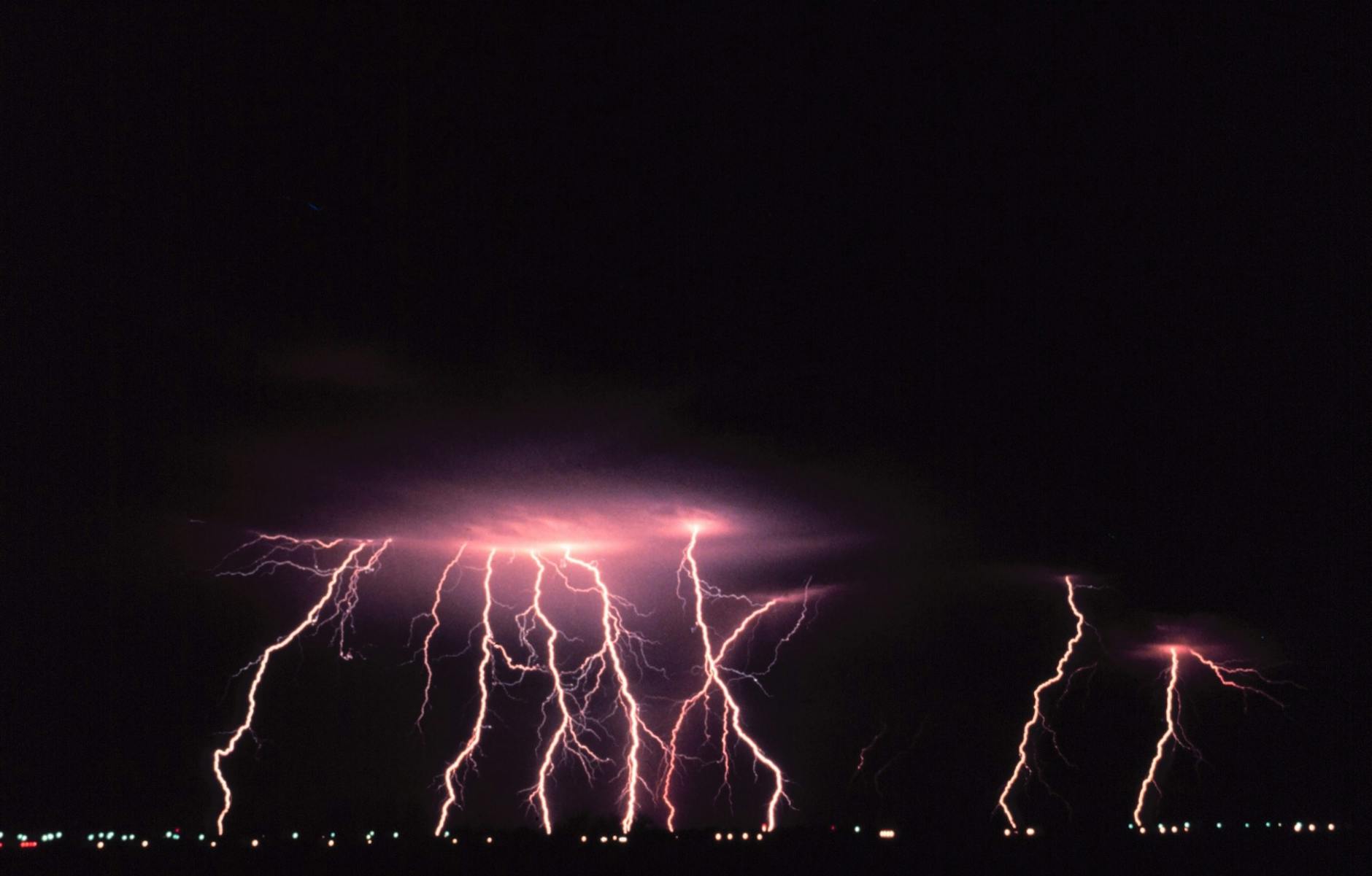
When a major hurricane makes landfall, wildfires cut off a neighborhood, or a winter ice storm knocks out the power grid, the first thing most people reach for is their phone. It is the tool they use to call family, access emergency alerts, navigate evacuation routes, and find shelter locations. Yet according to FEMA, fewer than half of American households have a documented emergency preparedness checklist, and even fewer have made any provisions for keeping their devices powered when the electrical grid fails. That gap between how much we rely on our phones and how little we plan to keep them alive in a crisis is, in many cases, a life-threatening oversight.
This guide walks you through exactly how to prepare for emergency scenarios: what to pack, how to keep your devices charged during a power outage, which apps to pre-download, how to build an evacuation go-bag, and how to establish a family communication plan that functions even when cell towers are overwhelmed.
Why Your Phone Is Your Number One Emergency Tool
In a true emergency, your smartphone does things no other single device can match. It receives Wireless Emergency Alerts (WEA) directly from the government — the same system that pushes tornado warnings, flash flood advisories, and AMBER alerts to your device automatically, even when your ringer is off. It connects you to 911. It lets you text a family member when voice calls fail due to network congestion. It can display offline maps, first aid instructions, and FEMA shelter locations without any internet connection, provided you have the right apps installed in advance.
During Hurricane Maria in Puerto Rico in 2017, many survivors reported that their biggest regret was not having a way to charge their phones once the grid went down for weeks. During the 2021 Texas winter storm, families with no power bank had no way to reach emergency services or verify the safety of relatives. The pattern repeats across every major disaster: communication breaks down not because phones are unavailable, but because they run out of power.
This is why every serious emergency preparedness checklist must treat power sources for mobile devices with the same weight as water and food. It is not a luxury item. It is infrastructure.
The 72-Hour Emergency Kit: A Complete Checklist
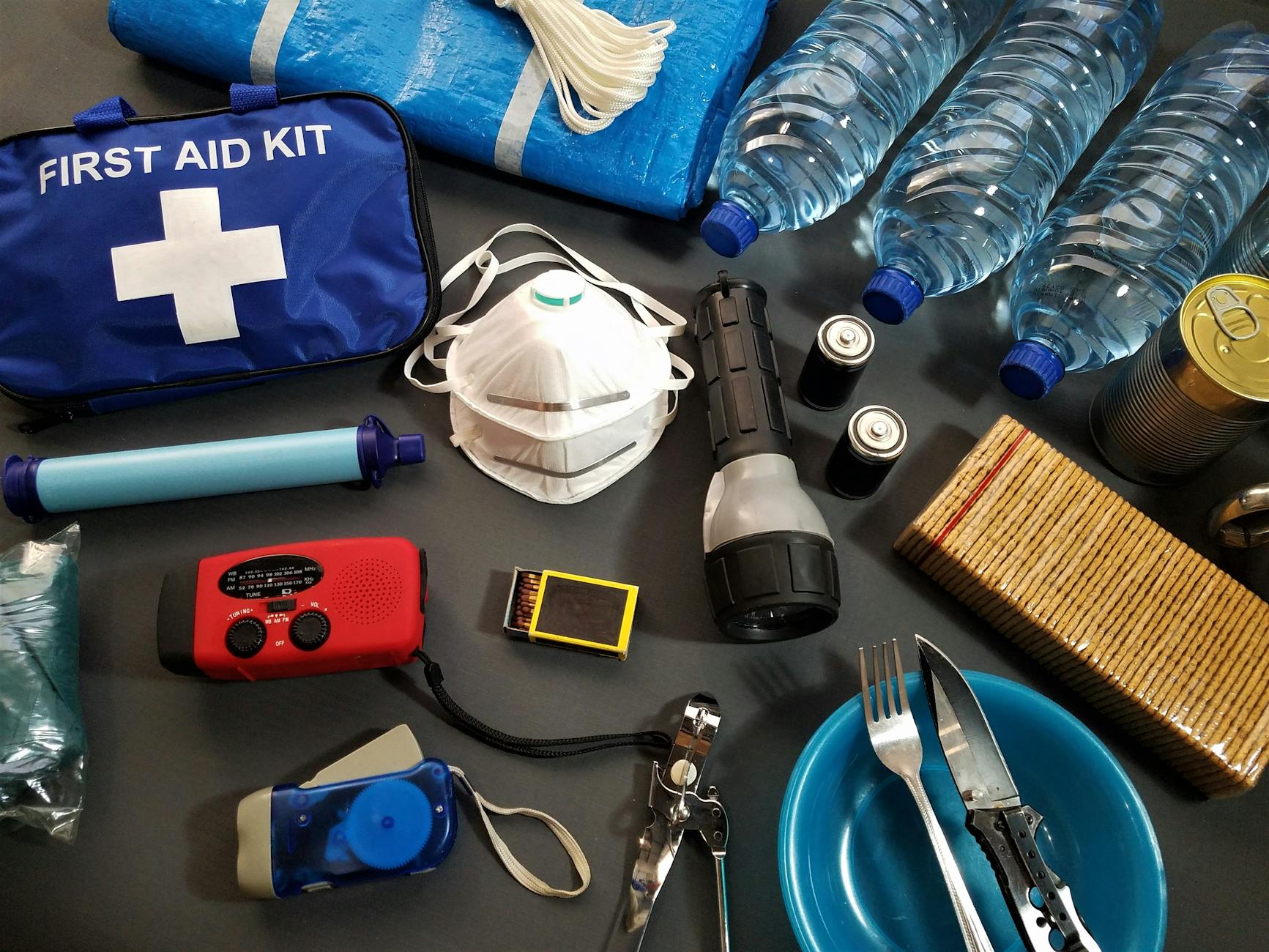
The standard guidance from FEMA and the Red Cross is that every household should be able to sustain itself independently for at least 72 hours — three full days — following a disaster. This is the baseline before assuming outside assistance will arrive. Here is what a complete 72 hour emergency kit should contain.
Water
- One gallon of water per person per day (three gallons per person minimum)
- Water purification tablets or a portable filtration straw as backup
- A dedicated water storage container separate from your regular household supply
Food
- Non-perishable, calorie-dense food for three days per person
- Manual can opener
- High-energy snacks: nuts, dried fruit, energy bars
- Any prescription dietary items or infant formula
Medical and First Aid
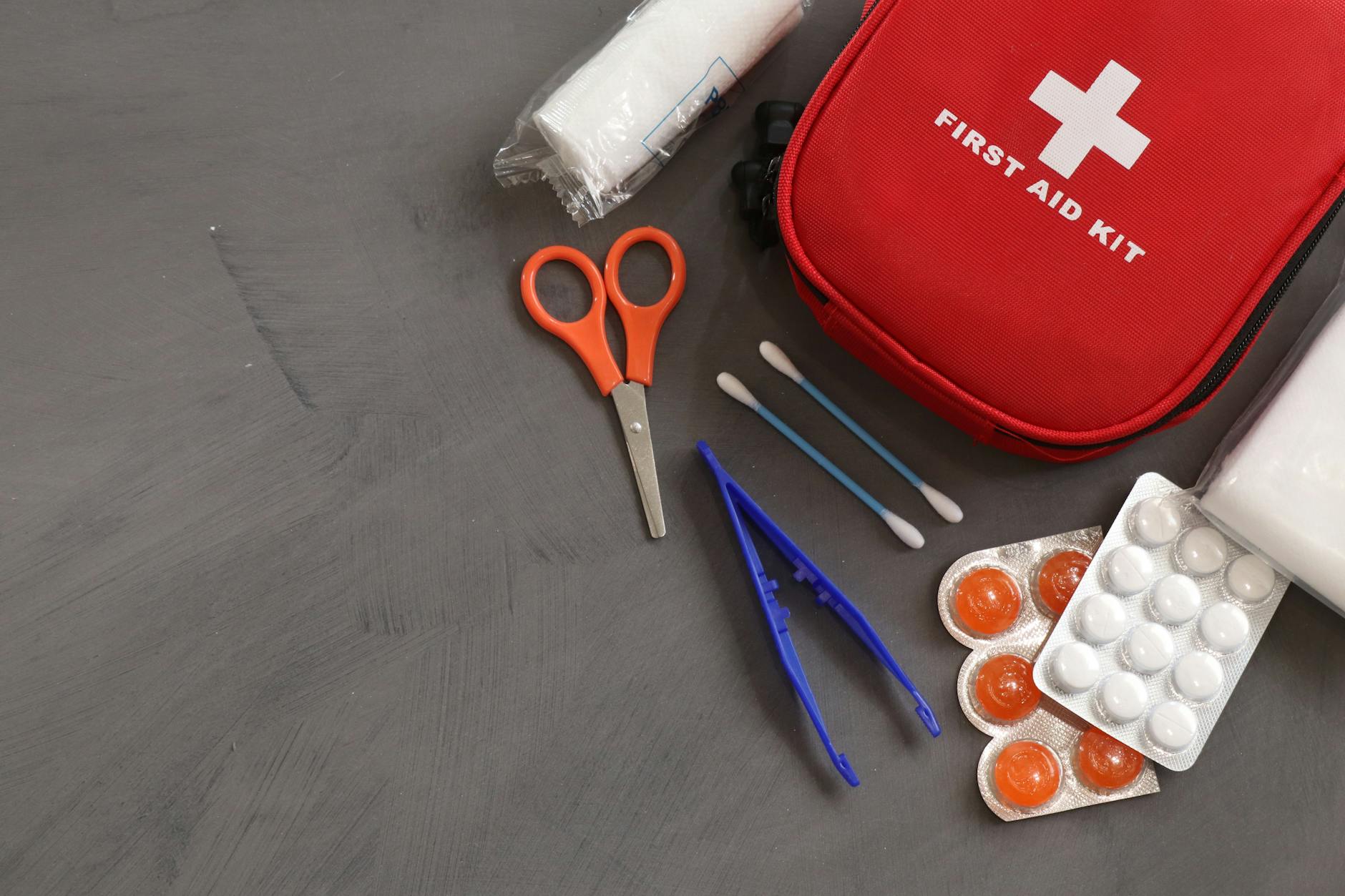
- Fully stocked first aid kit (bandages, antiseptic wipes, gauze, medical tape)
- Seven-day supply of all prescription medications
- Over-the-counter pain relievers, antihistamines, antidiarrheal medication
- Extra eyeglasses or contact lens supplies
- Any medical devices (blood pressure monitors, glucose meters) with extra batteries
Documents and Cash
- Photocopies of ID, passport, insurance cards, and medical records in a waterproof bag
- USB drive with scanned digital copies of key documents
- Small amount of cash in small bills (ATMs and card readers fail without power)
Tools and Safety
- Flashlight with extra batteries (or a hand-crank model)
- Battery-powered or hand-crank NOAA weather radio
- Multi-tool or Swiss army knife
- Duct tape, plastic sheeting, and work gloves
- Emergency whistle
- Dust masks or N95 respirators
- Sanitation supplies: hand sanitizer, moist towelettes, garbage bags
- Warm blankets or emergency mylar blankets
Communication and Power
- Fully charged portable power bank (10,000 mAh or higher)
- Solar charging panel as a secondary option
- Car charger adapter for your phone
- Charging cables for every device your family relies on
- Written list of critical phone numbers (you cannot rely on memory or a dead phone)
- NOAA weather radio with battery backup
Communication Readiness: Keeping Devices Charged in Emergencies
Power outage phone charging is one of the most underestimated challenges in emergency scenarios. The modern smartphone has a battery life of roughly one to two days under normal use. In an emergency, where you are receiving alerts, making calls, using GPS navigation, and streaming emergency broadcasts, that number drops dramatically. A device under heavy emergency use can deplete in four to six hours.
Here is how to plan ahead.
Portable Battery Banks
A portable battery bank — also called a power bank — is the single most effective solution for keeping your phone alive when there is no access to wall outlets. These are compact lithium-ion batteries that store charge from the grid when power is available and release it to your devices when you need it.
For emergency preparedness purposes, capacity matters. Consumer-grade power banks range from 5,000 mAh (enough for roughly one full phone charge) to 30,000 mAh or more. For a family emergency kit, a 10,000 mAh bank is the practical minimum — it provides two to three full charges for a modern smartphone. If your household has multiple devices (phones, tablets, hearing aids, medical devices), aim for 20,000 mAh or higher, or keep multiple banks in your kit.
Key features to prioritize for emergency use:
- Multiple output ports — charge more than one device simultaneously
- USB-C and USB-A outputs — covers both newer and older devices
- Pass-through charging — can charge the bank and a device at the same time
- Durable, water-resistant casing — emergency conditions are not gentle
- LED charge indicator — lets you assess remaining capacity without a phone
One critical maintenance habit: charge your power bank to full and test it quarterly. Lithium-ion batteries lose capacity if left fully discharged for extended periods. Make it part of your seasonal emergency kit review — every three months, charge everything, test everything, and rotate any consumables that are approaching expiration.
Solar Chargers
Solar charging panels are a compelling secondary option for extended outages, but they come with important limitations that make them unsuitable as a primary solution. Solar panels require direct, unobstructed sunlight to generate meaningful charge. During a winter storm, wildfire smoke event, or prolonged overcast weather — exactly the conditions during many major disasters — a solar panel may produce little to no usable power. They are also slower than a battery bank by a significant margin; most consumer solar panels generate 5 to 20 watts, which translates to a slow trickle charge even under ideal conditions.
That said, a compact foldable solar panel is an excellent complement to a battery bank for scenarios involving extended grid-down situations lasting more than three days. Think of the battery bank as your immediate power source and the solar panel as your recharging mechanism when you have the sunlight and the time.
Car Charging as a Backup
If you have a vehicle with fuel, the 12-volt outlet (or USB ports in newer models) becomes a viable charging source even when the grid is down. A car charger adapter for your phone costs very little and should be in every emergency go bag. Keep your vehicle's gas tank above the halfway mark as a general preparedness habit — fuel becomes scarce quickly during evacuations.
Power Outage Survival: The First 24 Hours

The first 24 hours of a power outage are the most critical for decision-making. Here is a priority sequence for how to prepare for emergency conditions once the power goes out.
- Enable low power mode on your phone immediately. This single action can extend battery life by 30 to 50 percent. Reduce screen brightness, disable background app refresh, turn off Wi-Fi and Bluetooth if not needed.
- Switch to airplane mode when not actively communicating. Searching for a cellular signal is one of the most power-intensive tasks your phone performs. If you only need to check alerts periodically, airplane mode preserves significant battery.
- Plug into your power bank before your phone drops below 50 percent. Do not wait until the battery is nearly dead. Maintaining a charge between 20 and 80 percent is also better for battery health over the long term.
- Do not open your refrigerator unnecessarily. A closed refrigerator maintains safe food temperatures for approximately four hours. A full, closed freezer maintains safe temperatures for 48 hours. Limit door openings to preserve the cold.
- Tune in to your NOAA weather radio for official emergency broadcasts rather than streaming on your phone, which drains battery faster.
Emergency Apps You Need Downloaded Now
The key word is "now" — before a disaster strikes. Many emergency apps require an internet connection to download and set up. If you wait until the power is out and cell towers are congested, you may not be able to access them at all. Download, configure, and test these apps while you have full connectivity.
Essential Apps for Every Household
- FEMA App — Official FEMA application with real-time alerts, shelter locator, and offline first aid tips. Available for iOS and Android, free.
- Red Cross Emergency App — Covers hurricanes, earthquakes, tornadoes, wildfires, and more with step-by-step safety checklists. Includes a "I'm Safe" feature to notify family.
- Google Maps (offline maps) — Download your region's offline map in advance. In an emergency, GPS navigation works without a data connection when the offline map is cached.
- Weather.gov or your local NWS app — Official National Weather Service forecasts and alerts.
- Zello — Turns your phone into a walkie-talkie over Wi-Fi or cellular, useful when voice call networks are overloaded. Widely used during hurricane evacuations.
- First Aid by Red Cross — Step-by-step emergency medical guidance that works fully offline.
- Signal — Encrypted messaging app that works more reliably during network congestion than standard SMS in some scenarios, and supports offline mesh communication features in newer versions.
After downloading each app, spend five minutes learning how it works. Set up your profile, grant necessary permissions, and download any offline content. An app you have never opened before is far less useful in a stressful emergency.
Evacuation Go-Bag Essentials
An evacuation go-bag — sometimes called a "bug-out bag" — is a pre-packed bag you can grab in under two minutes and carry out the door if authorities issue a mandatory evacuation order. This is distinct from your home emergency kit, which may be too large or heavy to carry on foot.
Your emergency go bag essentials should be packed in a durable backpack and stored near your main exit. Every member of the household old enough to carry one should have their own, sized appropriately. Here is what goes inside:
- Water (at minimum 24 ounces per person; water purification tablets to source more)
- High-calorie food for 72 hours (energy bars, jerky, trail mix)
- Compact first aid kit
- Three-day supply of medications in original labeled containers
- Copies of important documents in a waterproof bag
- Cash in small bills
- Fully charged portable power bank and charging cables
- Flashlight and extra batteries
- Emergency mylar blanket
- Change of clothes and sturdy closed-toe shoes
- Whistle for signaling
- Local paper map (GPS may be unreliable)
- Multi-tool
- N95 mask(s)
- For families with children: comfort items, games, formula if applicable
- For families with pets: food, leash, carrier, vaccination records
Review and refresh your go-bag every six months. Rotate food and water to keep them within expiration dates. Check that medications are current. Test your flashlight and power bank. Update your documents if anything has changed.
Family Emergency Plan and Communication Protocol
No amount of physical supplies compensates for a family that has no shared plan. A family emergency plan answers three critical questions before a disaster occurs: Where do we go? How do we reach each other? Who do we contact outside the area?
Step 1: Establish Meeting Points
Designate two meeting locations: one immediately outside your home (for a fire or sudden evacuation) and one outside your neighborhood (in case you cannot return home). Make sure every family member, including children, can describe these locations from memory.
Step 2: Identify an Out-of-Area Contact
During a localized disaster, local phone lines are often overloaded while long-distance calls get through more easily. Designate a single out-of-area contact — a relative or close friend in another state — who becomes the central hub. Every family member calls or texts that one person to report their status. That person relays information to everyone else. This dramatically reduces the number of calls needed and avoids everyone trying to reach everyone simultaneously.
Write this contact's phone number down on paper. Do not rely on finding it in your phone's contacts if your battery is dead.
Step 3: Know Your Alert Systems
Register for your local government's emergency notification system — most counties and cities operate one separately from the federal WEA system. Know the difference between a "Watch" (conditions are favorable for a hazard) and a "Warning" (a hazard is occurring or imminent). Sign up for text-based alerts if your jurisdiction offers them.
Step 4: Practice Annually
Walk through your emergency plan with your family at least once a year. Drive the evacuation route. Verify that your go-bag is fully stocked. Test your power bank. Confirm that everyone still knows the out-of-area contact number by heart. Treat it like a fire drill — low stakes now, life-saving later.
Key Takeaways: Your Emergency Preparedness Checklist
Emergencies do not wait for convenient timing. The families who fare best are not the ones with the most resources — they are the ones who planned ahead. To summarize everything covered in this guide, here is your final emergency preparedness checklist.
Before Any Disaster: Preparation Phase
- Build a 72-hour home emergency kit (water, food, first aid, documents, power)
- Pack a lightweight evacuation go-bag for each household member
- Download and configure FEMA App, Red Cross Emergency App, and offline Google Maps
- Identify two meeting points and one out-of-area contact
- Write all critical phone numbers on paper — do not rely on your phone's contacts
- Register for your local emergency alert system
- Charge your portable power bank to full and test it quarterly
- Keep your vehicle fuel tank above 50 percent at all times
When an Emergency Occurs: Immediate Actions
- Enable low power mode and reduce screen brightness immediately
- Plug your phone into your power bank before it drops below 50 percent
- Use airplane mode when not actively communicating to preserve battery
- Monitor your NOAA weather radio rather than streaming alerts on your phone
- Contact your out-of-area hub contact to report your status
- Follow official evacuation orders immediately — do not wait to see what happens
For Extended Outages (3+ Days)
- Use your solar panel during daylight hours to recharge your power bank
- Use your vehicle charger when traveling to keep devices topped up
- Prioritize device usage: emergency alerts and critical communication first
- Ration power bank capacity: one device at a time, charge in cycles
The lesson that repeats itself after every major disaster is simple: the people who wished they had prepared outnumber the people who wished they had not by an enormous margin. An emergency preparedness checklist completed today is the most cost-effective investment you can make in your family's safety. Start with what you have, add to your kit gradually, and make preparedness a habit rather than a reaction.
Your phone can guide rescuers to your location, connect you with family, and deliver life-saving information — but only if it has power. Make sure it does.