Credit Card Fraud Prevention: 12 Habits That Actually Keep Your Money Safe
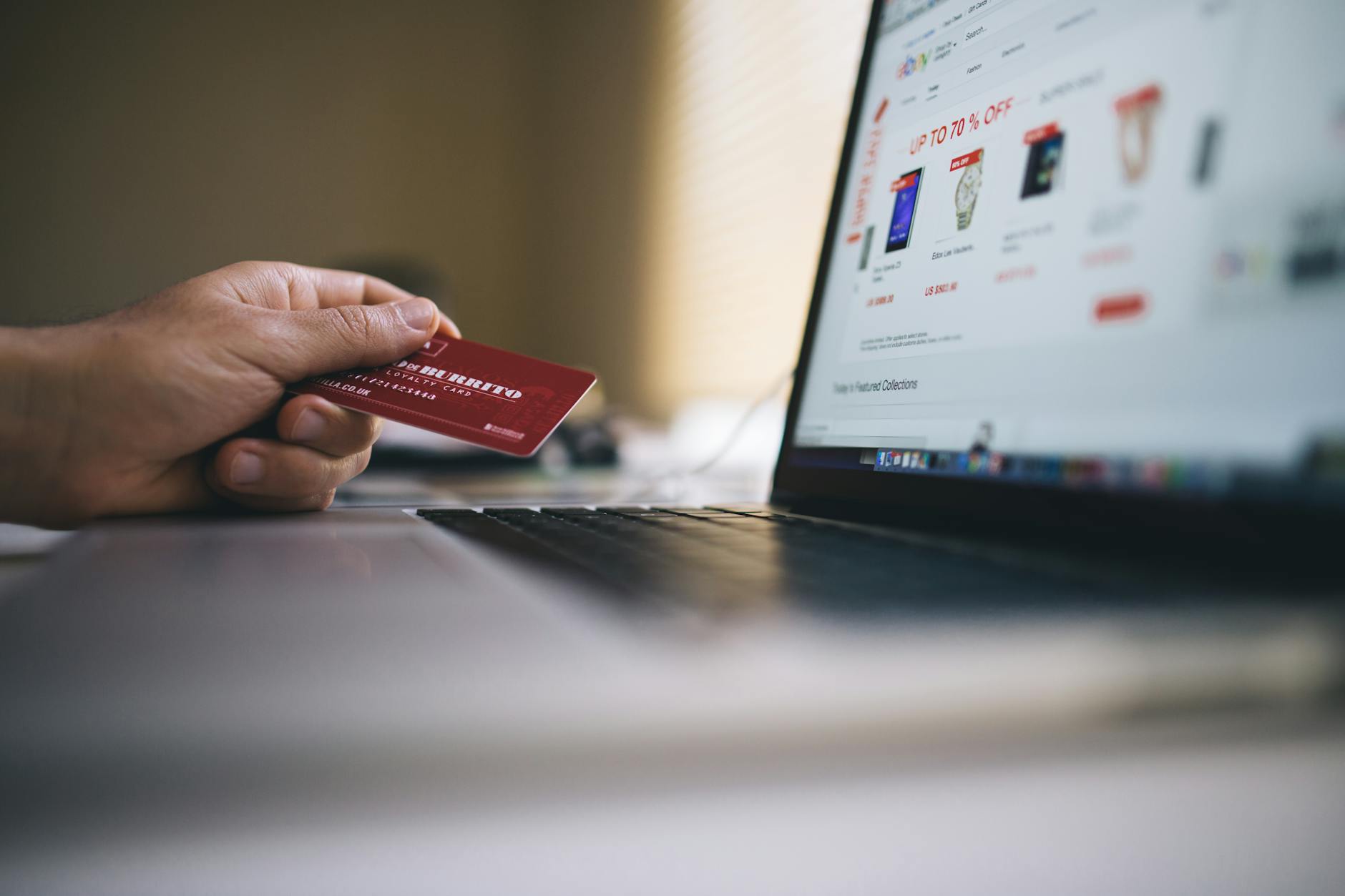
Credit card fraud prevention is no longer something only cautious people need to think about. In 2025 alone, consumers and financial institutions reported losses exceeding $10 billion to card fraud globally — and the methods criminals use grow more sophisticated every year. Whether you shop online daily, occasionally tap your card at a contactless terminal, or simply use an ATM once a week, your financial data is a constant target.
The good news is that most successful card fraud is preventable. The difference between victims and those who stay protected almost always comes down to a handful of consistent habits. This guide breaks down 12 concrete, actionable habits that security experts and financial institutions recommend — not vague advice, but specific behaviors you can adopt starting today to genuinely protect your credit card and your money.
Why Credit Card Fraud Is Still a Growing Problem
Before diving into the habits, it helps to understand the threat landscape. Card fraud takes many forms: physical theft, counterfeit card production from skimmed data, card-not-present fraud (where your number is used online without the physical card), account takeover attacks, and phishing schemes that trick you into handing over your credentials directly.
The shift to e-commerce has accelerated card-not-present fraud dramatically. When you hand your card to a waiter, tap at a terminal, or type your number into a website, each interaction carries a different risk profile. Understanding that helps you apply the right habit at the right moment.

The 12 Habits That Actually Protect Your Credit Card
Habit 1: Review Your Statements Every Single Week
The single most effective form of credit card fraud prevention is catching unauthorized charges fast. Most people review statements monthly — but fraudsters count on that delay. A weekly five-minute check of your transaction history means a fraudulent charge gets flagged within days rather than weeks, long before the dispute window closes. Set a recurring calendar reminder, open your bank's app every Monday morning, and scan for anything unfamiliar. Small "test charges" of $1 or $2 are a classic early warning sign that criminals use to verify a stolen card number before making larger purchases.
Habit 2: Enable Real-Time Transaction Alerts
Every major card issuer now offers push notifications or SMS alerts for transactions. Turn them on — all of them, not just alerts over a certain dollar amount. Fraudsters often start with small purchases to test a card. If your bank only sends an alert for charges over $50, a $3.99 "test charge" will slip through unnoticed. Real-time alerts give you an instant heads-up the moment your card is used anywhere, so you can react within minutes rather than weeks.
Habit 3: Use Virtual Card Numbers for Online Shopping
Many banks and fintech platforms (including Capital One's Eno, Citi's Virtual Account Numbers, and third-party tools like Privacy.com) allow you to generate a one-time or merchant-locked virtual card number tied to your real account. When you use a virtual number at an online retailer, even if that retailer suffers a data breach, the exposed number cannot be reused anywhere else. This is one of the most underused yet powerful tools available to anyone who wants to protect their credit card in online environments.
Habit 4: Create Strong, Unique Passwords for Every Financial Account
Account takeover fraud — where criminals log into your bank or card portal directly — surged by over 30% in recent years. It almost always starts with reused or weak passwords. Your bank, card issuer, and any site that stores your payment details should each have a unique, complex password that you don't use anywhere else. A password manager (such as Bitwarden, 1Password, or Dashlane) makes this effortless. It stores and autofills credentials, so "unique password for every site" stops being an inconvenience and becomes the default.
Habit 5: Always Enable Two-Factor Authentication
Even a compromised password becomes useless to a criminal if your account requires a second verification step. Enable two-factor authentication (2FA) on every financial account that offers it. An authenticator app (Google Authenticator, Authy) is more secure than SMS codes — SIM-swapping attacks can intercept text messages, but authenticator app codes cannot be intercepted remotely. This single habit blocks the vast majority of account takeover attempts dead in their tracks.
Habit 6: Recognize and Avoid Phishing Attempts
Phishing — fraudulent emails, texts, or calls pretending to be your bank — remains the number one entry point for card fraud. The hallmarks of a phishing attempt include urgency ("Your account will be suspended in 24 hours"), requests to click a link and enter your credentials, and sender addresses or URLs that look almost-but-not-quite right. The rule is simple: never click a financial link in an unsolicited email or SMS. Instead, open a new browser tab and type your bank's URL directly, or call the number on the back of your card. Your bank will never ask for your full card number or PIN via email.
Habit 7: Inspect ATMs and Payment Terminals Before Use
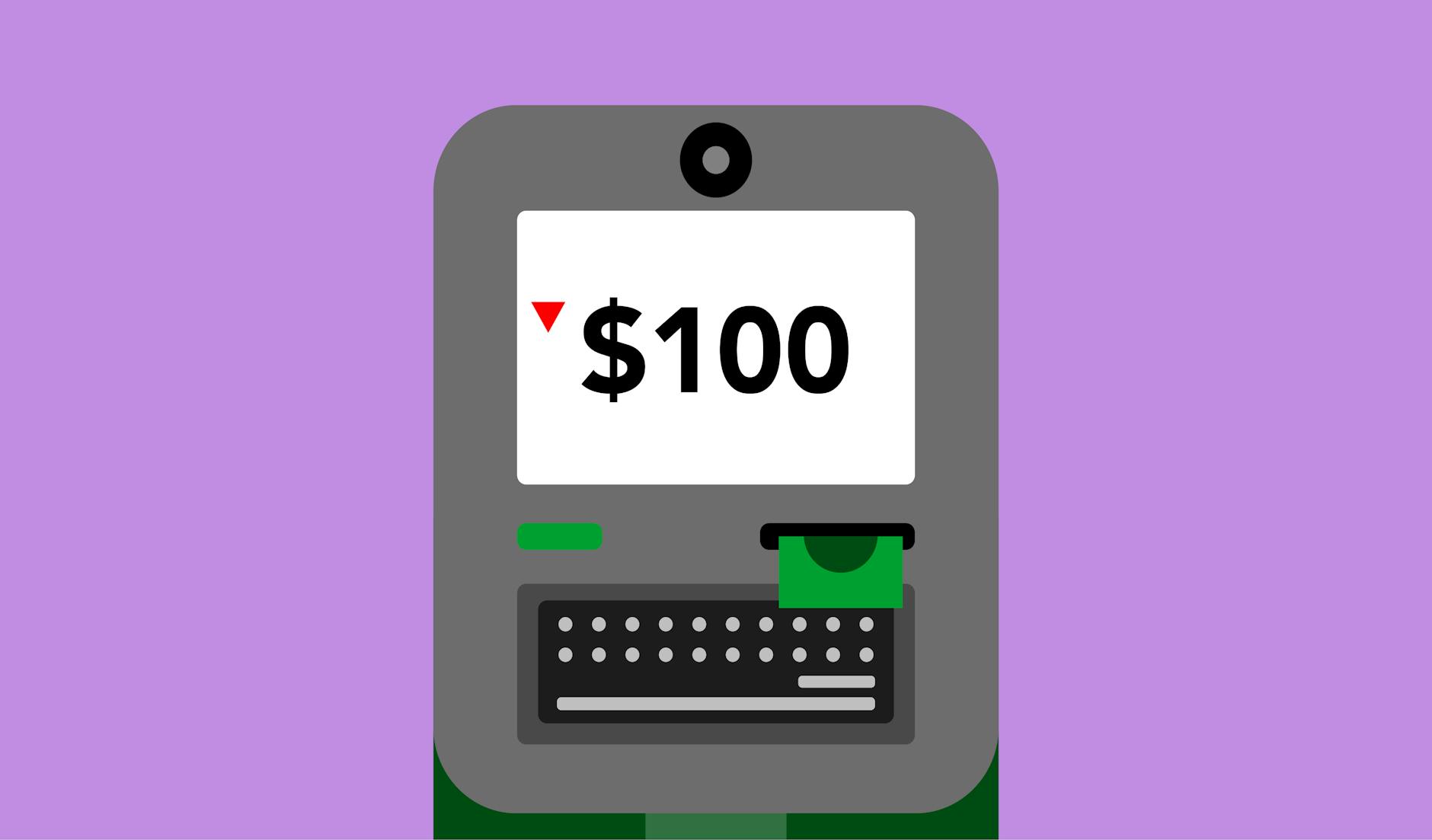
Card skimming prevention starts with a five-second physical inspection. Skimmers are devices criminals attach to ATM card slots or point-of-sale terminals to capture your card's magnetic stripe data. Before inserting your card, wiggle the card reader slot — it should be firmly attached with no movement. Look for anything that seems added on, misaligned, or a different color than the surrounding machine. On ATMs, check for a thin overlay on the keypad (used to capture your PIN). Covering the keypad with your other hand when entering your PIN is a simple habit that defeats even sophisticated skimmer setups.
Habit 8: Prefer Chip, Contactless, or Digital Wallet Payments Over Magnetic Stripe
The magnetic stripe on your card encodes your data in a static, easily cloned format. The EMV chip generates a unique transaction code every single time you pay, making copied data worthless to fraudsters. Contactless payments (tap-to-pay) and digital wallet security solutions like Apple Pay or Google Pay go even further — they use tokenization, which means your actual card number is never transmitted to the merchant at all. A unique, one-use token is sent instead. If that token is ever intercepted, it cannot be reused. Whenever possible, tap instead of swipe, and use your phone's digital wallet over handing over a physical card.
Habit 9: Only Shop on Secure, Verified Websites
When entering card details online, look for three things before proceeding: (1) the URL begins with https:// — the "S" means the connection is encrypted; (2) the padlock icon appears in the browser address bar; (3) the domain name is exactly correct, not a lookalike (e.g., "amaz0n.com" instead of "amazon.com"). Avoid entering card details on any public Wi-Fi network without a VPN, since unsecured networks can expose your data to anyone on the same connection. A reputable VPN encrypts your traffic end-to-end, adding a meaningful layer of protection when you're shopping away from home.
Habit 10: Freeze Your Credit When You're Not Actively Applying
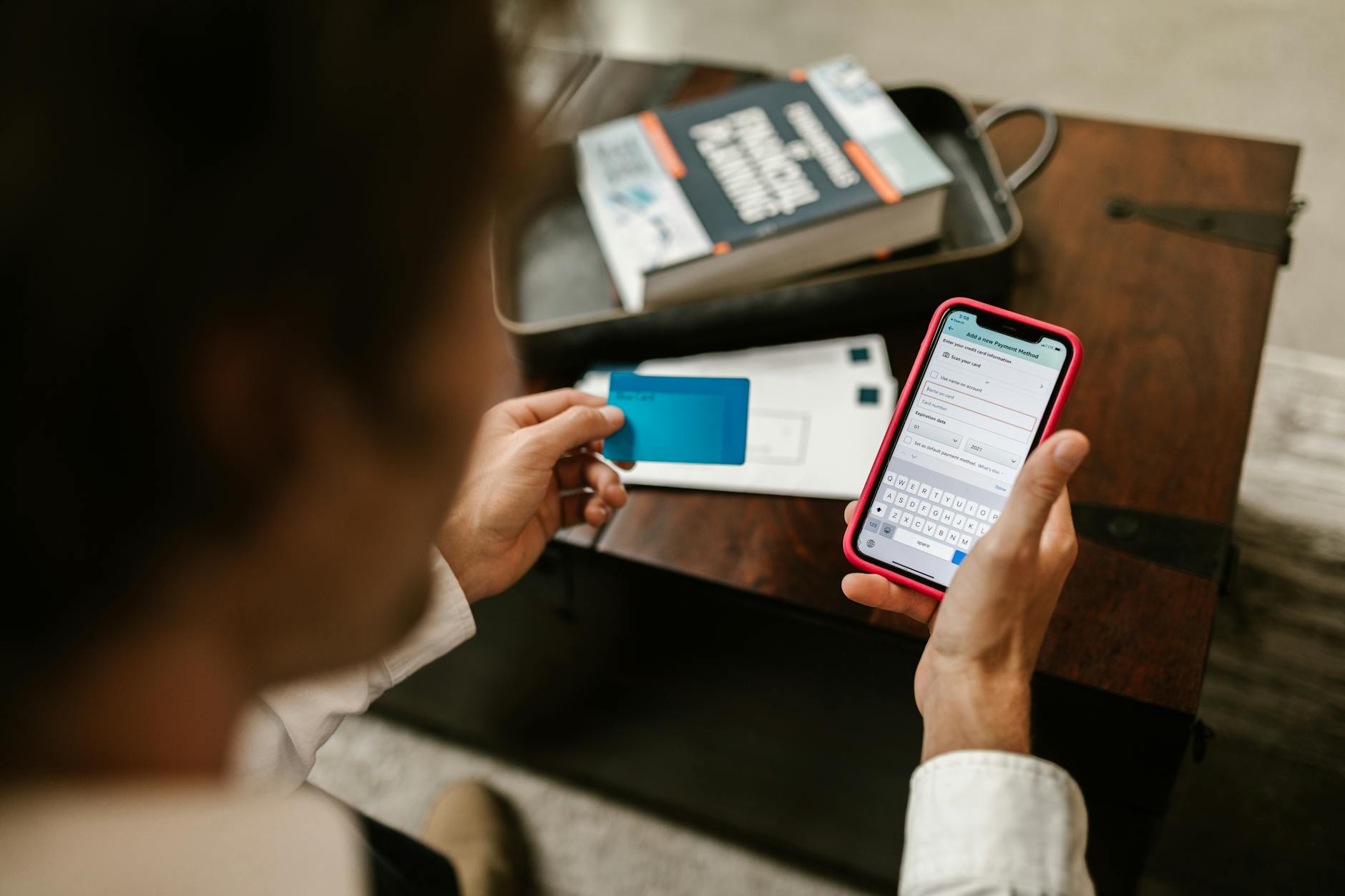
A credit freeze (also called a security freeze) prevents anyone — including identity thieves — from opening new lines of credit in your name. It's free to place and lift at all three major bureaus (Equifax, Experian, and TransUnion), and it does not affect your credit score. Most people only need to lift the freeze temporarily when applying for a new card or loan, which takes only a few minutes online. If your Social Security number or personal data has ever been part of a breach (and statistically, it has), a credit freeze is the most powerful safeguard against new-account fraud available to everyday consumers.
Habit 11: Be Cautious With Card Storage in Apps and Browsers
Saving your card details in a browser or app is convenient, but it also means those details are a target if the device or account is compromised. For frequently used, trusted services (your main grocery delivery app, for example), saved cards are a reasonable convenience tradeoff. For one-time purchases at unfamiliar retailers, always enter the card manually and do not save it. Periodically audit the "saved payment methods" sections of your browsers (Chrome, Safari, Firefox all store these) and remove cards from any service you no longer actively use.
Habit 12: Know How to Report Fraud Immediately — Before It Happens
One of the most overlooked aspects of how to prevent credit card fraud from compounding is knowing your issuer's fraud reporting process before you ever need it. Find the fraud reporting number on the back of each of your cards right now and save it in your phone's contacts. Under the Fair Credit Billing Act (FCBA) in the US, your liability for unauthorized credit card charges is capped at $50 — and most issuers offer $0 liability policies — but only if you report promptly. The faster you report, the faster the card is frozen, the faster a new card is issued, and the less opportunity the fraudster has to run up charges. Speed is everything.
Building These Habits Into Your Routine
Reading a list of 12 habits is easy. Adopting them consistently is where most people fall short. The most effective approach is to tackle them in tiers rather than all at once.
Do these today (takes under 30 minutes total): Enable transaction alerts on every card, turn on 2FA for your bank and card portals, and save your issuers' fraud hotline numbers in your contacts. These three actions alone close off the most common attack vectors.
Do these this week: Set up a password manager and update your financial account passwords to unique, strong ones. Initiate a credit freeze at all three bureaus. Check your card's app or website to see if virtual card numbers are available to you.
Ongoing habits: Weekly statement reviews, HTTPS checks before every online purchase, and the five-second ATM inspection before every use. These only take seconds each time, but become automatic after a few repetitions.
Frequently Asked Questions About Credit Card Fraud Prevention
Final Verdict
Credit card fraud prevention does not require expensive software, specialized knowledge, or paranoia. It requires a small set of consistent habits applied at the right moments — and most of those habits take under a minute each time. The biggest predictor of whether someone becomes a fraud victim is not bad luck; it is whether they have built the reflexes to check, verify, inspect, and respond quickly.
Start with the three quick wins today: transaction alerts on every card, 2FA on every financial account, and the fraud hotline numbers saved in your phone. Add the rest progressively over the coming week. Once these habits are in place, you will have closed off the overwhelming majority of the pathways fraudsters rely on — and you will catch the rare exceptions fast enough to limit any damage to near zero.
Financial security is not about being impenetrable. It is about being enough of an inconvenient target that criminals move on to easier opportunities. These 12 habits make you exactly that.