Coffee Drinker's Guide to Whiter Teeth: How to Enjoy Coffee Without Staining

If you drink coffee every day, you already know the trade-off: that first cup in the morning feels non-negotiable, but over time your teeth seem to get a little less bright no matter how often you brush. Learning how to prevent coffee stains on teeth is one of the most practical things you can do for your smile — and the good news is that a few small habit changes can make a measurable difference without giving up coffee entirely.
This guide covers exactly how coffee stains form at the molecular level, which habits work best to stop them before they set, and what to do when you need to reverse staining that's already built up. No gimmicks — just evidence-based strategies that real coffee drinkers can actually stick to.
Why Coffee Stains Your Teeth: Tannins and Acid Explained
Coffee stains teeth through two separate but reinforcing mechanisms: tannins and acidity.
Tannins are a class of polyphenol compounds found in coffee (as well as tea, red wine, and dark berries). They have a strong chemical affinity for proteins — and your tooth enamel, despite being the hardest substance in the human body, has a thin outer layer called the pellicle that is protein-rich. When tannins contact this pellicle, they bind to it readily, depositing a yellow-to-brown chromogen (color molecule) that accumulates with each cup you drink.
Acidity compounds the problem significantly. Coffee typically has a pH of around 4.5 to 5.5, which is meaningfully acidic. When acidic liquid contacts your enamel, it temporarily softens the outer surface through a process called demineralization. During that window — which lasts roughly 20 to 30 minutes after you drink — your enamel is more porous than usual, and tannin molecules can penetrate more deeply into the surface layer rather than sitting on top of it. The result is that staining from coffee isn't just surface-level discoloration that wipes off; it can embed itself into the microscopic structure of the enamel itself.
This is why coffee is consistently ranked near the top of drinks that stain teeth, alongside black tea, red wine, and dark sodas. It combines two staining mechanisms that work in tandem, and most people drink it daily for years.

Does Coffee Stain Teeth Permanently? Surface vs. Intrinsic Stains
This is one of the most common questions coffee drinkers ask, and the answer depends on the type of staining involved.
Extrinsic stains form on the outer surface of the tooth and in the pellicle layer. These are the stains you accumulate day to day, and they are fully reversible with the right whitening approach. Professional cleanings, whitening toothpastes with mild abrasives, and peroxide-based whitening treatments can all reach and remove extrinsic coffee staining.
Intrinsic stains occur deeper within the dentin layer beneath the enamel. These can develop when staining compounds penetrate through micro-cracks in enamel over many years, or when the dentin itself darkens due to age. Intrinsic stains are harder to address with over-the-counter products and may require professional-grade whitening or dental veneers to fully correct.
The practical takeaway: coffee stains are not permanent in the majority of cases, especially for people who have been drinking coffee for fewer than ten years and who maintain reasonable oral hygiene. The earlier you build prevention habits, the less likely you are to develop staining that's difficult to reverse. For long-term heavy coffee drinkers, a periodic whitening treatment can serve as a "reset" that returns teeth to their baseline brightness — more on that later in this guide.
7 Daily Habits That Prevent Coffee Staining
These habits are ranked roughly from most to least impactful. You don't need to implement all seven at once — even two or three will produce a noticeable difference over time.
1. Drink coffee in a single, condensed session rather than sipping throughout the day. Every time you take a sip, you re-expose your teeth to tannins and acid, restarting the demineralization window. Drinking your coffee over 15 to 20 minutes is far better for your enamel than nursing a cup for two hours.
2. Use a straw. This sounds simple because it is. A straw — whether reusable metal, glass, or silicone — routes liquid past most of your front teeth. Research consistently shows that straw use substantially reduces contact time between pigmented beverages and the labial surfaces of teeth. It works best for iced coffee but can be used with any temperature you find comfortable.
3. Rinse with water immediately after finishing your coffee. Swishing with plain water for 20 to 30 seconds after your last sip does two things: it mechanically dislodges tannin molecules before they have time to bind firmly, and it raises the pH in your mouth, helping to end the acid demineralization window faster. This single habit is free, takes under a minute, and makes a real difference in coffee teeth staining prevention.
4. Avoid adding sugar. Sugars feed acid-producing bacteria in your mouth, extending the period of low pH after you finish your drink. Black coffee, or coffee with unsweetened milk alternatives, causes less downstream enamel erosion than sweetened versions.
5. Choose lighter roasts when possible. Counter-intuitively, lighter roasts tend to be slightly less staining than very dark roasts because they contain somewhat lower concentrations of certain chromogenic compounds. Cold brew, while acidic, may also be gentler on enamel than hot-brewed coffee because the brewing process produces lower acidity overall.
6. Eat a small snack before or alongside your coffee. Food — particularly crunchy vegetables or cheese — stimulates saliva production, which is your mouth's natural buffering and remineralization system. Saliva neutralizes acid, washes away pigment molecules, and helps re-deposit calcium and phosphate back into softened enamel. Drinking coffee on a completely empty stomach with no subsequent food leaves your mouth in an acidic state for longer.
7. Don't brush immediately after coffee. This one surprises many people, but it is backed by consistent dental research. See the section below for a full explanation.
The "Wait 30 Minutes Before Brushing" Rule Explained
Brushing your teeth right after coffee feels like the logical thing to do — you're washing away the staining compounds before they can set. In reality, brushing too soon after consuming anything acidic actively damages your enamel.
Here's why: as noted above, the acid in coffee temporarily softens the outer enamel surface through demineralization. The enamel is structurally weakened during this window — not by a large amount, but enough that the mechanical abrasion of a toothbrush can scratch or erode the softened surface more than it would in a neutral state. Rather than cleaning your teeth, you're abrading slightly compromised enamel.
The standard dental guidance is to wait at least 30 minutes after consuming acidic foods or beverages before brushing. During that window, your saliva naturally re-neutralizes the pH in your mouth and begins remineralizing the enamel surface. If you're concerned about staining in the interim, rinsing with water immediately after coffee is the correct response — not brushing.
If your morning schedule requires brushing before coffee (which is actually a reasonable option), brushing before you drink means your teeth are clean going in, and the fluoride from your toothpaste provides a modest barrier. Then rinse with water after your coffee and brush again in the evening as usual.
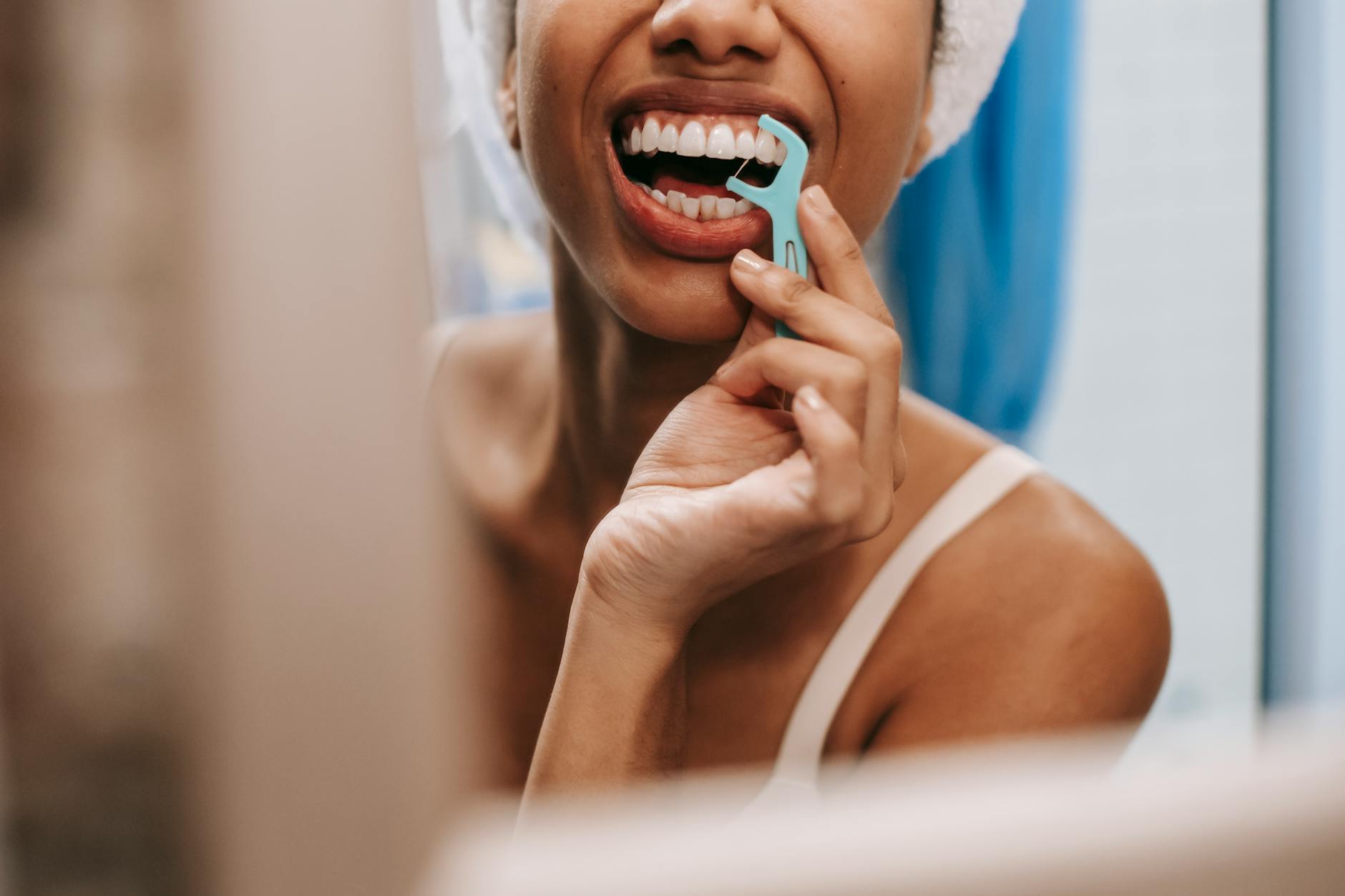
Whitening Toothpastes: Do They Actually Work on Coffee Stains?
Whitening toothpastes are the most accessible tool most coffee drinkers reach for first. They can work — but the mechanism and the realistic results are different from what the marketing often implies.
Most whitening toothpastes work through one or both of these approaches:
- Mild abrasives (such as hydrated silica, calcium carbonate, or alumina) that physically polish away surface stains with each brushing. These are effective at removing extrinsic coffee staining from the outer enamel surface and pellicle layer.
- Chemical whitening agents such as hydrogen peroxide or carbamide peroxide in low concentrations, which break apart chromogen molecules. The concentrations in toothpaste are typically far lower than in dedicated whitening treatments, so the effect is real but gradual.
The honest assessment: a quality whitening toothpaste used consistently will help maintain your teeth against ongoing coffee staining, and will gradually reduce mild extrinsic staining that has accumulated. It is not powerful enough to visibly reverse staining that has built up over years of heavy coffee drinking. For that, you need a more targeted whitening approach.
One caution: highly abrasive whitening toothpastes used twice daily over extended periods can contribute to enamel wear, particularly if you also brush too vigorously. Look for products with a Relative Dentin Abrasivity (RDA) score below 150, which is the threshold the American Dental Association considers safe for daily use.
When You Need a Whitening Treatment to Reset Coffee Staining
Prevention habits are most effective when started early or used consistently to maintain results. But if you've been drinking coffee daily for several years without a targeted whitening routine, you've likely accumulated extrinsic staining that daily brushing alone won't fully address. In that case, a whitening treatment serves as a baseline reset — returning your teeth closer to their natural shade so that your maintenance habits can then keep them there.
The main options ranked by effectiveness for coffee-specific staining:
Professional in-office whitening remains the fastest and most powerful option. A dentist applies a high-concentration peroxide gel (typically 25 to 40% hydrogen peroxide) often activated with a light or laser. A single session can remove years of coffee staining in about an hour. The main drawbacks are cost (typically $300 to $800 per session) and temporary tooth sensitivity.
Dentist-prescribed take-home trays use custom-fitted trays with professional-strength whitening gel worn for one to two hours daily over two to four weeks. These produce results close to in-office treatments at a somewhat lower cost, with the advantage that you have trays you can reuse for periodic touch-ups.
Over-the-counter whitening strips contain lower peroxide concentrations (typically 6 to 10% hydrogen peroxide) but can produce meaningful results for moderate coffee staining when used consistently over two to three weeks. They are the most accessible and affordable option for most people.
At-home whitening devices — including LED-accelerated gel trays and similar products — have become increasingly popular. These can be effective for extrinsic coffee stains when the whitening gel they use contains an adequate concentration of peroxide. The LED light itself does not whiten; it is the peroxide gel that does the active work.
After any whitening treatment, the prevention habits described in this guide become even more important. Freshly whitened teeth have temporarily more open pores in the enamel and are more susceptible to restaining in the 24 to 48 hours following treatment. Dentists often recommend a "white diet" — avoiding coffee, wine, and dark foods — for at least the first 24 hours post-whitening.
Best Foods to Neutralize Coffee Acidity in Your Mouth
What you eat alongside or after your coffee can directly influence how much staining occurs, primarily by raising your mouth's pH faster and stimulating the saliva production that protects enamel.
Dairy products are among the most effective. Milk, cheese, and plain yogurt contain casein proteins that actively bind to tannins in your mouth, reducing how many of those chromogens are available to bind to your tooth pellicle. Cheese in particular is highly alkaline and stimulates substantial saliva flow. This is one reason why adding milk to your coffee — beyond lightening its color — may modestly reduce its staining potential compared to black coffee.
Crunchy, fibrous vegetables such as celery, carrots, and cucumber act as mild mechanical cleansers. Their texture helps physically remove loose staining particles from tooth surfaces while chewing, and they require significant chewing that generates saliva.
Strawberries contain malic acid, which is a natural enamel brightening agent. While eating strawberries is not a substitute for a proper whitening routine, including them in your diet regularly contributes to a modest brightening effect. (Note: pure strawberry "hacks" involving rubbing strawberries on teeth and leaving the juice in contact for extended periods are not recommended — the acidity can cause net enamel harm if overdone.)
Water remains the simplest and most effective neutralizing agent. A glass of water after your coffee — or a thorough rinse — is genuinely one of the highest-leverage things you can do to limit staining. It costs nothing and can be done immediately.
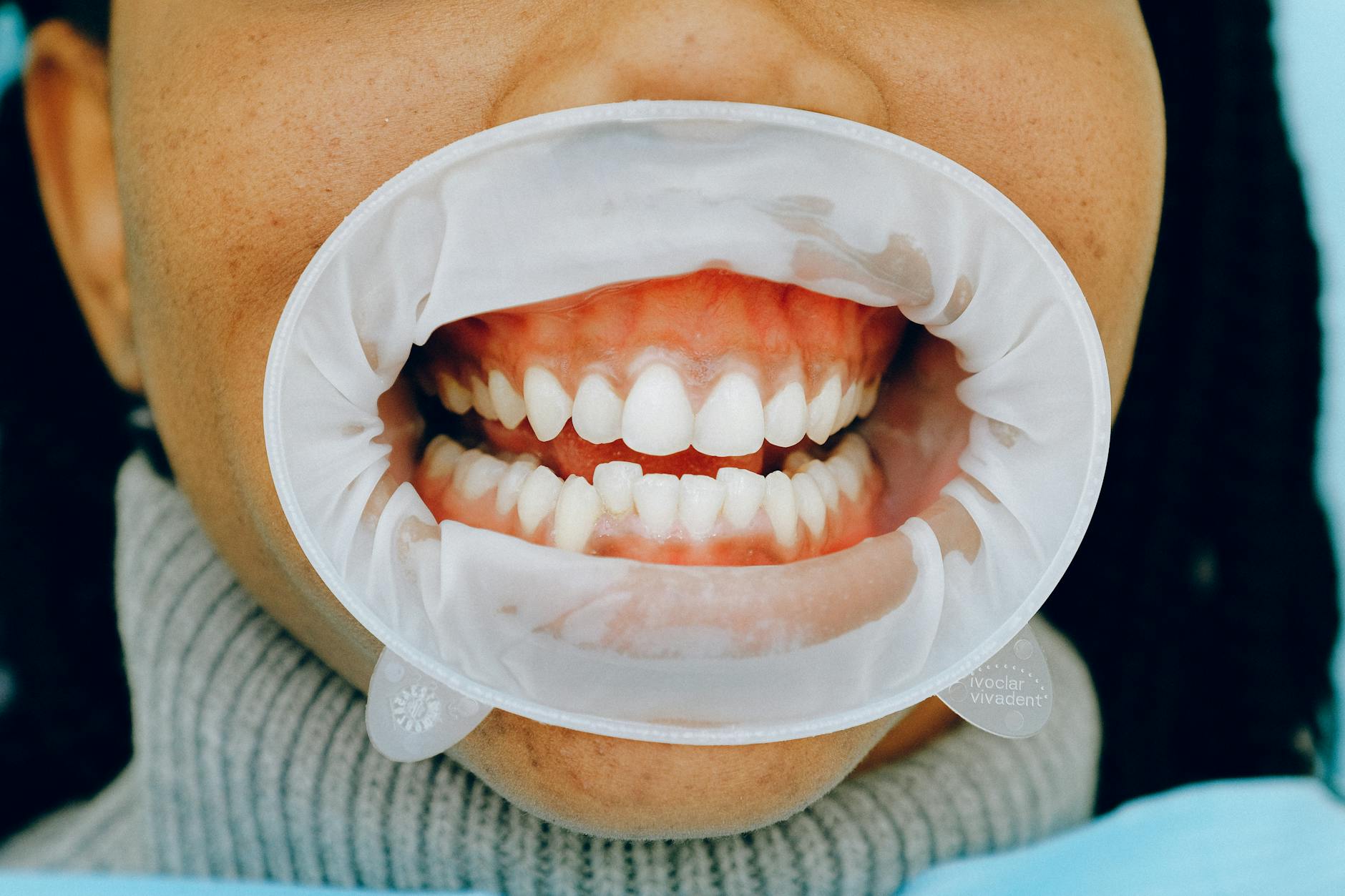
The Coffee Drinker's Weekly Teeth Maintenance Routine
Knowing what works is only half the battle. Consistency is what actually produces results over weeks and months. Here is a practical weekly framework for coffee drinkers who want to minimize staining without overhauling their life:
Daily (non-negotiable):
- Drink coffee in a single sitting rather than sipping all morning
- Rinse with water immediately after your last sip
- Wait at least 30 minutes after coffee before brushing
- Brush twice daily with a fluoride toothpaste — use a whitening formula if you prefer, with an RDA under 150
- Floss once daily; plaque at the gumline traps staining compounds and makes discoloration worse
Weekly:
- Use whitening strips or a whitening tray for one to two sessions during active stain-reversal phases (reduce frequency once you've reached your target shade)
- Oil pulling with coconut oil for 10 to 15 minutes once or twice per week — while evidence is limited, many people report it helps with surface stain maintenance and gum health
Monthly / Quarterly:
- Schedule professional cleanings at least twice per year; hygienists use ultrasonic and polishing tools that remove calcified staining deposits that home care cannot touch
- Reassess your whitening routine every two to three months — if you notice your teeth getting noticeably darker again despite daily habits, it may be time for a short whitening treatment course
The key insight is that how to prevent coffee stains on teeth is less about any single product or trick and more about building a consistent system. The habits described above are individually modest in effect. Combined and applied consistently, they compound meaningfully over time — most people who follow a routine like this can enjoy daily coffee and maintain noticeably brighter teeth than they had before.
Key Takeaways
- Coffee stains teeth through two mechanisms — tannins that bind to enamel proteins, and acidity that temporarily softens enamel and allows deeper pigment penetration.
- Most coffee staining is extrinsic (surface-level) and fully reversible with the right approach. Long-term staining can become harder to reverse but is rarely truly permanent.
- The highest-leverage daily habits are: drinking coffee in one session, rinsing with water immediately after, and waiting 30 minutes before brushing.
- Brushing immediately after coffee causes enamel abrasion on a temporarily softened surface — always rinse and wait.
- Whitening toothpastes maintain and gradually improve surface brightness but cannot reverse years of accumulated staining on their own.
- A periodic whitening treatment — from strips to professional in-office — serves as a reset that restores your baseline so prevention habits can keep you there.
- Dairy, crunchy vegetables, and water are your best dietary allies for neutralizing coffee's staining effects after each cup.
- Consistency over weeks and months is what actually produces and maintains results — no single hack replaces a reliable routine.