Chronic Stress and Inflammation: The Silent Link Damaging Your Body Long-Term

Most people accept stress as a normal part of modern life — the pressure of work deadlines, financial worries, family responsibilities, and the relentless pace of always being connected. But what if that low-grade, persistent tension you feel every day is quietly damaging your body at a cellular level? The science of chronic stress inflammation reveals a troubling reality: prolonged psychological stress does not just affect your mood. It rewires your immune system, floods your tissues with inflammatory signals, and sets the stage for diseases that can take years — even decades — to surface.
If you are over 35 and have ever wondered why you feel run-down despite eating reasonably well, or why your body seems to recover more slowly from illness or injury, the answer may be rooted in your stress response. Understanding the biological link between stress and the immune system is no longer just academic — it is one of the most important things you can do for your long-term health.
What Is Inflammation, and Why Does It Matter?
Before exploring how stress drives inflammation, it helps to understand what inflammation actually is. Inflammation is one of the body's oldest and most essential defense mechanisms. When you sprain an ankle, cut your finger, or catch a cold, your immune system deploys a rapid-response team: white blood cells rush to the affected area, blood vessels dilate to increase flow, and pro-inflammatory molecules called cytokines are released to coordinate the repair process. The result — redness, swelling, warmth, and pain — is uncomfortable but purposeful. This is acute inflammation, and it is a sign that your body is working exactly as it should.
Chronic inflammation is an entirely different phenomenon. It is a state in which the inflammatory response never fully switches off. Instead of flaring briefly in response to a specific threat and then resolving, the immune system remains in a low-level state of alert indefinitely. There is no visible swelling, no obvious injury. You may feel vaguely tired, foggy, or achy without a clear explanation. Yet inside, pro-inflammatory cytokines like interleukin-6 (IL-6), tumor necrosis factor-alpha (TNF-α), and C-reactive protein (CRP) are circulating at chronically elevated levels — silently damaging blood vessels, eroding joint tissue, impairing brain function, and accelerating cellular aging.
Research has established chronic inflammation as a core driver of cardiovascular disease, type 2 diabetes, autoimmune disorders, neurodegenerative conditions like Alzheimer's disease, and several cancers. Understanding the causes of inflammation is therefore not a matter of curiosity — it is a matter of survival.

The Stress Response: A System Built for Sprints, Not Marathons
To understand how stress causes chronic inflammation, you need to understand how the human stress response was designed to work — and why modern life has broken it.
When your brain perceives a threat — a predator in ancestral terms, or a tense meeting with your boss today — the hypothalamus triggers a cascade known as the hypothalamic-pituitary-adrenal (HPA) axis. The adrenal glands release cortisol, the body's primary stress hormone, along with adrenaline. Heart rate accelerates, blood sugar rises to fuel muscles, digestion slows, and the immune system briefly ramps up — preparing the body to fight or flee. Once the threat passes, cortisol levels drop, and the body returns to homeostasis.
This system is brilliantly designed for short-term, physical emergencies. The problem is that it was never meant to run continuously. When stress is psychological, persistent, and inescapable — as it so often is in modern adult life — the HPA axis never receives the "all clear" signal. Cortisol remains chronically elevated. And here, the paradox of cortisol and inflammation begins to unfold.
Cortisol is, under normal circumstances, a powerful anti-inflammatory agent. In short bursts, it suppresses immune over-activation and keeps inflammation in check. But chronic cortisol exposure does the opposite. Over time, immune cells become desensitized to cortisol's regulatory signals — a process called glucocorticoid resistance. Once this resistance develops, cortisol loses its ability to suppress inflammatory gene expression. The brakes fail. Pro-inflammatory cytokines are produced in excess, and inflammation becomes self-perpetuating.
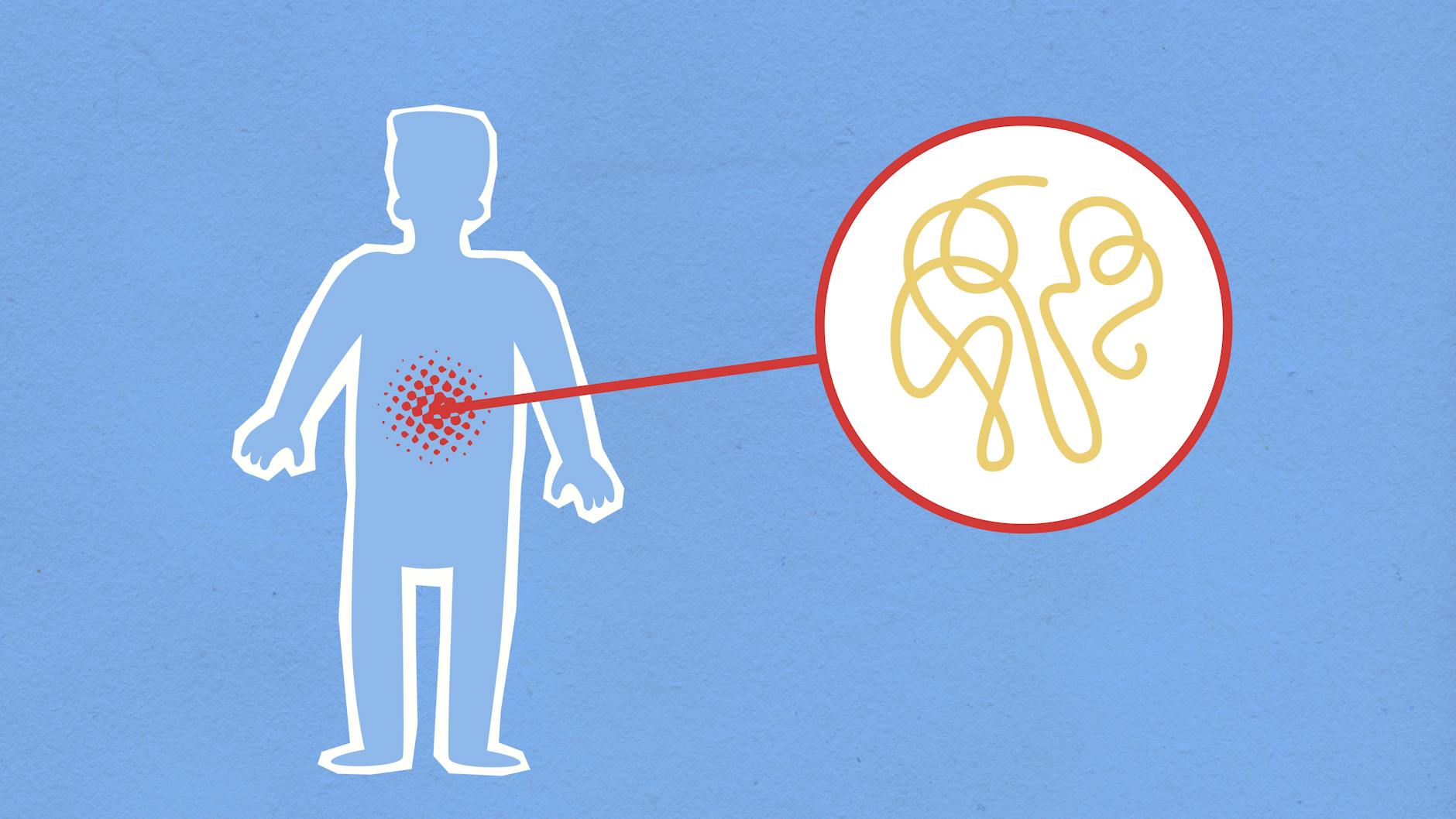
How Chronic Stress Suppresses and Dysregulates the Immune System
The relationship between stress and the immune system is more nuanced than simple suppression. Acute stress can briefly enhance immune surveillance — an evolutionary feature that made sense when physical injury often followed a threatening encounter. But chronic stress produces a dual dysfunction: it simultaneously suppresses protective immune activity while amplifying harmful inflammatory responses.
Research published in Proceedings of the National Academy of Sciences found that individuals under chronic social stress showed significantly elevated levels of IL-6 and other pro-inflammatory cytokines, even after controlling for health behaviors. A landmark study of caregivers — people under sustained, inescapable psychological stress — showed measurably shortened telomeres (the protective caps on chromosomes), elevated inflammatory markers, and impaired immune cell function compared to non-caregiving controls. These are not minor biomarker shifts. They represent measurable accelerated biological aging.
The mechanisms include:
- Sympathetic nervous system activation: Persistent activation of the "fight-or-flight" branch of the autonomic nervous system stimulates immune cells directly via norepinephrine, increasing production of pro-inflammatory cytokines.
- Glucocorticoid resistance: As described above, prolonged cortisol exposure causes immune cells to stop responding to cortisol's anti-inflammatory signals, unleashing unregulated inflammatory gene expression.
- Gut barrier disruption: Chronic stress compromises the integrity of the intestinal lining, allowing bacterial products to leak into the bloodstream — a phenomenon known as "leaky gut" — which triggers a systemic immune response and further drives inflammation.
- Sleep disruption: Elevated cortisol at night — a hallmark of chronic stress — disrupts restorative sleep. Sleep deprivation independently elevates CRP and IL-6, compounding the inflammatory burden.
- Telomere shortening: Oxidative stress generated by chronic inflammation damages telomeres, accelerating cellular senescence and the release of senescence-associated inflammatory factors — creating a self-reinforcing cycle sometimes called "inflammaging."
The result is a body that is simultaneously less capable of fighting infections and more prone to the kind of sustained, tissue-damaging inflammation that underlies chronic disease.

Diseases Driven by Stress-Induced Inflammation
The downstream consequences of chronic stress inflammation are not hypothetical. A robust body of epidemiological and clinical evidence links chronic psychological stress to a wide range of serious conditions:
Cardiovascular disease: Inflammation damages the endothelial lining of blood vessels, promoting the formation of atherosclerotic plaques. Chronic stress independently predicts heart attack risk even after adjusting for traditional risk factors like cholesterol and blood pressure. The inflammatory cytokine IL-6 is now considered a key biomarker for cardiovascular risk.
Type 2 diabetes: Cortisol raises blood glucose by stimulating the liver to release stored sugar and by promoting insulin resistance in muscle and fat tissue. Paired with inflammation-driven disruption of pancreatic beta cell function, chronic stress creates a physiological environment highly conducive to the development of type 2 diabetes.
Depression and anxiety: The brain is not insulated from inflammation. Pro-inflammatory cytokines cross the blood-brain barrier, alter neurotransmitter metabolism (particularly serotonin and dopamine), and contribute to the "sickness behavior" — fatigue, social withdrawal, cognitive fog — that resembles and overlaps with clinical depression. This neuroimmune connection helps explain why individuals with inflammatory conditions have elevated rates of depression, and why depression itself is characterized by elevated inflammatory markers.
Autoimmune conditions: Chronic immune dysregulation can cause the immune system to lose tolerance to the body's own tissues, contributing to conditions like rheumatoid arthritis, lupus, and inflammatory bowel disease.
Accelerated aging and cancer risk: The inflammaging process accelerates tissue deterioration across multiple organ systems. Sustained genomic instability from oxidative stress and impaired DNA repair — both consequences of chronic inflammation — elevates the risk of mutations and malignant transformation over time.
How to Reduce Inflammation Naturally: An Anti-Inflammatory Lifestyle
The encouraging news is that the stress-inflammation axis is not fixed. It is highly responsive to behavioral and lifestyle intervention. Adopting an anti-inflammatory lifestyle does not require radical change — it requires consistent, evidence-based habits that interrupt the stress-inflammation cycle at multiple points.
1. Prioritize Mind-Body Stress Regulation
The most direct way to reduce cortisol-driven inflammation is to activate the parasympathetic nervous system — the "rest and repair" counterpart to the fight-or-flight response. Practices that reliably do this include:
- Mindfulness-based stress reduction (MBSR): Multiple randomized controlled trials show that 8-week MBSR programs significantly reduce IL-6, CRP, and self-reported stress. Even 10–15 minutes of daily mindful breathing can measurably lower cortisol within weeks.
- Progressive muscle relaxation and deep diaphragmatic breathing: Stimulates the vagus nerve, which directly suppresses pro-inflammatory cytokine production via the cholinergic anti-inflammatory pathway.
- Yoga: Combines physical movement with breath control and mindfulness, producing well-documented reductions in cortisol and inflammatory biomarkers across multiple studies.
2. Adopt an Anti-Inflammatory Diet
Diet is one of the most powerful levers for modulating inflammation. The Mediterranean diet — rich in vegetables, fruits, whole grains, legumes, fatty fish, olive oil, and nuts — consistently reduces CRP and IL-6 in clinical studies. Key dietary strategies include:
- Increasing omega-3 fatty acids from fatty fish (salmon, sardines, mackerel) or algae-based supplements — omega-3s directly inhibit NF-κB, the master regulator of inflammatory gene expression.
- Eating a wide variety of colorful vegetables and berries rich in polyphenols (quercetin, resveratrol, anthocyanins), which modulate inflammatory signaling.
- Minimizing ultra-processed foods, refined sugars, and industrial seed oils (high in omega-6 fatty acids), which directly activate inflammatory pathways.
- Supporting gut microbiome diversity with fermented foods (yogurt, kefir, kimchi, sauerkraut) and prebiotic fiber — a healthy microbiome produces short-chain fatty acids that have potent anti-inflammatory effects.
3. Optimize Sleep Quality
Sleep is the body's primary anti-inflammatory intervention. During deep sleep, cortisol drops to its nadir, immune cells undergo critical regulatory processes, and the glymphatic system clears inflammatory waste products from the brain. Prioritizing 7–9 hours of quality sleep per night is not a lifestyle luxury — it is a direct pharmacological intervention on your inflammatory status. Consistent sleep and wake times, a cool and dark room, and limiting screens for 60 minutes before bed meaningfully improve sleep architecture.
4. Exercise Consistently at Moderate Intensity
Regular moderate-intensity exercise — think brisk walking, cycling, swimming, or light resistance training — produces reliable, dose-dependent reductions in CRP and pro-inflammatory cytokines. Exercise stimulates the release of myokines (muscle-derived signaling molecules with potent anti-inflammatory properties), improves insulin sensitivity, reduces visceral fat (a major inflammatory tissue), and improves cortisol regulation. Aim for at least 150 minutes per week, but know that even 20–30 minutes of brisk walking most days produces measurable benefits. Notably, very high-intensity chronic overtraining can raise inflammatory markers — consistency at moderate intensity is the goal.
5. Cultivate Social Connection and Purpose
Loneliness and social isolation are among the most potent activators of the inflammatory stress response. Conversely, strong social bonds, a sense of purpose, and feelings of belonging have been shown to reduce inflammatory markers and improve HPA axis regulation. This is not soft science: a 2015 meta-analysis of 148 studies found that social relationships reduce mortality risk comparably to quitting smoking. Investing in relationships, community involvement, and meaningful work is therefore a legitimate — and underutilized — anti-inflammatory strategy.
6. Address Environmental and Psychological Stressors Directly
While coping tools are essential, they work best when paired with actual reduction of stressor load. This means setting realistic boundaries at work, addressing financial stress proactively, limiting news and social media consumption to defined windows, and seeking professional support (therapy, coaching) when stress is severe or persistent. Cognitive behavioral therapy (CBT) has demonstrated measurable reductions in inflammatory markers in clinical populations — the psychological and biological are inseparable.

Frequently Asked Questions About Chronic Stress and Inflammation
Key Takeaways
Chronic stress inflammation is not a metaphor. It is a measurable, mechanistic biological process with documented consequences for cardiovascular health, metabolic function, brain health, immune competence, and lifespan. The pathway runs from persistent psychological stress through cortisol dysregulation, glucocorticoid resistance, and elevated pro-inflammatory cytokines to tissue damage that accumulates silently over years.
Understanding cortisol and inflammation reframes stress management entirely. It is no longer a self-care optional extra for people who can afford the time. It is a medical intervention — one of the most accessible and cost-effective ones available — that directly modifies your disease risk. The evidence supports this conclusion at the same level of confidence as the evidence for diet and exercise.
The practical steps to adopt an anti-inflammatory lifestyle are well-established and mutually reinforcing: manage stress through mind-body practices, eat a whole-food Mediterranean-style diet, exercise consistently at moderate intensity, prioritize sleep above almost everything else, and invest in social connection and purpose. Each of these interventions interrupts the stress-inflammation cycle at a different point, and their combined effect is substantially greater than any single one alone.
You do not have to accept chronic stress as an unavoidable feature of adult life. You do not have to wait for a diagnosis to take your inflammatory burden seriously. The biology is clear — and so is the path forward.