At-Home Teeth Whitening for Sensitive Teeth: What Actually Works (and What to Avoid)
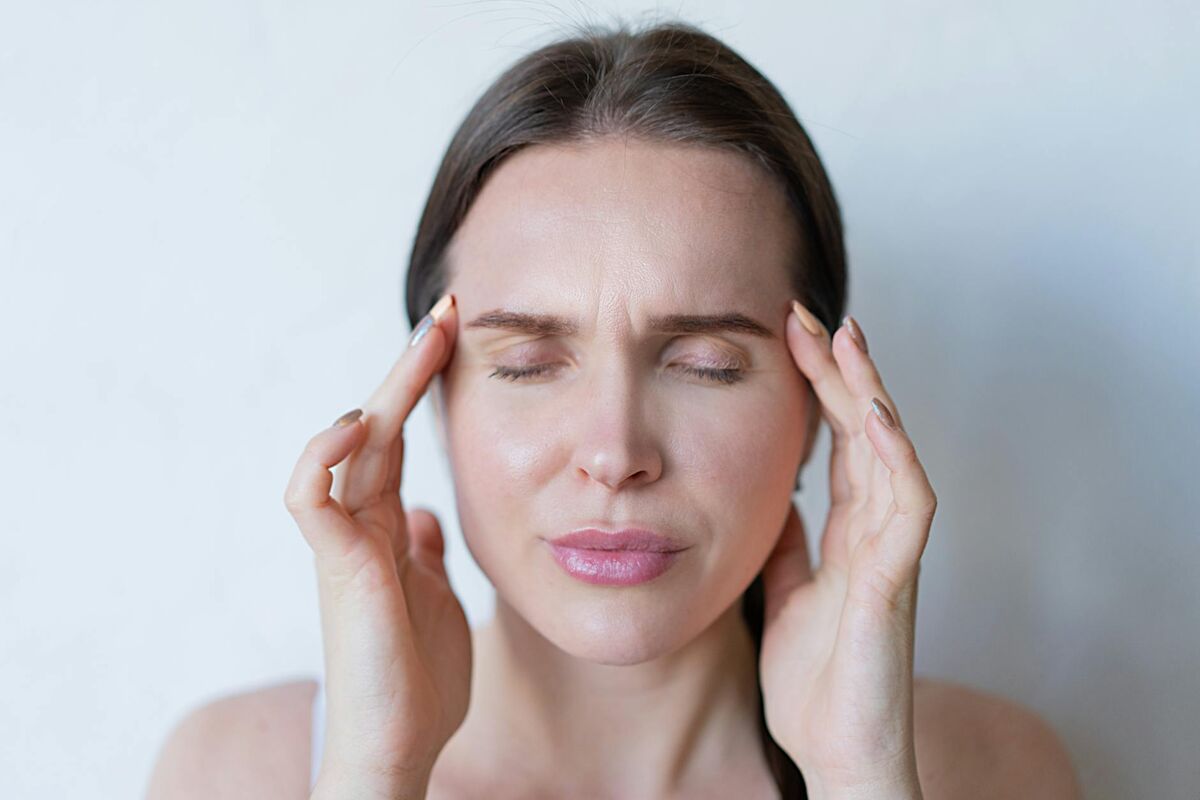
You want whiter teeth. You also have sensitive teeth. And every time you've tried a whitening product, you've ended up wincing through sharp, shooting discomfort that lasts for hours — or you've given up after day one. Teeth whitening for sensitive teeth at home is one of the most-searched dental topics online, and for good reason: sensitivity is by far the most common reason people abandon whitening treatments before they see results.
The frustrating part is that the pain isn't inevitable. It's often a product of the wrong formula, the wrong application method, or simply not knowing the physiology of what's actually happening inside your teeth. Once you understand the mechanism, you can make choices that dramatically reduce — and in many cases completely eliminate — the discomfort while still achieving genuinely brighter teeth.
This guide breaks down the science, the risk hierarchy across different treatment types, and a practical protocol you can follow starting tonight.
Why Teeth Whitening Causes Sensitivity: The Actual Science
Most people assume sensitivity during whitening means something is "burning" or being damaged. The reality is more nuanced — and less scary — than that.
Your teeth are not solid. Beneath the outer enamel layer lies a porous material called dentine, which is filled with microscopic channels called dentinal tubules. These tubules run from the surface of the tooth all the way to the dental pulp — the nerve-rich core at the center. They are filled with a fluid that moves in response to temperature, pressure, and chemical changes.
Whitening agents — primarily hydrogen peroxide and its precursor carbamide peroxide — are small molecules that penetrate enamel and reach dentine relatively quickly. When peroxide contacts dentinal fluid, it triggers a rapid fluid shift inside those tubules. That movement stimulates the nerve endings in the pulp, producing the sharp, often electric sensation people describe as "zingers." This is known as hydrodynamic sensitivity, and it is temporary by nature: it stops when the peroxide clears the tooth.
The second mechanism is direct pulp irritation. At higher concentrations or with prolonged exposure, peroxide can penetrate deep enough to mildly inflame the pulp tissue itself. This produces a duller, longer-lasting ache rather than the sharp zinger, and it takes a day or two to resolve. This type of sensitivity is more common with professional in-office treatments using high-concentration gels.
Neither mechanism, under normal circumstances, causes permanent damage. But chronic overuse of strong whitening agents — particularly on teeth with thinning enamel or exposed root surfaces — can genuinely worsen baseline sensitivity over time. This is why how to whiten teeth without sensitivity comes down largely to concentration, contact time, and frequency.
Two Types of Whitening Sensitivity (They're Not the Same)
Distinguishing between these two experiences helps you choose the right response:
Type 1 — During-Treatment Sensitivity ("Zingers"). Sharp, shooting pain that occurs while the product is on your teeth. This is classic hydrodynamic sensitivity. It usually peaks 15–30 minutes into treatment and resolves within an hour of removing the product. It is almost universally caused by the peroxide reaching dentinal tubules and is dose-dependent: higher concentration means faster penetration and more pronounced sensation.
Type 2 — Post-Treatment Sensitivity (Aching Teeth). A diffuse, dull ache that lingers for several hours — sometimes up to 48 hours — after you remove the product. This reflects mild pulp inflammation. It is more common with long overnight trays, high-concentration in-office treatments, and in people whose enamel is naturally thin or has been eroded by acid. It does not mean you've caused lasting harm, but it is your body's signal to dial back intensity or frequency.
Knowing which type you experience matters because the solutions differ. Type 1 is best addressed by reducing concentration or contact time. Type 2 calls for longer rest periods between treatments and potentially switching to a sensitivity-formulated product.
Ingredients That Cause vs. Ingredients That Help
Understanding the label on any whitening product tells you most of what you need to know about how your teeth are likely to respond.
Ingredients most likely to cause sensitivity:
- Hydrogen peroxide (above 6%): The higher the concentration, the faster it penetrates dentine and the more likely it is to trigger zingers. Over-the-counter products are capped at around 6% in many countries; in-office treatments can reach 25–40%.
- Carbamide peroxide (above 16%): Carbamide breaks down into hydrogen peroxide at roughly a 3:1 ratio — so 16% carbamide delivers approximately 5–6% hydrogen peroxide. Higher carbamide concentrations (used in take-home trays from dentists) increase sensitivity risk proportionally.
- Sodium lauryl sulfate (SLS): Found in many whitening toothpastes, SLS can irritate gum tissue and temporarily disrupt the protective mucous layer in your mouth, making teeth feel more sensitive even before the whitening agent gets to work.
Ingredients that reduce sensitivity:
- Potassium nitrate: A nerve-calming compound that diffuses into dentinal tubules and reduces the excitability of the nerve. Many sensitivity-formulated whitening products include 5% potassium nitrate — look for it on the label. Using a potassium nitrate toothpaste (such as any "sensitive" toothpaste) for two weeks before and during whitening significantly blunts the zinger response.
- Fluoride: Strengthens enamel and partially blocks tubule openings (a process called "occluding the tubules"), reducing fluid movement. Products with added fluoride or using a fluoride rinse post-treatment provides measurable relief.
- Hydroxyapatite: A biomimetic mineral that physically plugs dentinal tubules. Products marketed as peroxide free teeth whitening for sensitive teeth often use hydroxyapatite as both a whitening agent (through surface stain remineralization) and a desensitizer.
- PAP (Phthalimidoperoxycaproic acid): A newer oxidizing whitening agent that works on surface stains without penetrating dentine as deeply as peroxide. Early clinical data suggests significantly lower rates of sensitivity compared to peroxide-based equivalents at similar whitening efficacy for mild-to-moderate discoloration.
The Sensitivity Risk Scale: Which Whitening Method Is Safest?
Not all whitening methods carry the same sensitivity risk. Here is an honest ranking from gentlest to most intense, which is useful context when choosing a starting point if you know your teeth are reactive.
1. Whitening toothpastes (lowest risk). Most rely on mild abrasives (silica, baking soda) and very low levels of peroxide or PAP. They remove surface stains gradually over weeks and pose almost no sensitivity risk for most people. The trade-off: they cannot change the intrinsic color of teeth — only surface staining. For anyone whose teeth are naturally darker (not just stained), toothpaste alone will plateau quickly.
2. Whitening mouthrinses (very low risk). Typically contain 1–2% hydrogen peroxide with very brief contact time. Clinical evidence for meaningful color change is limited, but they are a genuine option for maintenance and very mild brightening without triggering sensitivity.
3. Whitening strips, low-concentration (low-to-moderate risk). Strips using 3–6% hydrogen peroxide or PAP-based formulas applied for 15–30 minutes represent a good middle ground. Most people with mild-to-moderate sensitivity can tolerate these with proper precautions (see the tips section below). The key variable is contact time — removing strips at the lower end of the recommended window significantly reduces sensitivity without meaningfully reducing results for most users.
4. Custom or boil-and-bite trays with lower-concentration gel (moderate risk). Trays used for 30–60 minutes with 10–16% carbamide peroxide offer more even coverage and better gum-to-enamel contact management than strips. The sensitivity risk is moderate and largely controllable through session length. Overnight trays — even with low-concentration gels — significantly increase exposure time and are generally not suitable for reactive teeth.
5. LED whitening kits (variable risk). The LED light itself does not whiten teeth or cause sensitivity — the light is designed to activate or accelerate the peroxide gel. Sensitivity in these kits comes entirely from the gel concentration, not the light. Some LED kits use PAP or very low-concentration peroxide, which are fine for sensitive teeth; others use higher concentrations. Read the gel formula, not the LED marketing.
6. In-office professional whitening (highest risk). Professional treatments use 25–40% hydrogen peroxide, often activated with heat or light. They deliver dramatic results in a single session but carry the highest sensitivity risk of any method. Most people experience significant post-treatment sensitivity for 24–48 hours. This does not mean in-office treatment is wrong for sensitive teeth — a skilled dentist will apply desensitizing agents before and after — but it requires the right clinical setup and should be preceded by an honest conversation about your sensitivity history.
7 Practical Tips for Whitening With Sensitive Teeth
These strategies come directly from clinical guidance and are consistently recommended by dental professionals for anyone managing sensitivity during whitening. Applied together, most people with mild-to-moderate sensitivity can complete a full whitening course with little to no discomfort.
Tip 1: Start with a two-week desensitizing pretreatment. Switch to a potassium nitrate-based toothpaste (labeled "for sensitive teeth") and use it exclusively for two weeks before starting whitening. Potassium nitrate accumulates in dentinal tubules over time — a single use does almost nothing, but consistent use meaningfully reduces nerve excitability. Think of it as preloading your teeth against the sting.
Tip 2: Brush with sensitive toothpaste immediately before applying any whitening product. Leave a small residue of the toothpaste on your teeth and then apply the whitening strip or gel on top. The potassium nitrate creates a partial buffer at the enamel surface during treatment.
Tip 3: Cut your session time in half to start. If the instructions say 30 minutes, start at 15. If they say 60 minutes, try 30 first. For most users, the majority of stain removal happens in the first half of the recommended contact time. Going shorter on your first few sessions lets you gauge your personal sensitivity threshold before committing to full-length treatments.
Tip 4: Never whiten on consecutive days if you're sensitive. Even if a product says "use daily for 14 days," you do not have to follow that literally if your teeth are reactive. Whitening every other day, or even every two days, still produces excellent results over a slightly longer timeline and gives the pulp and dentinal fluid time to settle between sessions. Whitening with sensitive teeth tips almost universally begin here: slower is smarter.
Tip 5: Avoid temperature extremes for 24 hours after treatment. Your dentinal tubules remain temporarily more permeable after whitening — hot coffee or ice-cold water will drive fluid shifts more readily than usual, triggering pain even after the peroxide is long gone. Use room-temperature water, avoid very hot food, and be mindful for at least a day post-treatment.
Tip 6: Use a fluoride rinse after every session. Fluoride does two things post-whitening: it helps remineralize any surface enamel that has been temporarily softened by the peroxide, and it partially occludes dentinal tubule openings, reducing ongoing fluid movement. A 30-second rinse with an over-the-counter fluoride mouthwash immediately after removing the whitening product is one of the most consistently effective sensitivity-reduction strategies in clinical literature.
Tip 7: Check for and avoid acidic foods and drinks on whitening days. Acid erodes enamel and opens dentinal tubules before you even apply your whitening product. Citrus juice, vinegar-based foods, carbonated drinks, and wine consumed in the hours before whitening will make sensitivity significantly worse. On whitening days, keep your diet neutral.
What to Do If Sensitivity Hits Mid-Treatment
Even with precautions, sensitivity can flare. Here is what to do — and what not to do — when it happens.
Remove the product immediately. Do not push through sharp zingers hoping they'll subside while the product is on. Remove the strip or tray, rinse thoroughly with lukewarm water, and apply a generous amount of sensitive toothpaste. Let it sit on your teeth for several minutes before rinsing — this is the fastest in-the-moment relief strategy available without a prescription.
Take an OTC pain reliever if needed. Ibuprofen (an anti-inflammatory) is more effective for whitening sensitivity than acetaminophen because the underlying mechanism is inflammatory. Taking ibuprofen 30–60 minutes before a whitening session is a clinically supported strategy for reactive teeth — it reduces pulp inflammation proactively rather than chasing the pain after it starts.
Give it at least 48 hours before your next session. Mid-treatment flare-ups are your body telling you to rest. Waiting 48 hours allows the pulp to settle, and when you resume, use a shorter contact time than the session that caused the problem.
Does teeth whitening hurt permanently? In the vast majority of cases, no. The sensitivity is entirely temporary. However, if you experience sharp pain that does not resolve within 48 hours, or if any single tooth becomes persistently sensitive (rather than all teeth equally), that warrants a dental appointment — it may indicate an underlying issue such as a crack, cavity, or pulp problem that predates the whitening.
How to Pick a Whitening Kit for Sensitive Teeth
When evaluating any at-home whitening product for sensitive teeth, look for these specific formulation signals on the label:
- Hydrogen peroxide concentration at or below 6%, or carbamide peroxide at or below 16%
- Inclusion of potassium nitrate (ideally 5%) in the whitening gel or as a companion desensitizing product
- Added fluoride in the gel formula
- PAP or hydroxyapatite as the primary whitening agent if you want to avoid peroxide entirely
- SLS-free formulation if your gums tend to be reactive
- Flexible or thin tray design that minimizes gel contact with gum tissue
The best whitening for sensitive teeth is rarely the fastest or most dramatic option. It is the formula that allows you to complete the full recommended course without abandoning it on day three — because consistent, moderate whitening over 10–14 days outperforms an aggressive session that you stop after two days due to pain.
When to See a Dentist Before Whitening
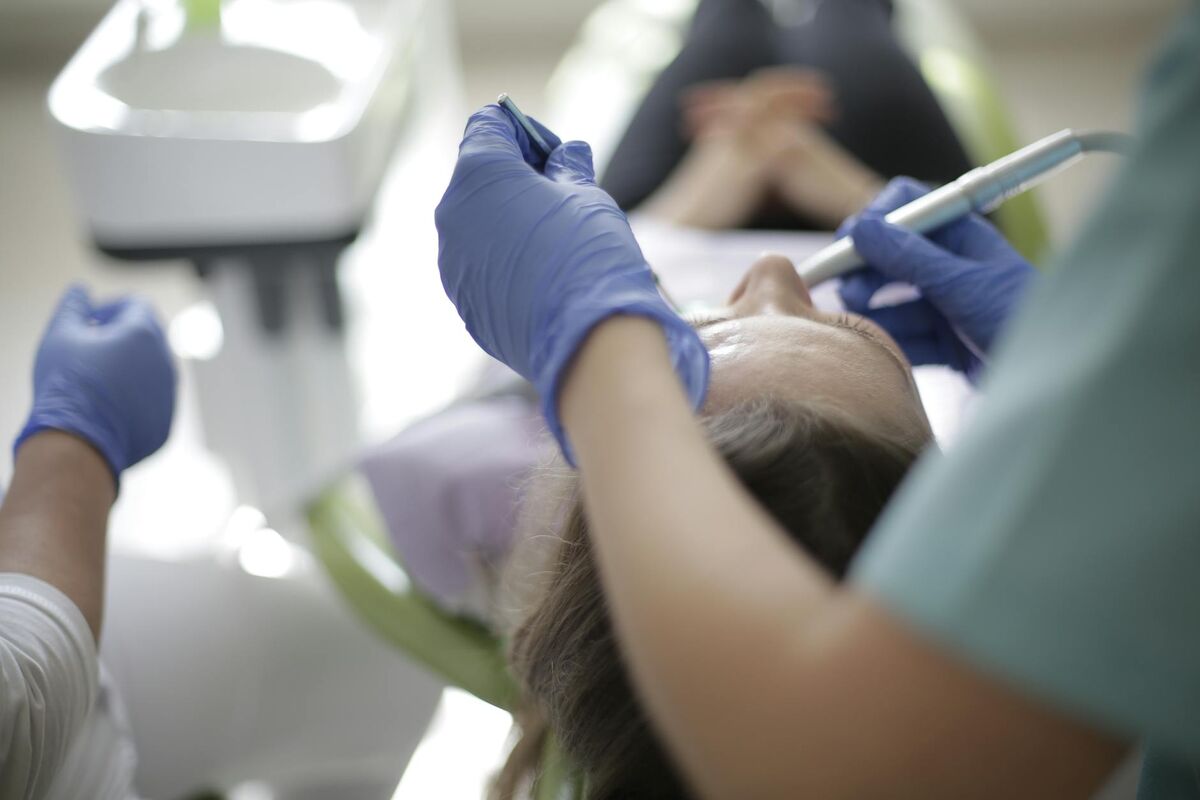
Most healthy adults can begin an over-the-counter whitening routine safely without a prior dental appointment. But certain conditions make a quick check-in with a dentist a genuinely worthwhile investment before you start:
- Untreated cavities: Peroxide penetrates a cavity much faster than intact enamel and will cause significant, localized pain. Any cavity should be filled before whitening.
- Gum recession: Exposed root surfaces (cementum) have no protective enamel layer — they are far more peroxide-permeable and will be disproportionately painful during treatment. A dentist can advise on safe concentration limits.
- Recent dental work: Crowns, veneers, and bonding do not respond to peroxide — the whitening agent only works on natural tooth structure. If you have significant cosmetic work, whitening without professional guidance may result in uneven color.
- Existing chronic sensitivity: If your teeth are already painful in everyday life — with hot or cold drinks, sweet foods, or pressure — that baseline sensitivity has a cause that whitening will amplify. A dentist can identify whether it's enamel erosion, a cracked tooth, gum disease, or exposed dentine and recommend appropriate treatment before you add peroxide into the mix.
- Pregnancy or breastfeeding: The safety of whitening agents during pregnancy has not been studied in controlled trials, and most dental guidance suggests waiting until after the postpartum period.
A single check-up appointment costs far less than a whitening kit that you abandon in pain halfway through, and it gives you the specific clinical information you need to make a confident, informed choice about which product and protocol is appropriate for your individual teeth.
Key Takeaways
Teeth whitening sensitivity is a physiological event — driven by peroxide molecules moving fluid inside dentinal tubules and reaching the nerve — not a sign of damage in the vast majority of cases. Understanding this mechanism is genuinely empowering: it tells you exactly which levers to pull to reduce the experience.
The core principles for anyone pursuing teeth whitening for sensitive teeth at home are straightforward:
- Choose a lower concentration formula — peroxide-free if your sensitivity is severe
- Pretreat with potassium nitrate toothpaste for two weeks
- Shorten session times and space treatments every other day, not daily
- Use a fluoride rinse after every session
- Avoid temperature extremes and acidic foods on whitening days
- Listen to your body — rest periods are part of the protocol, not a failure
- See a dentist if you have any of the clinical contraindications above
Brighter teeth are achievable even with a reactive mouth. It simply requires a more thoughtful approach than grabbing the strongest product on the shelf and hoping for the best.
A note on individual variation: Sensitivity responses vary considerably between people even with identical products and protocols. Some people with self-reported sensitive teeth experience no discomfort whatsoever with standard whitening strips; others need peroxide-free formulas to complete a course comfortably. Start at the gentler end and adjust upward based on your own experience — this is the single most reliable approach.