15 Things Every Driver Should Have in Their Car in 2026
Most drivers spend hours every week behind the wheel, yet a surprising number are completely unprepared for the situations that matter most. Whether you face a flat tire on a dark highway, a minor accident on the way to work, or simply a long stretch between gas stations, having the right things every driver should have in their car can make the difference between a minor inconvenience and a genuine crisis.
This car essentials checklist covers 15 items that belong in every vehicle in 2026 — whether you drive a compact city car, a family SUV, or a work truck. We've organized them across four practical categories: safety, emergency preparedness, convenience, and organization. Work through the list, check what you already have, and fill the gaps. Your future self will thank you.
Why a Car Essentials Checklist Still Matters in 2026
It's easy to assume that modern cars with their advanced driver-assist systems and connected navigation make physical preparedness obsolete. They don't. Technology fails, batteries die, weather turns, and roads remain unpredictable. According to AAA, approximately 69 million drivers experience a roadside breakdown each year in the United States alone. That's one breakdown roughly every 45 seconds. No amount of dashboard technology substitutes for having the right gear within arm's reach.
The good news is that building a well-stocked car doesn't require a large budget or a lot of space. Most of these must have car accessories for 2026 cost very little and take up minimal room in your trunk, center console, or glove compartment.
Safety Items
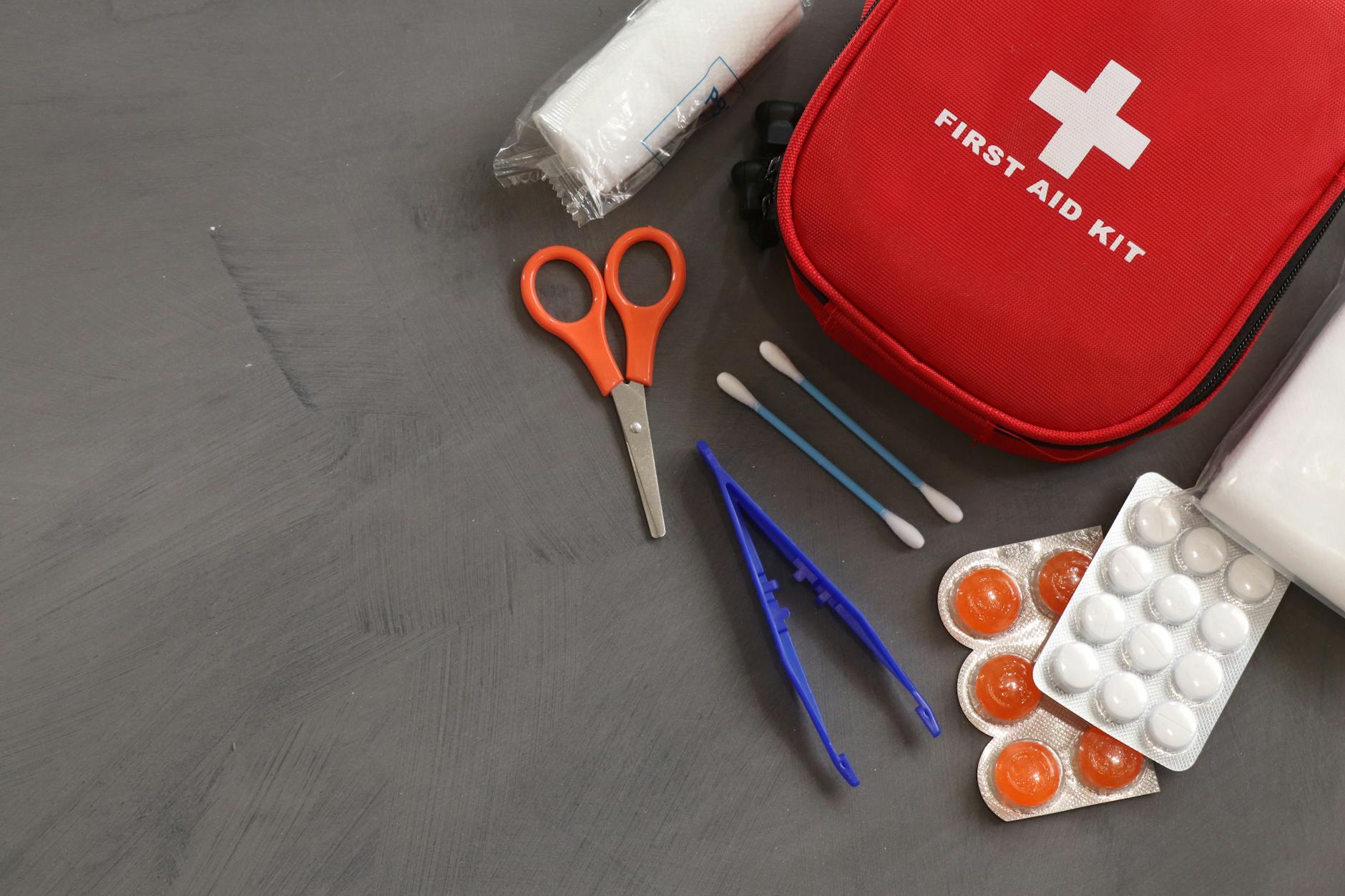
1. First Aid Kit
A quality first aid kit is the single most important item on this list. Minor accidents, cuts from broken glass, burns from a hot engine, or injuries to passengers can all be addressed more effectively when you have basic supplies on hand before emergency services arrive.
What to look for: At minimum, your kit should contain adhesive bandages in multiple sizes, sterile gauze pads, antiseptic wipes, medical tape, disposable gloves, tweezers, scissors, and a first aid instruction booklet. Compact kits designed specifically for vehicles are widely available and store flat in a glove compartment or side pocket. Check and replenish yours at least once a year — bandages and antiseptics have expiration dates.
2. Fire Extinguisher
Vehicle fires are more common than most people realize. Electrical faults, fuel leaks, and collisions can all ignite a fire within seconds. A compact dry-chemical fire extinguisher rated for Class B and Class C fires (flammable liquids and electrical equipment) is specifically suited to automotive use.
What to look for: Choose a unit designed to mount securely under a seat or in the trunk — you do not want it rolling around freely. Check the pressure gauge periodically and replace or recharge the unit after any use, even partial discharge. Small 1 lb or 2.5 lb units are sufficient for most passenger vehicles and weigh almost nothing.
3. Reflective Vest
If you ever need to exit your vehicle on the side of a busy road — for a flat tire, a breakdown, or to inspect damage after a collision — a reflective safety vest dramatically increases your visibility to oncoming traffic, especially at night or in low-light conditions. In several European countries, keeping a reflective vest in the car is a legal requirement. It's a best practice everywhere.
What to look for: ANSI/ISEA Class 2 high-visibility vests offer the best coverage for roadside use. They fold down to almost nothing and take up virtually no space. Keep one in the driver's door pocket so you can put it on before stepping out of the vehicle.
4. Ice Scraper and Snow Brush
Anyone who drives in a region that sees winter weather — even occasionally — needs an ice scraper and snow brush. Driving with obscured windows is both dangerous and illegal. A combination tool with a brush on one end and a scraper on the other handles nearly every winter scenario.
What to look for: Look for a telescoping handle if you drive an SUV or truck where roof reach is an issue. Foam-grip handles are easier on cold hands. Even if you live in a generally warm climate, keep one in the car — you may travel, or you may experience an unseasonably cold night that leaves frost on your windshield.
Emergency Preparedness Items
5. Emergency Roadside Kit
A dedicated roadside emergency kit is your first line of defense against the most common types of car trouble. The core components are jumper cables or a jump starter pack, road flares or LED emergency triangles, a tow rope or tow strap, and basic tools like a lug wrench and a screwdriver set.
What to look for: Pre-assembled kits are available at most automotive stores and often include everything in a single bag. If you assemble your own, prioritize jumper cables of at least 12 feet in length (longer is better), high-visibility flares or reflective triangles to place behind and in front of your vehicle, and a quality lug wrench that fits your car's lug nuts. These items belong permanently in your trunk as part of your car emergency kit items baseline.
6. Flashlight
Your phone's flashlight is convenient, but it drains battery and is not designed for extended use in difficult conditions. A dedicated flashlight gives you hands-free illumination for roadside repairs, checking under the hood at night, or signaling for help.
What to look for: LED flashlights offer the best brightness-to-battery-life ratio. A magnetic base is a highly practical feature — you can stick it to the hood or the side of the vehicle and have both hands free. Consider a headlamp as an alternative: strapping it to your forehead keeps both hands available while you work. Check the batteries twice a year, or opt for a rechargeable model you can top off via USB.
7. Tire Pressure Gauge
Under-inflated tires reduce fuel efficiency, increase tread wear, and can contribute to blowouts at highway speeds. Most modern vehicles have tire pressure monitoring systems (TPMS), but these warning lights typically only illuminate when pressure is already dangerously low — not when you're running slightly underinflated. A manual gauge lets you check and maintain optimal pressure proactively.
What to look for: Digital gauges are easy to read in low light, while mechanical dial gauges require no batteries. Either style is reliable. Recommended tire pressure for your specific vehicle is printed on the sticker inside the driver's door jamb — check all four tires and the spare at least once a month, and always before a long trip.
8. Blanket
A compact emergency blanket serves double duty: it provides warmth if you become stranded in cold weather, and it can also be used to cover a passenger in shock after an accident. Mylar emergency blankets fold down to the size of a deck of cards and are extremely lightweight. A small fleece blanket offers more comfort for non-emergency situations like cold mornings waiting for the car to warm up or a child sleeping on a long drive.
What to look for: Keep at least one mylar emergency blanket in your kit at all times. If you have space, a small fleece throw in the trunk complements it well. Families with young children or elderly passengers should consider keeping an additional blanket as standard practice.
Convenience Items
9. Phone Charger and Power Bank
A dead phone in a roadside emergency is a serious problem. Your ability to call for help, navigate to the nearest service station, or contact family members depends entirely on having battery power. A car charger that plugs into your vehicle's 12V outlet or USB port keeps your phone topped up during normal drives. A separate power bank covers you when your car is off or if the vehicle's electrical system is compromised.
What to look for: For the power bank, a capacity of at least 10,000 mAh is enough to fully charge most smartphones two to three times. Look for a unit that supports fast charging and has multiple output ports. Keep it charged — rotate it with a home charge every few months if you don't use it regularly. For the car charger, a model with at least one USB-C port will keep you compatible with modern devices.
10. Multi-Tool or Swiss Army Knife
A quality multi-tool puts pliers, wire cutters, a knife blade, a screwdriver, a file, and a bottle opener in a single compact package. In a car emergency, these tools are useful for everything from tightening a loose license plate screw to cutting a seatbelt in an accident. They're equally handy for everyday tasks like opening packages, cutting string, or making minor adjustments.
What to look for: The best multi-tools for vehicles balance compactness with a useful set of functions. Pliers and a knife blade are the most practical features for roadside use. Keep the tool in your glove compartment for easy access. Note that if you travel internationally, multi-tools may be restricted in carry-on luggage — keep a dedicated one in the car and a TSA-compliant version for air travel.
11. Reusable Water Bottle
Staying hydrated on long drives improves alertness and reduces fatigue — both critical safety factors. In a breakdown scenario, water becomes even more important, particularly during summer months when temperatures inside a parked car can rise rapidly. A reusable insulated bottle keeps water cold for hours and eliminates the single-use plastic waste of disposable bottles.
What to look for: Double-wall vacuum-insulated bottles keep cold drinks cold for up to 24 hours and hot drinks warm for up to 12 hours. A wide-mouth opening is easier to fill and clean. A 20–32 oz capacity strikes the right balance between portability and how long it lasts. Refill it every time you start a drive.
14. Sunglasses and Sunscreen
UV exposure through car windows is a genuine health concern. While standard automotive glass blocks UVB rays, the side and rear windows of most vehicles do not fully block UVA radiation — the type most associated with skin aging and cancer. Long-haul drivers who spend hours a day with one arm exposed to window-side sunlight are at measurably higher risk of UV-related skin damage on that side of their body.
What to look for: Keep a pair of polarized sunglasses in the car at all times. Polarized lenses reduce glare from wet roads and reflective surfaces, improving visibility significantly in bright conditions. A small SPF 30 or higher sunscreen stick or lotion in the glove compartment takes up almost no space and makes daily protection effortless — you can apply it at a red light before a long drive.
15. Non-Perishable Snacks
Hunger is a surprising contributor to driver fatigue and reduced concentration. Keeping a small supply of non-perishable snacks in the car is practical for long trips, unexpected delays, families with children, or situations where you end up stranded longer than expected. They're also a low-key morale booster during road trips.
What to look for: Choose snacks with a long shelf life that won't melt or degrade in temperature fluctuations inside a parked car. Good options include individually wrapped nuts, granola bars, dried fruit, crackers, and energy bars. Rotate your supply every three to six months so nothing expires. Store snacks in a small, lidded container in the trunk to avoid crumbs and clutter.
Organization Items
12. Pen and Paper
In the age of smartphones, a pen and notepad might seem redundant. They are not. After a minor collision, you need to exchange insurance information with another driver — and doing that by phone with poor signal, a cracked screen, or a dead battery is a genuine challenge. Writing it down takes ten seconds and guarantees you have it. A pen and small notepad also serve for jotting directions, noting a license plate, or leaving a note for another driver.
What to look for: A ballpoint pen (not a gel or felt-tip) writes reliably in cold temperatures and at awkward angles. Keep two — pens have a way of disappearing at the worst moments. A small pocket notepad fits easily in the glove compartment and costs almost nothing.
13. Cupholder and Cabin Organizers
A cluttered car interior is more than an aesthetic problem. Loose items on the floor or back seat become dangerous projectiles in a sudden stop or collision. Organizing your cabin with dedicated inserts for cupholders, seatback pockets, and console trays keeps everything in its place and reduces the distraction of searching for items while driving.
What to look for: Start with a cupholder organizer or console tray that gives your most-used items — your phone, lip balm, sunglasses, gum, and spare change — a consistent home. Seatback organizers are useful for families with children, providing a place for tablets, water bottles, and small toys that would otherwise end up on the floor. The goal is a clean, predictable interior where everything you need is exactly where you expect it.

Putting It All Together: How to Stock Your Car
The most practical approach is to dedicate one afternoon to stocking your car properly, rather than adding items piecemeal over months. Here's a simple framework:
- Glove compartment: First aid kit, tire pressure gauge, pen and notepad, sunscreen, vehicle registration and insurance documents.
- Driver's door pocket: Reflective vest, ice scraper (winter), sunglasses.
- Center console: Multi-tool, car charger, lip balm, any daily-use items.
- Under the seat: Fire extinguisher (driver's side), compact power bank.
- Trunk: Emergency roadside kit, first aid kit (a larger supplementary one), blanket, flashlight, non-perishable snacks, water bottle, snow brush (seasonal).
Once everything is in place, do a quick check of your setup every six months — at the start of summer and the start of winter are natural checkpoints. Replace expired items, recharge batteries, and swap out seasonal gear like the ice scraper and snow brush as appropriate.
Key Takeaways
Building out the right things every driver should have in their car does not need to be expensive or complicated. The 15 items in this car essentials checklist cover the full spectrum of driving scenarios — from everyday convenience to genuine emergencies — and most of them cost under $30 individually.
The core principle is simple: be prepared before you need to be. A first aid kit you never open is a success story. Jumper cables you use twice in a decade are worth every penny. A reflective vest that makes you visible to a passing truck on a dark roadside could be the most valuable item you ever keep in your trunk.
Start with the safety and emergency categories if you're building from scratch, then layer in the convenience and organization items as budget allows. A well-stocked, well-organized vehicle is quieter, calmer, and safer — for you, your passengers, and everyone else on the road.