10 Things Every Driver Should Have in Their Car for Roadside Emergencies
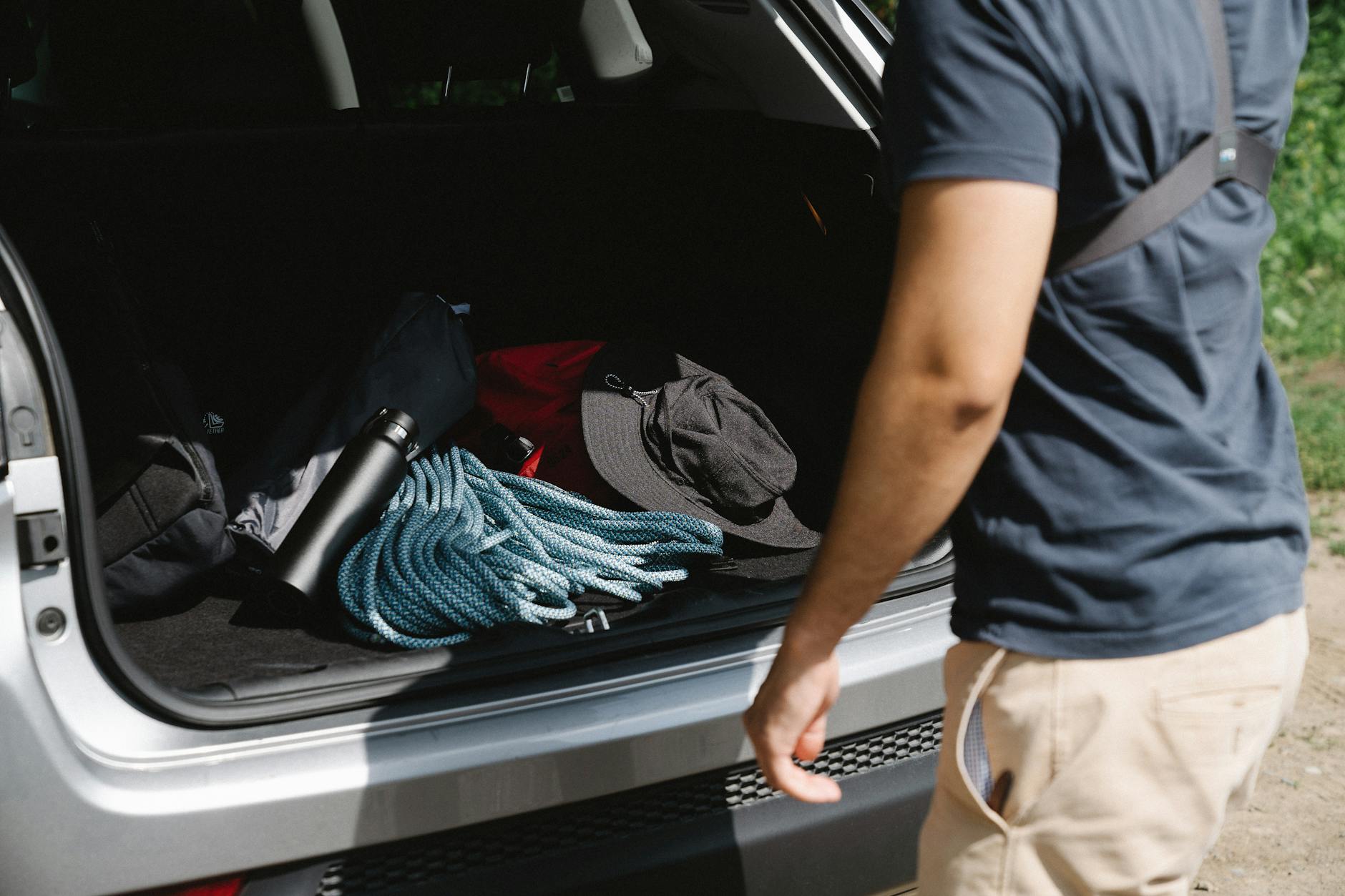
Most drivers give little thought to what's sitting in their trunk — until they're stuck on the shoulder of a highway at 11 p.m. with a flat tire, a dead battery, or worse. A well-stocked car emergency kit checklist is one of those things that costs almost nothing to assemble but can make an enormous difference when something goes wrong on the road. And it will go wrong eventually — AAA responds to more than 30 million calls for roadside assistance every single year.
You don't need to fill your car with bulky gear to be prepared. The items on this list are compact, affordable, and chosen specifically because they cover the most common roadside emergencies: dead batteries, flat tires, minor injuries, poor visibility, and getting stranded far from help. Whether you commute daily, take frequent road trips, or simply drive a few miles to the grocery store, these essentials belong in your vehicle.
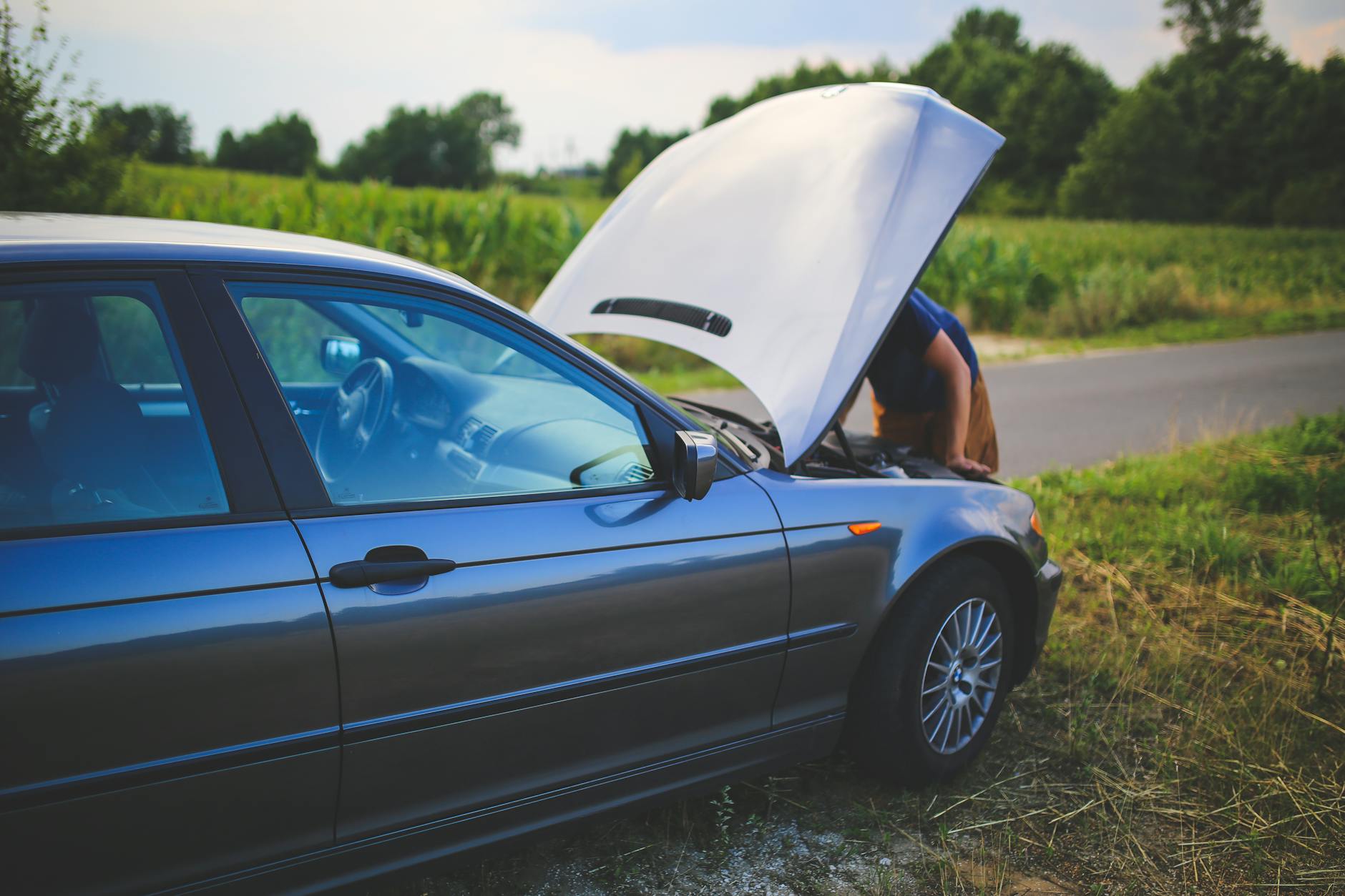
Why a Car Emergency Kit Checklist Actually Matters
It's easy to assume that a quick call to roadside assistance solves everything. In many cases it does — but response times vary wildly depending on your location, time of day, and current demand. In rural areas, waits of 90 minutes or longer are not uncommon. In extreme weather or during peak holiday travel, even urban wait times can stretch considerably. Having the right gear means you can handle many situations yourself, or at minimum stay safe and visible while you wait for help to arrive.
The goal of a solid roadside emergency kit is not to turn you into a mechanic. It's to give you options. The difference between a minor inconvenience and a genuinely dangerous situation often comes down to whether you have a few basic tools on hand. Here is exactly what to keep in your car — and why each item earns its place.
1. Jumper Cables or a Jump Starter Pack
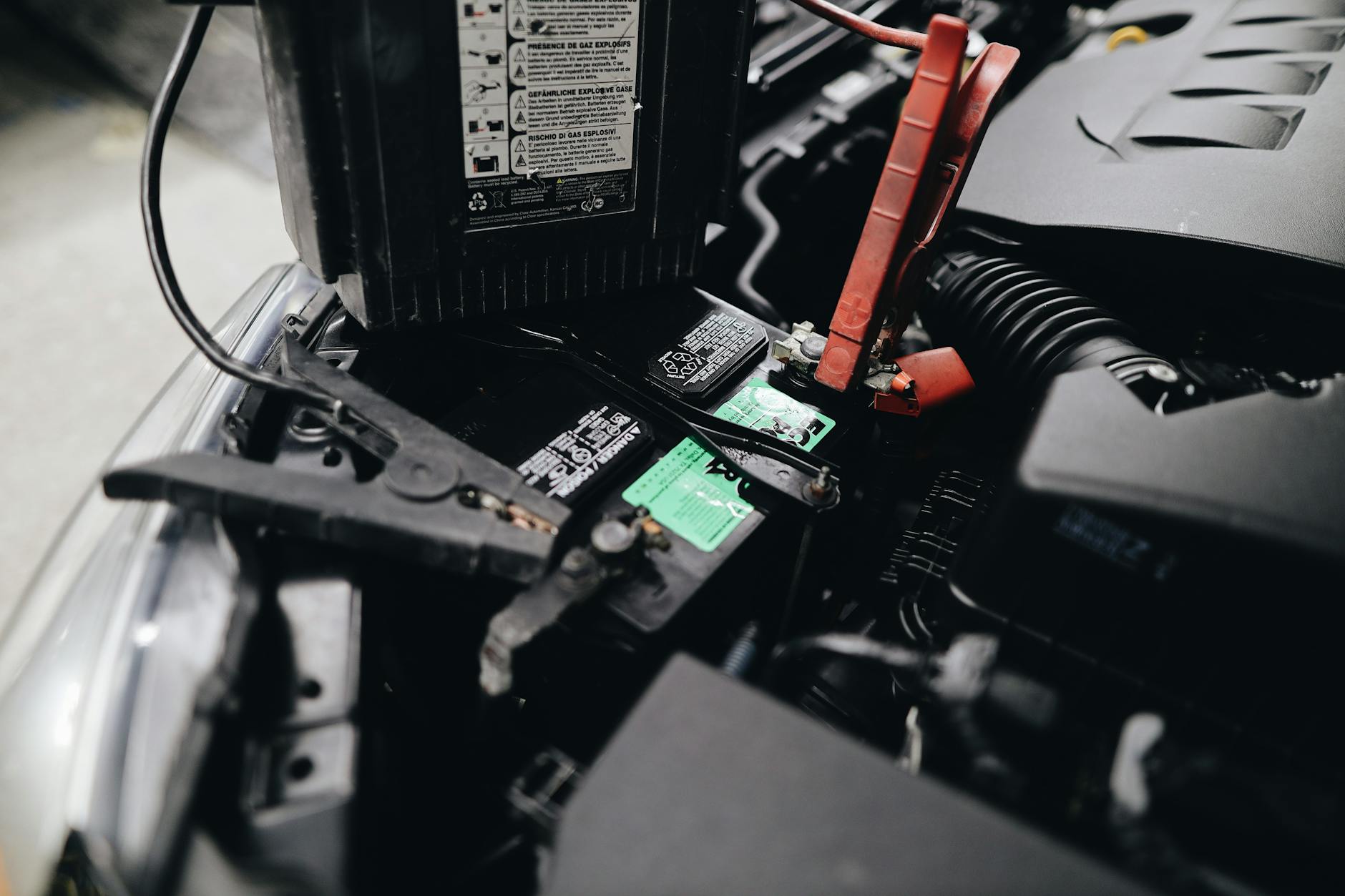
A dead battery is the single most common reason drivers call for roadside help. Temperatures below freezing and extreme heat both accelerate battery wear, and batteries tend to fail without much warning. Jumper cables are the traditional solution — they're inexpensive, last virtually forever, and work perfectly as long as a second vehicle is available to provide the charge. Look for cables at least 16 feet long with thick gauge wiring (4 or 6 AWG) for reliable current transfer.
If you want a more self-sufficient option, a lithium jump starter pack is worth the investment. These compact devices — many about the size of a hardcover book — store enough charge to jump-start a standard car engine multiple times on a single charge. Many also double as USB power banks for your phone. They're especially useful if you frequently drive alone in remote areas where flagging down another motorist isn't always realistic.
2. First Aid Kit
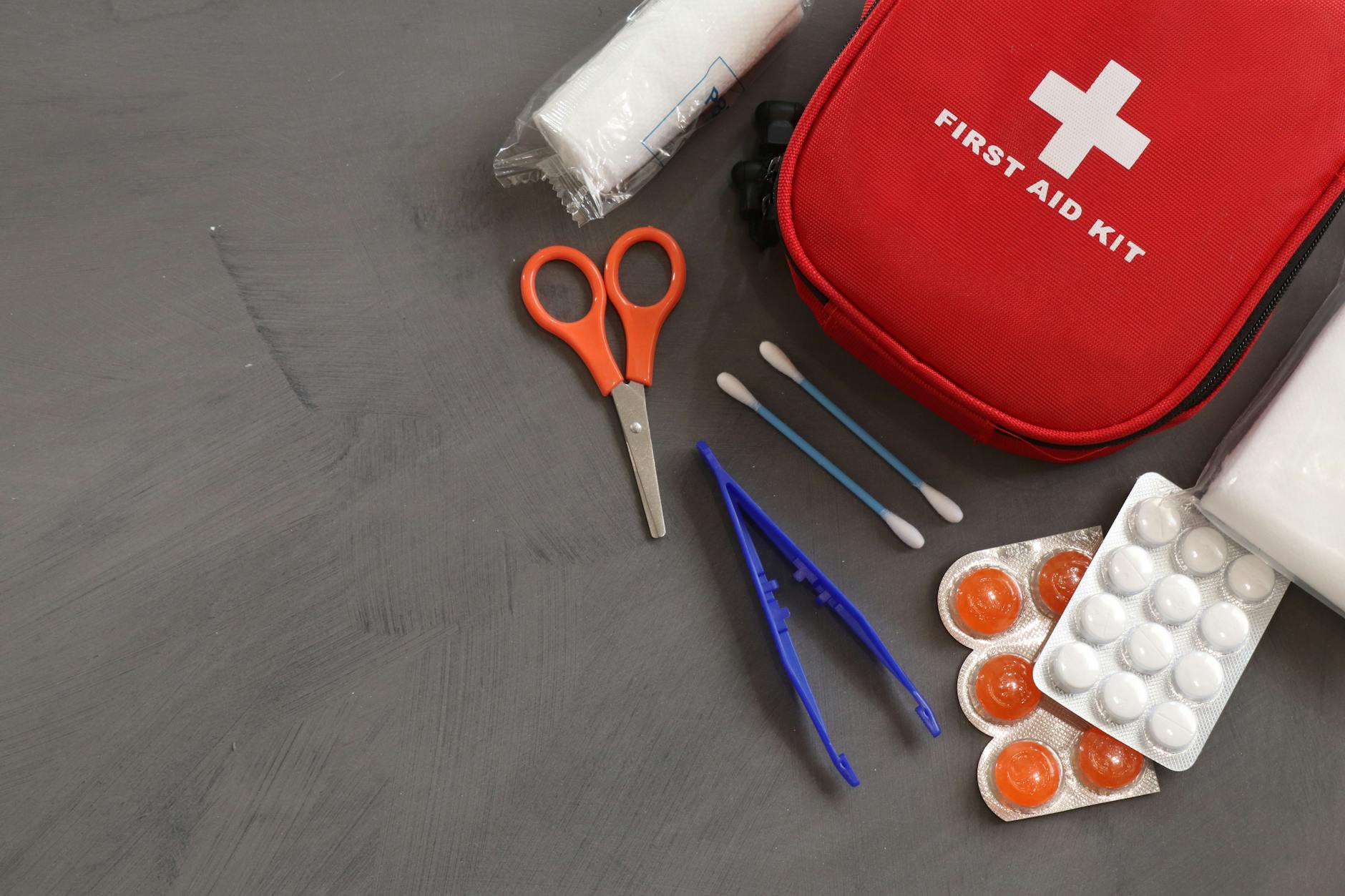
Vehicle accidents — even minor fender-benders — can result in cuts, bruises, and other injuries that need immediate attention before paramedics arrive. A car first aid kit doesn't need to be elaborate. A well-stocked compact kit should include adhesive bandages in multiple sizes, sterile gauze pads, medical tape, antiseptic wipes, disposable gloves, scissors, tweezers, and an instant cold pack. Pre-assembled automotive first aid kits are widely available and typically contain everything you need in one organized pouch.
Keep the kit in an accessible location — not buried under luggage in the trunk. The glove compartment or a door pocket works well for a slim kit. Check it once or twice a year and replace any expired items. This is genuinely one of the most critical items on any car safety essentials list, and one that surprisingly few drivers actually carry.
3. Portable Tire Inflator
A slow leak or partially deflated tire is far more common than a complete blowout. Driving on significantly underinflated tires is not only dangerous — it accelerates tire wear, reduces fuel economy, and increases the risk of a sudden failure at highway speeds. A compact portable tire inflator lets you top up a soft tire on the spot and get safely to a service station rather than limping along or waiting for help.
Modern portable inflators are 12-volt devices that plug into your car's power outlet (or come with a built-in battery) and can inflate a standard passenger tire from low to full in under five minutes. Many models, including compact options like the TireHero, include a built-in pressure gauge and auto-shutoff when the target PSI is reached, which takes the guesswork out of the process. Look for a model that includes a carrying bag and multiple nozzle adapters so it also works for bicycle tires and sports equipment.
Pair your inflator with a tire pressure gauge if your inflator doesn't have one built in. Checking your tire pressure once a month takes about two minutes and can prevent the majority of tire-related breakdowns before they happen.
4. Reflective Warning Triangles or Road Flares
Visibility is everything when you're stopped on the side of a road. Other drivers need as much warning as possible that a vehicle is stationary ahead — especially at night, in fog, or around a curve. Reflective warning triangles are reusable, pack flat, and are required by law in many countries. The standard recommendation is to place one directly behind the vehicle, one about 50 feet back, and one about 150–300 feet back depending on road speed.
Electronic LED road flares are an excellent modern alternative. They're brighter than passive reflectors, visible from further away, and some models include multiple flash patterns. Unlike traditional flares, they carry no fire risk and can be reused indefinitely. A set of three triangles or LED flares takes up minimal space and could genuinely save your life if you're ever stopped on a busy highway after dark.

5. Flashlight with Extra Batteries
Your smartphone's flashlight is better than nothing, but it drains your battery fast and provides a narrow, weak beam. A dedicated LED flashlight — kept in your glove compartment or door pocket — gives you hands-free lighting when changing a tire, reading a map, or signaling for help in the dark. Look for a water-resistant model with at least 200 lumens of output.
Headlamps are an even better choice for hands-free use when you need to work under the hood or handle a tire in the dark. Keep a spare set of AA or AAA batteries in the kit. If you prefer not to deal with battery maintenance, a rechargeable flashlight with USB charging is a smart alternative — just remember to top it up periodically.
6. Bottled Water and a Non-Perishable Snack
This one sounds almost too simple, but it matters more than most people realize. If you're stranded in summer heat waiting for roadside assistance, dehydration becomes a real concern within an hour or two. Keep at least two bottles of water in your car, and replenish them regularly — water stored in hot cars for extended periods can leach chemicals from plastic bottles, so rotating your stock every few weeks is a good habit.
A compact, non-perishable snack — energy bars, nuts, or similar items — rounds out your basic survival supplies for a roadside wait. This is especially important if you travel with children or elderly passengers who may be more vulnerable to temperature extremes and hunger. It's a small addition that adds almost no weight or cost to your roadside emergency kit.
7. Warm Blanket or Emergency Mylar Blanket
Breaking down in cold weather is a scenario that kills people every year — not from the mechanical failure itself, but from exposure while waiting for help. A compact emergency blanket (also called a mylar or space blanket) folds to the size of a deck of cards and reflects up to 90 percent of your body heat back toward you. For the $3–5 they typically cost, there is no reason not to have one.
If you live in a region with harsh winters, step up to a full-size wool or fleece blanket. Wool retains warmth even when wet, making it a reliable choice for genuinely cold climates. Running your engine for heat while stranded is an option, but always ensure the exhaust pipe is clear of snow to prevent carbon monoxide buildup — and keep a window cracked slightly for ventilation.
8. Basic Tool Kit
You don't need a full mechanic's toolbox. A small selection of essential hand tools covers the vast majority of minor roadside repairs: a set of combination wrenches, a couple of flathead and Phillips screwdrivers, pliers, zip ties, and a roll of duct tape. These items together weigh only a few pounds and can address loose battery terminals, a popped hose clamp, minor trim issues, and dozens of other small mechanical annoyances.
Add a pair of heavy-duty work gloves to the kit. Working on your car by the side of the road means dealing with sharp metal edges, hot surfaces, and dirty engine components. Gloves protect your hands and give you a better grip on tools. A simple tarp or a piece of cardboard is also useful if you ever need to lie under the vehicle to check something.
9. Phone Charger or Portable Power Bank
Your phone is your most powerful emergency tool — for calling for help, pulling up maps, looking up your roadside assistance membership number, or documenting an accident for insurance purposes. None of that works if your phone is dead. Keep a quality car phone charger (12-volt plug or USB-C) permanently connected in your center console, and supplement it with a portable power bank in case your car itself isn't starting.
A power bank with at least 10,000 mAh capacity can fully recharge most smartphones two to three times. Look for one that supports fast charging and has enough ports for multiple devices. This is particularly important on long road trips where heavy navigation and music streaming can drain a phone battery faster than a standard car charger can replenish it.
10. Pen, Paper, and Copies of Key Documents
This last item is the least glamorous on the list, but it's surprisingly important in the aftermath of an accident. Exchange insurance information, note a witness's phone number, write down the responding officer's badge number — these are all things that are much harder to manage when you're relying entirely on a potentially damaged or low-battery phone.
Keep a small notepad and a ballpoint pen in your glove compartment alongside photocopies of your insurance card, vehicle registration, and roadside assistance membership card. If you belong to AAA, your insurer's roadside program, or a similar service, write the contact number on a card and keep it in your wallet as well. In a stressful situation, having critical information on paper — rather than buried in an app — is a genuine advantage.
How to Assemble Your Car Emergency Kit Checklist
You can buy pre-assembled roadside emergency kits, and they're a reasonable starting point — but most are missing at least a few of the items above, and the quality of included components varies widely. The better approach is to build your own kit over time, sourcing each item individually so you know exactly what you have and that it meets your standards.
Store everything in a single durable bag or bin in your trunk. A collapsible soft-sided storage bin with handles works well because it stays organized, is easy to carry, and won't slide around. Label it clearly so every member of your household knows what it contains and where to find it.
Set a reminder to check your kit twice a year — when you change your clocks for daylight saving time is an easy way to remember. Check that batteries haven't died, water bottles are rotated, first aid supplies haven't expired, and everything is where it should be. A kit you've never checked in three years provides far less value than one that's been maintained.
Key Takeaways
- A car emergency kit checklist doesn't have to be complicated — ten items cover the vast majority of roadside situations.
- Dead batteries and flat tires are the two most common causes of breakdowns; make jumper cables/jump starters and a tire inflator your first priorities.
- Visibility saves lives — reflective triangles or LED flares are non-negotiable for highway breakdowns.
- A first aid kit, warm blanket, and water address the human side of an emergency, not just the mechanical side.
- Build your own roadside emergency kit rather than relying solely on pre-packaged versions for better quality control.
- Check your kit twice a year to ensure everything is in working order and nothing has expired.
- Your phone is your most important emergency tool — keep it charged with a car charger and a backup power bank.
Assembling a complete car safety essentials kit takes about an hour and a modest budget — most drivers can put together a solid setup for $75–150 total. That's a remarkably small investment compared to the cost of a tow, a night in a hotel because you couldn't drive, or the stress of being stranded without options. Building your kit today means the next time something goes wrong on the road, you'll be the driver who handles it calmly instead of the one waiting anxiously on the shoulder wondering what to do next.