10 Laundry Mistakes That Are Ruining Your Clothes (And How to Fix Them)
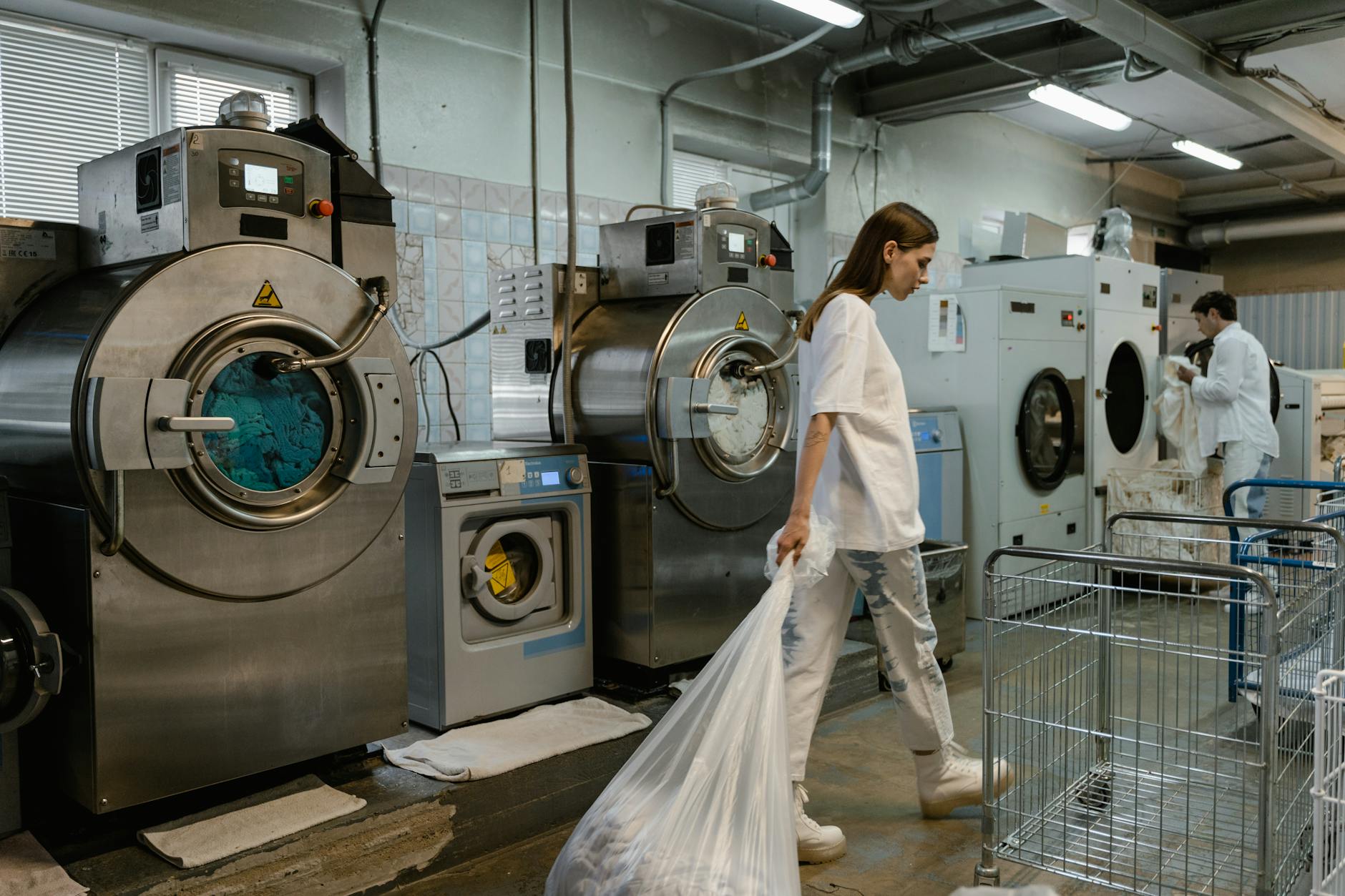
Most people have been doing laundry since they were teenagers, yet nearly everyone is making at least a handful of common laundry mistakes that quietly destroy their favourite clothes. A shirt that shrinks after two washes, towels that smell musty an hour after drying, a crisp white blouse that turns a sad shade of pink — these are not accidents. They are the predictable results of small, fixable habits.
The good news is that how to do laundry correctly is not complicated once you know what to look for. Below are ten of the most widespread laundry mistakes, what each one actually does to your clothes at a fibre level, and the straightforward fixes that will keep your wardrobe looking newer for longer.
1. Overloading the Drum
Cramming as many clothes as possible into a single load feels efficient, but it is one of the most damaging common laundry mistakes you can make. When the drum is overloaded, clothes cannot move freely through the water and detergent. The result is uneven cleaning — some areas barely touch the water — and excessive mechanical friction as heavy, tangled fabric masses grind against each other throughout the cycle.
Over time, that friction causes pilling on knitwear, weakens the weave of woven fabrics, and stretches waistbands and collars out of shape. Your machine also works harder than it should, wearing out its bearings and suspension faster.
The fix: Fill the drum no more than three-quarters full for a standard load. For bulky items like duvets or towels, half-full is even better. If you are regularly tempted to overload, consider doing smaller loads more frequently rather than one enormous wash per week.
2. Using Too Much Detergent
The measuring cap on a detergent bottle is not marketing — it is there for a reason. Using more detergent than recommended does not make clothes cleaner. Instead, excess detergent creates a residue that builds up in fabric fibres over multiple washes. You will notice this as a faint greyish film on whites, a stiffness in towels and jeans, or a soapy smell that lingers even after clothes come out of the machine.
Detergent residue can also trap dead skin cells and bacteria against the skin, which is a surprisingly common cause of unexplained skin irritation and contact rashes — especially in people with sensitive skin who already use fragrance-free formulas.
The fix: Use the amount stated on the packaging and adjust slightly downward if you have soft water, since soft water activates surfactants more aggressively than hard water. For front-loading machines, always use HE (high-efficiency) detergent — standard formulas produce far too many suds.
3. Washing Dark Clothes in Hot Water
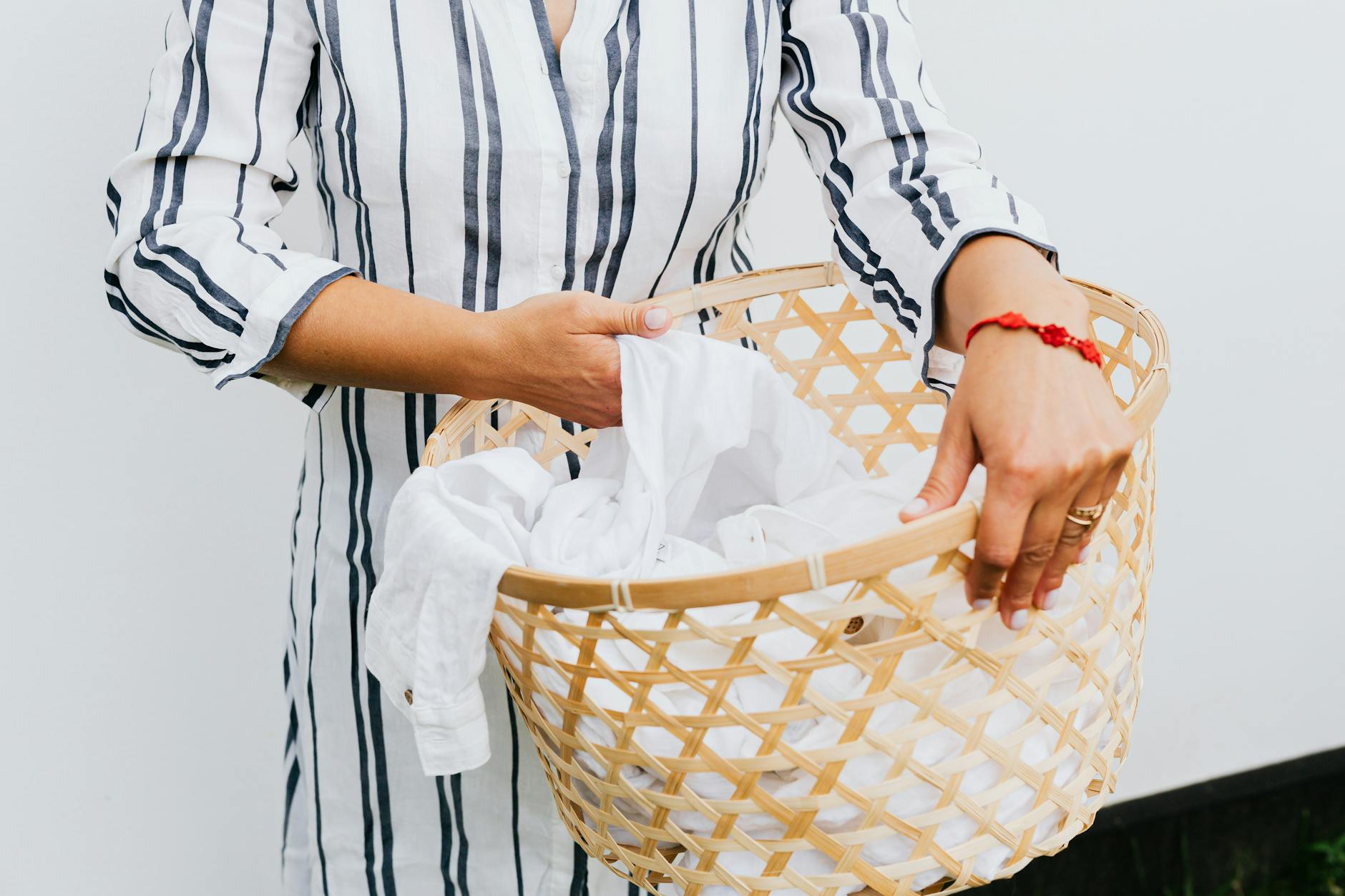
Hot water is great at killing bacteria and lifting heavy soils, but it accelerates dye release from dark fabrics. Every time a dark garment is washed in hot water, a small amount of dye leaches out into the rinse water. Do it often enough and your rich black jeans become a faded charcoal, your navy shirt turns a dull steel blue.
This is one of the laundry tips and tricks that clothing brands know but rarely advertise loudly: most modern detergents clean just as effectively in cold water. High-temperature washes are essentially only necessary for heavily soiled items, white cotton, and bedding.
The fix: Wash dark clothes inside out on a cold or cool cycle (30°C / 86°F or below). Turn jeans inside out specifically, as the denim weave is particularly prone to surface abrasion fading in addition to dye loss. Cold washing also saves a meaningful amount on energy bills.
4. Ignoring Fabric Care Labels
Care labels are not suggestions — they encode the specific tolerances of the fabric blend in that garment. A label that says "hand wash only" is telling you that the fibres will felt, shrink, or distort under the mechanical agitation of a machine cycle. A "dry clean only" label often signals that the structure of the garment (interfacing, lining, padding) will be destroyed by water.
Ignoring these instructions is one of the most reliable ways to ruin clothes that cost real money.

The fix: Take 10 seconds to read the care label before washing a new garment for the first time. If the label has worn off, a quick search of the brand's website or product page will usually surface the care instructions. Common symbols to memorise: a tub with a hand means hand wash only; a circle means dry clean; a crossed-out triangle means no bleach.
5. Leaving Wet Laundry Sitting in the Machine
Life gets busy and a load of laundry sits forgotten in the machine for several hours — or overnight. This is one of the most common laundry mistakes in busy households, and the consequences are genuinely unpleasant. A warm, wet, enclosed drum is an ideal environment for mildew. Within two to three hours, bacterial and fungal growth can begin on the fabric surface, producing that distinctive sour, musty smell that does not fully wash out even after re-washing.
In front-loading machines, repeated instances of leaving wet laundry inside can also lead to mould growth around the door seal, which then transfers a musty odour to every subsequent load.
The fix: Set a phone timer when you start a wash cycle and transfer clothes to the dryer or a drying rack within 30 to 60 minutes of the cycle finishing. If you forget and the clothes smell sour, rewash them with half a cup of white vinegar added to the drum — the acetic acid neutralises the odour-causing bacteria.
6. Not Cleaning the Washing Machine Drum
A washing machine that cleans your clothes still needs cleaning itself. Over time, detergent residue, fabric softener, limescale, and organic matter from dirty laundry accumulate inside the drum, the rubber gasket, and the detergent drawer. This build-up is a direct cause of musty smells in both the machine and the laundry it washes, and it can also harbour bacteria that partially transfer onto clean clothes.
The fix: Run a hot empty cycle (at least 60°C / 140°F) once a month. Add a dedicated washing machine cleaner tablet, or use 250ml of white vinegar poured directly into the drum plus a tablespoon of bicarbonate of soda. Wipe down the rubber door seal and pull out the detergent drawer to clean it separately — these are the two spots where mould accumulates fastest.
7. Mixing Colours Incorrectly
Most people know not to wash a bright red item with white clothes. What fewer people realise is that colour transfer does not only happen from vivid, dark colours to white — it can happen between any two colours, particularly on the first few washes of a new garment when dyes have not yet fully set. A new navy sock can tint a pale grey t-shirt. A new burgundy towel can cast a pink tone across everything in the same load.
The fix: Separate laundry into at minimum three categories: whites, lights (pastels and pale greys), and darks (navy, black, deep red, forest green). Wash new garments — especially anything brightly coloured or deeply dyed — separately for the first two or three washes before introducing them to a mixed load. Colour-catching sheets, placed in the drum, can act as a safety net by attracting loose dye particles before they settle on other fabrics.
8. Over-Drying in the Dryer
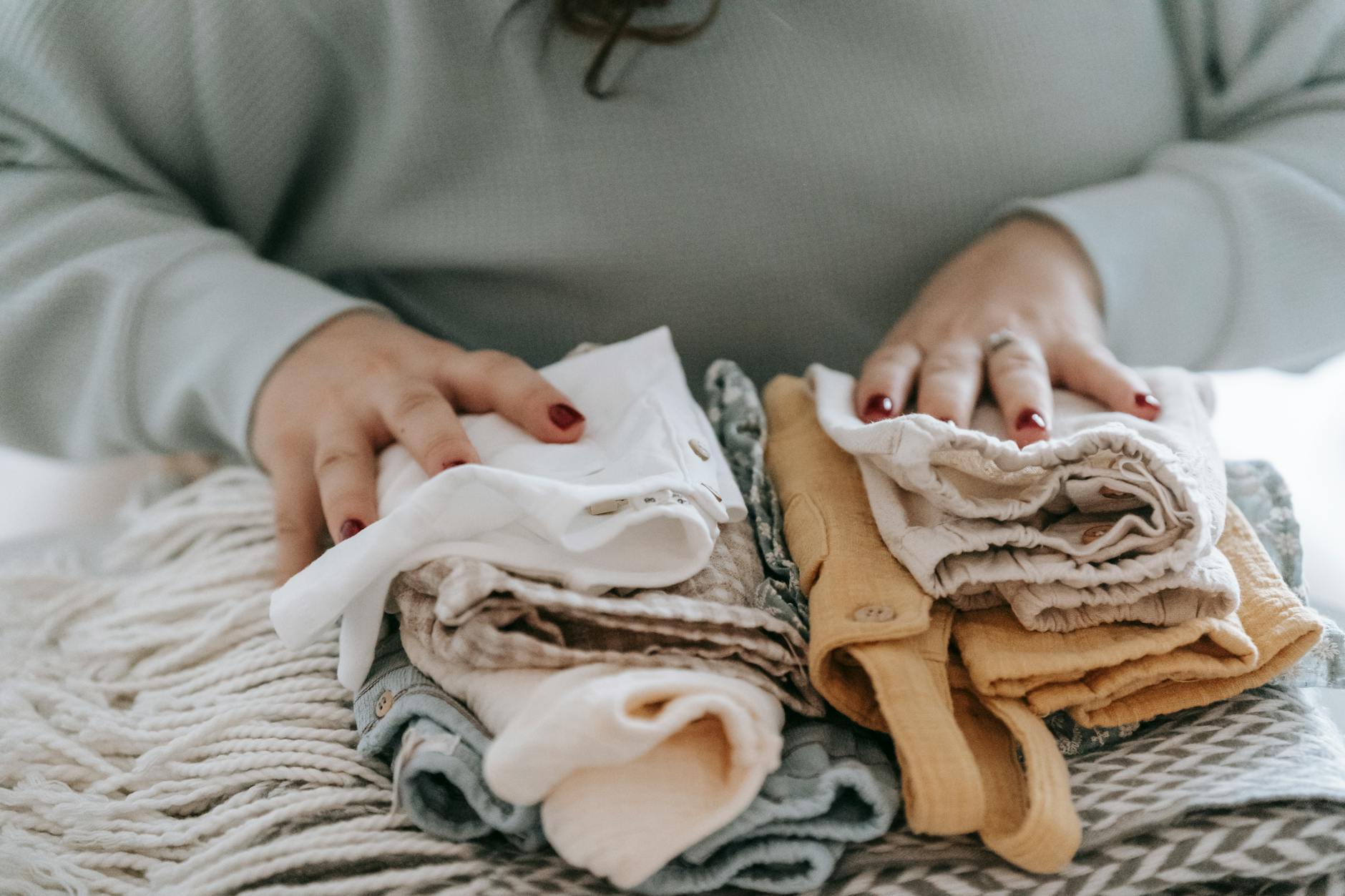
Tumble dryers are a significant cause of laundry mistakes shrinking clothes. Heat causes natural fibres — cotton, wool, linen — to contract as moisture is driven rapidly out of them. The higher the heat setting and the longer the drying time, the more pronounced the shrinkage. A cotton t-shirt can lose one full size after repeated high-heat tumble drying, not because of a single catastrophic wash but through gradual, cumulative shrinkage over dozens of cycles.
Beyond shrinkage, excessive heat damages elastane (spandex) fibres, which are woven into stretch fabrics including activewear, fitted jeans, and shapewear. Heat breaks down the elastane polymer chains, causing the garment to lose its stretch and snap permanently. This is why gym leggings eventually go baggy at the knees — dryer heat, not washing, is usually the culprit.
The fix: Use the lowest heat setting your dryer offers and remove clothes while they still retain a slight hint of dampness, then air-dry flat or on a hanger to finish. For knitwear and delicate fabrics, skip the dryer entirely and dry flat on a clean towel to prevent stretching. Use the dryer's sensor-dry setting if it has one — it stops the cycle automatically when clothes reach the right level of dryness rather than running for a fixed time.
9. Using the Wrong Wash Cycle for Delicates
The "delicates" or "gentle" cycle on a washing machine is not just a slower version of a normal wash — it uses significantly less mechanical agitation, a shorter spin, and typically lower water temperatures. Washing silk, lace, fine knitwear, or lingerie on a regular or cotton cycle subjects them to forces they were never designed to withstand. The result is pilling, pulled threads, distorted shapes, and fabrics that feel rough and stiff rather than soft.
This is also the reason net laundry bags exist. Placing delicate items inside a mesh bag before putting them in the machine physically limits the movement and friction they experience, providing an extra layer of protection even on a gentle cycle.
The fix: Use the delicates or hand-wash cycle for anything lightweight, stretchy, or with surface detailing (lace, embroidery, beading). Place items in a mesh laundry bag before loading. Use a detergent specifically formulated for delicates — these contain fewer harsh surfactants and no enzymes, which can break down protein-based fibres like silk and wool.
10. Storing Laundry Products Incorrectly
This is the most overlooked entry on any list of laundry tips and tricks, but it has a real impact on how well your detergent actually works. Powder detergents absorb moisture from the air if left in a cupboard above or near the machine, where temperature fluctuations cause condensation. Once clumped, the powder does not dissolve properly in the wash and can leave white patches on dark clothing.
Liquid detergents and fabric softeners degrade when stored in direct sunlight or in temperatures above 30°C, as heat breaks down surfactants and fragrance compounds. A detergent that has been sitting in a sunny utility room through summer is genuinely less effective than a fresh bottle.
The fix: Store powder detergent in an airtight container in a cool, dry location — ideally not directly on top of or beside the washing machine. Keep liquid detergent and fabric softener in a cool, dark cupboard away from heat sources. Check expiry dates on cleaning products — most have a shelf life of 6 to 12 months once opened, after which their effectiveness drops noticeably.
Quick Fix Checklist: Are You Making These Mistakes?
Run through this list before your next laundry day:
- Fill the drum no more than three-quarters full
- Measure detergent — do not guess
- Wash darks inside out on a cold cycle
- Read the care label on any new garment before its first wash
- Transfer wet laundry within 30–60 minutes of the cycle ending
- Run a drum-cleaning cycle once a month
- Sort into whites, lights, and darks — and wash new coloured items separately
- Use low heat in the dryer and remove clothes slightly damp
- Use the delicates cycle and mesh bags for lightweight fabrics
- Store detergent in a cool, airtight container away from sunlight
FAQ: Common Laundry Questions Answered
Key Takeaways
Avoiding common laundry mistakes does not require expensive products or a complete change of routine. The biggest wins come from simple habit shifts: measure your detergent, check care labels, sort colours properly, and do not let wet clothes sit. Each of these changes costs nothing and can meaningfully extend the lifespan of your clothes.
Understanding washing clothes at the wrong temperature is particularly important because it affects both garment life and energy consumption simultaneously. Cold washing for darks and everyday loads, and hot washing only when genuinely necessary, is one of the highest-leverage changes you can make.
Your wardrobe is an investment. The laundry tips and tricks in this guide are not about being precious with your clothes — they are about getting full value from the things you already own. A few small adjustments to how you do laundry correctly can keep clothes looking their best for years rather than seasons.