10 Drug-Free Ways to Manage Chronic Pain at Home (That Actually Work)
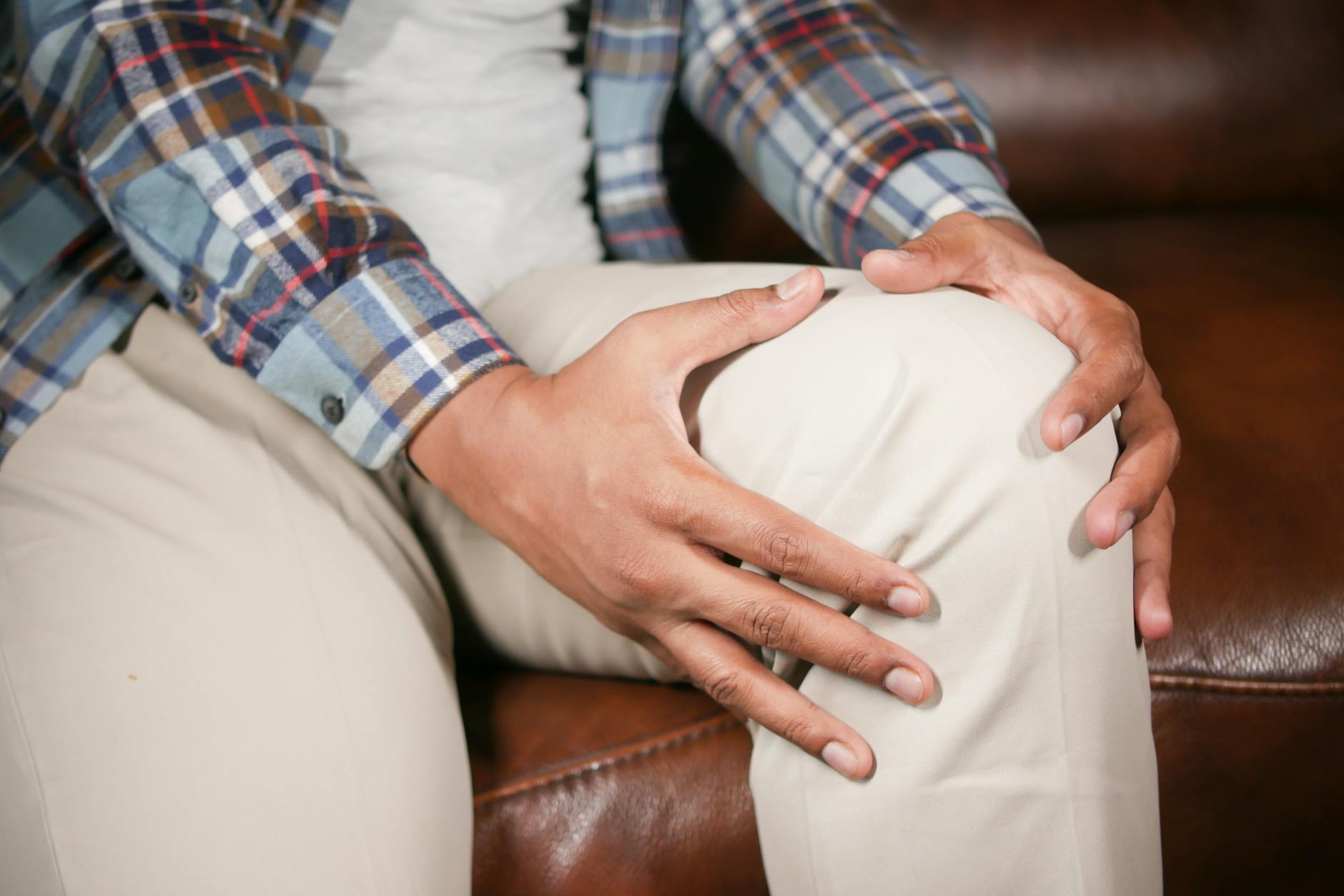
If you've been living with chronic pain, you already know the frustration. You've tried the medications, dealt with the side effects, and maybe started wondering whether there's a better long-term path. You're not alone — according to the CDC, roughly 50 million Americans experience chronic pain, and a growing number are actively seeking drug-free pain relief at home as a primary or complementary strategy.
The good news is that the science behind non-pharmaceutical pain management has advanced significantly. From electrical nerve stimulation to targeted nutrition, there are real, evidence-backed approaches that can meaningfully reduce your pain levels — without adding another pill to your daily routine. This guide covers 10 of the most effective methods, what the research says, and exactly how to put each one to work for you.
None of these are miracle cures. But used consistently and in combination, they can make a genuine difference in your daily quality of life.
1. TENS Therapy: Rewiring Your Pain Signals
Transcutaneous Electrical Nerve Stimulation (TENS) is one of the most clinically studied forms of drug-free pain relief. It works by delivering low-voltage electrical pulses through electrode pads placed on the skin near the pain site. These pulses interfere with pain signals traveling to the brain — a mechanism rooted in the "gate control theory" of pain — while also stimulating the release of endorphins, your body's natural painkillers.
TENS has been shown in multiple randomized controlled trials to reduce pain scores for conditions including lower back pain, osteoarthritis, fibromyalgia, and nerve pain. It's non-invasive, has virtually no side effects for most people, and can be used while sitting, working, or relaxing at home.
Practical tips: Sessions of 20–30 minutes, two to three times daily, tend to produce the best results. Electrode placement matters — pads should be placed on either side of the pain area, not directly over the spine or broken skin. Most users notice meaningful relief within the first one to two weeks of consistent use. Portable, rechargeable TENS devices are now widely available and affordable, making this one of the most accessible non-drug pain relief tools for home use.
Realistic expectation: TENS works best as part of a broader pain management plan. It provides temporary relief during and after sessions rather than permanent correction, but that temporary relief can meaningfully reduce your reliance on over-the-counter medications.
2. Heat and Cold Cycling: Smarter Than You Think

Most people pick either heat or ice and stick with it. But alternating between the two — known as contrast therapy — can be significantly more effective for certain types of chronic pain than either alone.
Heat works by increasing blood flow to tissues, relaxing tense muscles, and reducing joint stiffness. It's particularly effective for muscle spasms, chronic lower back pain, and arthritis-related stiffness. Cold reduces inflammation, numbs localized pain, and decreases nerve conduction velocity, which is why it's used immediately after flare-ups or activity-related pain spikes.
Practical tips: For chronic muscle pain, start with 15–20 minutes of heat (heating pad, warm towel, or warm bath), followed by 10 minutes of cold (ice pack wrapped in a cloth — never directly on skin). Wait 20 minutes and repeat if needed. For joint pain after activity, cold first is usually better. For morning stiffness, heat first tends to work better. Microwavable heat packs and reusable gel ice packs make this easy to implement at home with minimal cost.
Realistic expectation: Heat and cold won't resolve the underlying cause of your pain, but they are consistently effective at reducing pain severity in the short term and can help you stay mobile and active — which itself reduces long-term pain.
3. Anti-Inflammatory Diet: Food as a Long-Term Pain Tool

Chronic pain and chronic inflammation are deeply linked. Many long-term pain conditions — from arthritis to fibromyalgia to chronic back pain — are driven or amplified by systemic inflammation. What you eat has a direct impact on your body's inflammatory load, making diet one of the most powerful long-term tools for managing pain naturally.
The Mediterranean and anti-inflammatory diets have the strongest evidence base. Key components include omega-3-rich foods (fatty fish, walnuts, flaxseed), polyphenol-rich fruits (berries, cherries, pomegranate), dark leafy greens, extra-virgin olive oil, and turmeric. Equally important is reducing pro-inflammatory foods: refined sugars, processed foods, trans fats, and excessive alcohol.
Practical tips: You don't have to overhaul your entire diet overnight. Start with two concrete swaps: replace refined cooking oils with olive oil, and add one serving of fatty fish (salmon, sardines, mackerel) twice per week. Add a daily handful of mixed berries. These small changes, sustained over 4–6 weeks, can produce measurable reductions in inflammatory markers like CRP.
Realistic expectation: Dietary changes work slowly — expect to notice differences over weeks to months rather than days. However, unlike medications, the benefits compound over time and come with significant cardiovascular and metabolic bonuses.
4. Mindfulness-Based Pain Reduction (MBPR): Changing How Your Brain Processes Pain

Mindfulness-Based Stress Reduction (MBSR), developed by Jon Kabat-Zinn at the University of Massachusetts, has decades of clinical research behind it showing genuine reductions in chronic pain severity. This isn't just relaxation — neuroimaging studies show that regular mindfulness practice physically alters the brain regions responsible for pain processing, including the anterior cingulate cortex and insula.
The mechanism isn't that mindfulness makes you ignore pain. Rather, it changes your relationship to pain — reducing the emotional amplification (catastrophizing, anxiety, resistance) that significantly worsens the perception of pain signals. In a 2016 JAMA Internal Medicine study, MBSR was found to be more effective than usual care for chronic lower back pain.
Practical tips: You don't need to complete a formal 8-week MBSR program to get started (though it is highly effective). Begin with 10 minutes of guided body-scan meditation daily. Free resources include the UCLA Mindful App, Insight Timer, and YouTube guided meditations specifically for chronic pain. Consistency matters far more than session length — even 10 minutes daily for 4 weeks produces measurable changes.
Realistic expectation: This is not a quick fix. Most people notice meaningful changes in their pain response after 4–8 weeks of consistent practice. The payoff is substantial: improved pain tolerance, reduced anxiety about pain, and better sleep — all without a single pill.
5. Daily Stretching Routines: Movement as Medicine

Chronic pain — especially musculoskeletal pain — creates a vicious cycle: pain causes you to move less, reduced movement causes muscles to shorten and weaken, and weakened muscles cause more pain. Breaking this cycle with consistent, gentle daily stretching is one of the most evidence-supported approaches to natural pain relief that exists, and it costs absolutely nothing.
Stretching improves flexibility and range of motion, reduces muscular tension around painful joints, increases blood flow to tissues, and triggers the release of endorphins. For people with lower back pain specifically, a program of targeted stretching and gentle mobility work has been shown to produce outcomes comparable to physical therapy in several trials.
Practical tips: Focus on the areas surrounding your pain site, not just the site itself. For lower back pain, hip flexor and hamstring stretches are often more impactful than back stretches alone. Hold each stretch for 30–60 seconds — short holds don't produce lasting flexibility changes. Aim for a 15–20 minute routine morning and evening. YouTube channels like "Yoga with Adriene" have free, pain-specific routines that are excellent starting points.
Realistic expectation: Within 2–3 weeks of daily practice, most people with musculoskeletal pain report noticeable improvements in morning stiffness and daytime pain levels. This is a high-return, zero-cost intervention that should be part of virtually everyone's chronic pain toolkit.
6. CBD Topicals: Localized Relief Worth Considering
CBD (cannabidiol) topicals — creams, balms, and roll-ons applied directly to the skin — have gained significant traction as a non-drug pain relief option, and the science is catching up. Unlike oral CBD, topicals don't enter the bloodstream in meaningful quantities; instead, they interact with cannabinoid receptors in the skin and underlying tissues, modulating local inflammation and pain signaling.
A 2020 study in the Journal of Pain Research found that topical CBD significantly reduced pain intensity and improved quality of life in peripheral neuropathy patients. For arthritis, muscle soreness, and localized nerve pain, the evidence is encouraging if not yet definitive.
Practical tips: Look for products with at least 250mg of CBD per ounce for meaningful topical concentration. Third-party lab testing (a Certificate of Analysis, or COA) is non-negotiable — it verifies potency and confirms the absence of pesticides and heavy metals. Apply generously to the affected area, massage in for 60–90 seconds to aid absorption, and use 2–3 times daily. Results typically appear within 15–45 minutes of application.
Realistic expectation: CBD topicals work best for localized pain rather than widespread systemic conditions. They are not a substitute for addressing underlying causes but can provide meaningful, rapid relief during flare-ups — and they have a very favorable side-effect profile compared to oral NSAIDs.
7. Acupressure: Targeted Pressure for Pain Relief
Acupressure is the non-needle sibling of acupuncture, and while it lacks acupuncture's volume of clinical research, several well-designed studies support its effectiveness for specific pain types. The mechanism involves applying firm, sustained pressure to specific anatomical points — thought to release myofascial tension, stimulate local circulation, and trigger the release of endorphins and serotonin.
A 2017 meta-analysis in BMJ Open found acupressure produced significant reductions in chronic lower back pain. Additional research supports its use for headaches and migraines (applying pressure to the LI-4 point between thumb and index finger), neck pain, and menstrual cramps. It requires no equipment and can be self-administered.
Practical tips: Learn the three points most relevant to your pain type. For general pain and headaches: LI-4 (the webbing between thumb and forefinger) — apply firm circular pressure for 1–2 minutes. For back and knee pain: BL-40 (back of the knee, center of the crease). For general relaxation and anxiety-related pain amplification: P-6 (inner wrist, two finger-widths from the crease). Apply pressure that feels "uncomfortable but not painful" — a 6 out of 10 intensity level.
Realistic expectation: Acupressure is best used as an in-the-moment tool during pain flare-ups rather than as a standalone chronic treatment. Combined with stretching and mindfulness, it can be a surprisingly effective part of a drug-free pain management at home toolkit.
8. Sleep Hygiene: The Pain-Sleep Cycle You Need to Break
The relationship between sleep and chronic pain is bidirectional and vicious: pain disrupts sleep, and poor sleep lowers your pain threshold, making the same level of pain feel significantly worse the next day. Research from the Sleep Research Society shows that even one night of poor sleep can increase pain sensitivity by up to 15%.
Addressing sleep quality is therefore one of the highest-leverage interventions for chronic pain management without medication. Studies consistently show that people who improve their sleep architecture — specifically, the amount of slow-wave (deep) and REM sleep they get — report substantially lower pain levels within weeks, even without any other changes.
Practical tips: The most impactful sleep hygiene changes for pain patients are: keeping a consistent sleep/wake schedule (even on weekends), keeping your bedroom below 68°F, eliminating all blue light sources 60 minutes before bed, and avoiding alcohol (which fragments REM sleep even in small amounts). Cognitive Behavioral Therapy for Insomnia (CBT-I) has the strongest evidence base for chronic pain-related insomnia and is available through apps like Sleepio and Somryst without a prescription.
Realistic expectation: Sleep improvements tend to produce noticeable pain reductions within 2–3 weeks. This is one of the few interventions that also improves mood, cognitive function, and immune function simultaneously — a high-value target for anyone managing chronic pain.
9. Water Therapy (Hydrotherapy): Low-Impact Pain Relief
Hydrotherapy — using water's thermal and physical properties to relieve pain — has been used medicinally for centuries, but modern research has given it solid credibility. The buoyancy of water reduces joint loading by up to 90% when submerged to the neck, making it possible to move and exercise with dramatically less pain than on land. The hydrostatic pressure also reduces swelling and improves circulation.
Warm water hydrotherapy (pools at 92–96°F) has shown particularly strong results for fibromyalgia, rheumatoid arthritis, and chronic lower back pain. A 2014 Cochrane review found that aquatic exercise was more effective than land-based exercise for improving pain and function in people with fibromyalgia.
Practical tips: You don't need a therapy pool. A warm bath with 2 cups of Epsom salts (magnesium sulfate) for 20 minutes can reduce muscle pain and stiffness significantly — the magnesium is absorbed transdermally and also has anti-inflammatory effects. For those with access to a pool or aquatic center, gentle walking in chest-depth water for 20–30 minutes three times per week is a highly effective low-impact exercise for chronic pain conditions. Contrast showers (alternating hot and cold for 30-second intervals) are another accessible option that improves circulation.
Realistic expectation: Hydrotherapy is particularly valuable for people whose pain makes conventional land-based exercise difficult. It allows you to maintain mobility and fitness — both critical for long-term pain reduction — when other forms of movement are too uncomfortable.
10. Magnesium Supplementation: The Overlooked Mineral
Magnesium is involved in over 300 enzymatic processes in the body, including nerve transmission and muscle contraction. Crucially, it also acts as a natural NMDA receptor antagonist — blocking the same pain receptors that drugs like ketamine target. Magnesium deficiency, which affects an estimated 48% of Americans, is associated with increased pain sensitivity, muscle cramps, migraine frequency, and sleep disruption.
Multiple clinical trials have found that magnesium supplementation reduces the frequency and severity of migraines, reduces fibromyalgia pain scores, and alleviates muscle cramps and restless legs syndrome. It is one of the safest, lowest-risk interventions for natural pain relief and widely available without a prescription.
Practical tips: The form of magnesium matters significantly. Magnesium glycinate is best for sleep and muscle pain (highly bioavailable, gentle on digestion). Magnesium malate is favored for fibromyalgia and fatigue. Avoid magnesium oxide — it has poor absorption and primarily acts as a laxative. A typical effective dose is 200–400mg elemental magnesium taken in the evening. Expect 4–6 weeks before full effects are apparent. Dietary sources include dark leafy greens, pumpkin seeds, dark chocolate, and legumes.
Realistic expectation: Magnesium supplementation won't eliminate severe chronic pain on its own, but as part of a comprehensive approach it can meaningfully reduce pain sensitivity, improve sleep quality, and reduce the frequency of pain episodes — particularly headaches, muscle cramps, and fibromyalgia flare-ups.
How to Combine These Methods for Maximum Effect
The most important principle in non-pharmaceutical pain management is that these methods work best in combination. Research consistently shows that multimodal approaches — using three or more complementary strategies simultaneously — produce significantly better outcomes than any single intervention alone.
A practical starting stack for most chronic pain patients looks like this:
- Foundation (do daily): Anti-inflammatory diet + sleep hygiene optimization + magnesium supplementation
- Active relief (do daily): Morning stretching routine + evening TENS session (20–30 min)
- Mental/nervous system: 10 minutes of mindfulness meditation daily
- Acute flare-ups: Heat/cold cycling + acupressure + CBD topical as needed
- Movement: Hydrotherapy or aquatic exercise 2–3x per week
Give any new combination at least 4–6 weeks before evaluating its effectiveness. Pain reduction is rarely linear — there will be better days and worse days — but tracking your average weekly pain score (on a simple 1–10 scale) will reveal genuine trends over time.
Frequently Asked Questions
Key Takeaways
Managing chronic pain without long-term medication dependence is achievable for many people — but it requires a systematic, patient, and multimodal approach. Here's what to carry forward:
- Drug-free pain relief at home is not a single technique — it's a collection of tools used strategically in combination.
- TENS therapy offers the most immediate, evidence-supported non-pharmaceutical relief and is an excellent anchor for your pain toolkit.
- Diet, sleep, and magnesium form the biological foundation — get these right and every other intervention works better.
- Mindfulness changes your brain's pain processing over time. It is one of the most powerful long-term interventions available.
- Movement — stretching and hydrotherapy — breaks the pain-immobility cycle that keeps chronic pain entrenched.
- Patience is essential. Most of these methods need 4–8 weeks of consistency before their full effect is apparent.
If you're looking for a starting point, consider exploring a portable TENS device — devices like the RejuvaKnee and similar at-home electrotherapy tools have made this clinically proven technique more accessible than ever for everyday pain management at home. Used alongside the dietary and lifestyle changes above, many people find they can meaningfully reduce or eliminate their reliance on daily pain medications.