10 Cleaning Mistakes That Make Your Home Dirtier (And How to Fix Them)
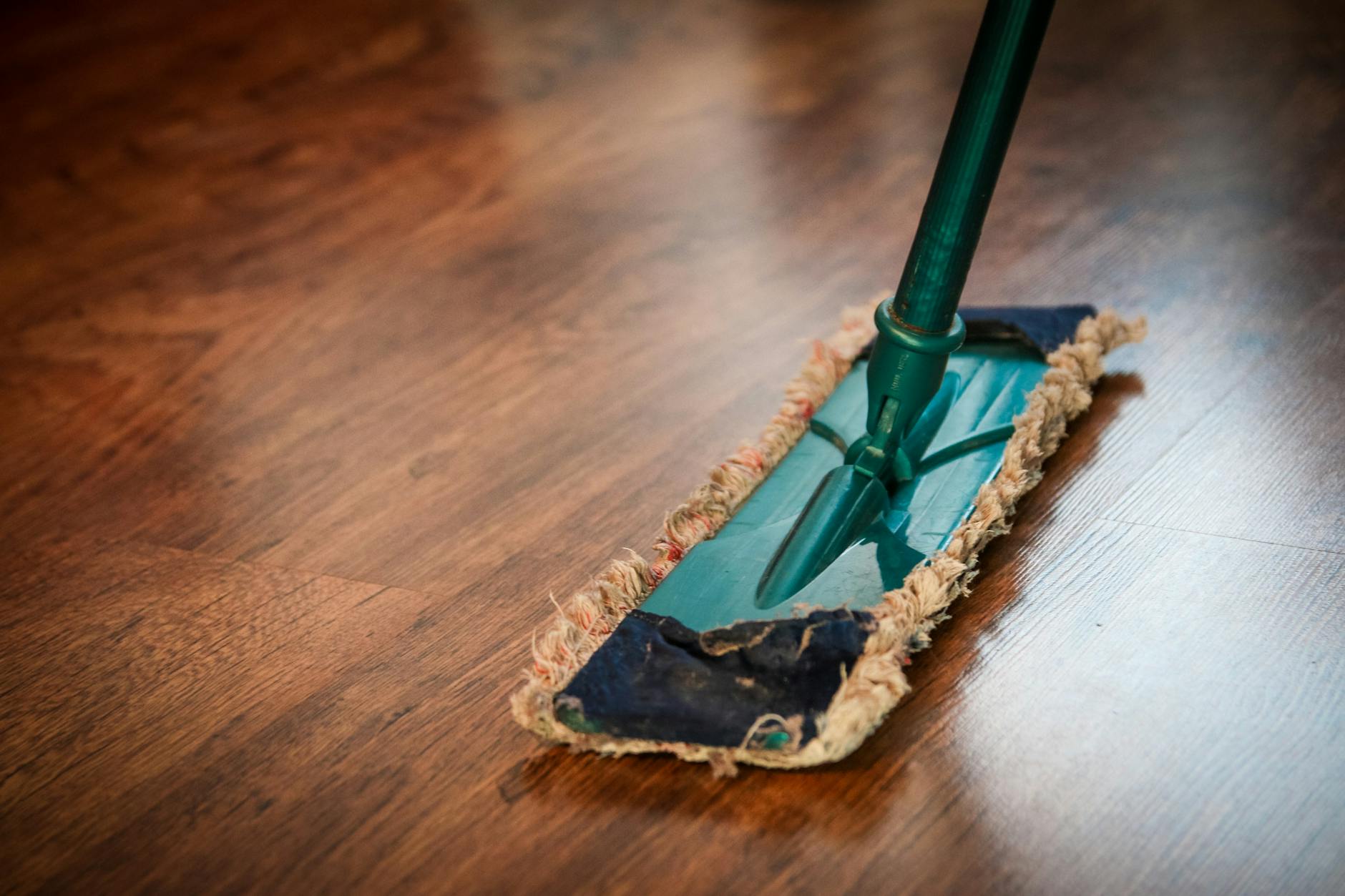
You spend an hour scrubbing, spraying, and wiping — yet somehow the kitchen bench looks streaky, the bathroom still smells, and the floor is dustier than when you started. Sound familiar? The problem almost certainly isn't effort. It's that several very common cleaning mistakes are quietly undoing your work — and in many cases, actively making surfaces dirtier than before you touched them.
This guide breaks down the 10 most widespread cleaning mistakes that make your home dirtier, explains exactly why each one backfires, and gives you a simple, practical fix. No products to buy. No complicated systems. Just smarter habits that deliver results you can actually see.
Mistake 1: Cleaning in the Wrong Order — Bottom to Top
One of the most counterintuitive truths in household cleaning is that gravity is always working against you. If you wipe down your kitchen benches first and then sweep the ceiling fan, all the dust that falls from the fan lands right back on the surface you just cleaned. The same principle applies to shelves, light fittings, skirting boards, and the tops of cupboards.
The fix: Always work top to bottom, and dry to wet. Start with the highest surfaces in the room — ceiling fans, light shades, the tops of wardrobes and fridges — and work your way down toward the floor. Sweep or vacuum last, after all the elevated dust has had a chance to settle. This single change in sequence can cut your total cleaning time by 20 percent or more because you stop re-cleaning surfaces you've already done.
Mistake 2: Using the Same Cloth for Every Surface
Picking up a single microfibre cloth and wiping your way through the entire house feels efficient. It is not. What actually happens is a phenomenon that cleaning professionals call "cross-contamination transfer." You wipe the toilet seat, then — with the same cloth — wipe the bathroom tap. You clean the inside of the bin, then wipe the kitchen counter. Bacteria, grease, and mould spores that the cloth picked up on one surface are physically deposited onto the next one you touch.
The fix: Dedicate specific cloths to specific zones. A simple colour-coding system works well: one colour for toilets and high-bacteria areas, another for kitchen surfaces, another for glass and mirrors. Even if you only have two or three cloths, rinse thoroughly and flip to a clean side between surfaces. Microfibre cloths are inexpensive, wash well at 60°C, and removing the cross-contamination habit alone makes a substantial difference to actual hygiene — not just the appearance of cleanliness.
Mistake 3: Not Rinsing Surfaces After Applying Cleaning Products
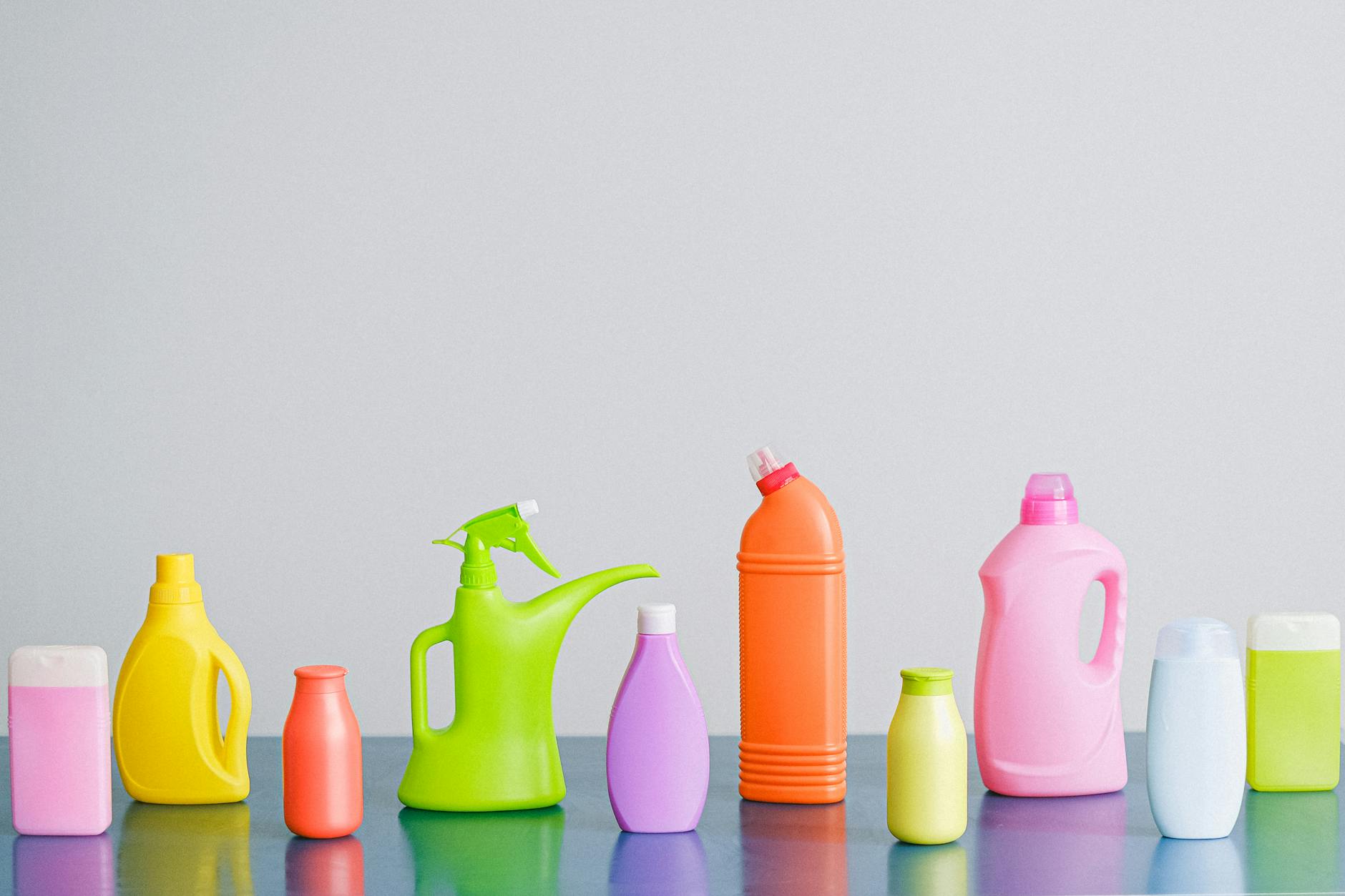
Most all-purpose sprays, bathroom cleaners, and multi-surface solutions are designed to be sprayed on, worked briefly, and then wiped or rinsed off. Many people spray, wipe once, and move on — leaving a thin residue of surfactants, fragrance compounds, and other chemicals on the surface. This residue is slightly sticky, which means it attracts and holds airborne dust and grease particles far more effectively than a bare, clean surface does. You end up with a surface that looks clean for about 30 minutes and then rapidly becomes grimier than before.
The fix: After wiping a product off, follow up with a damp cloth wrung out in plain water to remove any residue. On kitchen benches especially, this second wipe makes a significant difference to how long the surface stays clean. For glass and mirrors, a 50/50 mix of white vinegar and water leaves no residue at all, which is why it outperforms most branded glass cleaners for streak-free results.
Mistake 4: Overspraying Cleaning Products
There is a widespread belief that more product equals more clean. This is almost entirely false, and it is one of the home cleaning errors to avoid most urgently. Excess spray builds up as a sticky residue film (as covered above), can damage certain surfaces including wood, natural stone, and some painted finishes, and — in the case of disinfectants — actually reduces effectiveness. Many disinfectants require a specific dilution ratio; applying them in concentrated form directly from the bottle can irritate airways and leave a surface coating that does not sanitise properly.
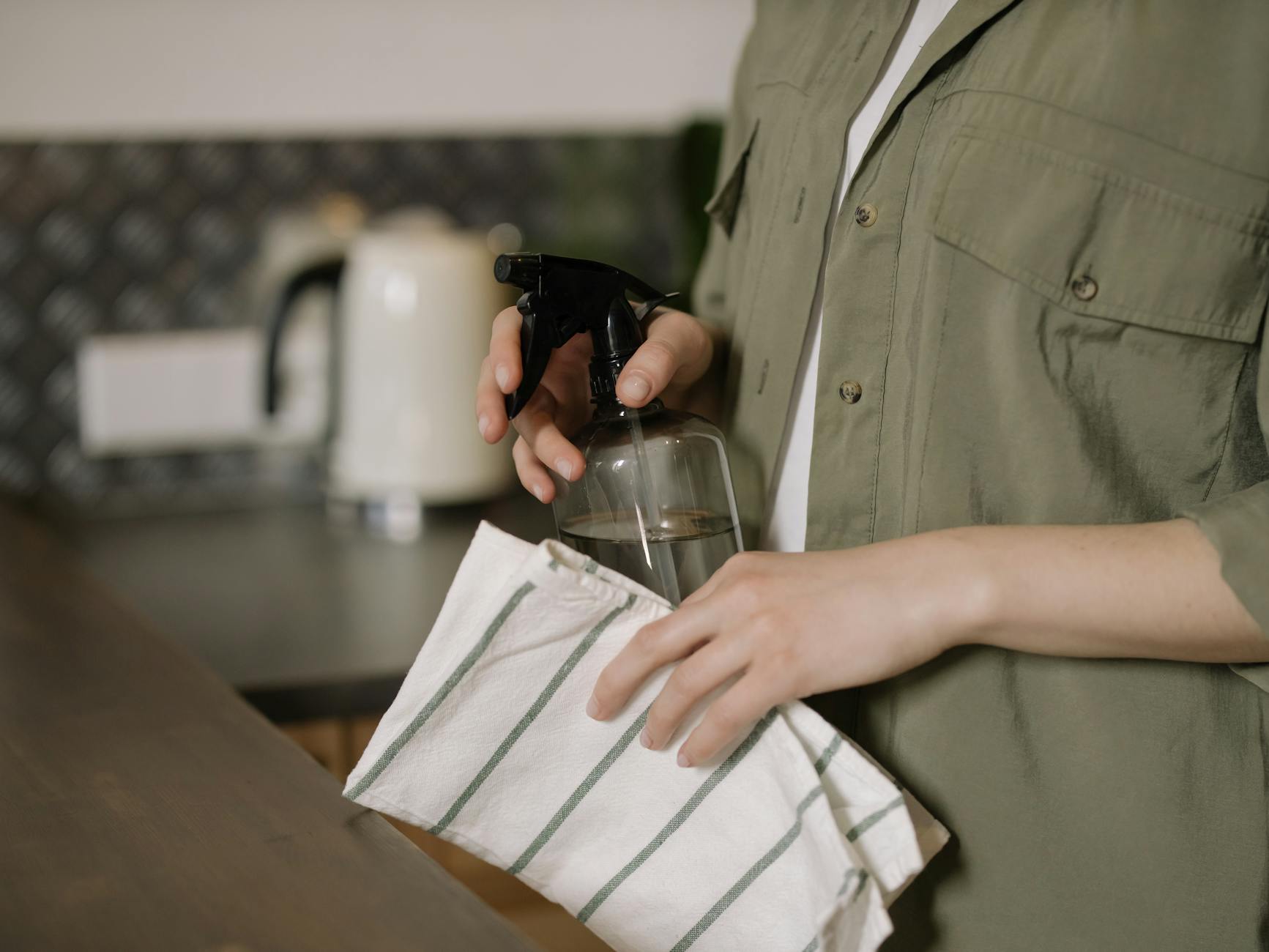
The fix: For most surfaces, one or two pumps of spray on the cloth (rather than directly onto the surface) is sufficient. Spraying onto the cloth rather than the surface also gives you much greater control over coverage, prevents overspray landing on items nearby, and uses product far more economically. A single bottle of all-purpose cleaner should last months in an average household when used this way.
Mistake 5: Ignoring Ventilation While You Clean
Cleaning stirs up settled dust, aerosolises chemical droplets, and — in bathrooms — redistributes mould spores and moisture. Doing all of this in a sealed room with no airflow means you breathe more of what you're trying to remove, and particles simply resettle on the surfaces you've just cleaned. Many people notice a thin layer of dust reappearing on shelves within hours of cleaning; poor ventilation during the process is frequently the cause.
The fix: Open windows or run an extractor fan before and during cleaning, not just after. In bathrooms, run the extractor fan for at least 15 minutes after you finish to continue removing airborne particles and moisture. In living areas, a gentle cross-breeze helps particles exit the room rather than settle back down. This is particularly important when vacuuming, as even high-quality vacuums exhaust fine dust particles that a well-ventilated room will carry away.
Mistake 6: Scrubbing Mould Instead of Killing It First
Finding mould on a shower grout line and immediately scrubbing at it hard is a natural reaction — and one of the more consequential common cleaning mistakes you can make. Scrubbing mould before treating it with a fungicidal agent physically breaks apart the mould colony and disperses thousands of spores into the surrounding air. Those spores then land on adjacent surfaces, inhale into your lungs, and seed new colonies in spots that were previously clean. You get rid of the original patch and create five new ones.
The fix: Apply a mould-killing product — a diluted bleach solution (1 part bleach to 10 parts water works well on non-porous surfaces) or a dedicated anti-fungal spray — and allow it to sit for the dwell time specified on the label, typically 5 to 10 minutes. The product needs to penetrate and kill the mould colony before you disturb it. Only then should you wipe or gently scrub. Rinse and dry the area thoroughly, since residual moisture is what allowed the mould to establish in the first place.
Mistake 7: Not Allowing Products Enough Dwell Time
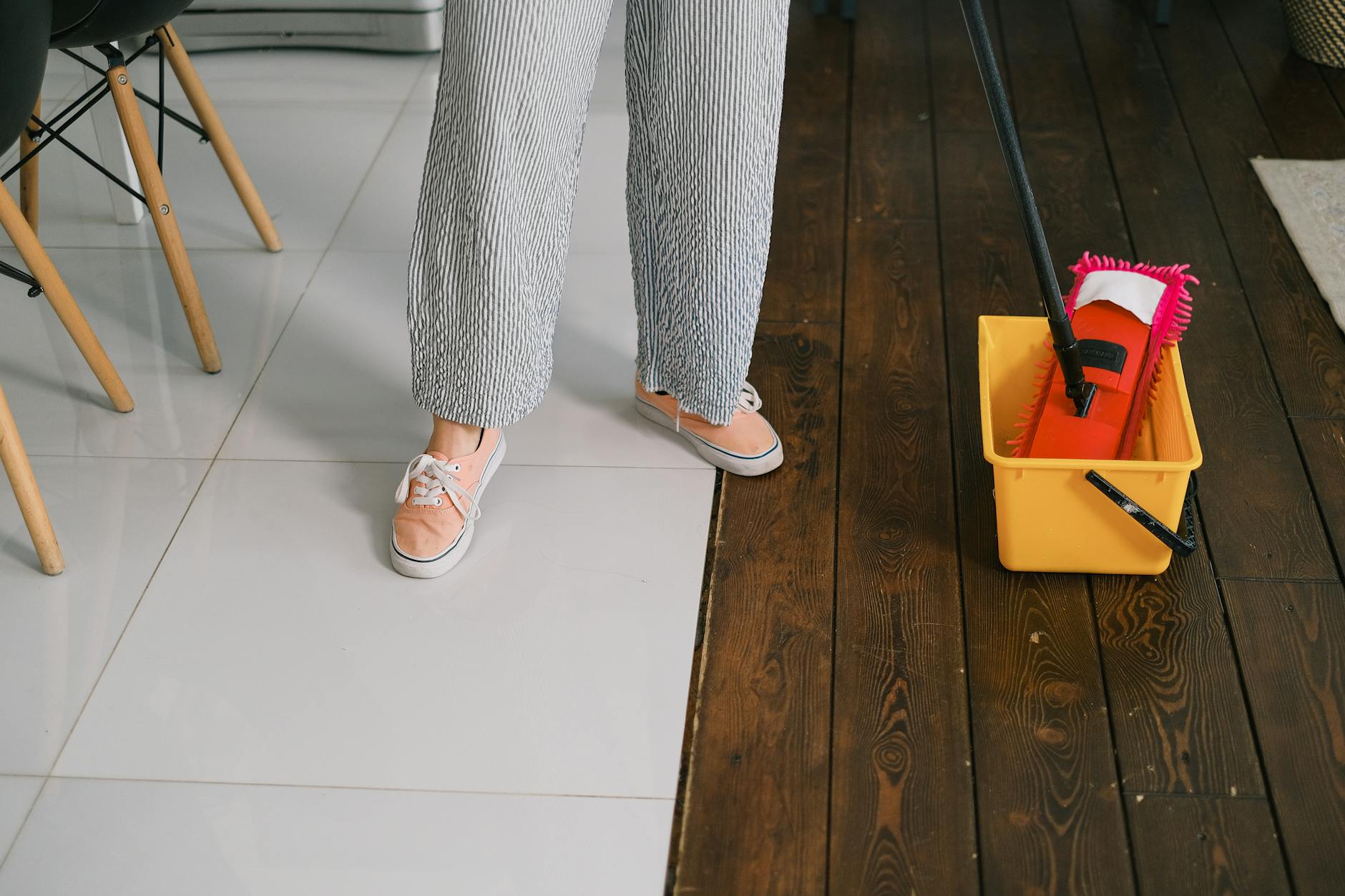
This is arguably the most underappreciated reason why cleaning doesn't work the way people expect. Disinfectants, mould treatments, toilet cleaners, oven degreasers — virtually every specialist cleaning product requires a minimum contact time to do its job. The active ingredients need time to chemically break down grease molecules, penetrate bacterial cell walls, or oxidise stains. Spraying a surface and wiping it off 10 seconds later is essentially the same as not using the product at all.
The fix: Read the label — genuinely. Most disinfectants require 30 seconds to 2 minutes of contact time to achieve the kill rate stated on the packaging. Oven cleaners often need 20 to 30 minutes. Toilet cleaners should sit under the rim for at least 5 minutes before brushing. A practical approach is to apply products to all areas that need dwell time at the start of your cleaning session, do other tasks while you wait, then come back to scrub and rinse. Your surfaces get properly treated, and you save time.
Mistake 8: Using Dish Soap or All-Purpose Cleaner on Natural Stone
Marble, granite, travertine, and slate are popular choices for kitchen benches, bathroom vanities, and floors — and they are frequently damaged by the cleaning products people assume are safe to use on them. Dish soap is mildly alkaline and leaves a residue that dulls the natural polish of stone over time. Many all-purpose sprays contain acids (often citric acid or vinegar-based formulations) that actively etch and pit the surface of calcium-based stones like marble and limestone. The damage is gradual, often irreversible without professional polishing, and almost always attributed to "the stone just getting old."
The fix: Use a pH-neutral cleaner specifically formulated for natural stone, or simply warm water with a small amount of mild castile soap. Dry the surface after cleaning — standing water causes staining on porous stone. Keep vinegar, lemon juice, and citrus-based cleaners entirely away from marble and limestone. For granite, avoid anything with bleach or ammonia. When in doubt, plain warm water and a soft cloth preserves natural stone better than almost any cleaning product.
Mistake 9: Vacuuming Before You Dust
It feels logical to vacuum first — get the big stuff off the floor, then work on surfaces. In practice, this means that all the dust you dislodge from shelves, furniture, and skirting boards while dusting will land on the floor you just vacuumed, requiring you to vacuum again to pick it up. It's a sequence error that doubles your workload quietly and consistently.
The fix: Always dust before you vacuum. Dry-dust high surfaces first (using a microfibre duster or slightly damp cloth to capture rather than spread particles), allow a few minutes for any disturbed particles to settle, then vacuum the floors and upholstered surfaces last. This is the same top-to-bottom principle from Mistake 1 applied specifically to the dust-then-vacuum relationship. For anyone asking why cleaning doesn't work as expected, this sequence fix alone often produces a noticeable improvement.
Mistake 10: Cleaning Dirty Tools With Dirty Tools
A mop head that hasn't been laundered in six weeks. A vacuum filter that's clogged with six months of debris. A sponge that smells slightly sour. These are the tools most people use to "clean" their homes — and they are actively depositing bacteria, mould, and dirt back onto every surface they touch. Studies have found that kitchen sponges are among the most bacteria-dense objects in the average home, with some harbouring more bacteria per square centimetre than a toilet seat. Using a dirty sponge to wipe a counter is a net negative for hygiene.
The fix: Build maintenance of your cleaning tools into the cleaning routine itself. Mop heads and microfibre cloths should be laundered after every use at 60°C or above. Sponges should be replaced weekly or microwaved damp for 2 minutes to reduce bacterial load (this does not sterilise them, but it substantially reduces counts). Vacuum filters should be cleaned or replaced according to the manufacturer's schedule — a clogged filter reduces suction and exhausts fine particulates back into the room. The rule is simple: a clean home requires clean tools.
The Smarter Cleaning System: Right Tools, Right Products, Right Order
Individually, each of these fixes is straightforward. Together, they form a cleaning approach that is genuinely more effective than most people's current routine — and often faster, because you stop redoing work that was undone by a sequencing or technique error.
Here is a reliable framework to keep in mind:
- Declutter before you clean. Cleaning around objects takes longer and leaves dust traps behind them. Move things, clean, replace them.
- Apply products that need dwell time first. Toilet cleaner, oven degreaser, mould treatment — apply these at the start so they're working while you do other tasks.
- Work top to bottom, dry to wet. Dust high surfaces, then lower surfaces, then clean wet areas (sinks, taps, toilets), then mop or vacuum floors last.
- Use dedicated cloths per zone. Kitchen surfaces, bathroom surfaces, and glass each get their own cloth or colour.
- Rinse product residue off with plain water. This final wipe prevents sticky residue that attracts new dirt faster.
- Ventilate throughout. Open windows or run extraction fans before, during, and for at least 15 minutes after cleaning.
- Launder your tools after each session. Clean tools are the foundation of a clean home.
These are the cleaning tips that actually work — not because they require expensive products or specialist knowledge, but because they respect how surfaces, bacteria, chemistry, and gravity actually behave. The fundamentals of effective cleaning are largely about sequence and contact time, not the brand of spray on your shelf.
Quick-Reference Checklist (Bookmark This)
Before You Start
- Declutter surfaces so you can clean, not clean around
- Open windows or turn on extraction fans
- Check that cloths, mop head, and sponges are clean
- Apply dwell-time products first (toilet, oven, mould)
Cleaning Sequence
- Top surfaces first (ceiling fans, shelves, tops of units)
- Mid surfaces (benches, sinks, taps, mirrors) — spray onto cloth, not surface
- Follow each wipe with a plain damp cloth to remove residue
- Use a different cloth for each zone (kitchen / bathroom / glass)
- Scrub mould only after treatment product has had full dwell time
- Floors and vacuuming always last
After You Finish
- Launder microfibre cloths and mop head at 60°C
- Replace or sanitise sponges
- Empty and rinse the mop bucket
- Keep ventilation running for 15 more minutes
- Check vacuum filter — clean or replace if needed
Final Verdict
The cleaning mistakes that make your home dirtier are almost universal — they appear in homes that look clean on the surface and homes that clearly don't. What makes them so persistent is that they feel correct. Scrubbing hard feels productive. Using more spray feels thorough. Wiping immediately feels efficient. But the science of how bacteria spread, how cleaning chemistry works, and how particles move through air tells a different story.
The good news is that every one of these home cleaning errors to avoid has a straightforward correction that requires no extra time and no extra expense. Adjust your sequence. Allow dwell time. Rinse off residue. Maintain your tools. Ventilate. These are not hacks or shortcuts — they are simply how effective cleaning actually works, applied consistently. Once the habits are in place, a genuinely cleaner home takes less effort, not more.